


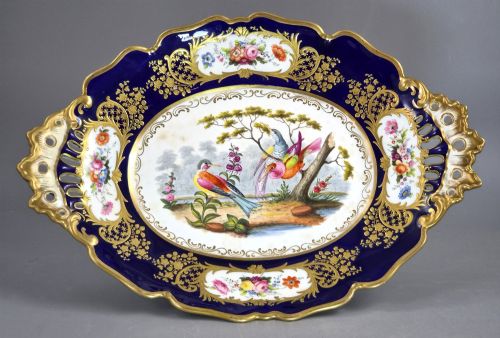
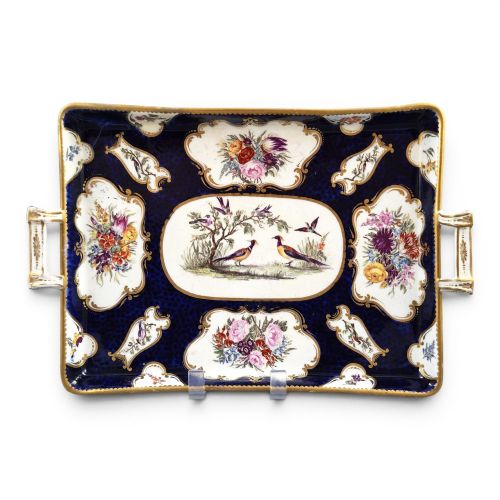
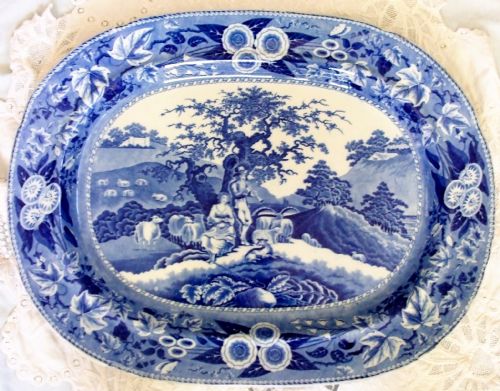


Cobalt Ceramic Serving Tray
A cobalt ceramic serving tray brings deep blue pigments and rich transfer-printed transferware into domestic service.
Cobalt Ceramic Serving Tray
A cobalt ceramic serving tray combines practical utility with decorative transfer printing, forming the core of these listings.
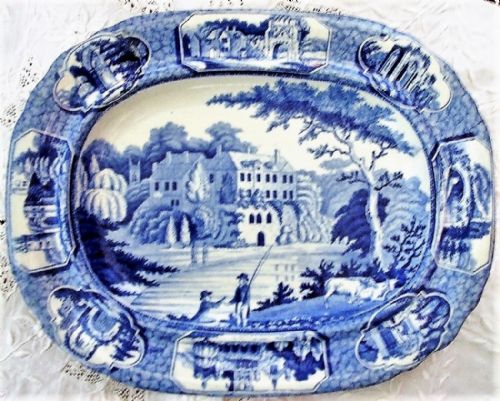
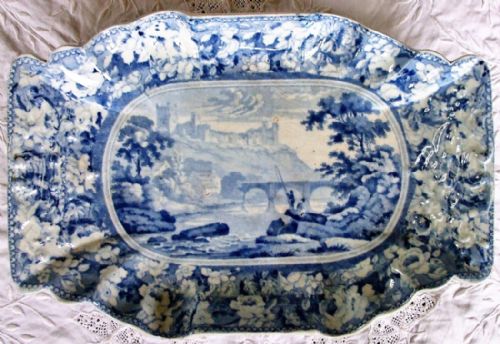
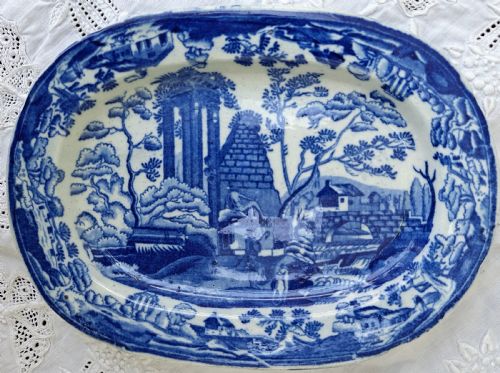
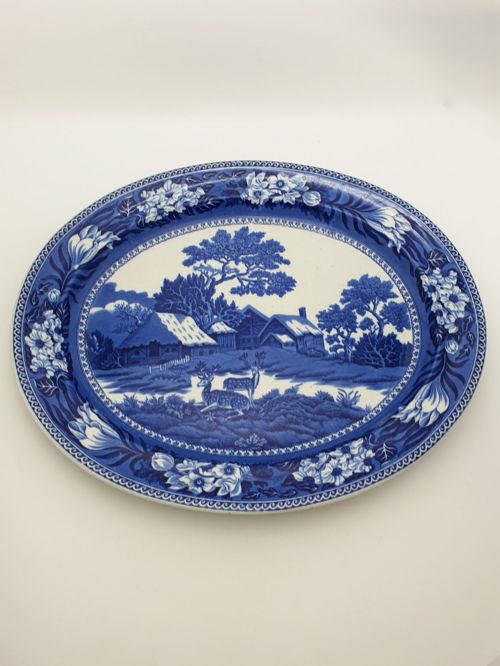
Most examples found on this page date from the Georgian and Victorian periods, taking the form of large platters, meat plates, and deep serving dishes.
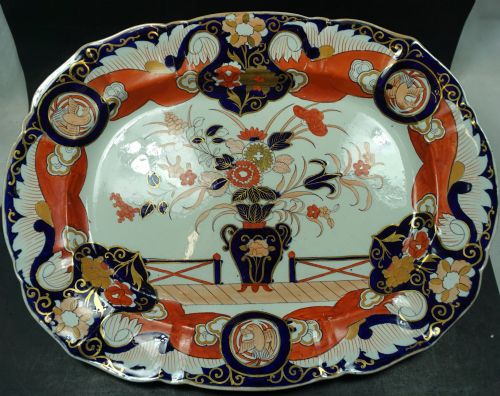
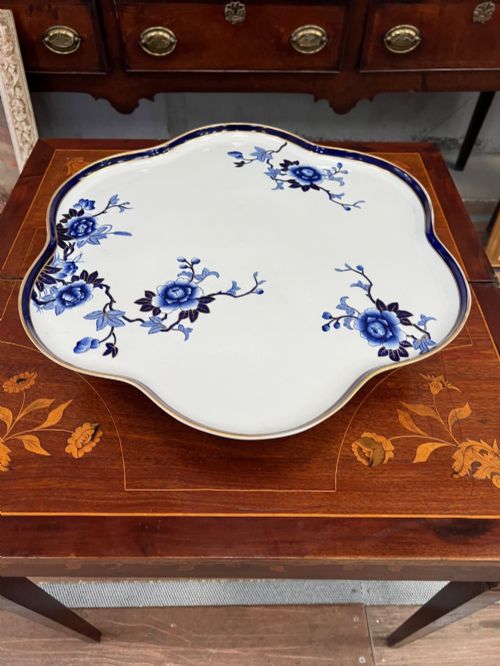
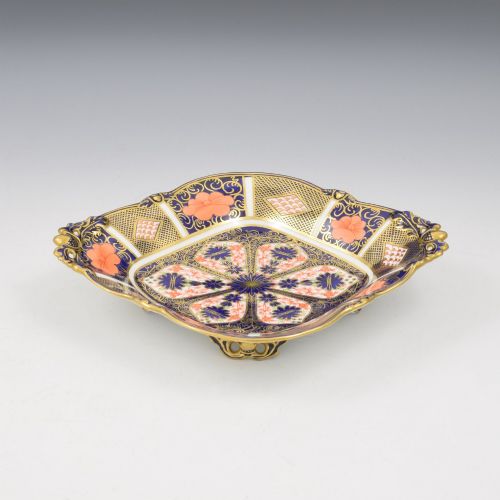
Makers utilised earthenware, porcelain, and ironstone as bases for rich cobalt blue pigment, often decorated with Chinoiserie, classical ruins, or traditional Imari patterns.
Materials and production methods
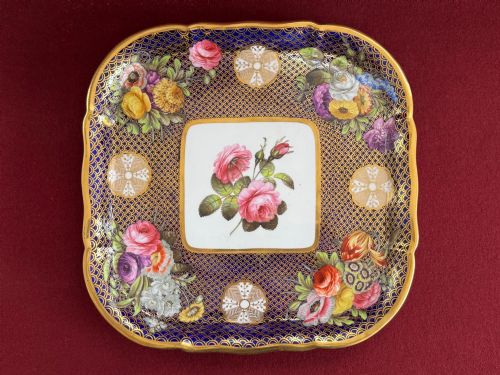
Potters shaped earthenware, ironstone, and porcelain into platters and trays before applying intricate designs via copperplate transfer printing or hand-painted enamel and gold leaf.
Cobalt pigment was fused under or over the glaze during firing to achieve the distinctive deep blue coloration seen across Georgian and Victorian tableware.
Cobalt Ceramic Serving Tray Retail Price Guide 2026
Typical asking prices for cobalt ceramic serving tray among the pieces listed under this phrase on Sellingantiques today, from the lower quarter to the upper quarter. They describe what is for sale here now, not the wider market.
Listings feature earthenware, porcelain, and ironstone bodies decorated in cobalt pigment, enamel, and gold leaf across the Georgian and Victorian eras.
Assessing quality and execution
Quality rests in the crispness of the cobalt transfer print and the precise definition of painted enamel and gold leaf detailing.
Heavier ironstone bodies and finely potted porcelain pieces show superior structural integrity and longevity compared to standard earthenware equivalents.
Mason·Thomas Lakin·Royal Crown Derby·Royal Worcester·Spode·Wedgwood·Don Pottery·John Rogers and Son
The Cobalt Ceramic Serving Tray Glossary
- Transferware
- Earthenware or porcelain decorated by applying a design from an engraved copper plate onto tissue paper, which was then transferred to the ceramic biscuit before glazing. This technique allowed for highly detailed pictorial scenes in deep cobalt blue.
- Imari
- A decorative style originating in Japan and later emulated by English factories, characterised by vibrant cobalt blue, iron-red, and gold leaf. Pieces featuring this palette often display intricate floral or fan-shaped motifs.
- Ironstone
- A heavy, durable ceramic patented in the early nineteenth century that bridges the gap between earthenware and true porcelain. It provided a robust surface for large serving platters and meat dishes.
- Chinoiserie
- European interpretations of Chinese artistic motifs, frequently depicted in blue and white on Georgian and Victorian ceramic trays. The style encompasses imaginary landscapes, pavilions, and figures.
- Ashet
- A traditional Scottish term for a large meat platter or serving dish used at the dining table. These items formed a central part of nineteenth-century dining services.
Cobalt Ceramic Serving Tray: Frequently Asked Questions
What is a cobalt ceramic serving tray used for?
These pieces served practical functions at the dining table for presenting meats, poultry, asparagus, or bread during large meals. Their substantial size made them ideal for carrying multiple portions.
Over time, many transitioned from functional tableware to decorative display pieces due to their elaborate blue and white transfer prints and painted Imari patterns.
How do I date a nineteenth century platter?
Dating relies on identifying maker marks stamped or printed on the reverse, alongside stylistic markers such as early Georgian transfer prints versus later Victorian ironstone bodies. Pottery shapes and the specific cobalt shade also offer strong chronological clues.
Factory patterns often changed across decades, allowing collectors to narrow down production years through comparative study of design catalogues.
What is the difference between earthenware and ironstone?
Earthenware is a porous, lower-fired ceramic material that requires a reliable glaze to remain watertight. It forms the basis of many early Georgian transferware platters.
Ironstone is a denser, heavily vitrified composite material developed for increased durability, making it far more resistant to chipping during heavy daily service.
How should I display an antique ceramic tray?
Large platters and trays can be secured on sturdy wall hangers designed specifically for heavy ceramics, or showcased upright on wooden plate stands within cabinets. Ensuring proper weight distribution protects the ceramic body.
Keeping them away from direct, harsh sunlight preserves the vibrancy of the cobalt pigment and any applied gold leaf over the long term.