


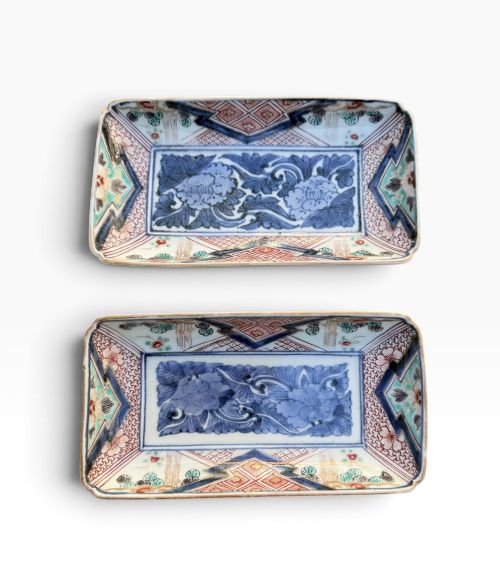
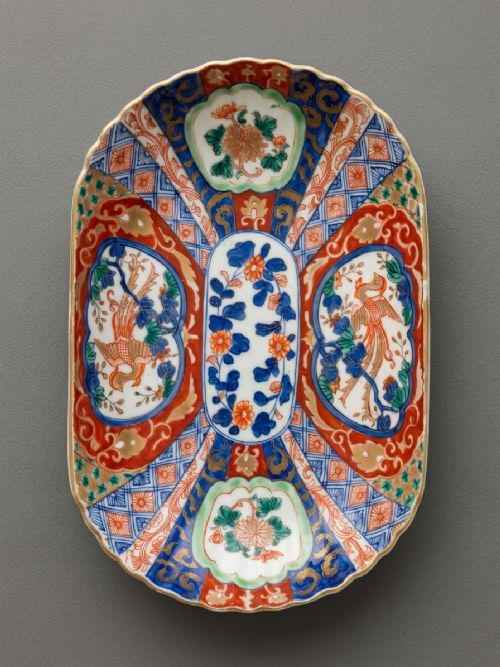
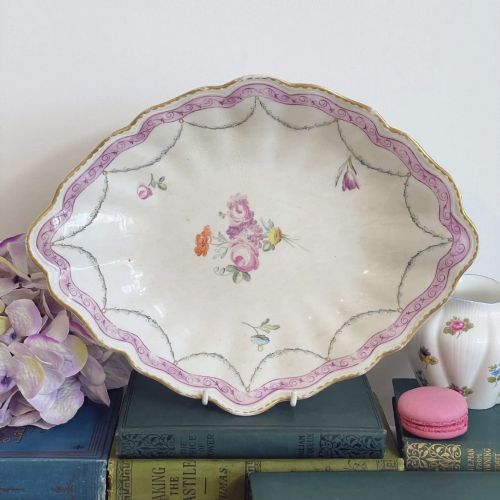
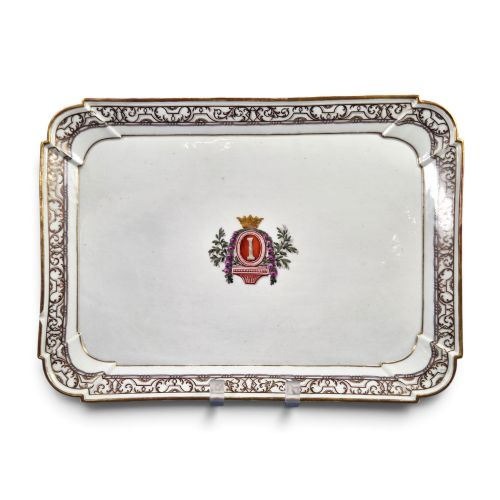
Ceramic Serving Tray
When you handle a ceramic serving tray, you hold centuries of refined porcelain and pottery shaped for the table.
Ceramic Serving Tray
A ceramic serving tray encompasses platters, dishes, and platters and serving dishes designed for presentation and table service across the eighteenth, nineteenth, and early twentieth centuries.
The pieces you encounter most often span Georgian, Victorian, and Regency periods, originating from English factories, continental European kilns, and Asian export workshops.
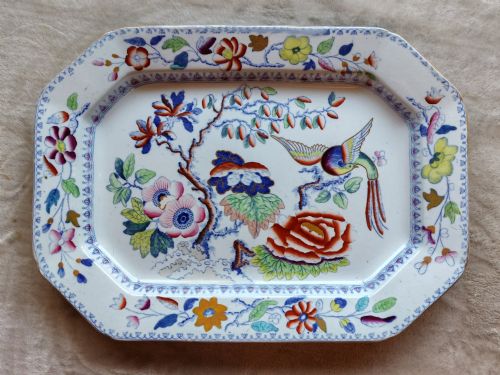
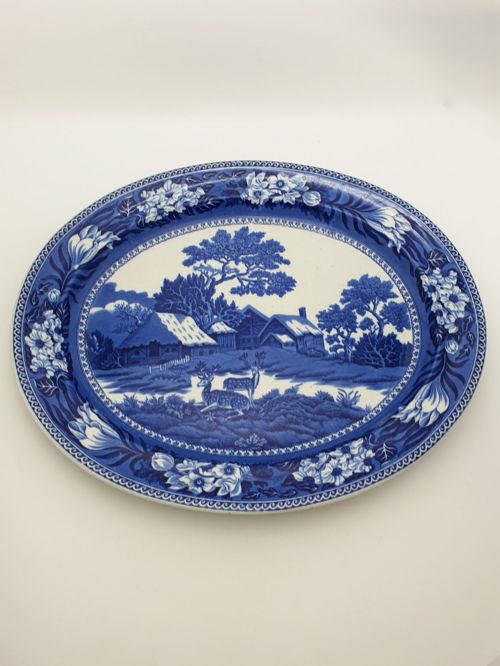
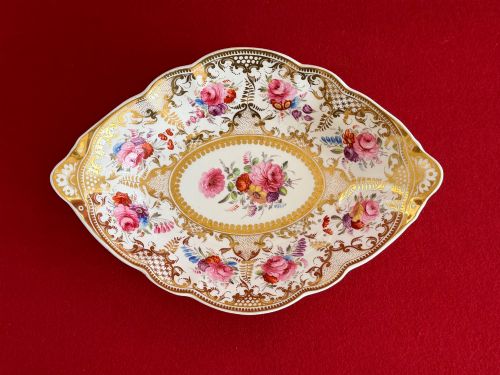
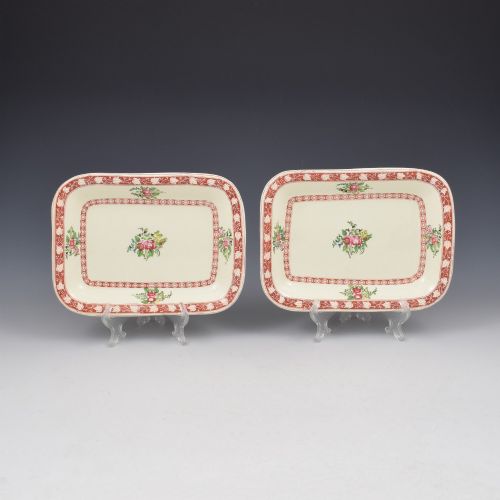
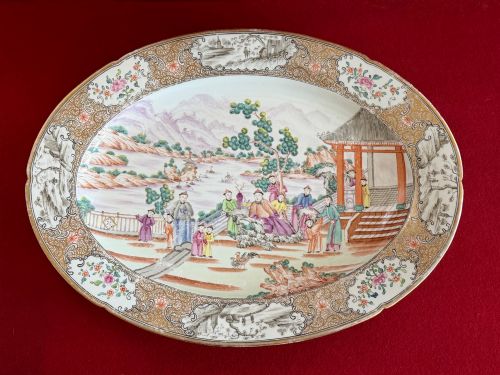
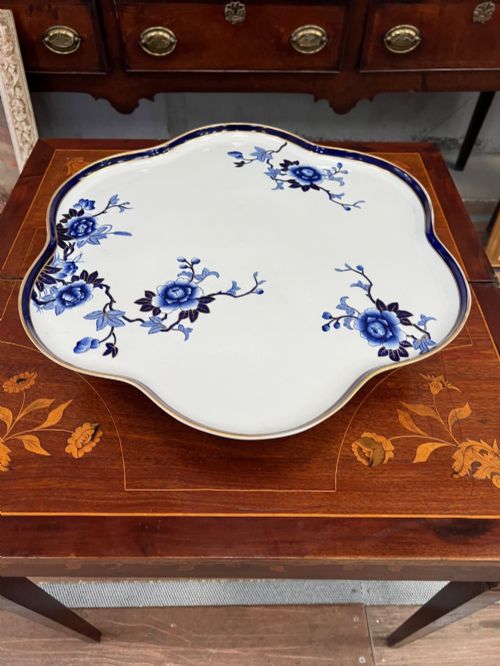
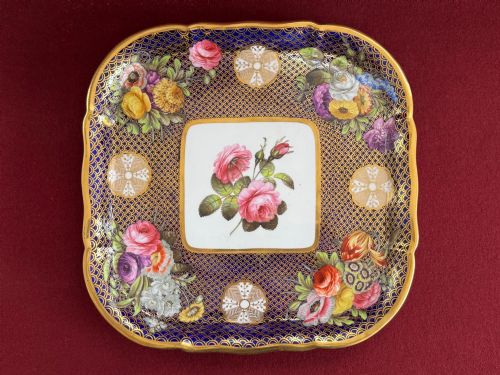
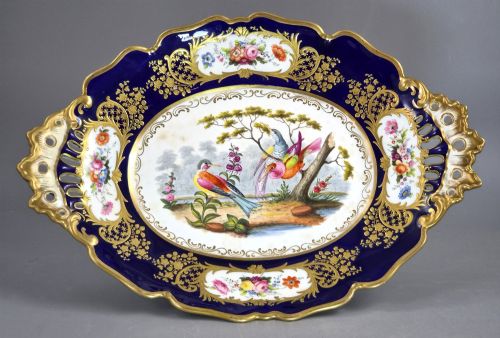
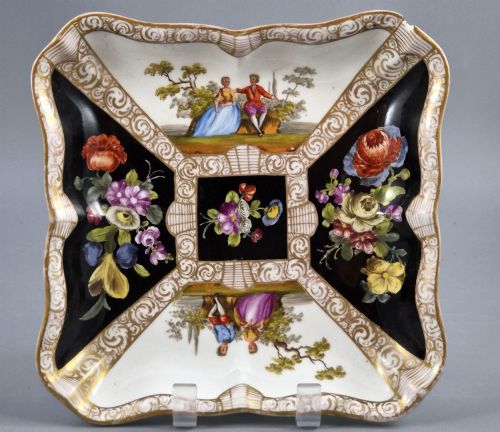
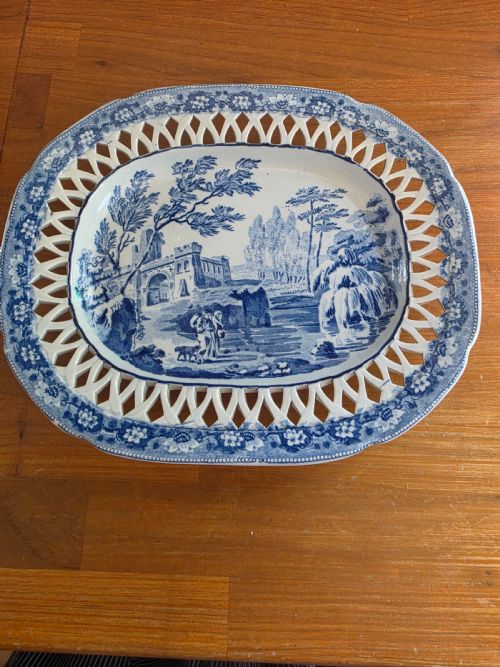
Forms range from simple blue and white transfer-printed meat platters to intricate hand-painted porcelain dishes with pierced borders or gilt highlights.
Materials and production methods
Makers utilised fine porcelain, earthenware, and pottery bodies, applying cobalt blue underglaze transfer printing or detailed hand-painted polychrome enamel designs.
Surface decoration frequently incorporated gold leaf, gilding, and clear glaze, often fired multiple times to fix intricate floral or figural scenes onto the ceramic body.
Ceramic Serving Tray Retail Price Guide 2026
Typical asking prices for ceramic serving tray among the pieces listed under this phrase on Sellingantiques today, from the lower quarter to the upper quarter. They describe what is for sale here now, not the wider market.
The listings show pieces spanning the eighteenth, nineteenth, and early twentieth centuries in porcelain, earthenware, and enamel.
Judging execution and design
Quality rests in the crispness of the transfer print or the precision of the hand-painted brushwork, distinguishing standard utility items from elite cabinet porcelain.
The handling of the paste, the evenness of the glaze, and the sophistication of moulded or pierced rims separate workshop output.
Royal Crown Derby·Coalport·Meissen·Davenport·Royal Doulton·Copeland and Garrett·Chamberlain Worcester·Spode·Samson Paris·Ridgway
The Ceramic Serving Tray Glossary
- Transfer printing
- A decoration technique where an engraved copper plate transfers a design onto tissue paper, which is then stamped onto the ceramic body before glazing.
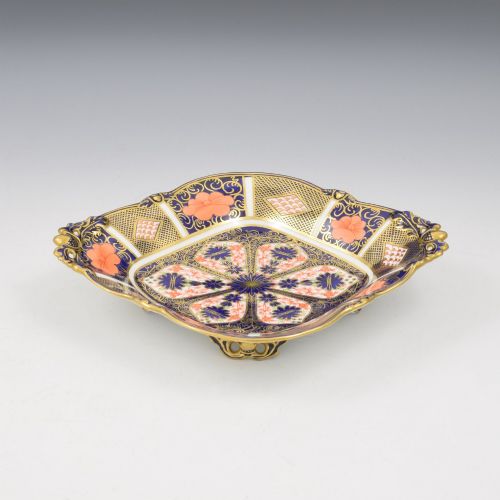
- Imari
- A style of Japanese and European porcelain decoration characterised by a palette of underglaze blue, iron red, and abundant gilt detailing.
- Earthenware
- A porous, opaque ceramic fired at lower temperatures than porcelain, requiring a vitreous glaze to hold liquids.
- Pierced border
- An openwork pattern cut into the rim of a dish or tray before firing, often seen on dessert and service pieces.
- Chinoiserie
- European artistic interpretations of Chinese and East Asian motifs, popular on eighteenth and nineteenth-century ceramics.
Ceramic Serving Tray: Frequently Asked Questions
How were these trays used?
These pieces served practical functions at dining tables, carrying meats, bread, fish, or dessert courses to guests.
Finer examples also functioned as decorative cabinet dishes or centrepieces when not in active table service.
Are antique trays safe for food?
Most antique ceramic serving trays are better suited for display, dry presentation, or light contemporary use.
Historic glazes and soft earthenware bodies can absorb moisture or show wear from modern dishwashing.
How do I identify a Georgian platter?
Georgian platters often feature characteristic blue and white transfer prints, heavy ironstone or earthenware bodies, and traditional landscape or chinoiserie motifs.
Maker marks, impressed numerals, and characteristic shape profiles help narrow down the production decade.
What is the difference between porcelain and pottery?
Porcelain is dense, vitreous, and often translucent when held to the light, fired at extremely high temperatures.
Pottery and earthenware are more opaque, coarser in grain, and require a complete glaze seal to remain functional.