




1920s Drinks Tray
These 1920s drinks tray examples deliver the polished hospitality and geometric lines that collectors prize for modern entertaining.
1920s Drinks Tray
A 1920s drinks tray brings together serving trays, tea trolleys, and cocktail trays created during the 1920 period. Buyers searching this phrase meet silver plated metalware alongside oak and walnut furniture pieces.
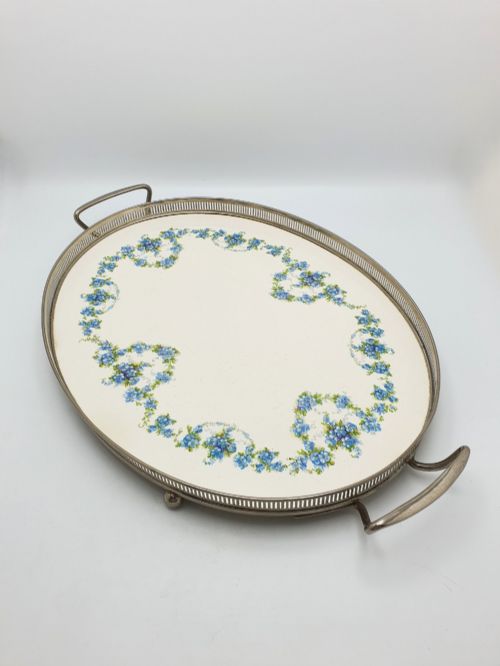
The selection ranges from round and oval serving trays with floral centres to diamond shaped cocktail designs and tea trolleys with removable lift off trays. Most examples lean towards Art Deco styles alongside occasional Jacobean Revival and Continental Decorative forms.
How they were made
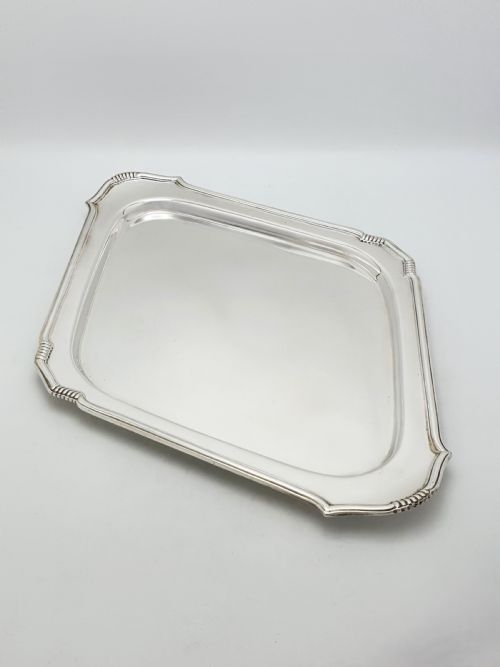
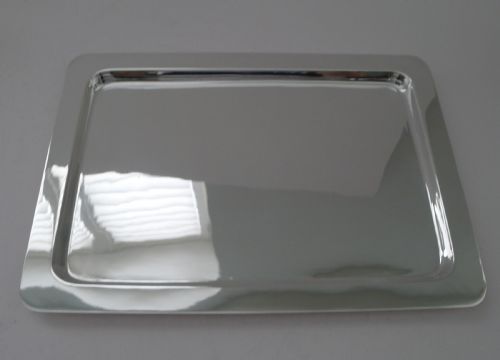
Silversmiths utilised silver plate and EPNS over base metal cores, shaping cocktail trays with shell borders or geometric diamond layouts. Makers integrated materials such as cobalt blue mirror glass, ceramic, and porcelain inserts into metal frames.
Woodworkers constructed tea trolleys and drinks cabinets using oak, walnut, and plywood, often incorporating removable wooden trays with wheels for mobility.
Listings feature silver plate, oak, walnut, and cobalt blue mirror glass across serving trays, cocktail trays, and tea trolleys.
What varies in quality
Quality separates through the crispness of decorative borders like shell patterns and the integrity of silver plating over the base metal. Heavy gauge metal and well-fitted glass inserts distinguish finer service pieces from standard production.
In wooden trolleys, the smoothness of the removable tray fit and the solid construction of the wheeled frame dictate the standard of the piece.
Elkington·Walker & Hall·John Collyer & Co.·Roberts & Belk·Atkin Brothers
The 1920s Drinks Tray Glossary
- EPNS
- Electroplated Nickel Silver. This designates a base metal core coated with a layer of silver.
- Art Deco
- A design style from the interwar period. It emphasises geometric shapes, stylised motifs, and sleek lines.
- Demistasse
- A small cup used for serving strong black coffee or liqueurs. It often appears as part of a matching service set.
1920s Drinks Tray: Frequently Asked Questions
What is a 1920s drinks tray?
A 1920s drinks tray is a serving piece or trolley designed for cocktails, tea, and liqueurs during the 1920 period. These items include silver plated metal trays and wooden tea trolleys with removable tops.
Collectors look for these items to display glassware and bottles in period-appropriate settings. They reflect the entertaining habits of the era through distinct Art Deco and traditional revival designs.
How do I clean a silver plated tray?
Silver plated items require gentle cleaning with a soft cloth and a specialised silver polish to protect the plated surface. Avoid abrasive cleaners that can wear away the thin silver layer over the base metal.
Regular dusting and careful handling keep the mirror finish bright. Store the tray in a dry environment to prevent tarnishing on the metal and glass components.
Are tea trolleys and drinks trays from the same period?
Tea trolleys and drinks trays share the 1920 period and serve similar hosting functions. Many trolleys feature a lift off wooden tray that functions independently as a serving surface.
Both forms utilise materials typical of the decade, combining wooden frameworks like oak with metal and glass details. They represent different scales of home hospitality from the same years.
What materials were used in 1920s trays?
Makers utilised silver plate, EPNS, and base metals alongside oak, walnut, and plywood. Insets of cobalt blue mirror glass, ceramic, and porcelain frequently appeared in metal frames.
These material combinations provided durability for serving drinks while offering decorative appeal. The contrast between polished metal and dark wood defines the look of the decade.
How can I tell Art Deco trays apart?
Art Deco trays display geometric shapes such as diamond silhouettes and clean lines rather than heavy floral ornamentation. They often incorporate polished silver plate with stark contrasting glass or mirror panels.
Continental and revival pieces tend to feature more ornate borders or traditional woodwork like Jacobean oak. Examining the edge decoration and overall geometry clarifies the design style.