



Georgian Earthenware Platter
A georgian earthenware platter brings the bold transfer-printed scenes and tin-glazed brushwork of the eighteenth and nineteenth centuries straight to the dining table.
Georgian Earthenware Platter
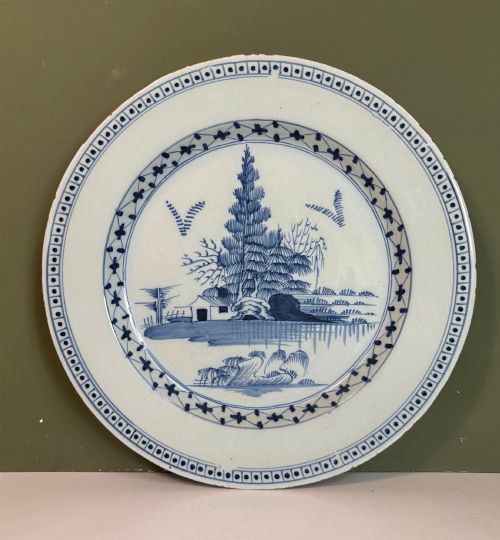
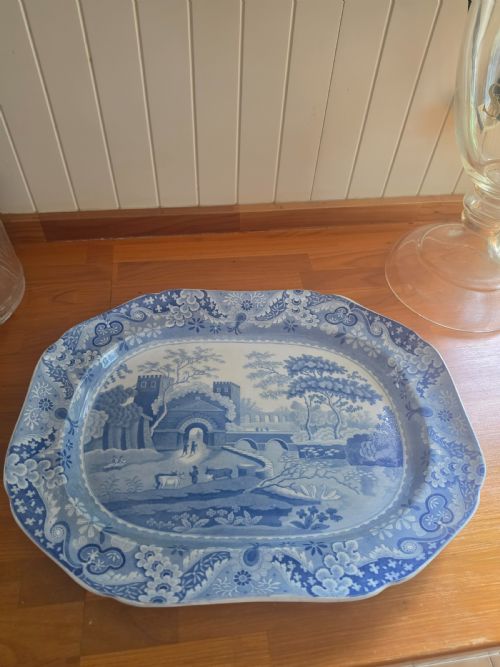
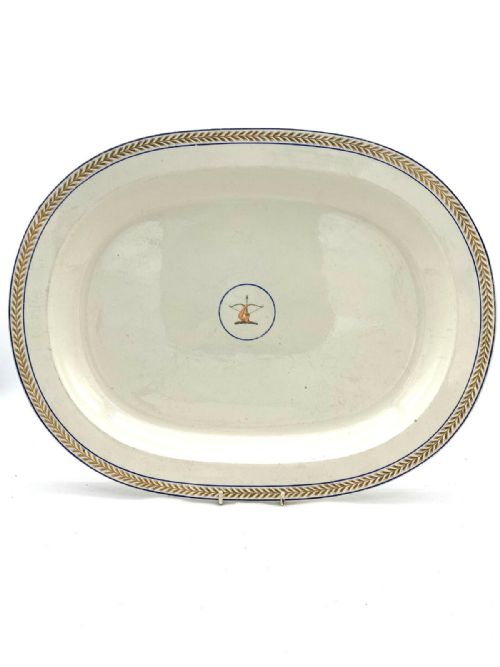
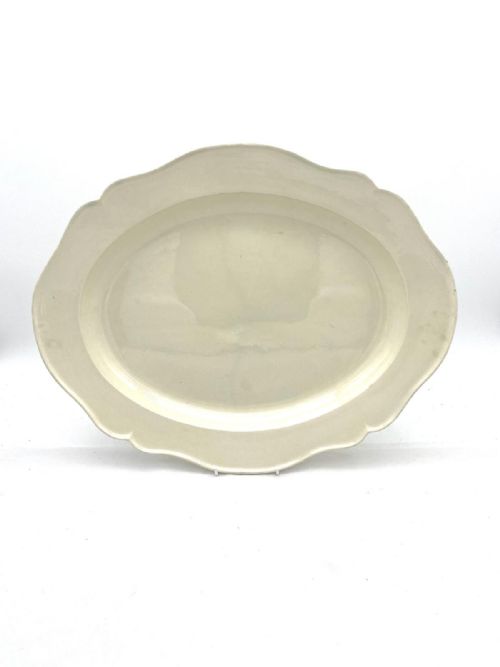
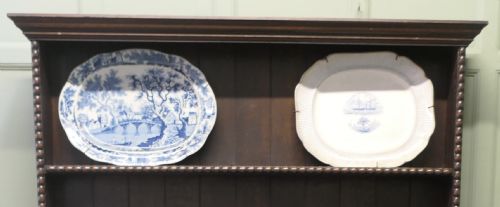
When you search for a georgian earthenware platter, you encounter large serving dishes, chargers, and meat plates designed for grand dining tables of the eighteenth and nineteenth centuries. The pieces on this page span from mid-eighteenth-century tin-glazed chargers to transfer-printed pearlware and creamware dishes from the Regency period.
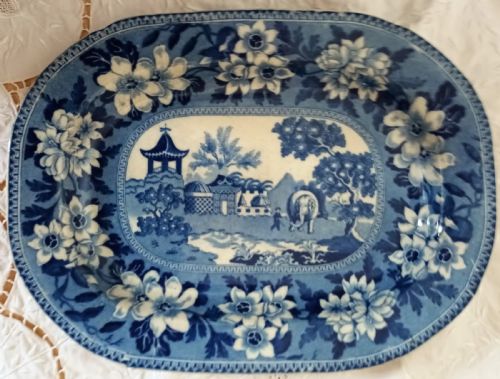
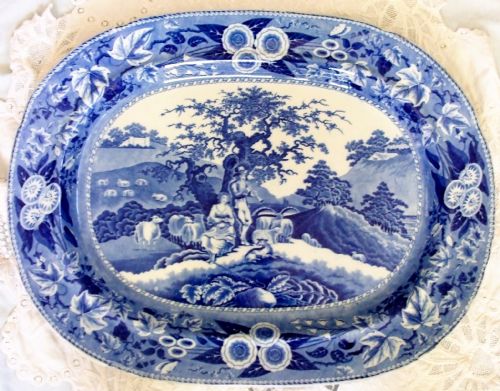
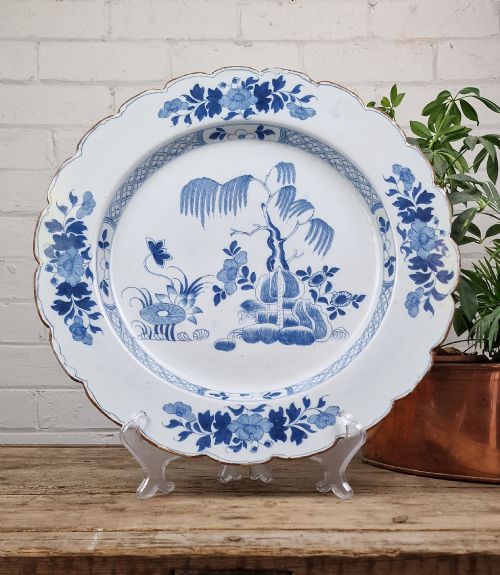
The most common forms you will meet here are blue and white transfer-printed serving platters and circular delftware chargers, often featuring pastoral landscapes, chinoiserie scenes, or armorial crests. These items range from simple country pottery to elaborate earthenware services made by prominent English factories.
Makers and regional potteries from Staffordshire, Yorkshire, and London feature heavily across these listings, alongside unmarked pieces created for domestic use. Collectors find both deep meat dishes fitted with drainers and flat decorative chargers intended for display.
How they were made
Potters shaped these vessels using local clays and fine creamware or pearlware bodies, which were then fired in kilns before receiving a decorative surface. Tin glaze provided an opaque white background for hand-painted polychrome or blue pigments on earlier delftware pieces.
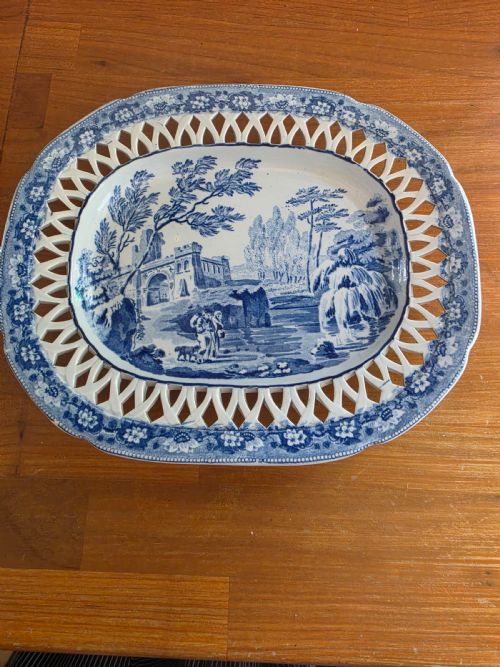
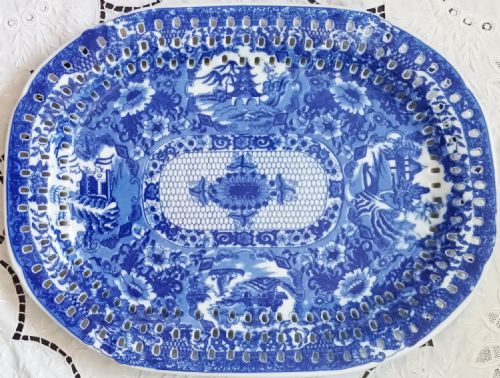
Transfer printing revolutionized production around the turn of the nineteenth century, allowing crisp copperplate engravings to be transferred onto the earthenware surface before a final transparent glaze locking in the cobalt pigment. Pierced rims and moulded details such as silver shapes required skilled hand-finishing by the potter before glazing.
Listings feature earthenware platters spanning the eighteenth and nineteenth centuries, utilising pearlware, creamware, and tin-glazed surfaces decorated with cobalt pigment.
What varies in quality
The distinction between ordinary utility wares and superior pieces lies in the clarity of the transfer print, the depth of the cobalt blue, and the crispness of the moulded border. Finer platters exhibit rich, even pigment without blurring, and maintain a balanced, warp-free shape despite high kiln temperatures.
Artistic execution on hand-painted delftware chargers separates standard workshop output from exceptional examples, judged by brushwork confidence and the complexity of the pigment palette. Additionally, the presence of factory marks, specialised forms like meat drainers, and distinct narrative patterns elevate the status of an earthenware platter.
John Rogers And Son·Thomas Lakin·Brameld And Co·Don Pottery
The Georgian Earthenware Platter Glossary
- Creamware
- A refined earthenware with a pale yellowish-cream body developed in Staffordshire during the eighteenth century. Josiah Wedgwood perfected this light and durable ceramic, which became the dominant table ware of the Georgian era.
- Pearlware
- A fine earthenware introduced around 1779 featuring a bluish-tinted glaze that pooled slightly in crevices to mimic Chinese porcelain. It served as the primary canvas for detailed blue and white transfer printing.
- Transfer printing
- A decoration technique where an engraved copperplate transferred a design onto tissue paper, which was then pressed onto the unfired ceramic body. This method allowed intricate topographical and pictorial scenes to be replicated rapidly.
- Charger
- A large decorative plate or shallow dish intended primarily for display on a sideboard or wall rather than for everyday dining. Georgian examples often showcase bold armorials or elaborate pictorial transfers.
Georgian Earthenware Platter: Frequently Asked Questions
What is a meat drainer?
A meat drainer is a perforated ceramic insert designed to sit inside a large serving platter. It allowed meat juices to pool underneath the surface so joints of meat stayed elevated during carving at the table.
These inserts are frequently found accompanying large nineteenth-century earthenware platters. They display matching transfer-printed patterns or pierced draining holes arranged in geometric patterns.
Are these platters safe for food?
While these pieces were originally created for serving food, antique earthenware often develops microscopic cracks in the glaze known as crazing. This crazing can absorb liquids and harbour bacteria over time.
Many collectors prefer to use these platters strictly for dry presentation or display purposes rather than serving hot or wet food. If you do use them for dining, inspect the surface condition carefully beforehand.
How do I date a blue and white platter?
Dating relies on observing the ceramic body, glaze characteristics, and the style of the transfer-printed border. Creamware bodies and tin-glazed delft point towards the eighteenth century, while pearlware and sharper cobalt prints usually indicate the Regency period.
Maker's marks stamped into the base or impressed names provide definitive clues when present. Stylistic clues like chinoiserie motifs or classical architectural ruins also help narrow down the decade of manufacture.