
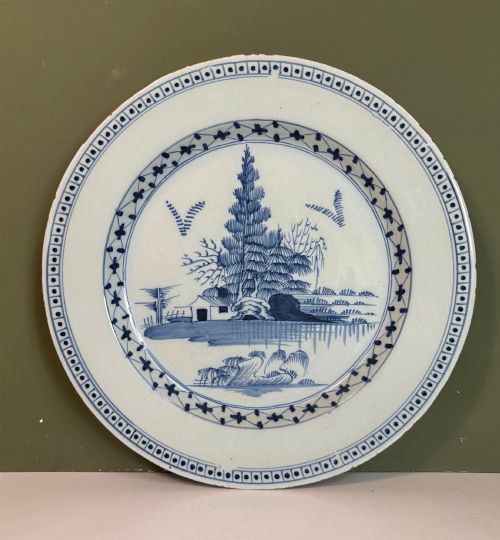

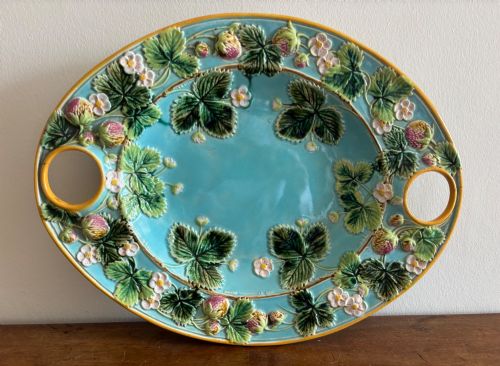
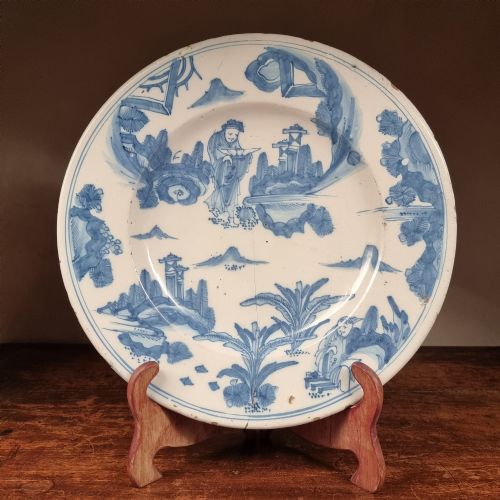
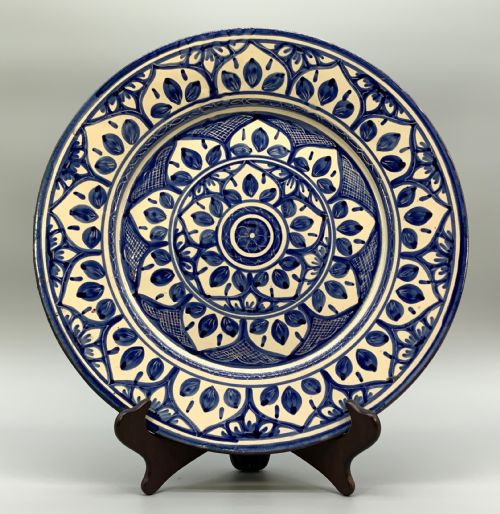


Blue Glazed Earthenware Platter
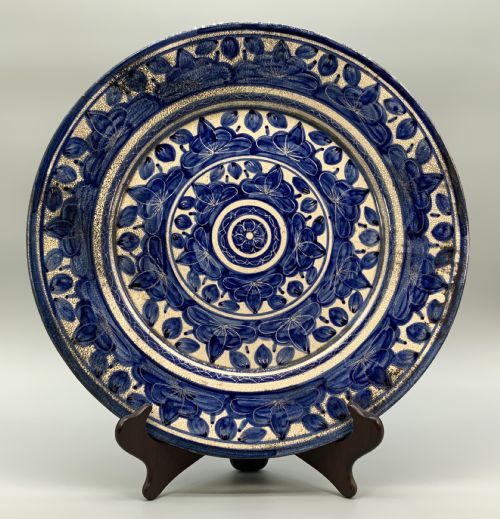
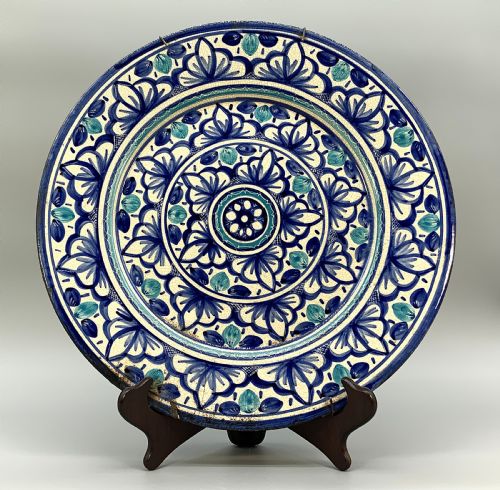
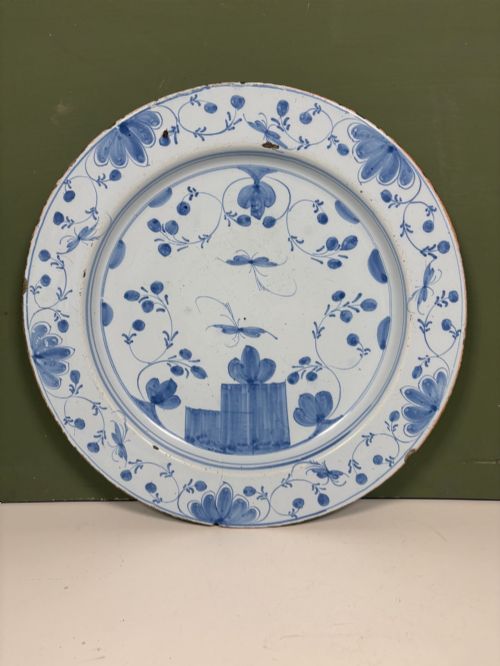
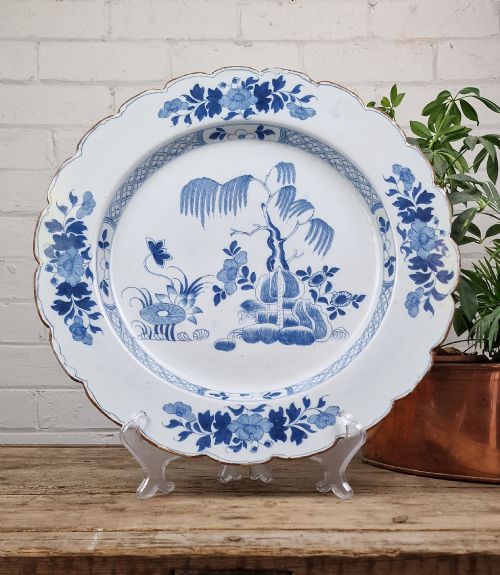
A blue glazed earthenware platter brings substance to a table, combining durable ceramic bodies with cobalt pigment applied beneath or over the glaze.
Blue Glazed Earthenware Platter
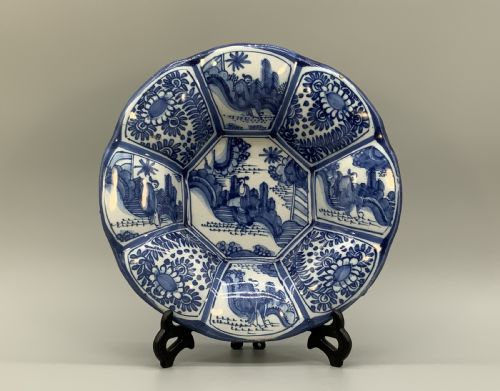
A blue glazed earthenware platter encompasses large chargers, serving dishes, meat plates, and decorative plates spanning from the seventeenth century through the Victorian era. The selection draws heavily upon English, Dutch, and continental output, featuring considerable chargers alongside transfer-printed serving pieces.
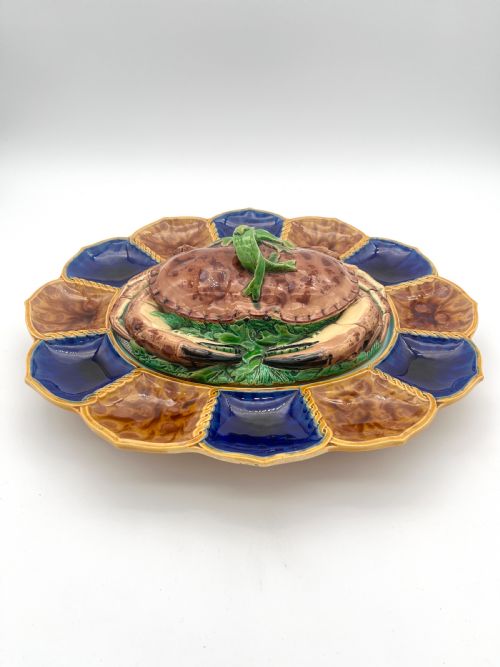
Buyers encounter substantial tin-glazed earthenware dishes alongside nineteenth-century transfer-printed meat platters and majolica forms. Production methods range from early delftware workshops in English and Dutch centres to later Staffordshire factories.
Materials and technique
Potters shaped local clays into earthenware bodies before applying opaque tin glazes or clear lead glazes over cobalt oxide decoration. Pigments were brushed directly onto the raw glaze or fired beneath, creating deep blue tones upon ceramic surfaces.
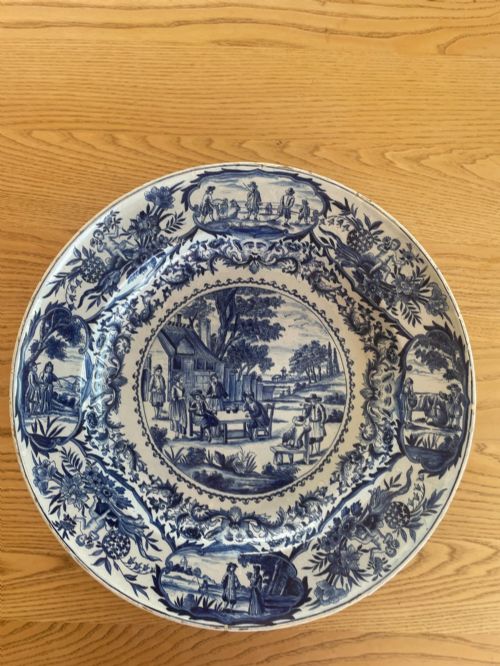
Moulding and wheel-throwing formed the base platters, while transfer printing emerged later in the nineteenth century to apply intricate scenes onto earthenware meat plates and serving dishes.
Materials recorded across the inventory include earthenware, tin glaze, and cobalt pigment.
Judging execution
Quality rests in the crispness of the cobalt painting, the stability of the tin glaze, and the proportion of the ceramic form. Early delft chargers display freehand brushwork with notable depth in the blue pigment.
Later transfer-printed platters rely on the clarity of the print and the uniformity of the earthenware body. Subtle variations in glaze pooling and kiln marks distinguish individual ceramic hands from mass output.
George Jones·Minton·Spode
The Blue Glazed Earthenware Platter Glossary
- Tin-Glazed Earthenware
- Pottery coated with a white, opaque glaze containing tin oxide, providing a smooth ground for cobalt painting. This technique defines traditional delftware and faience production.
- Charger
- A large decorative plate or serving dish intended for display on a wall or dresser or for serving food at large feasts. These oversized earthenware pieces dominate early ceramic listings.
- Transfer Printing
- A method of applying engraved decorative patterns onto pottery via tissue paper from a copper plate. This technique allowed intricate topographical and historical scenes to cover large meat platters.
- Cobalt Pigment
- A metallic oxide used under or within glazes to produce intense blue decoration on ceramic bodies. It withstands high firing temperatures without losing colour.
- Maiolica
- Italian tin-glazed earthenware decorated with colourful pigments, often featuring historical or mythological scenes. The term links closely with continental earthenware traditions.
Blue Glazed Earthenware Platter: Frequently Asked Questions
How do I date a delft charger?
Dating relies upon examining the glaze characteristics, foot rim construction, and tin content of the earthenware body. Earlier pieces often display thicker tin glazes with characteristic fritting at the edges.
Changes in palette depth and painting style also help distinguish seventeenth-century production from eighteenth-century English and Dutch output.
Were these platters used for dining?
Large chargers and platters served functional roles on formal dining tables before transitioning primarily to decorative wall display. Meat platters accommodated joint roasts and large portions during Georgian and Victorian meals.
Sauce tureens and serving dishes completed large table services alongside these central earthenware platters.
What is the difference between delft and majolica?
Delft generally refers to tin-glazed earthenware originating from Dutch and English potteries, traditionally focused on blue and white or polychrome motifs. Majolica encompasses tin-glazed or lead-glazed earthenware associated with Italian and later Victorian ornamental wares.
Both utilise earthenware bodies and glaze techniques, but their decorative styles and regional origins diverge.
Can I hang an antique charger on the wall?
Many large chargers feature pre-drilled foot rims designed specifically for wire suspension and wall display in historic interiors. Care must be taken to use padded fixings that support the weight of the earthenware body safely.
Displaying them away from direct sunlight preserves the stability of the tin glaze and cobalt pigment over time.