

Cobalt Blue Stoneware
Cobalt blue stoneware brings together dense, salt-glazed pottery and deep mineral pigments that collectors prize for their striking contrast.
Cobalt Blue Stoneware
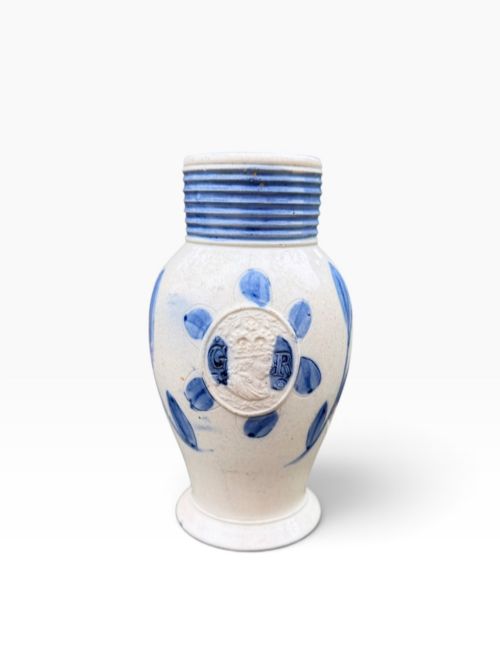
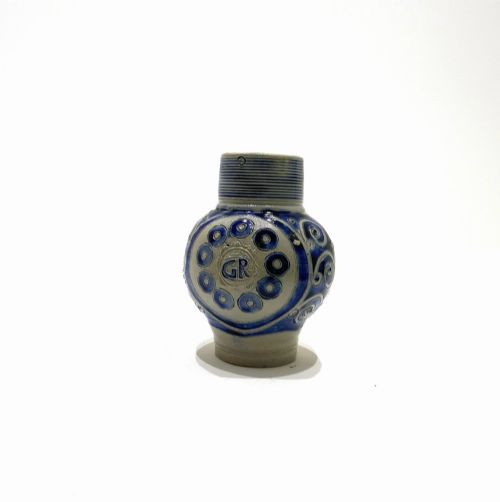
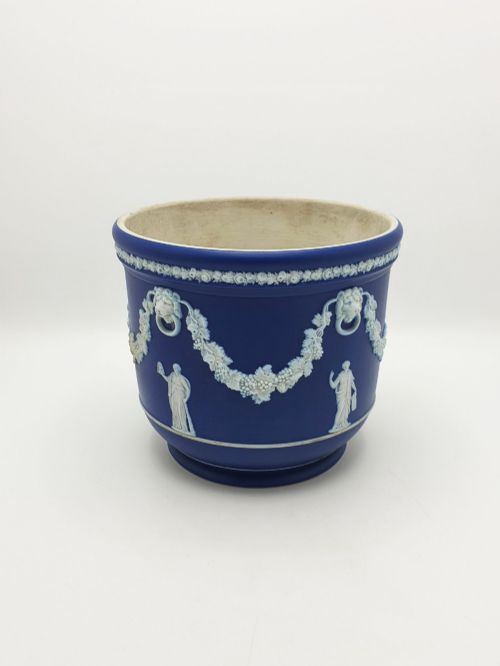
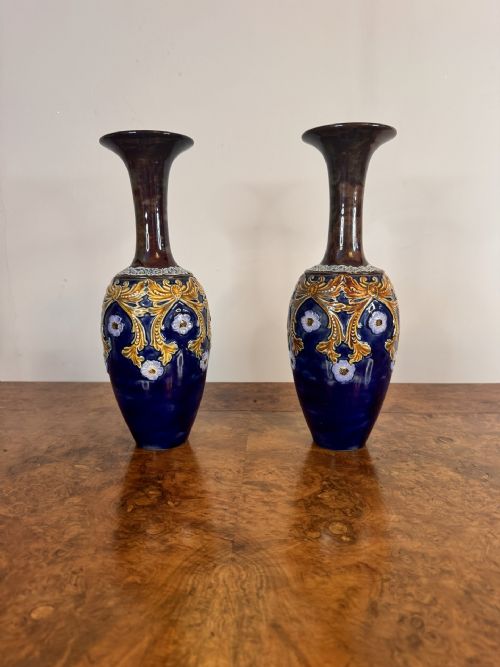
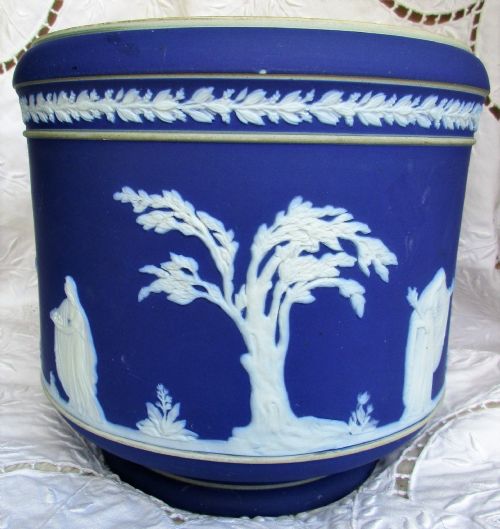
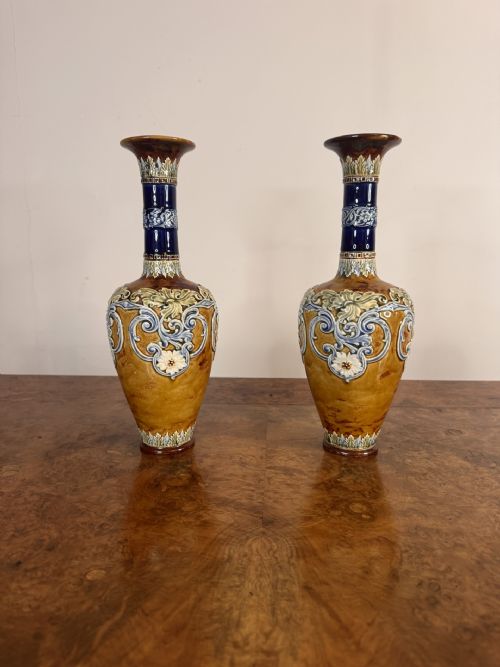
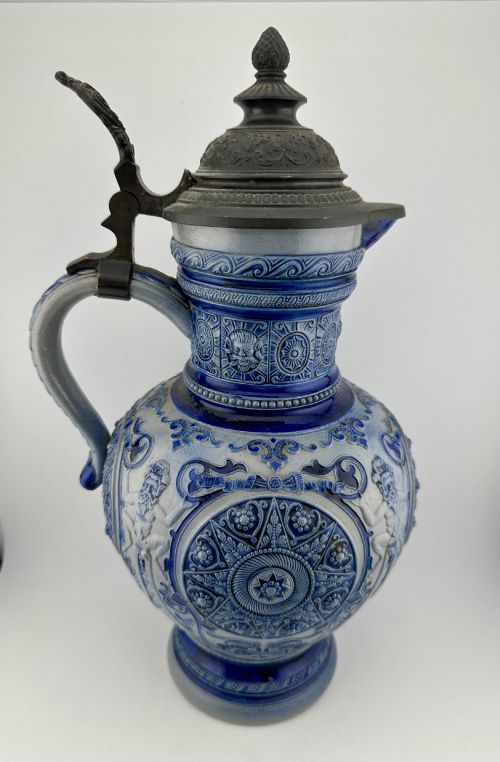
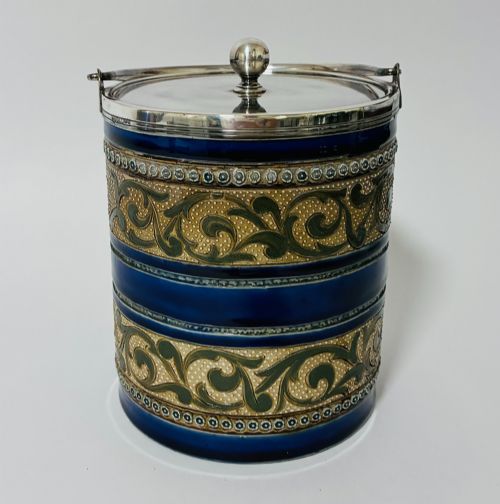
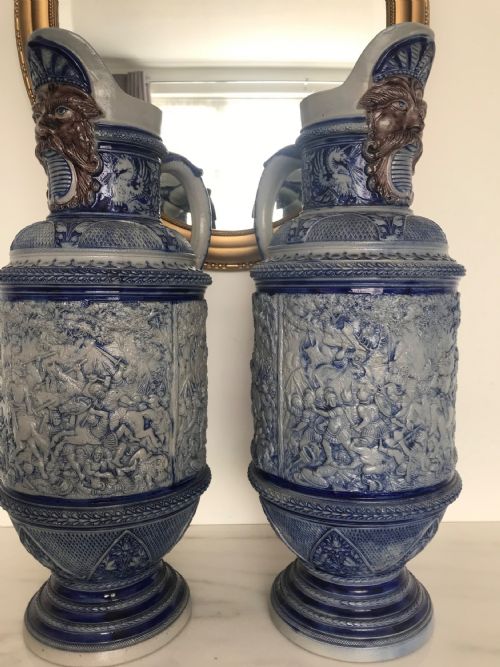
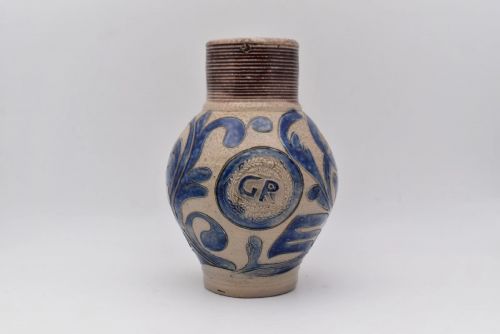
Cobalt blue stoneware encompasses heavy utilitarian vessels, decorative vases, and tableware produced across the nineteenth and eighteenth centuries. These pieces range from German salt-glazed jugs bearing royal ciphers and battle scenes to Victorian English jardinieres and biscuit barrels.
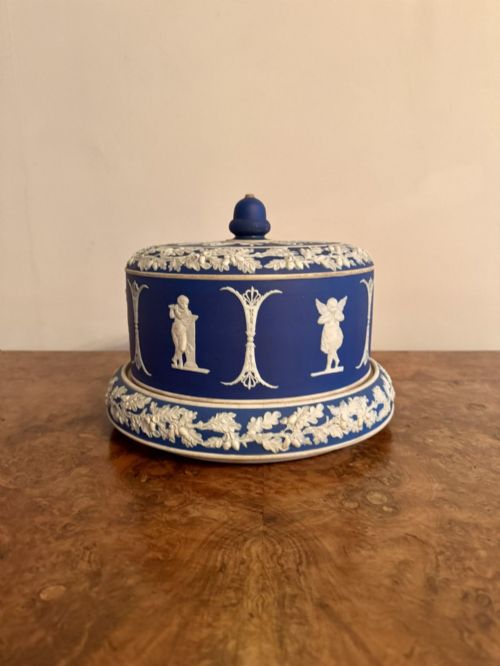
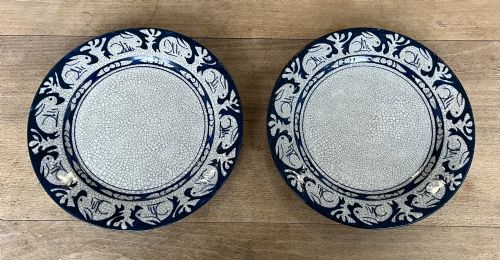
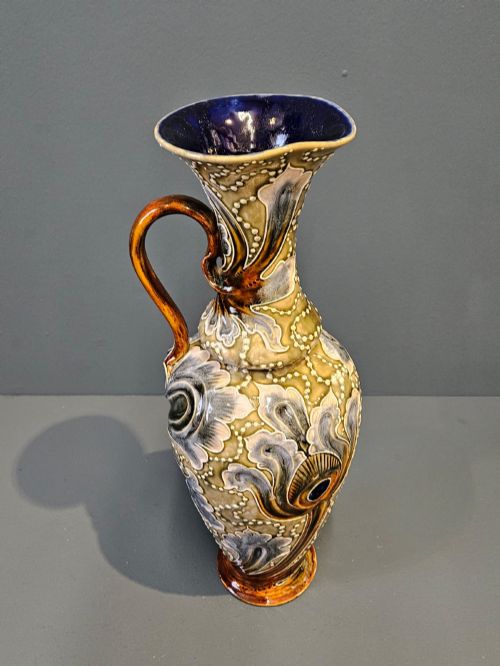
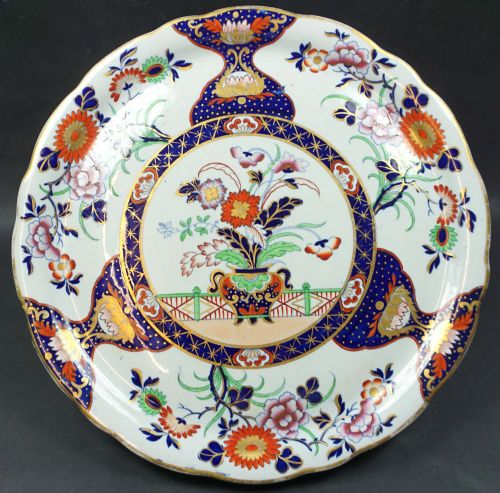
Buyers frequently encounter nineteenth-century productions by Doulton Lambeth and Wedgwood alongside earlier Westerwald tankards and wine jugs. Forms span from ewers and tobacco jars to plates and cheese dishes, reflecting centuries of ceramic utility.
Origins stretch from German kilns of the seventeen hundreds to later English potteries influenced by neoclassical and arts and crafts movements. Each piece showcases the durable nature of fired ceramic combined with vivid cobalt decoration.
Materials and Techniques
Potters utilised dense clay bodies fired at high temperatures until vitrified, creating a durable ceramic material impervious to liquids. Salt glazing introduced during firing produced characteristic dimpled surfaces on German wares.
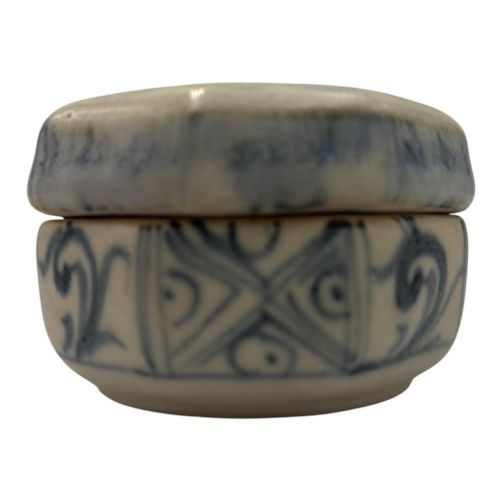
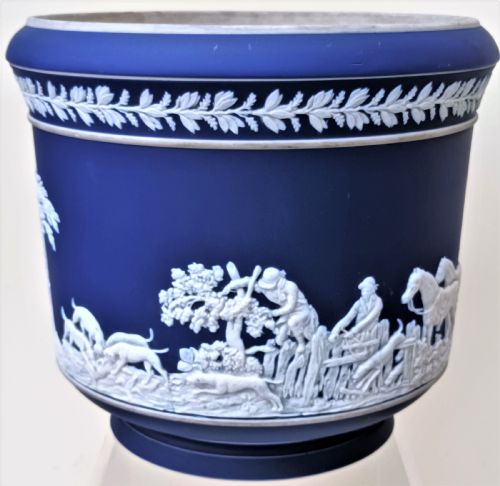
Decoration relied on cobalt oxide pigments applied under glaze to achieve deep blue coloration that endured intense kiln heat. Many English pieces incorporated applied white classical reliefs moulded separately and affixed before firing.
Metal mounts in silver plate and pewter frequently finished rims and lids on jugs, tankards, and biscuit barrels, combining ceramic bodies with functional metalwork.
Cobalt Blue Stoneware Retail Price Guide 2026
Typical asking prices for cobalt blue stoneware among the pieces listed under this phrase on Sellingantiques today, from the lower quarter to the upper quarter. They describe what is for sale here now, not the wider market.
Several tobacco jars found new life when converted into electric lamps, trading smoke for illumination.
Quality Variations
The clarity and depth of the cobalt pigment dictate visual success, with richer applications yielding sharper contrast against the grey or white ground. Crisp definition in moulded reliefs and applied figures separates superior decorative output from softer castings.
Artisanal execution by named artists, particularly within Victorian art pottery workshops, distinguishes standard production items from master-class studio pieces. The integration of metal mounts, such as intact pewter lids or silver-plated hardware, preserves the original integrity of the object.
Doulton Lambeth·Wedgwood·William Adams and Sons·Simon Peter Gerz·Hicks and Meigh·John Ridgway·Copeland Spode
The Cobalt Blue Stoneware Glossary
- Salt Glaze
- A vitreous coating formed by throwing common salt into the kiln during high-temperature firing, creating a texture akin to orange peel.
- Jasperware
- A fine-grained, unglazed stoneware developed by Wedgwood, typically featuring white relief ornamentation against a coloured clay ground.
- Westerwald
- A German ceramic region renowned for salt-glazed stoneware production, particularly grey jugs decorated with cobalt blue incisions.
- Jardiniere
- A large ornamental pot or stand designed to hold growing plants or flowers within domestic interiors.
- Ewer
- A large jug with a wide spout and flared base, traditionally used for holding water.
Cobalt Blue Stoneware: Frequently Asked Questions
How were these vessels used?
Historical uses varied widely according to form, encompassing liquid storage for wine and water, table service for cheese and tea, and botanical display in jardinieres. Many containers served utilitarian domestic roles before evolving into decorative parlor items.
Larger tankards and pitchers held drinks at table, while specialised items like biscuit barrels and tobacco jars preserved household provisions in dry storage.
How do I care for antique stoneware?
Antique stoneware requires gentle cleaning with warm water and mild soap, avoiding harsh chemical detergents that might harm historic glazes or metal mounts. Porous unglazed sections need careful drying to prevent moisture retention.
Display pieces benefit from stable environmental conditions away from direct sunlight and sudden temperature shifts to protect both ceramic bodies and applied metal hardware.
How can I identify periods and styles?
Dating relies on stylistic markers such as neoclassical applied reliefs, salt-glazed textures, or specific maker marks stamped into the base clay. Early German pieces often feature incised cobalt ciphers and battle scenes, while Victorian examples show distinct art pottery signatures.
Comparing decorative motifs, handle designs, and glaze types helps place an object within its correct manufacturing era and regional tradition.