


Cobalt Blue Ginger Jar
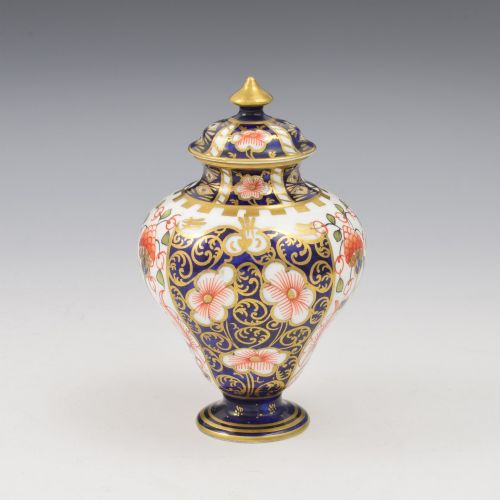
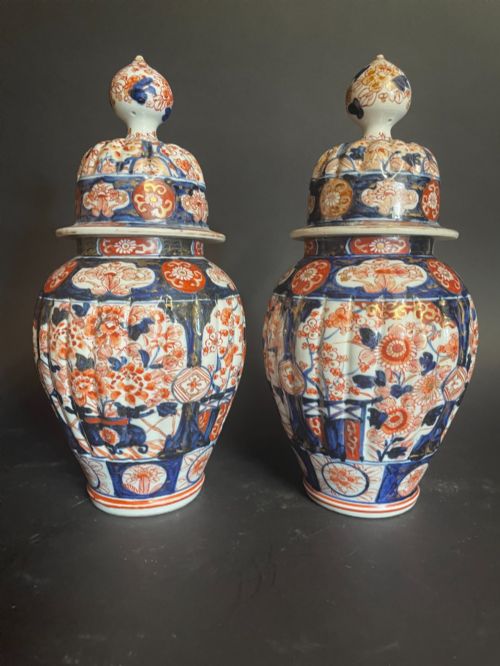
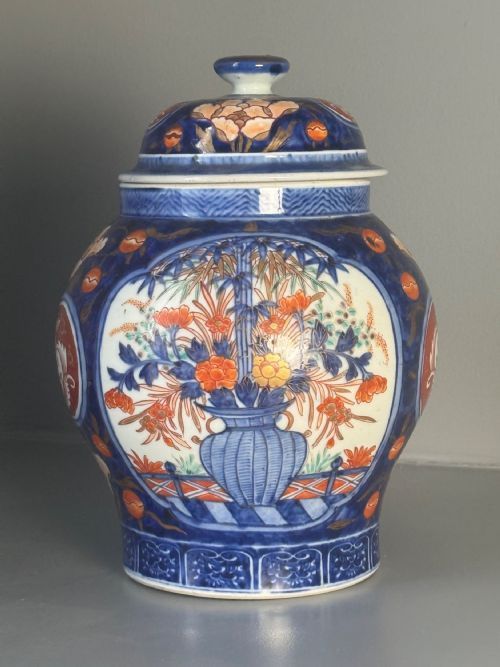
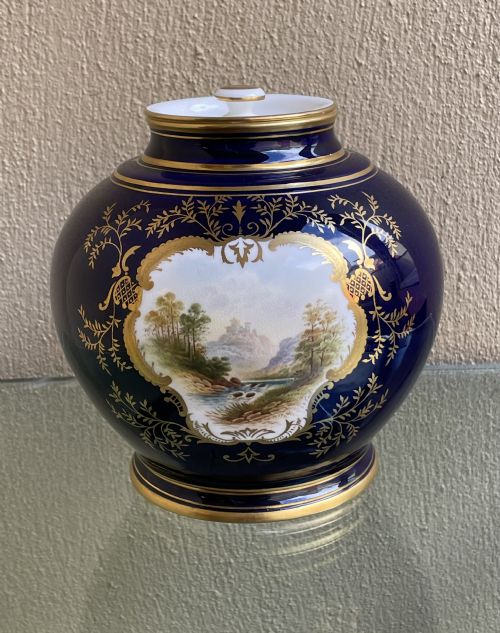
A cobalt blue ginger jar brings rich colour and maritime history into a room through dense hand-painted patterns.
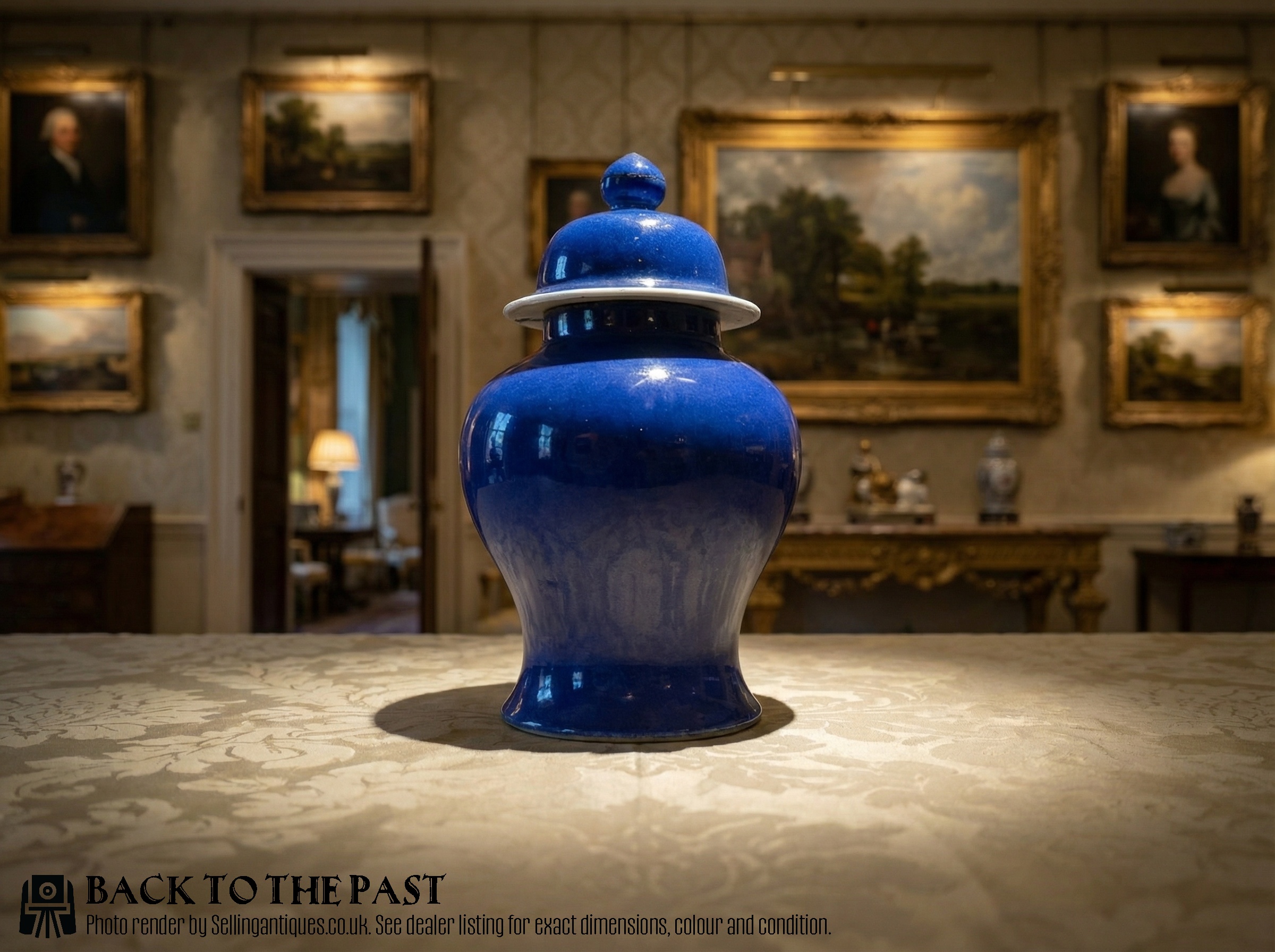
Cobalt Blue Ginger Jar
A cobalt blue ginger jar brings together centuries of export trade and domestic display, originating from long-distance ceramic traditions. When you search for a cobalt blue ginger jar, you meet lidded vessels and covered vases spanning multiple centuries of manufacture.
The pieces on this page lean heavily towards Japanese Imari and Chinese blue and white ceramics from the seventeenth to the nineteenth centuries. Alongside these export wares appear European interpretations from English and continental potteries operating in the Victorian and Edwardian eras.
How they were made
Potters shaped these vessels from ceramic and porcelain bodies before applying cobalt glaze to achieve the characteristic deep blue pigment. Kiln firing fixed the glaze beneath a clear protective coat.
Many examples receive supplementary decoration through gilding, gold leaf, and enamel work applied over the primary glaze. Lids and covers are turned to match the collar of each individual jar.
Listings span from the seventeenth century through the Edwardian period, featuring porcelain, earthenware, and ironstone bodies.
What varies in quality
The refinement of the ceramic body and the depth of the cobalt pigment separate standard domestic ware from exceptional export pieces. Cobalt application ranges from hurried brushwork to intricate, detailed scene painting across the surface.
The crispness of the porcelain paste and the precision in fitting the lidded cover indicate the standard of the workshop. Pieces bearing well-executed hand gilding or enamelling demonstrate higher ambition from the maker.
Royal Crown Derby·Coalport·Wolfsohn Dresden·Samson of Paris·Carlton Ware·Masons Ironstone
The Cobalt Blue Ginger Jar Glossary
- Imari
- A style of Japanese export porcelain characterised by cobalt blue, iron red, and gold decoration. This palette spread widely through European trade routes.
- Arita
- The Japanese town where porcelain production began, home to kilns that supplied many of the jars seen today. Pieces from this area form the backbone of early export collections.
- Baluster
- A vase shape with a rounded body that tapers toward the base, resembling a architectural baluster. This form frequently accommodates lidded jar designs.
- Gilding
- The application of gold leaf or powdered gold onto the ceramic surface to highlight painted details. This technique adds warmth alongside the cold blue glaze.
- Kangxi
- A reign period of the Qing dynasty associated with fine blue and white porcelain production. Jars from this era display exceptional pigment control.
Cobalt Blue Ginger Jar: Frequently Asked Questions
What is a cobalt blue ginger jar?
A cobalt blue ginger jar is a covered ceramic vessel originally designed to transport and store spices. Over time, these lidded containers evolved into purely decorative objects for the home.
Today, collectors value them for their striking cobalt decoration and historical connection to Asian and European trade potteries.
How were cobalt blue ginger jars used?
Historically, merchants utilised these sturdy ceramic containers for shipping ginger, preserves, and other valuable commodities across oceans. The tight-fitting lids kept contents secure during transport.
In domestic settings, they transitioned to mantelpieces and cabinets as ornamental display items, often paired with matching vases.
How do I style a ginger jar?
These jars sit comfortably on side tables, bookshelves, or cabinets where their rich blue glaze catches the light. Displaying them in pairs creates symmetry on a mantelpiece or sideboard.
Keep the surrounding decor simple to allow the intricate hand-painted patterns and gilding to remain the focal point of the room.
How can I tell the age of a jar?
Dating relies on examining the characteristics of the ceramic body, the tone of the cobalt glaze, and any workshop marks on the base. Stylistic details like Imari palettes or floral motifs help narrow down the period of manufacture.
Comparing the potting technique and weight to established examples from specific centuries provides further clues to its origin.