
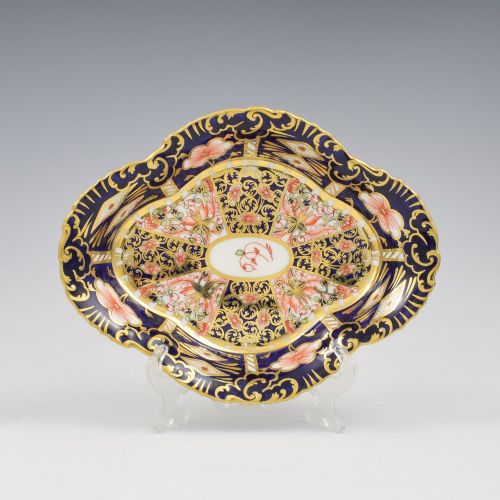
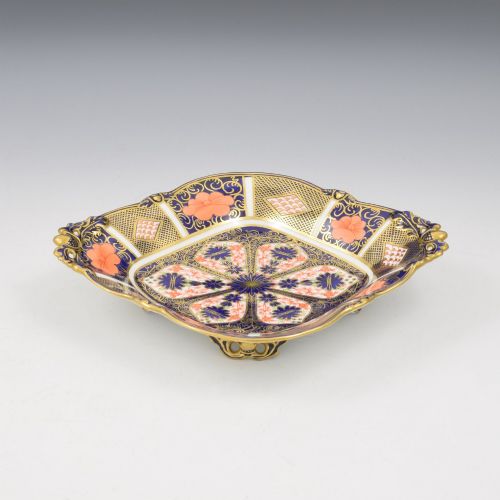
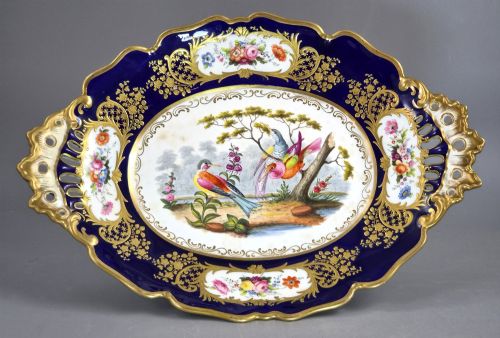
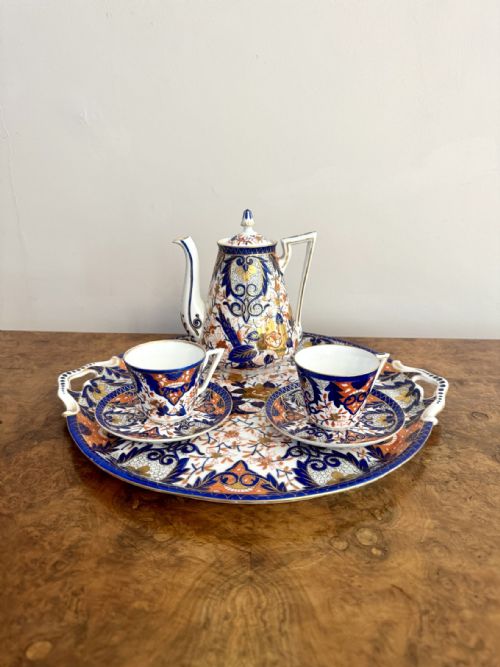


Cobalt Blue Ceramic Tray
A cobalt blue ceramic tray brings rich colour and traditional craftsmanship to a tabletop, offering a practical yet decorative surface.
Cobalt Blue Ceramic Tray
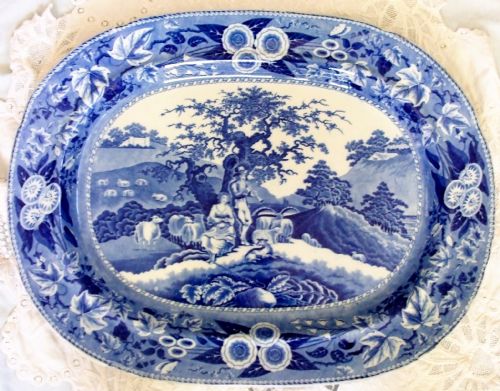
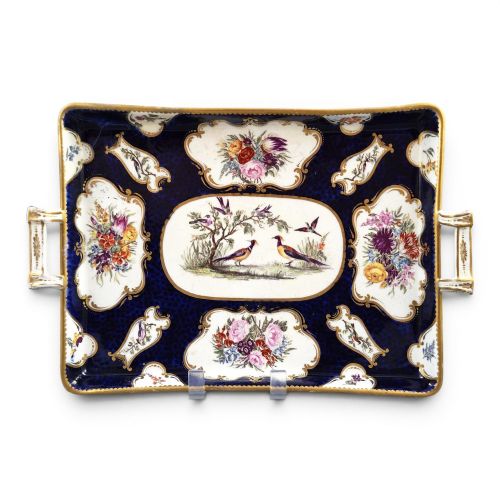
When searching for a cobalt blue ceramic tray, buyers encounter a diverse selection of serving dishes, platters, and decorative dishes spanning the Georgian, Victorian, and Edwardian periods.
The pieces on this page originate from English factories, continental makers, and Japanese kilns, taking forms such as oval platters, fan-shaped plates, and trefoil dishes.
Transfer-printed pottery and hand-painted porcelain represent the core of what is available, reflecting styles from Japanese Imari to Victorian Chinoiserie.
Materials and methods
Potters and ceramists shaped these items from earthenware, bone china, ironstone, and porcelain, applying rich cobalt blue glaze under or over the surface.
Decoration often relied on blue and white transfer printing, supplemented by hand-painted details, gilding with gold leaf, and elaborate moulding.
Listings feature porcelain, earthenware, and bone china pieces decorated with cobalt blue glaze, transfer printing, and gold leaf.
Judging quality
Quality in these items rests upon the crispness of the transfer print or the precision of the hand-painted brushwork, alongside the refinement of the ceramic body itself.
The sophistication of the modelling, the integration of gilding, and the depth of the cobalt glaze separate standard utility wares from exceptional decorative pieces.
Royal Crown Derby·Coalport·Thomas Lakin·Spode·Ridgway·Minton·Royal Worcester·Helena Wolfsohn·John Rogers and Son·Mason
The Cobalt Blue Ceramic Tray Glossary
- Transfer print
- A decorative technique where an engraved copper plate transfers a design onto paper and then onto the ceramic body before glazing.
- Imari
- A style of ceramic decoration originating in Japan, characterised by cobalt blue, iron red, and gold, which heavily influenced European makers.
- Ironstone
- A durable type of earthenware patented in the nineteenth century, designed to resist chipping while mimicking porcelain.
- Ashet
- A Scottish term for a large serving platter or meat dish, frequently found in nineteenth-century pottery listings.
- Chinoiserie
- European decorative style reflecting Chinese artistic motifs, popular in porcelain and pottery design during the Georgian and Victorian eras.
Cobalt Blue Ceramic Tray: Frequently Asked Questions
What is a cobalt blue ceramic tray used for?
These pieces function as serving platters, meat dishes, and decorative display items for the home.
Historically, larger platters served joints of meat at the table, while smaller trays held coffee sets, inkstands, or sweetmeats.
How do I care for antique ceramic trays?
Gentle hand washing in warm water preserves the delicate glaze, hand-painted details, and gold leaf.
Avoid abrasive cleaners and modern dishwashers to protect the historical surface of the ceramic body.
How do I tell Georgian from Victorian pieces?
Georgian items often feature early transfer-printed blue and white patterns like chinoiserie or classical ruins on earthenware bodies.
Victorian and later pieces frequently display richer porcelain bodies, moulded details, and elaborate Japanese Imari or Sevres-inspired decoration.
What does transfer printed mean?
Transfer printing is a method where a design is engraved on a metal plate, inked, and transferred to paper.
The paper is then pressed onto the ceramic piece to apply the pattern before the glaze is fired in a kiln.