


Cobalt Blue Ceramic Art
Cobalt blue ceramic art brings rich, deep mineral colour into a room through nineteenth and early twentieth century vases, bowls and plates.
Cobalt Blue Ceramic Art
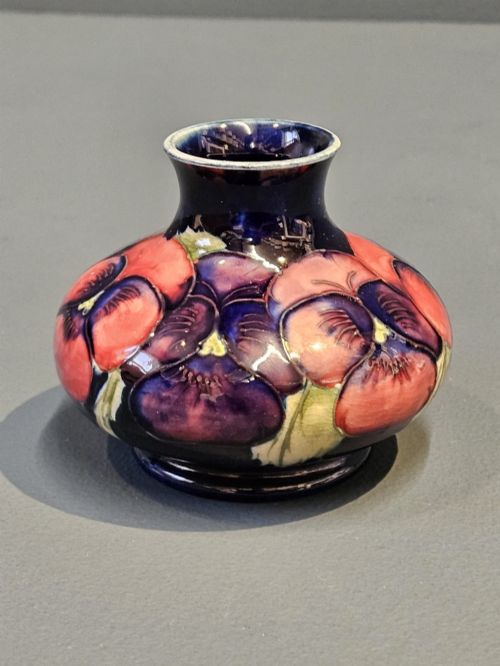
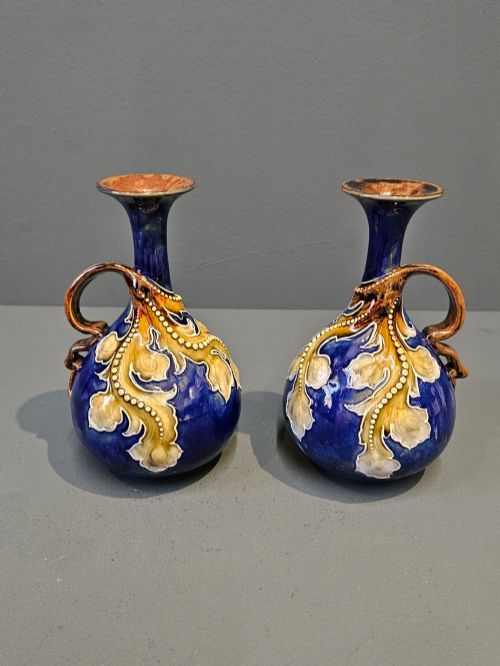
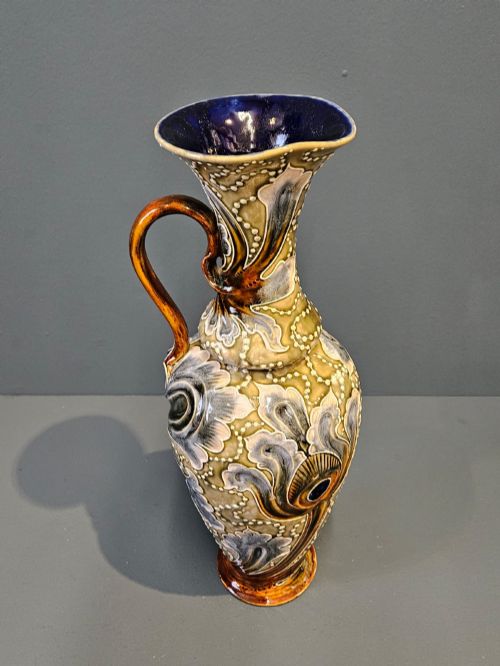
Cobalt blue ceramic art encompasses a broad selection of decorative objects, from nineteenth-century Victorian pieces to twentieth-century creations. When exploring this selection, buyers frequently encounter vases, bowls and plates produced by British potteries and international makers.
The objects spanning this range include items from the Victorian period, Art Nouveau era and Art Deco years. Common forms on display include large jardinières, ewers and decorative chargers alongside smaller cabinet vases.
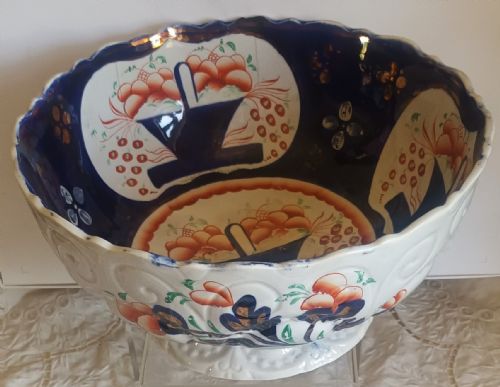
Japanese Imari and Satsuma wares appear alongside English earthenware and stoneware, offering distinct cultural interpretations of the deep blue palette. These varied origins mean collectors can choose between traditional British studio pottery and intricate imported designs.
Materials and construction
Makers utilised earthenware, stoneware and porcelain as the primary bases for these objects, applying rich glaze to achieve the characteristic deep blue hue. Many pieces combine this glaze with surface decoration such as enamel or gold leaf.
Techniques range from salt glazing on utilitarian vessels to intricate pate-sur-pate work and delicate hand-painted motifs on fine porcelain. Potteries employed specialised kilns to fix the cobalt oxide pigments under high temperatures, producing the durable gloss seen on the finished surfaces.
The listings span periods from the nineteenth century through the 1930s, featuring earthenware, stoneware and porcelain.
Evaluating quality and execution
Quality in cobalt blue ceramic art rests upon the crispness of the moulding and the depth of the glaze. Superior examples exhibit uniform colour without pooling or fading, while lesser pieces display uneven application.
The precision of hand-painted details and gilding separates standard production items from masterworks. Pieces bearing specific signatures or attributed to named designers command attention for their artistic execution.
Moorcroft·Doulton Lambeth·Royal Doulton·Carlton Ware·Ernst Wahliss·Pilkingtons Royal Lancastrian
The Cobalt Blue Ceramic Art Glossary
- Jardiniere
- A large ceramic pot or bowl designed to hold a growing plant. These often feature elaborate surface decoration to complement interior displays.
- Ewer
- A large jug with a wide spout and handled grip, historically used for water but collected as a decorative object. They showcase the taller vertical forms common in ceramic art.
- Salt glaze
- A finish applied by throwing common salt into the kiln during high-temperature firing, creating a texture similar to orange peel. This technique produces a durable surface found on utilitarian and decorative stoneware.
- Pate-sur-pate
- A method of porcelain decoration where successive layers of liquid clay are built up to form a cameo-like relief design. This skilled process creates raised white motifs against contrasting dark ceramic backgrounds.
- Imari
- A traditional Japanese style of porcelain featuring strong underglaze blue and contrasting enamel colours like iron red and gold. These decorative plates and vases were widely exported and later emulated by Western potteries.
Cobalt Blue Ceramic Art: Frequently Asked Questions
How do I display these ceramics at home?
Place vases and bowls where natural light highlights the depth of the glaze and the richness of the blue pigment. Pairing them with neutral backgrounds allows the intense colour to stand out without competing with surrounding furnishings.
Keep delicate porcelain and earthenware away from direct sunlight and high-traffic areas to protect the surface finish and any applied gold leaf from accidental damage.
How can I tell the period of a piece?
Examine the base for maker marks, impressed stamps or handwritten signatures that correspond to known operating dates of the pottery. Stylistic indicators like Art Nouveau curves or Victorian forms also help narrow down the decade of manufacture.
Material composition and weight provide further clues, as earlier stoneware and earthenware differ noticeably from fine twentieth-century porcelain bodies.
Were these items used daily?
Many items like chargers, decorative plates and cabinet vases served primarily as ornamental display pieces in nineteenth and early twentieth-century interiors. Their intricate gilding and delicate glazes meant they were meant for visual appreciation rather than heavy utility.
Some items such as jardinières, salad bowls and water jugs had practical domestic functions alongside their decorative appeal, showing signs of everyday use.
What defines Japanese Imari style?
Japanese Imari style relies on a distinct palette combining deep underglaze cobalt blue with iron red, gold and secondary accent colours. The patterns often feature floral arrangements, landscapes or mythological figures arranged in balanced compositions.
This aesthetic influenced many European potteries, leading to domestic interpretations that retained the characteristic blue and gilt colour scheme.