




Coastal Landscape Oil Painting
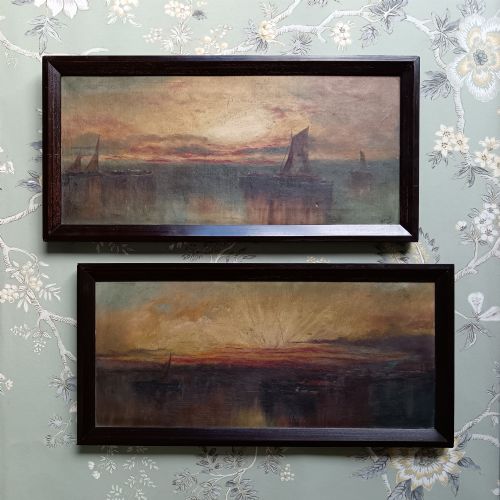
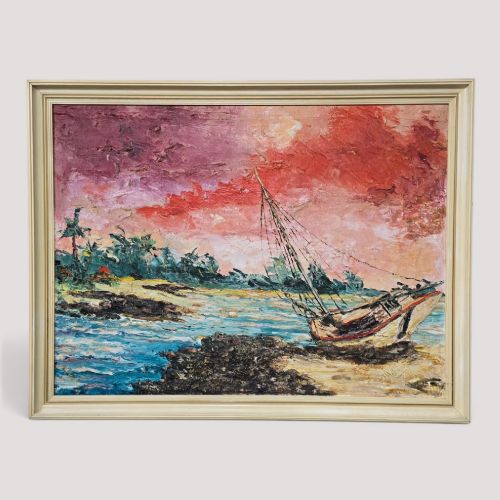
A coastal landscape oil painting captures the changing light and motion of the sea, bringing maritime atmosphere directly into an interior.
Coastal Landscape Oil Painting
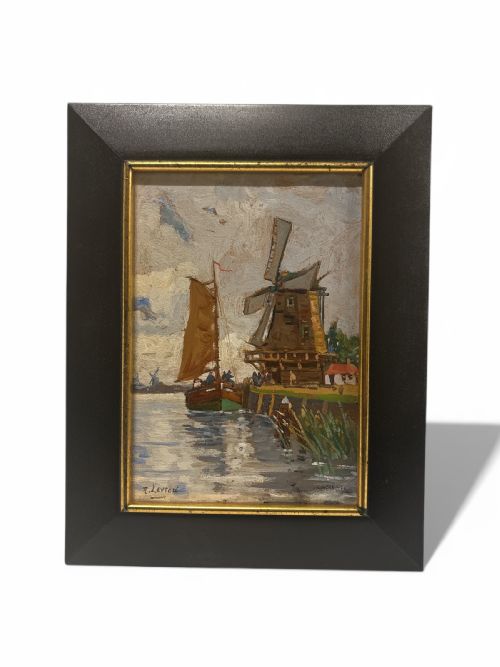
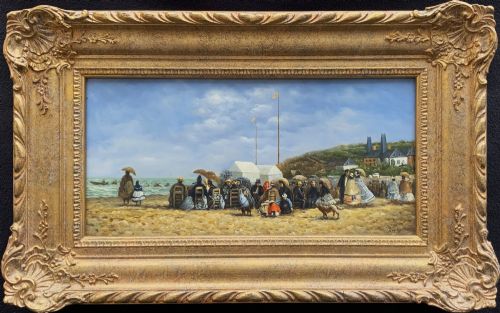
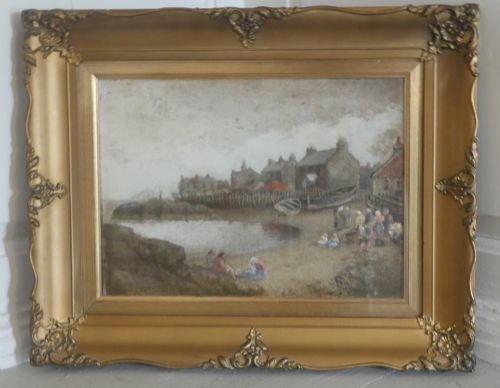
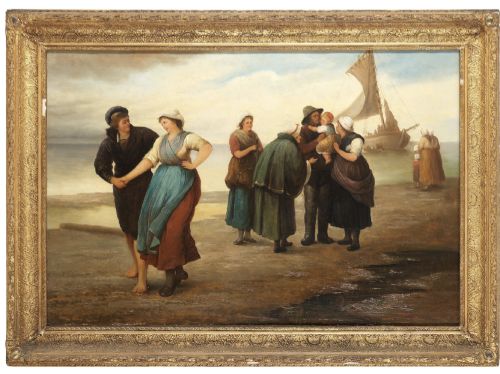
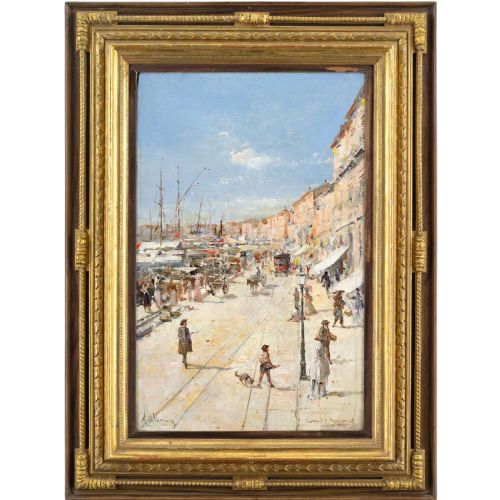
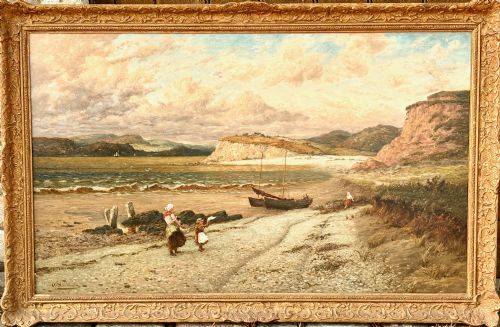
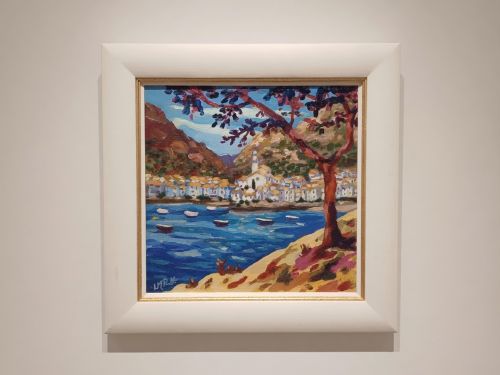
A coastal landscape oil painting depicts shorelines, harbours, estuaries and open sea views through varied periods from the nineteenth century into the mid-twentieth century. These works range from tightly detailed nineteenth-century harbour scenes to expressive post-impressionist views painted en plein air.
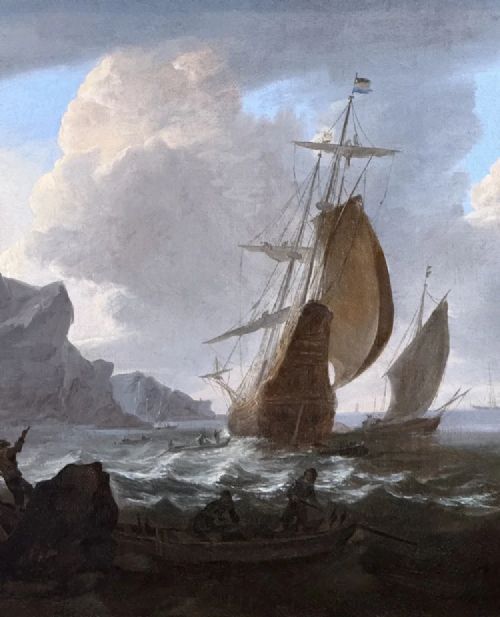
Pieces on this page encompass British, French, Dutch and wider European schools, featuring canvas, wood panel and board supports. The subjects span calm tidal inlets, dramatic cliffs, fishing boats in gales and quiet sandy beaches.
Materials and methods
Artists built these compositions using oil paint applied to prepared canvas, wooden panels or sturdy boards, frequently finished with gilt frames. Pigments were manipulated with brushes or palette knives, creating thick impasto textures in modernist treatments or smooth, blended surfaces in traditional nineteenth-century works.
En plein air techniques allowed painters to capture immediate atmospheric conditions directly on location by the shoreline. Later twentieth-century examples occasionally incorporate mixed media or textured prints embellished with paint on board.
Coastal Landscape Oil Painting Retail Price Guide 2026
Typical asking prices for coastal landscape oil painting among the pieces listed under this phrase on Sellingantiques today, from the lower quarter to the upper quarter. They describe what is for sale here now, not the wider market.
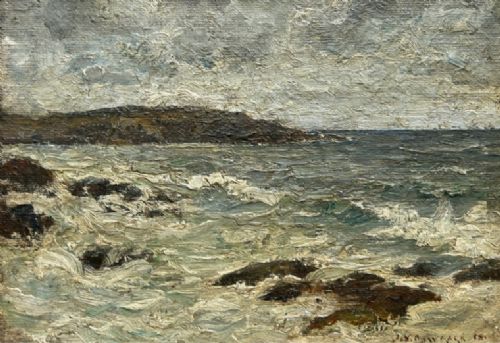
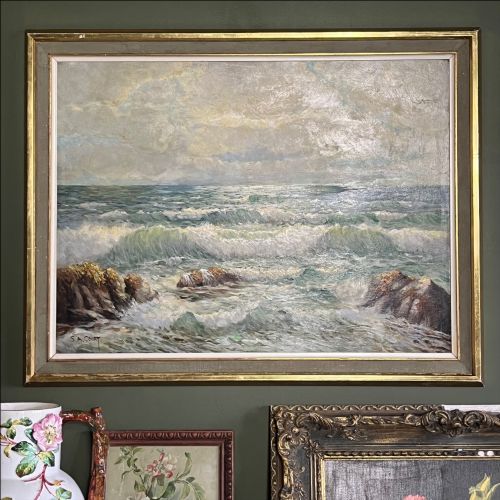
Several artists clearly braved salt spray and bracing gales to capture crashing waves directly at the water's edge.
Evaluating the execution
Quality rests in the handling of light, atmospheric perspective and the convincing movement of water rather than the mere recording of topographical detail. Stronger compositions demonstrate confidence in brushwork and a clear tonal understanding of marine environments.
The integration of the painted surface with its period frame contributes significantly to the integrity of a piece. Condition of the underlying canvas or panel, along with minimal restoration to the paint layer, marks the distinction between ordinary and superior examples.
Kenneth Cozens·Clifford Hanney·Sidney A Court·B Nash·Edward Mills·Augusto Alberici·Bonaventura Peeters·Lucy Pratt·Clive Browne·Peter Brannan·Paul Bret·Bernard Benedict Hemy·Thomas Creswick·James Fry·Ethel Sands·Donald McIntyre·Cecil Allan Mould·Charles Euphraisie Kuasseg·John Wilson Carmichael·Abraham Cooper·Joseph Farquharson·Erich Mercker·Dubovsky·John Moore·William Henry Williamson
The Coastal Landscape Oil Painting Glossary
- Impasto
- Paint applied thickly to a canvas or board, leaving visible brush or palette knife marks that catch the light. This technique adds physical dimension and tactile energy to crashing waves or rugged cliffs.
- En plein air
- The practice of painting outdoors directly from the subject to capture transient natural light and weather. Works produced this way often display rapid, spontaneous brushwork.
- Gilt frame
- A wooden picture surround coated with gold leaf or metallic paint. Elaborate versions from the nineteenth century frequently feature floral or scroll motifs.
- Board
- A rigid wooden or composite flat support used by artists in place of stretched canvas. It offers a stable surface often favoured for smaller, portable outdoor studies.
Coastal Landscape Oil Painting: Frequently Asked Questions
What periods do these paintings cover?
The selection spans from the seventeenth century through the Victorian era and into the mid-twentieth century. Earlier works often reflect romantic or realist traditions, while later pieces embrace impressionist and modernist developments.
Specific decades represented include the 1950s, 1960s, 1920s and 1930s, alongside nineteenth-century pieces. This chronological breadth shows how maritime painting evolved over several centuries.
How do I identify a coastal scene from the nineteenth century?
Nineteenth-century works typically display formal composition, detailed rigging on sailing vessels and naturalistic palettes depicting calm seas or dramatic gales. Artists of this era often focused on narrative elements like figures gathering kelp or fishing boats returning to harbour.
Framing also offers clues, as period frames frequently employ heavy gilt mouldings with ornate floral or geometric corners that match the artistic conventions of the time.
What is the difference between canvas and board supports?
Canvas is fabric stretched over a wooden frame, offering slight give under the brush and a textured woven ground for the oil paint. Board provides a rigid, unyielding flat surface made of wood or heavy pulp material.
Artists often chose board for smaller outdoor studies because it resisted punctures and required minimal preparation. Canvas was traditionally reserved for larger, more finished studio paintings.