


Coastal Harbour Scene Art
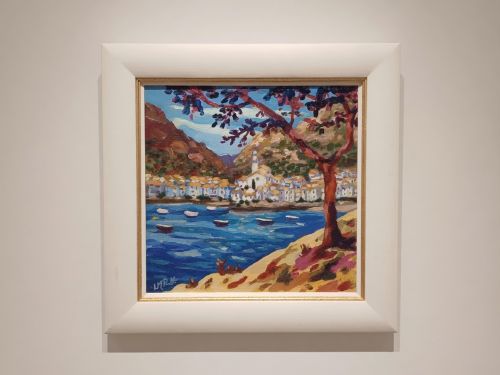
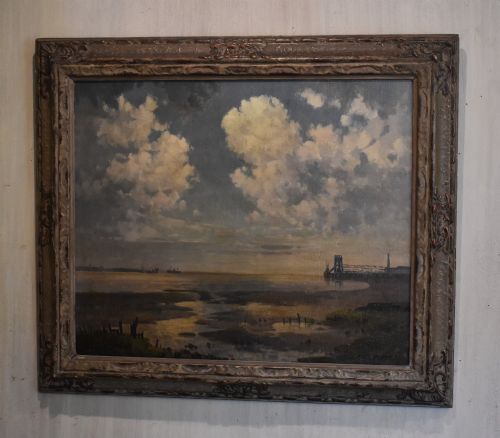
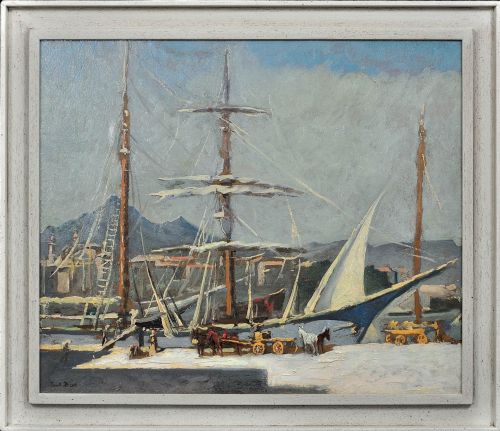
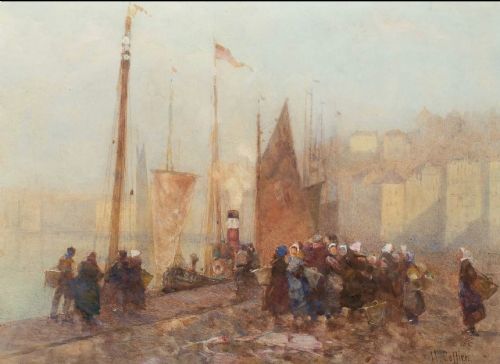
Coastal harbour scene art captures maritime life through paintings of fishing boats, quaysides, and tidal estuaries across the centuries.
Coastal Harbour Scene Art
When buyers search for coastal harbour scene art, they encounter maritime paintings that record working ports, fishing fleets, and tidal inlets. These works range from late Georgian canvases to mid-century modern interpretations of coastal life.
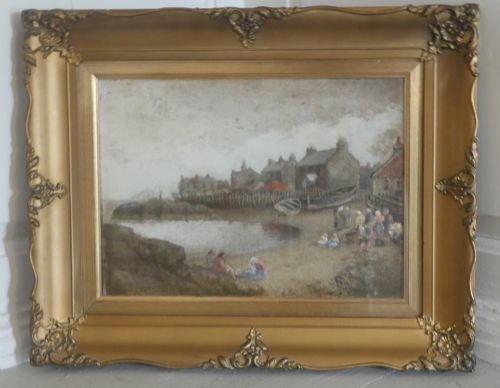
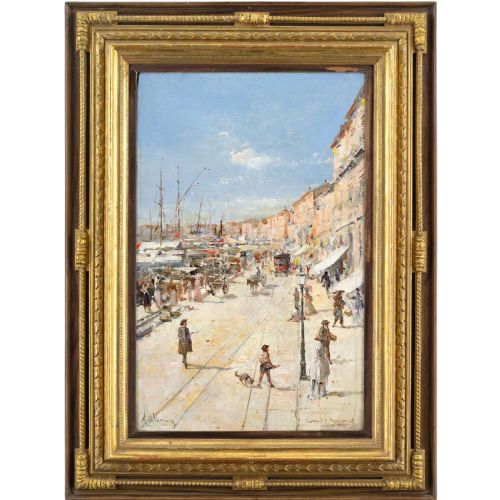
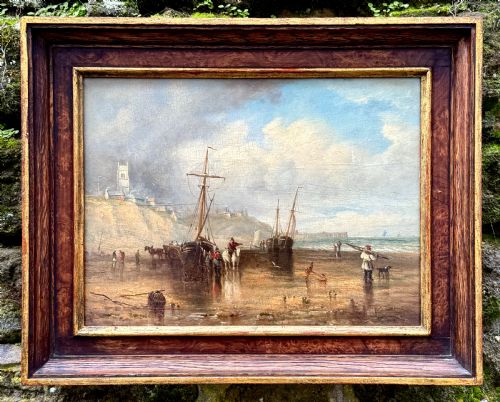
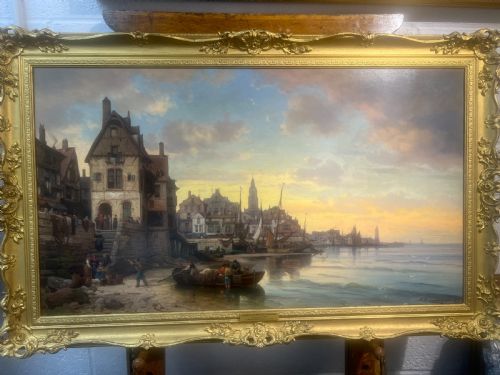
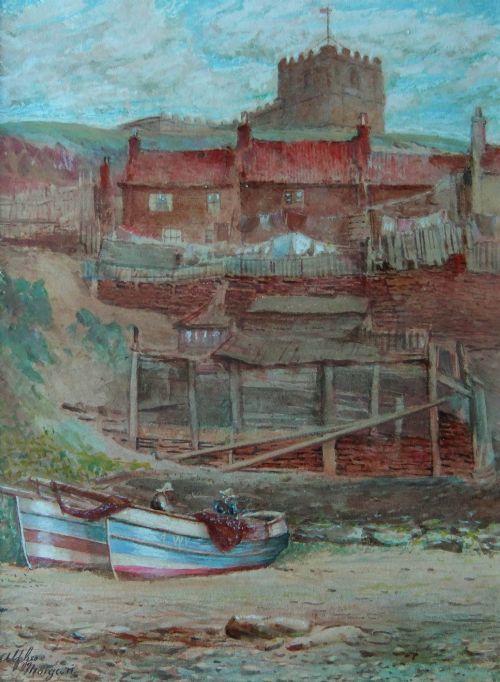
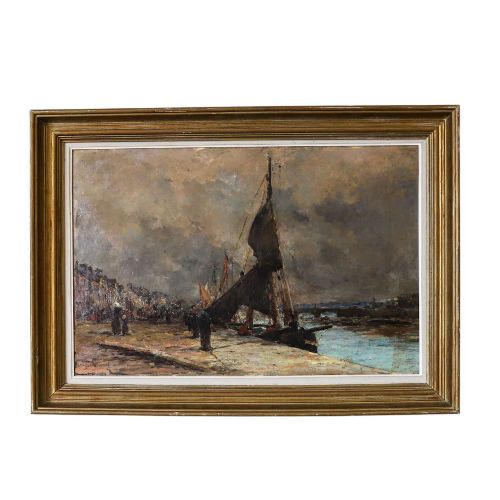
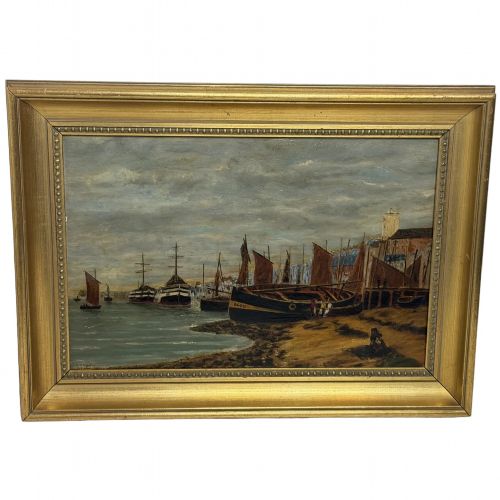
The most common pieces on this page are watercolours and oil paintings dating from the nineteenth and early twentieth centuries. Many focus on specific British and European fishing ports, such as St Ives, Whitby, and Boulogne.
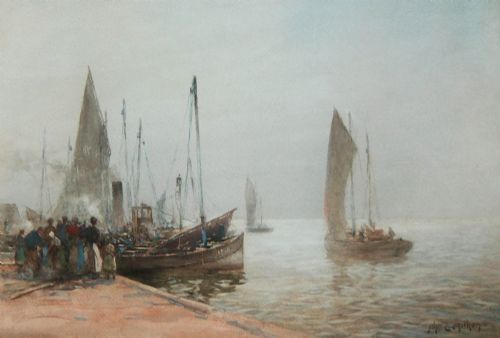
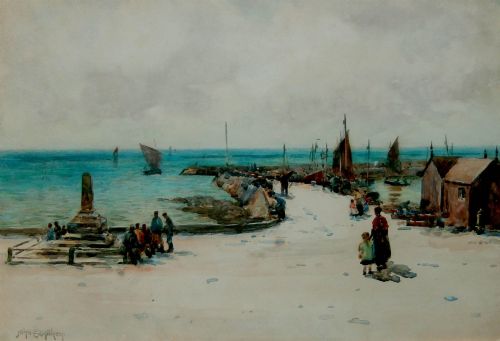
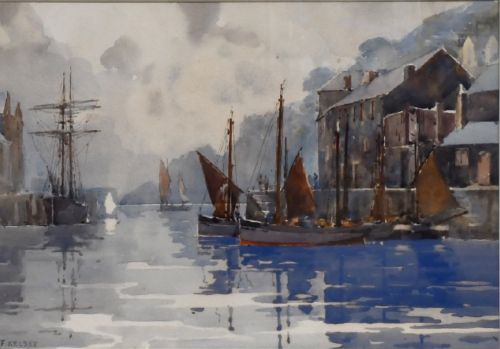
Subjects typically include sailing luggers, old barges, and figures unloading the daily catch along the quay. These visual records combine topography with atmospheric treatments of sea and sky.
Materials and Techniques
Artists working outdoors or in studios utilised oil paint and watercolour applied to canvas, wood panels, or heavy paper. Oil on canvas allowed for layered textures in depicting choppy seas and wooden hulls.
Watercolour painters employed washes and fine brushwork on paper to capture translucent light and reflections on harbour water. Many nineteenth-century and Edwardian works are housed in original gilt wood frames.
Listings feature works spanning the eighteenth to the twentieth centuries, utilising canvas, paper, wood, and glass.
Judging Quality
Quality rests upon the artist's command of light, atmosphere, and maritime architecture rather than mere age. Stronger works convey the movement of water and the specific atmosphere of a tide rather than relying on formulaic compositions.
The handling of perspective in rigging, vessels, and stone quays distinguishes accomplished painters from lesser jobbing artists. Original framing also contributes to the integrity of the piece.
James E. Aitken·William Banks Fortescue·Hector Caffieri·Paul Delvaux·Donald McIntyre
The Coastal Harbour Scene Art Glossary
- Watercolour
- A paint consisting of colour suspended in a water-soluble binder, traditionally applied to paper to achieve translucent effects.
- Impressionism
- An art style focused on capturing the visual impression of the moment, particularly shifting light and open-air conditions.
- Lugger
- A traditional two-masted fishing vessel carrying lug sails, frequently seen in nineteenth-century West Country maritime paintings.
- Gilt wood
- Wood coated with a thin layer of gold leaf or gilt paint, commonly used for period picture frames.
- Provenance
- The documented history of ownership of an artwork, establishing its authenticity and exhibition record.
Coastal Harbour Scene Art: Frequently Asked Questions
How do I date an old harbour painting?
Dating relies on the style of clothing worn by figures on the quay, the types of vessels shown, and framing materials. Signatures and exhibition labels on the reverse also help establish the decade.
Techniques and canvas stamps provide further clues when dealing with unsigned nineteenth-century and early twentieth-century works.
Where should I hang a maritime painting?
These works suit rooms with good indirect natural light, away from direct heat sources and damp walls. Adequate spacing allows the gilt frame and palette to breathe.
Framing should remain true to the period of the painting to maintain its historical character.
Are watercolours as durable as oils?
Watercolours are sensitive to prolonged direct sunlight and require conservation-grade mounting behind glass to prevent fading. Oil paintings on canvas or panel generally tolerate ambient indoor environments better.
Both mediums benefit from stable humidity levels to protect the support material.
What defines British Impressionism?
British Impressionism reflects the influence of French plein-air painting adapted to local coastal light and weather. Artists focused on visible brushstrokes and natural illumination.
This approach marked a shift away from rigid academic studio painting towards observed reality.