




Coastal Beach Landscape Oil
Coastal beach landscape oil paintings capture the restless margin between land and sea, preserving historic shores through pigment and canvas.
Coastal Beach Landscape Oil
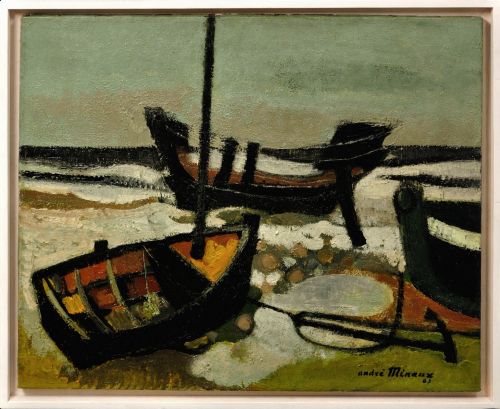
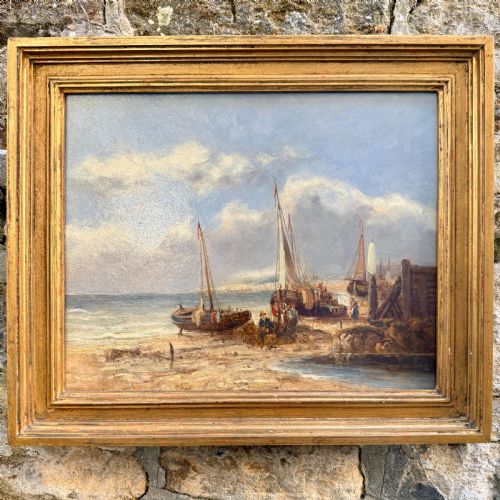
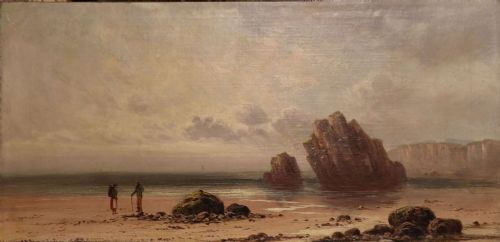
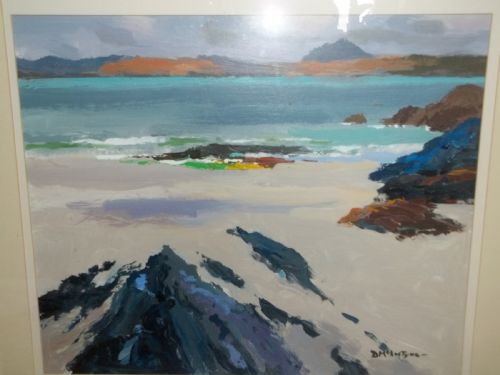
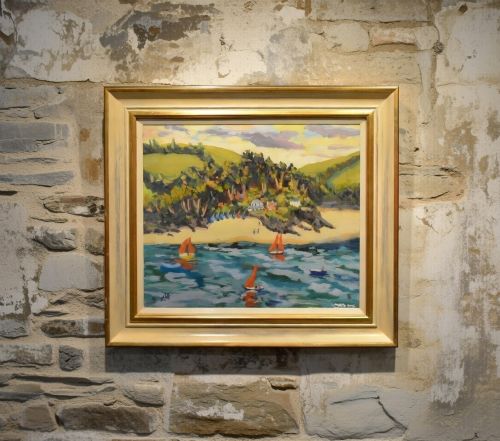
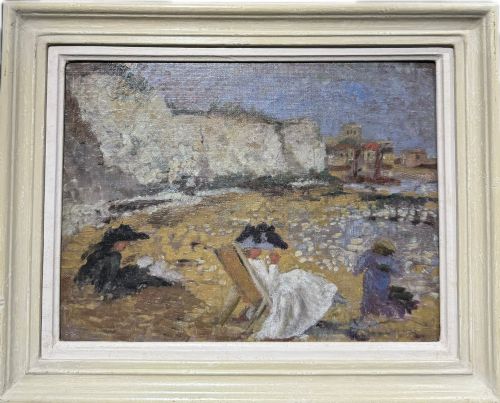
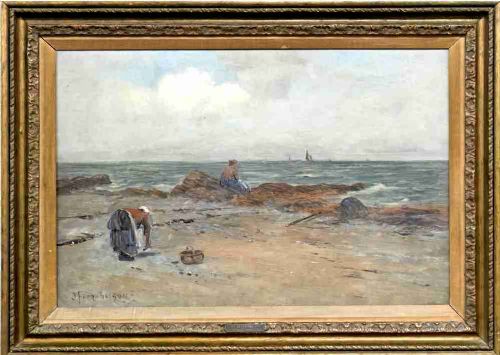
A coastal beach landscape oil brings the atmosphere of the shore indoors, depicting figures on rocky strands, fishing boats on the sand, and sweeping sea views. The pieces encountered here span from the nineteenth century through the mid-twentieth century, recording changing fashions in coastal leisure and labour.
Victorian examples often lean towards dramatic maritime subjects, shipwrecks, and detailed genre scenes of fisher folk, while later twentieth-century works adopt impressionist or modernist brushwork. Canvas and occasionally board serve as the primary supports for these painted marine and coastal vistas.
Materials and Technique
Artists painted these works using oil paint applied to canvas or wood, building texture with varied brushstrokes and sometimes employing gesso preparatory layers. Many retain their period frames, which frequently feature moulded gesso and gold leaf or gilt finishes.
The technique ranges from the tight, academic realism of the nineteenth century to the looser, expressive dabs characteristic of British and French impressionism.
Coastal Beach Landscape Oil Retail Price Guide 2026
Typical asking prices for coastal beach landscape oil among the pieces listed under this phrase on Sellingantiques today, from the lower quarter to the upper quarter. They describe what is for sale here now, not the wider market.
Among the sands and sea stacks, one watchful canvas preserves the unexpected company of a boxer at the seaside.
Assessing Quality
Quality rests in the artist's handling of light, atmosphere, and the movement of water, separating spirited observation from mechanical studio reproduction. A confident command of tone and composition elevates a seaside scene from a simple record to a compelling work of art.
The preservation of the original oil surface, minimal restoration, and the presence of a sympathetic period giltwood frame contribute significantly to the standing of any given piece.
Joseph Farquharson·James Webb·Donald McIntyre·William Shayer·Daniel Sherrin
The Coastal Beach Landscape Oil Glossary
- Oil on Canvas
- A traditional painting medium where pigments bound in drying oil are applied to a stretched woven fabric support. This combination offers flexibility and longevity.
- Gesso
- A white paint mixture consisting of a binder mixed with chalk, gypsum, or pigment, used to prepare wood or canvas surfaces before painting. It provides a smooth ground for the oil layers.
- Giltwood
- Wood that has been coated with a thin layer of gold leaf or powder. It is commonly found on traditional frames enclosing nineteenth-century paintings.
- Impressionism
- A nineteenth-century art movement characterised by relatively small, thin, yet visible brush strokes and an emphasis on accurate depiction of light. Works in this style capture the fleeting qualities of coastal weather.
- Marine Landscape
- A genre of art depicting the sea, ships, and coastal views. These works focus heavily on maritime activity and coastal topography.
Coastal Beach Landscape Oil: Frequently Asked Questions
How do I date an old coastal oil painting?
Dating relies on stylistic clues, clothing styles of figures on the beach, and the construction methods of the stretcher and canvas. Written inscriptions on the reverse or framer labels also provide useful chronological markers.
Material analysis of the wood, gesso, and pigments helps narrow down the period when stylistic evidence remains inconclusive.
What is the difference between Victorian and mid-century coastal oils?
Victorian coastal paintings tend to feature narrative elements, such as shipwrecks, fisher folk, or detailed atmospheric lighting. They prioritize descriptive realism and finished surfaces.
Mid-century works often embrace impressionist or modernism techniques, focusing on colour harmony, texture, and light rather than minute illustrative detail.
Where should I hang a coastal oil painting?
These works suit rooms with stable humidity and indirect natural light to protect the oil paint and gilt frame from degradation. Placing them away from direct heat sources ensures the canvas and gesso remain stable.
Pairing the painting with complementary wall colours helps accentuate the marine tones and the warmth of the giltwood frame.
Are these paintings usually signed by the artist?
Many examples bear signatures or initials, sometimes accompanied by dates or location names inscribed on the canvas or stretcher. Unsigned works frequently emerge from known artistic circles or schools of the period.
Attribution for unsigned pieces often depends on stylistic comparison with documented works by specific nineteenth or twentieth-century painters.