







Clear Glass Wall Mirror
These clear glass wall mirror pieces bring brilliant light and decorative presence to a room, offering the exact historic character a collector wants.
What they are
When you search for a clear glass wall mirror, you find decorative looking glasses designed to hang on walls and reflect light across interiors. These objects serve both practical dressing purposes and aesthetic roles within historic room schemes.
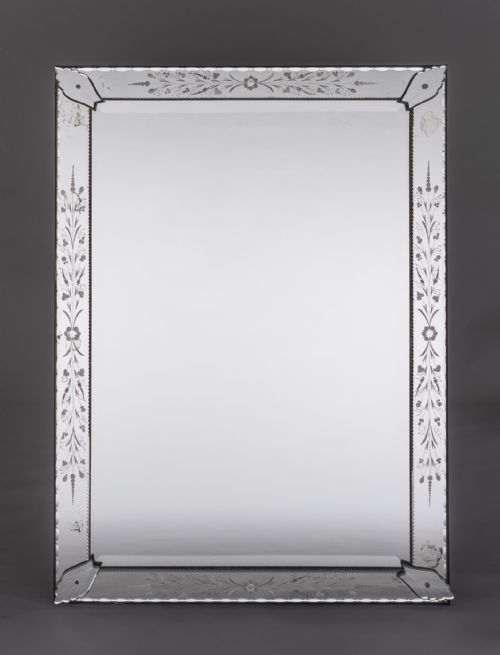
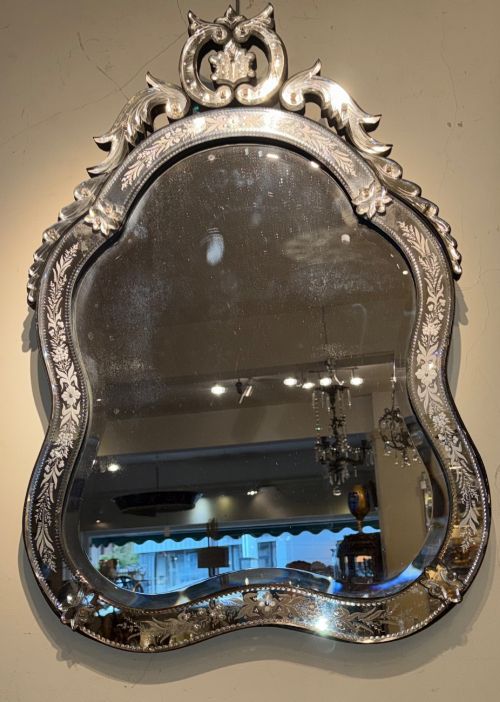
The examples gathered here span from the late 19th century through the Edwardian era and into the Art Deco period of the 1920s and 1930s. Italian Venetian origins dominate the selection, bringing ornate regional aesthetics to British homes.
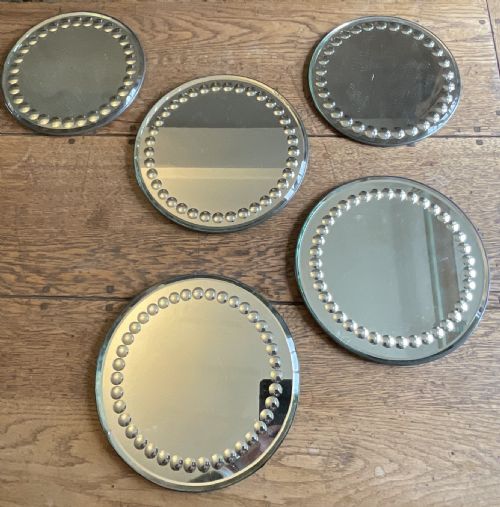
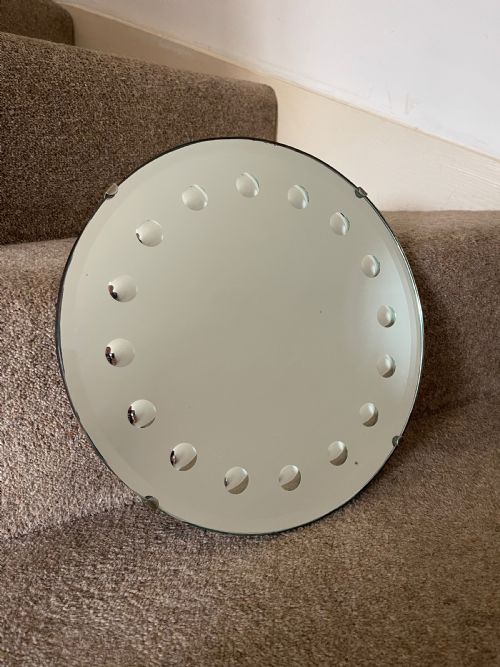
Buyers encounter distinct forms ranging from large overmantle mirrors to round French decorative wall pieces. Each item reflects the specific design vocabulary of its decade of origin, from elaborate Venetian plates to geometric Art Deco lines.
How they were made
Maker workshops utilised mirrored glass, silvered glass, and traditional mirror glass mounted into wooden or metal structural frames. The application of silvering created the reflective backing essential for these decorative wall items.
Techniques included bevelled plate cutting and surface etching to create intricate decorative borders around the central reflecting panel. Artisans shaped glass and metal with hand tools, resulting in distinctive variations across individual pieces.
Retail Price Guide 2026
Typical UK retail prices for clear glass wall mirror, calculated from the Sellingantiques database of over a million retail prices indexed since 2003. This retail price guide relies exclusively on Sellingantiques data; no external sources or auction records are used, so the figures do not describe the wider market.
The listings on this page span from the late 19th century through the Edwardian era to the 1930s.
What varies in quality
The distinction between ordinary and exceptional pieces lies in the crispness of the glass bevelling and the artistic ambition of the frame construction. Superior examples display finer hand-etched details and more complex glass layering.
Natural ageing brings character to the silvered surfaces, where deliberate foxing indicates genuine historic patina rather than modern deterioration. The integrity of the underlying wood or metal support also determines the overall calibre of the looking glass.
The Clear Glass Wall Mirror Glossary
- Overmantle mirror
- A large horizontal mirror designed specifically to hang above a fireplace mantelpiece. These pieces traditionally dominated the drawing room interior.
- Foxing
- The natural age spots and discoloration that develop within the silvered backing of historic glass over decades. Collectors value this patination as proof of authenticity.
- Bevelled plate
- A mirror glass pane with edges cut and polished at an oblique angle to catch and refract light. This technique adds depth to the overall appearance.
- Silvered glass
- Glass coated with a reflective metallic compound on the rear surface to create a mirror. The chemical process evolved significantly throughout the nineteenth century.
- Art Deco
- A design style from the 1920s and 1930s characterised by geometric shapes and stylised motifs. Mirrors from this period favour clean lines over ornate floral carvings.
Frequently Asked Questions
What does foxing mean on a vintage mirror?
Foxing refers to the small dark spots and misty patches that form when the silvered backing reacts with air and moisture over long periods. It is a natural sign of age that distinguishes historic glass from modern reproductions.
Many collectors prize genuine foxing for the soft, atmospheric reflection it creates. It proves the mirror has witnessed generations of history.
How should I clean antique mirrored glass?
Use a soft, dry microfibre cloth to gently remove dust from the glass and frame surface. Avoid harsh commercial cleaning sprays that can seep behind the glass and damage the old silvering.
If moisture is necessary, apply distilled water sparingly to the cloth rather than directly onto the mirror. Take extra care around the edges where the silvered backing is most vulnerable.
How do I tell an Edwardian mirror from an Art Deco piece?
Edwardian mirrors tend to feature elaborate, flowing frames inspired by earlier historic revivals and classical motifs. They often incorporate ornate crests and bevelled plates designed for formal period rooms.
Art Deco pieces, by contrast, embrace clean geometric forms, circular shapes, and etched linear patterns typical of the 1920s and 1930s. Their frames celebrate modernism rather than historical pastiche.