


Clear Glass Silver Rim
Clear glass silver rim pieces combine brilliant cut crystal with polished metal mounts, offering both practical utility and decorative elegance for the dining table.
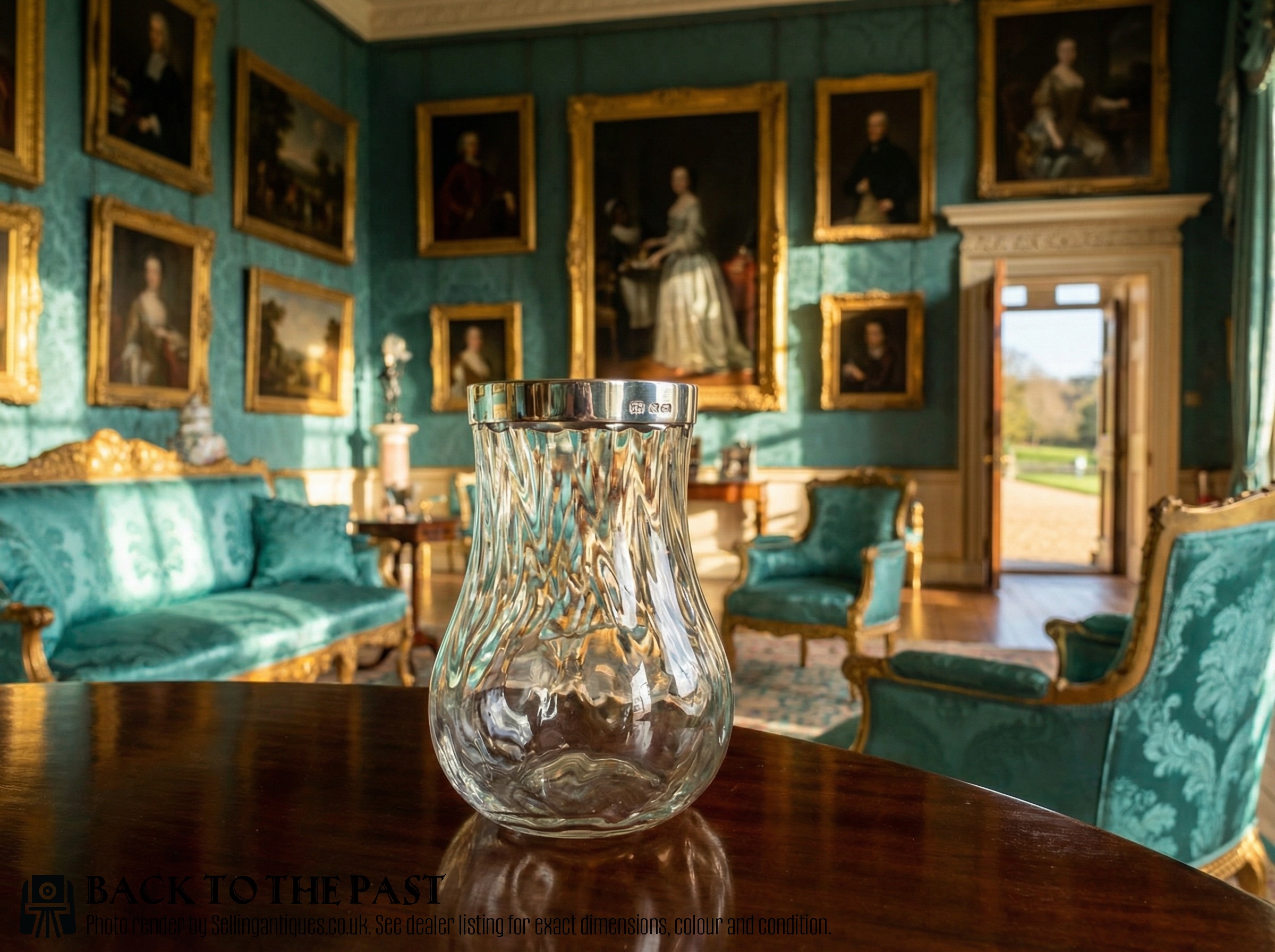
Clear Glass Silver Rim
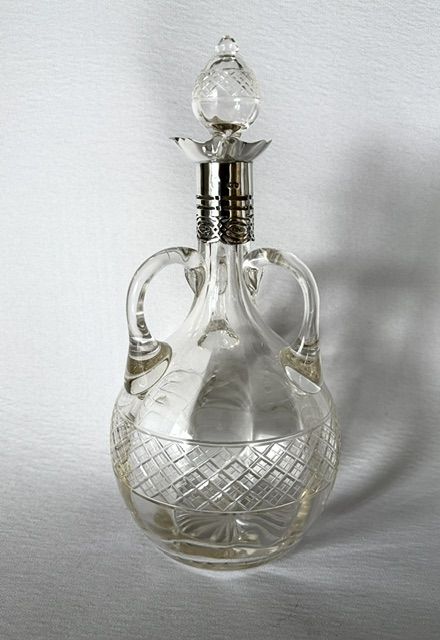
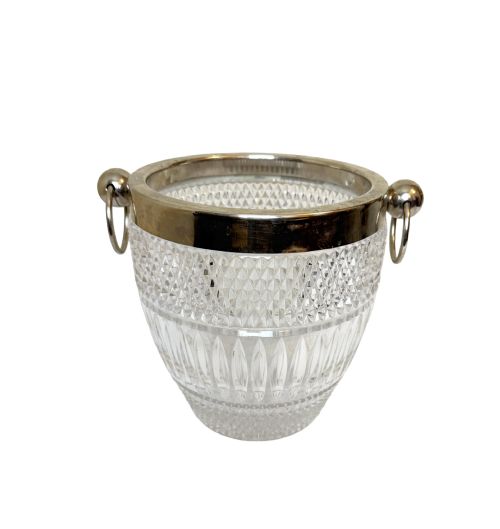
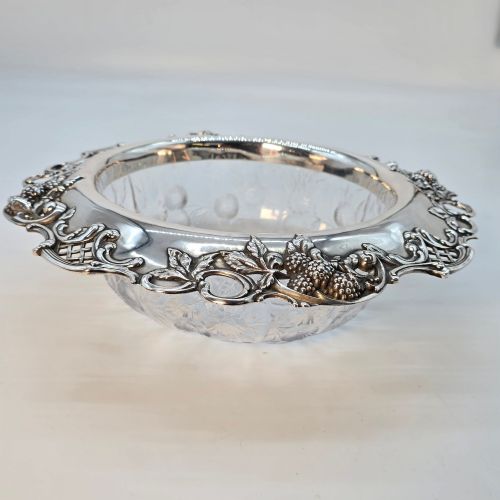
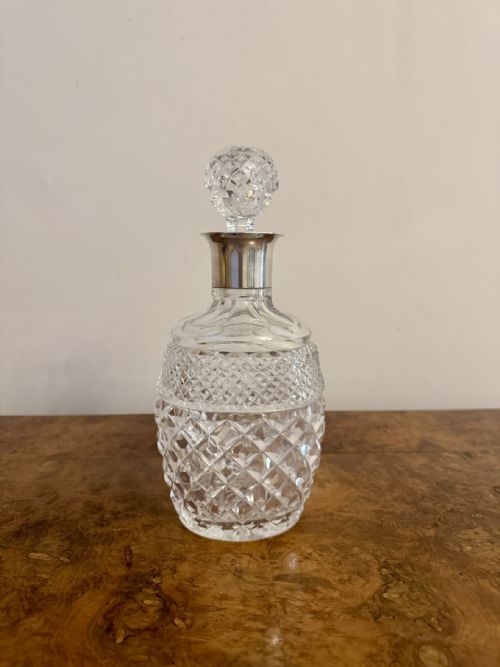
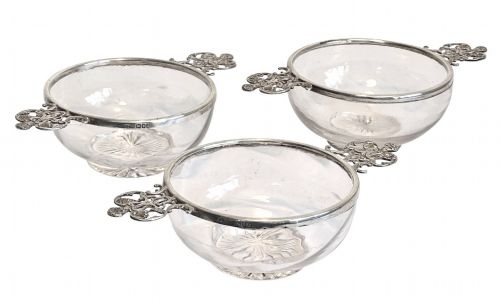
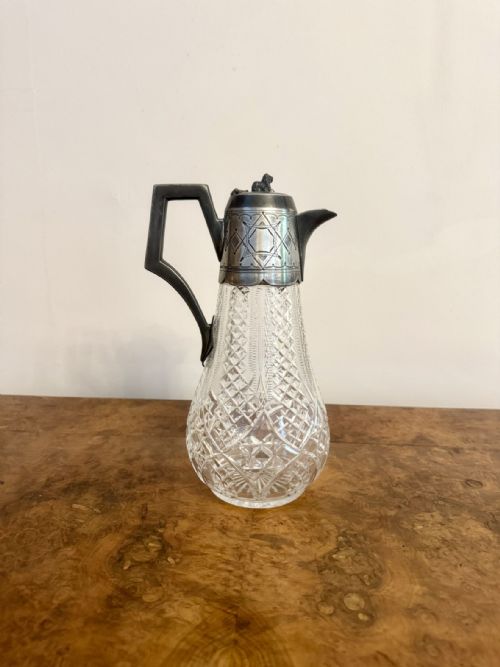
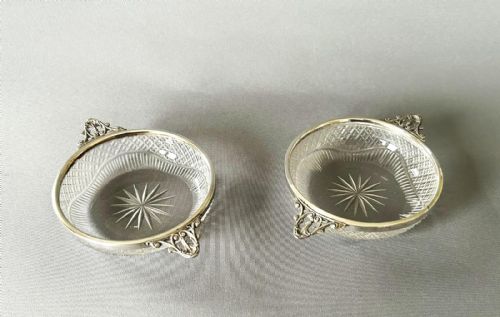
Search for clear glass silver rim brings together a diverse range of serving vessels and table accessories spanning the Victorian, Edwardian, and Art Deco periods. These items unite transparent glass bodies with contrasting silver or silver-plated collars, rims, and mounts.
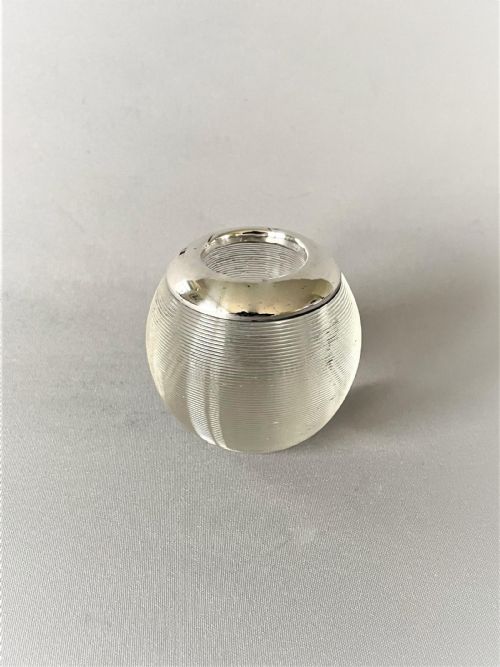
Decanters, ice buckets, bowls, and match strikers form the most common variations encountered on this page. They derive from British and European workshops, reflecting domestic dining habits across the nineteenth and twentieth centuries.
Materials and Construction
The vessels utilise heavy cut glass, lead crystal, or threaded glass, shaped through blowing and deep wheel-cutting to create faceted surfaces that catch the light. Artisans then fitted these glass bodies with sterling silver or silver-plated collars, mounts, and rims.
Metal components are secured firmly to the glass necks or rims, often incorporating hallmarks or maker marks stamped directly into the silver. The combination relies on precise physical fitting, sometimes supplemented by cork or secure mounting techniques to bridge the two materials.
Listings feature Edwardian, Victorian, and Art Deco periods, encompassing materials from cut crystal to heavy silver plate.
Assessing Quality
The weight and depth of the cut crystal distinguish finer examples from standard production pieces, with heavier lead content providing greater clarity and resonance. Superior metal mounts display crisp hallmarks, substantial gauge silver or heavy silver-plating, and well-executed decorative engraving.
Design ambition separates basic utility wares from exceptional items, particularly when makers apply distinctive silhouettes, such as threaded glass patterns or specialist forms like match strikers and tyg cups.
Tiffany and Co·William Comyns·William Rudkins·Elkington and Co·Hukin and Heath·George Ernest Hawkins
The Clear Glass Silver Rim Glossary
- Cut glass
- Glassware decorated by grinding facets and patterns into the surface using rotating wheels. This technique enhances refraction and creates the characteristic sparkle of period vessels.
- Sterling silver
- An alloy containing 92.5 percent silver by mass, with other metals added for durability. Used extensively for rims, collars, and mounts on British tableware.
- Silver-plate
- A base metal, such as copper or Britannia metal, coated with a thin layer of silver. This process provided the visual appeal of solid silver at a lower production cost.
- Match striker
- A heavy glass container featuring a textured ceramic or striated glass base designed for igniting safety matches. They frequently feature protective silver rims.
- Tyg cup
- A large drinking vessel fitted with multiple handles, often produced in solid silver and cut glass during the late nineteenth century.
Clear Glass Silver Rim: Frequently Asked Questions
How do I clean silver rims on glass?
Clean the silver components with a dedicated polishing cloth while avoiding abrasive contact with the glass surface. Keep polish away from any glass crevices or maker marks.
Wash the glass body separately in warm soapy water and dry thoroughly to prevent water spots on the cut facets.
Were these pieces used daily?
Many of these items served practical roles on Victorian and Edwardian dining tables, holding wine, water, biscuits, or ice during formal meals.
Match strikers and preserve pots sat in smoking rooms and breakfast parlours for routine household tasks.
How do I date a silver rimmed piece?
Look for British hallmarks stamped on the silver mounts, which indicate the assay office, standard of metal, and exact year of manufacture.
Stylistic cues such as Edwardian proportions or Art Deco geometric cutting also help place the piece within a specific decade.
Is crystal different from glass?
Crystal contains lead oxide, which increases the weight, refractive index, and clarity of the material compared to standard soda-lime glass.
Heavy lead crystal vessels feel noticeably denser and produce a resonant ring when tapped gently.