




Clear Glass Lamp Tables
Clear glass lamp tables and related glass lighting pieces combine brass and crystal to light a room with functional period elegance.
Clear Glass Lamp Tables
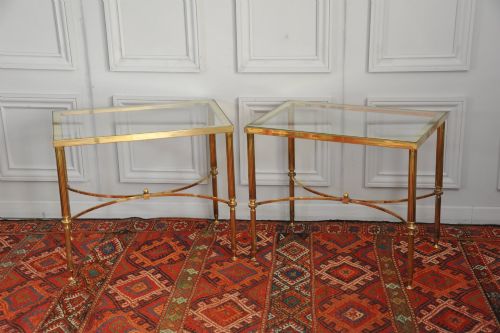
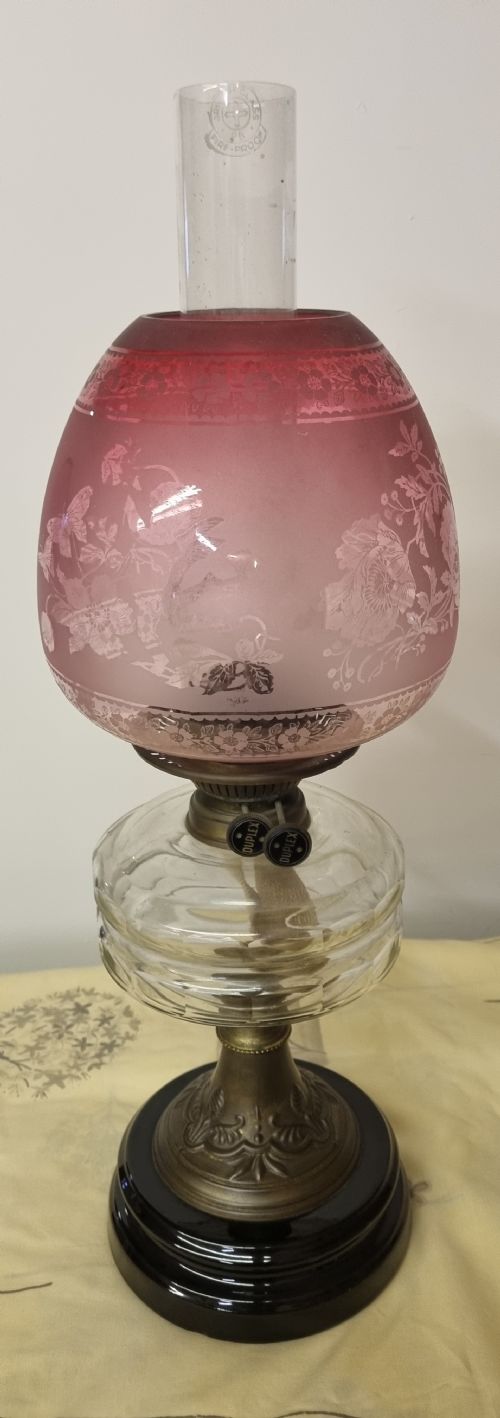
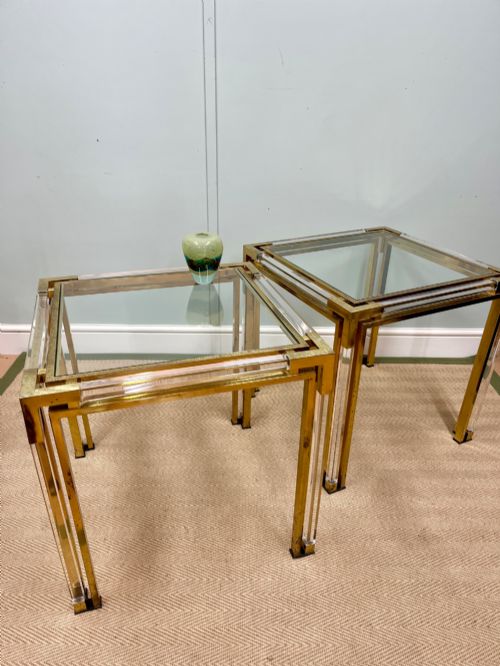
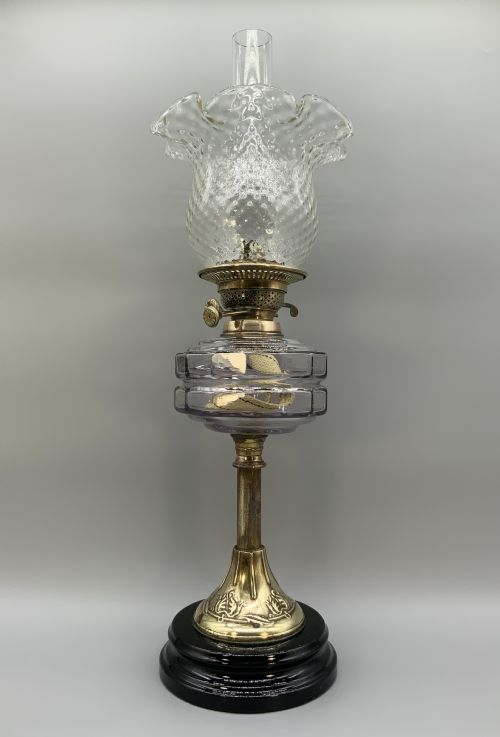
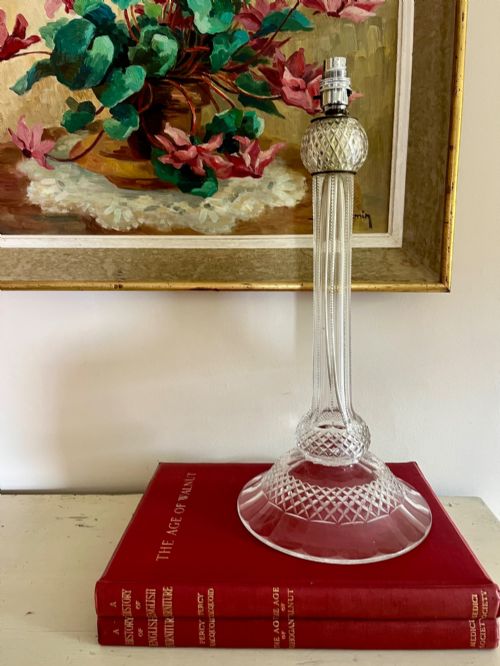
When searching for clear glass lamp tables, collectors typically encounter a mix of functional lighting and occasional side tables spanning the Victorian, Art Deco, and Mid-Century periods. The selection unites side tables and diverse oil lamps, table lamps, and candlesticks that utilise transparent materials.
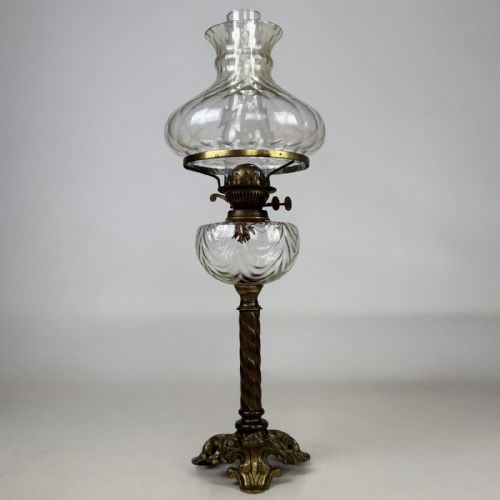
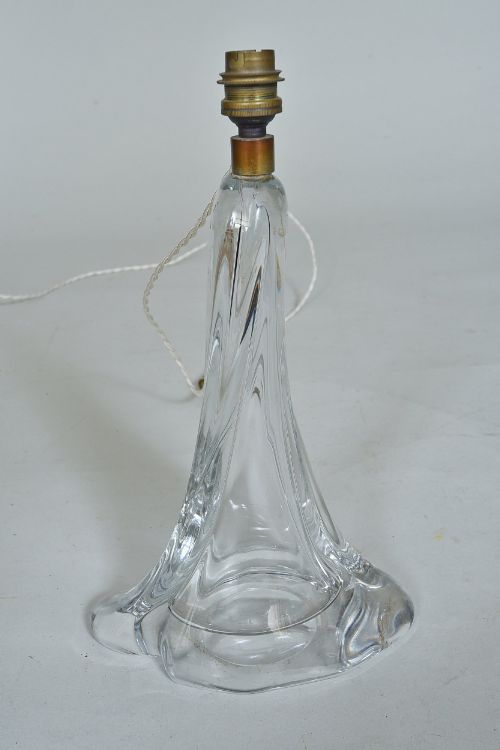
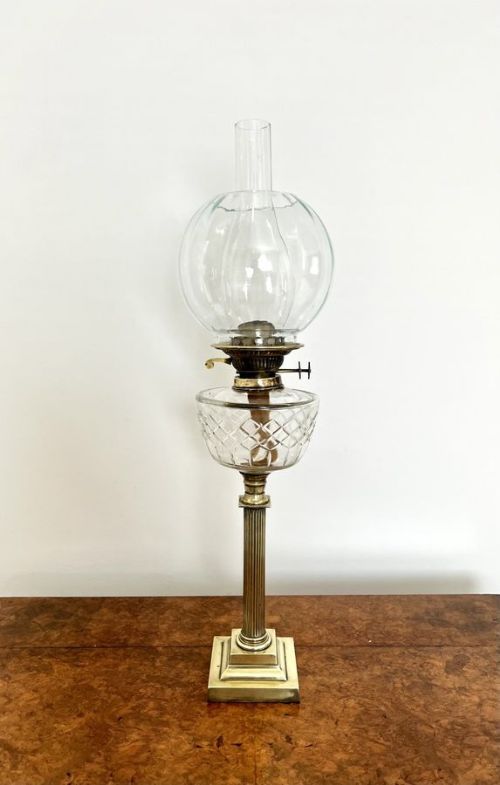
Victorian and nineteenth-century brass oil lamps with glass reservoirs dominate alongside twentieth-century crystal lamps, Art Deco pieces, and French side tables. These objects combine metal mounts and ceramic elements with transparent glass or crystal components.
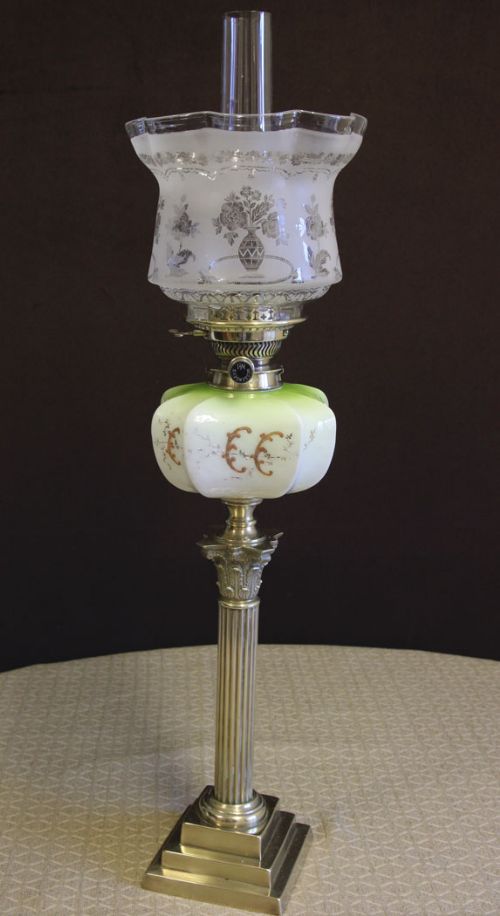
The forms range from Corinthian column oil lamps and table lustres to modern side tables and compact desk lamps. Each piece demonstrates how glass and brass were utilised together across different design movements.
Evaluating Quality
Quality differentiates through the precision of the glass cutting and the weight of the brass mountings. Heavier lead crystal and deeply cut glass show superior material selection compared to lighter pressed alternatives.
The refinement of the casting in brass components and the crispness of details like Corinthian columns separate standard production from finer workshop pieces.
Clear Glass Lamp Tables Retail Price Guide 2026
Typical asking prices for clear glass lamp tables among the pieces listed under this phrase on Sellingantiques today, from the lower quarter to the upper quarter. They describe what is for sale here now, not the wider market.
Materials recur across brass, cut crystal, ceramic, and mahogany, uniting lighting and occasional furniture forms.
Hinks of Birmingham·Stuart Crystal·Karl Palda·Peter Ghyczy·Messengers
The Clear Glass Lamp Tables Glossary
- Cut glass
- Glass decorated by grinding facets or patterns into the surface using a wheel. This technique creates sharp geometric designs that reflect light.
- Lead crystal
- Glass containing metal oxide that increases weight, clarity, and brilliance. It allows for deeper cutting and sharper facets.
- Table lustre
- A decorative glass ornament fitted with pendant crystal drops. These pieces were designed to sit on tables and refract candlelight or lamplight.
- Oil lamp
- A lighting device that burns liquid fuel via a wick. Period examples often feature brass columns and glass reservoirs.
- Bout de canapé
- A small French side table designed to sit at the end of a sofa. These pieces often pair brass frames with glass tops.
Clear Glass Lamp Tables: Frequently Asked Questions
How do I date a brass and glass lamp?
Dating relies on identifying style markers, burner types, and manufacturing methods typical of periods like the Victorian era or Art Deco.
Changes in metal casting techniques and glass cutting styles help narrow the decade of production.
What is the difference between glass and crystal?
Crystal contains lead oxide, which adds weight, brilliance, and softness that makes it easier to cut into deep facets.
Standard glass is lighter and typically lacks the high refractive index found in lead crystal pieces.
How were period oil lamps adapted for modern use?
Many period oil lamps are professionally converted to electricity by running wiring through the original burner mechanism.
This preserves the antique brass and glass body while allowing safe use with modern bulbs.
Where should I place a glass lamp table?
These tables work well beside seating areas where their reflective surfaces can catch natural and artificial light.
Placement near light sources highlights the transparency and quality of the glass and brass construction.