

Mid Century Side Tables
Mid century side tables combine useful surface area with compact proportions, bringing practical design and varied materials into everyday sitting rooms.
Mid Century Side Tables
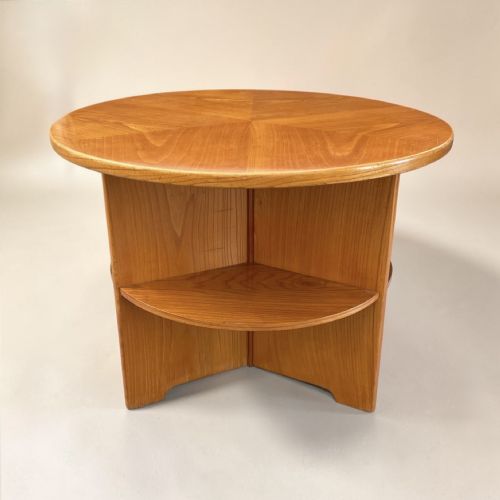
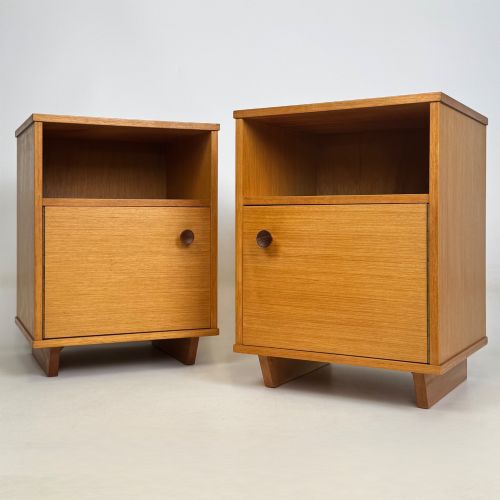
When searching for mid century side tables, buyers encounter a selection of compact occasional pieces spanning walnut, teak, and rosewood forms. The selection includes paired bedside cabinets, small etageres, and occasional tables originating from various mid twentieth century workshops.
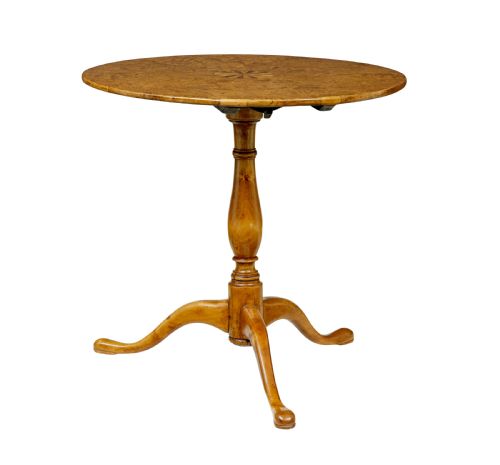
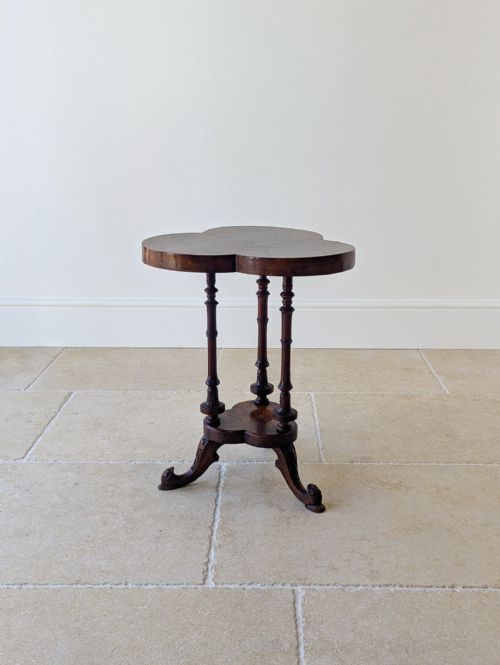
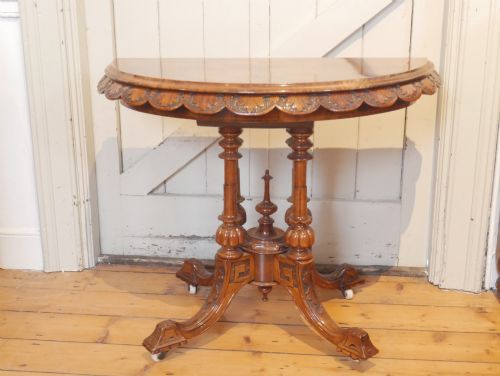
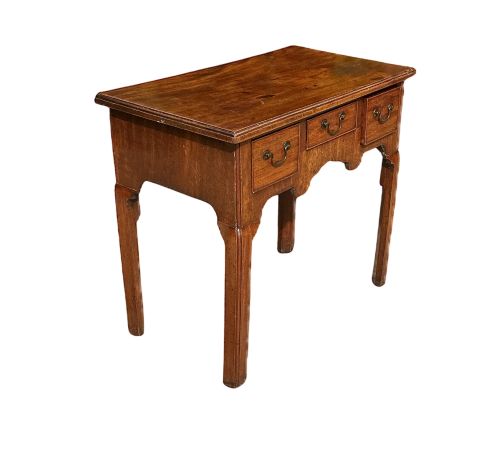
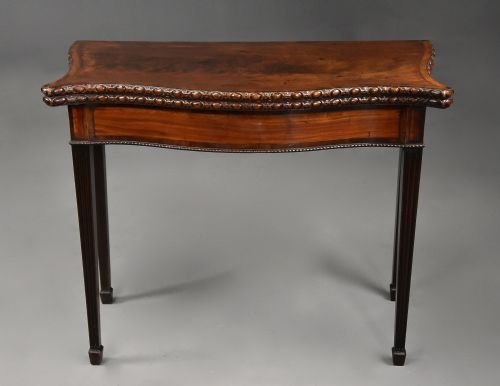
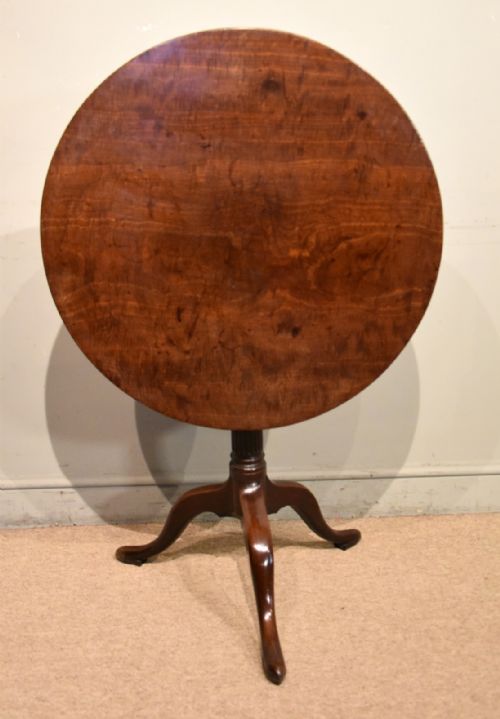
Beyond strict twentieth century designs, the evidence shows pieces catalogued across the nineteenth and eighteenth centuries serving similar compact functions. These earlier items include lowboys, lamp tables, and small tripod tables in mahogany, oak, and burr birch.
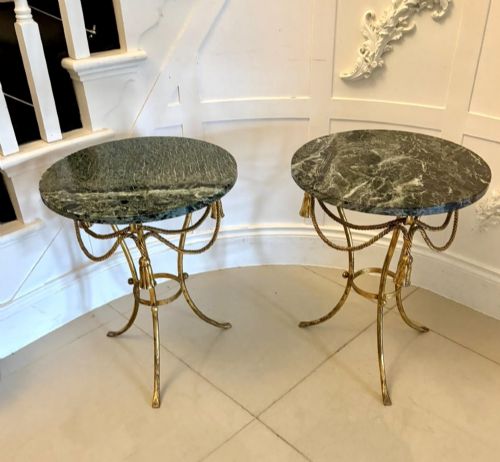
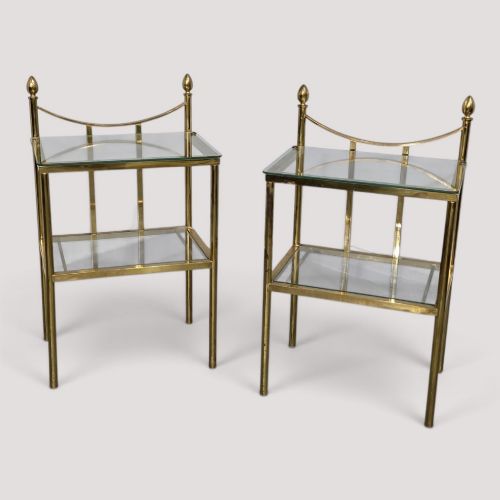
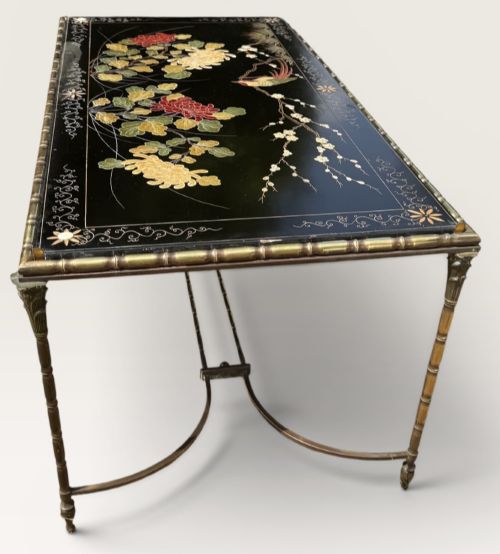
Makers such as Maison Bagues and Maison Ramsay contribute brass and glass coffee tables alongside gilt metal and marble compositions. These occasional tables provide practical placement for lamps and small objects beside seating.
How they were made
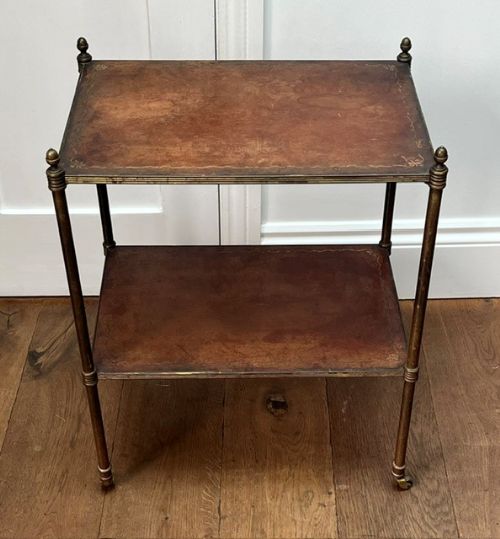
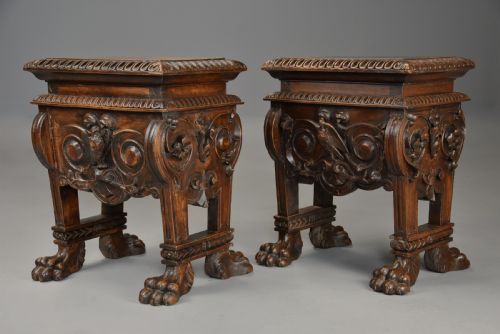
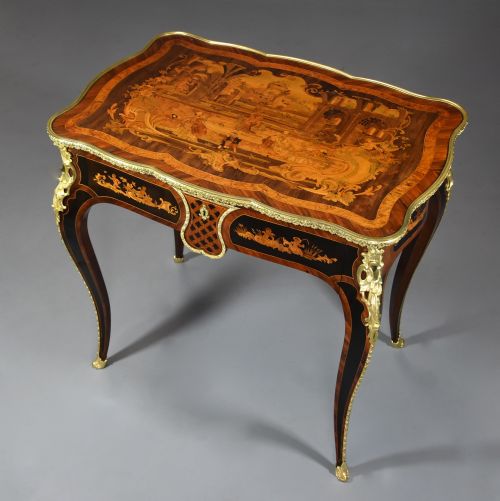
Construction relies upon traditional timber framing utilising mahogany, oak, walnut, and teak, often finished with marquetry inlay or burr veneers. Brass and lacquered metal appear frequently alongside marble inserts and tooled leather surfaces.
Tables incorporate diverse structural techniques ranging from tripod supports and X frames to two tier shelving frameworks. Surface treatments extend from polished French polish to original painted finishes and lacquered metalwork.
Listings feature diverse materials including brass, marble, teak, rosewood, mahogany, and oak across multiple centuries.
What varies in quality
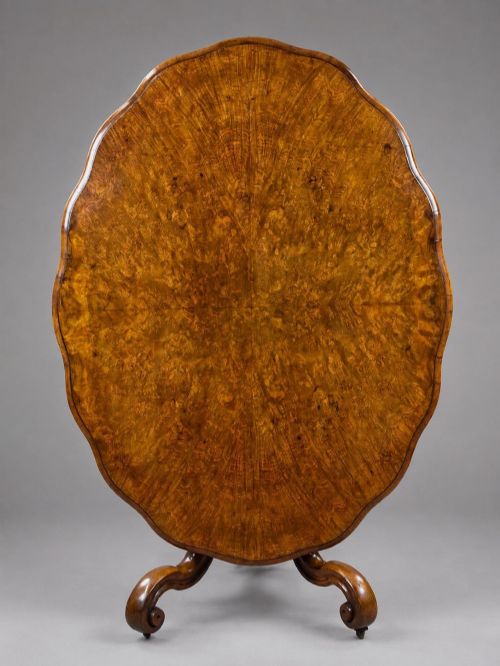
Quality rests upon the selection of timber veneers, such as burr walnut or figured mahogany, matched carefully across the top surface. The crispness of carved details, inlay work, and metal casting distinguishes finer examples from standard production.
Structural integrity depends on stable joints, original brass mountings, and intact marble or glass tops. Surface preservation, including original patina and finish consistency, further defines the standing of individual tables.
Mallett of London·Maison Bagues·Maison Ramsay
The Mid Century Side Tables Glossary
- Lowboy
- A small kneehole dressing table or side table with drawers, typically dating from the eighteenth century. These pieces offer compact storage beneath a low rectangular top.
- Etagere
- A small open shelving unit or tiered side table designed for displaying ornaments or holding lamps. The form utilises multiple platforms supported by slender columns.
- Tilt top table
- A table featuring a mechanism that allows the circular or rectangular top to pivot vertically when not in use. This clever design enabled tables to stand flat against walls to save space.
- Padouk
- A heavy, durable tropical hardwood displaying a reddish brown tone, seen in Anglo Indian furniture. Artisans utilised its dense grain for intricate occasional pieces.
- Burr walnut
- A prized wood veneer harvested from tree growths, producing swirling, intricate grain patterns. Cabinetmakers applied these decorative veneers to prominent surfaces on tables and cabinets.
Mid Century Side Tables: Frequently Asked Questions
What distinguishes an occasional table from a side table?
Occasional tables generally describe smaller, movable surfaces that serve temporary functions around a room, whereas side tables often occupy fixed positions against walls or beside seating.
The distinction remains subtle, as both forms share similar dimensions and support lamps, books, or decorative objects in domestic interiors.
How do I care for marble top tables?
Marble surfaces require gentle cleaning with a damp cloth and mild soap, avoiding acidic substances that can etch the polished stone.
Using coasters and protective pads prevents staining and scratching, preserving the natural finish of the marble over years of daily use.
Where should I place a two tier etagere?
Two tier etageres function effectively beside armchairs or sofas where additional vertical surface area is useful without occupying extra floor space.
The lower shelf provides convenient storage for books or small items, while the top surface accommodates a lamp or decorative objects.
Are tilt top tables stable?
Tilt top tables utilise a catch mechanism beneath the surface to secure the top in a horizontal position during regular use.
When properly maintained, the pivoting mechanism holds the table firm, though users should avoid placing excessive weight near the outer edges.