
Brass Glass Table Lamp
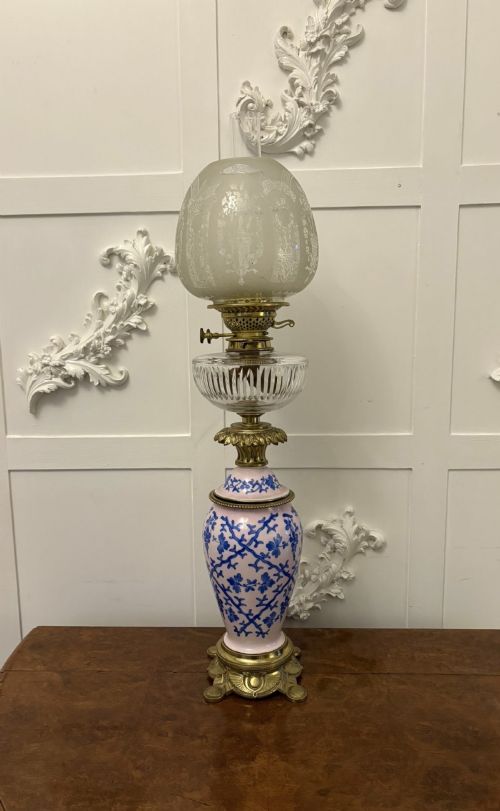
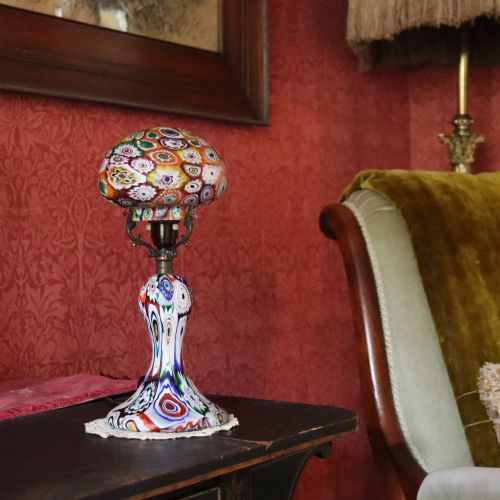
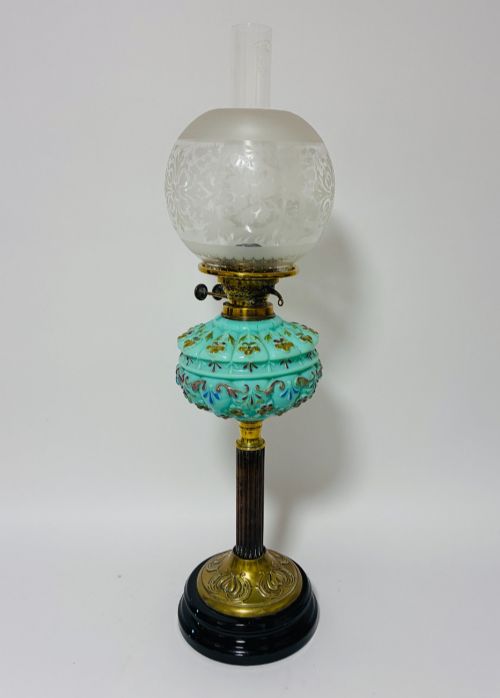
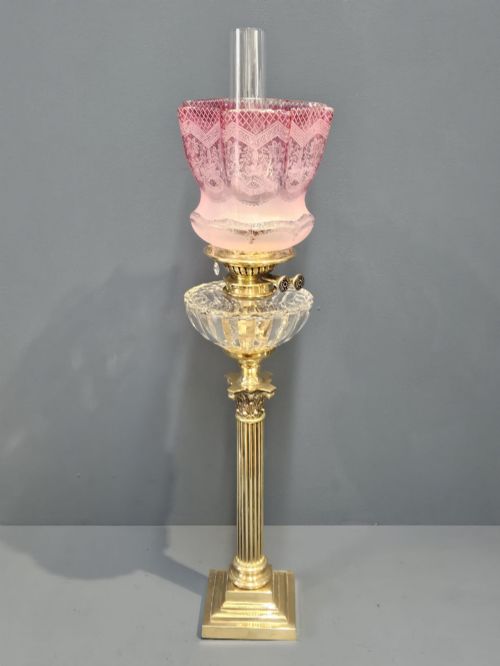
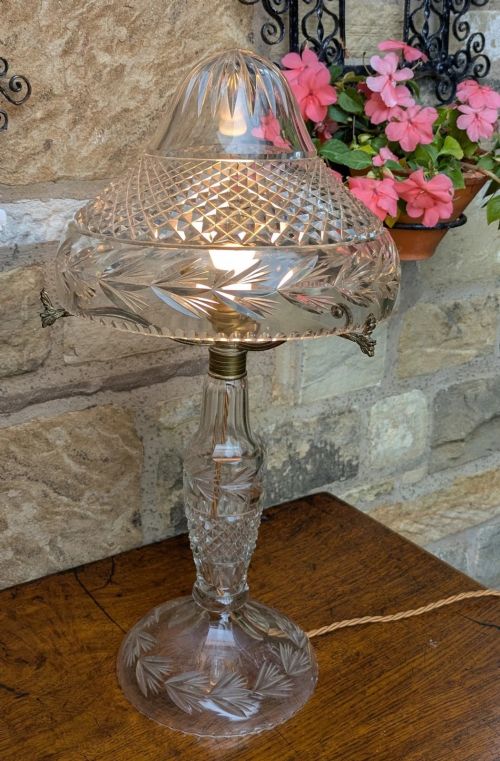
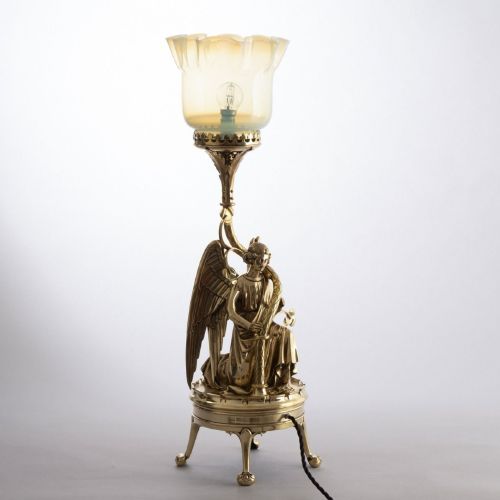
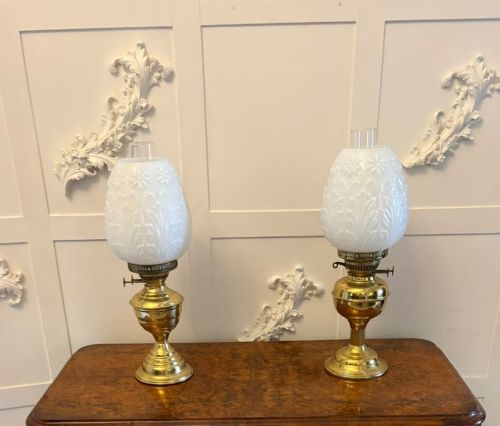
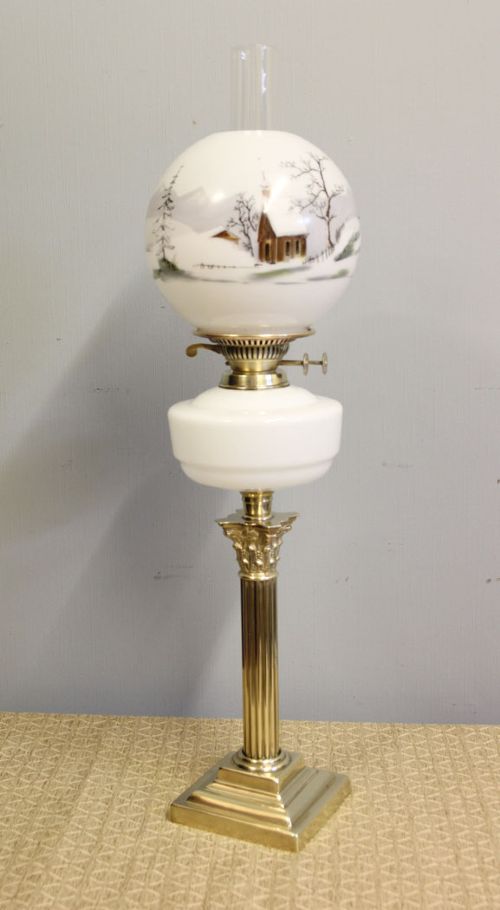
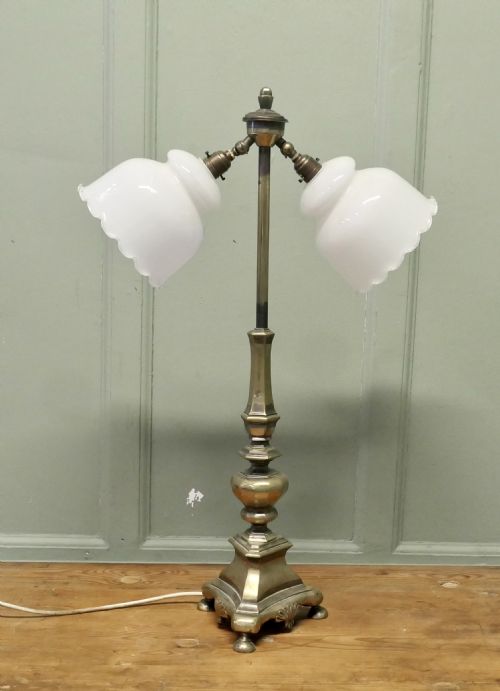
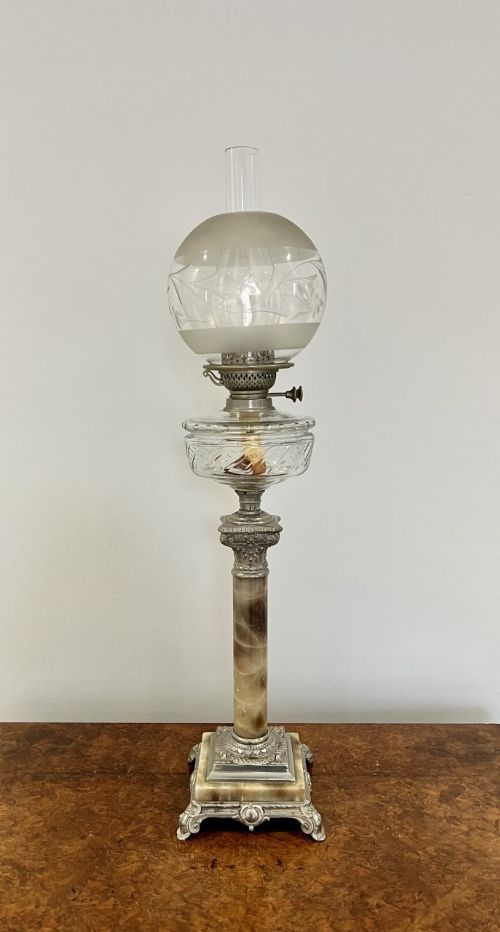
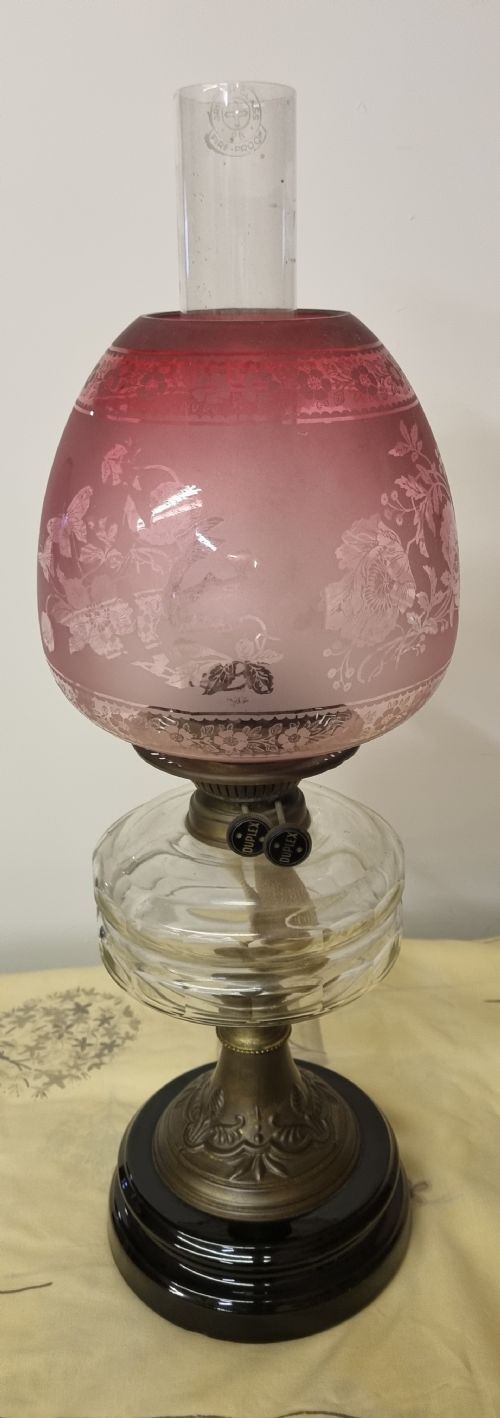
When you search for a brass glass table lamp, you are looking at substantial lighting fixtures combining metal work with coloured, opaline, or cut crystal shades.
Brass Glass Table Lamp
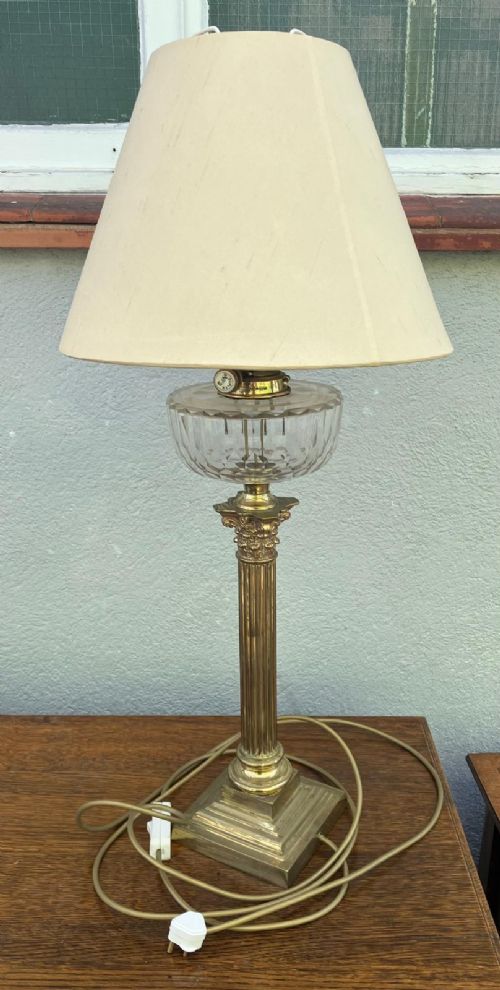
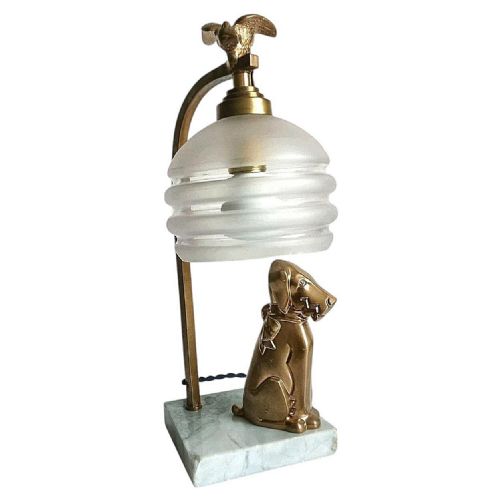
A brass glass table lamp unites a metal body with a decorative glass component, predominantly appearing as oil lamps converted for electricity alongside dedicated desk and table lighting. The Victorian era supplies many of these pieces through heavy column forms and patterned fonts, while Edwardian and later 1930s examples introduce sleeker lines or playful novelty designs.
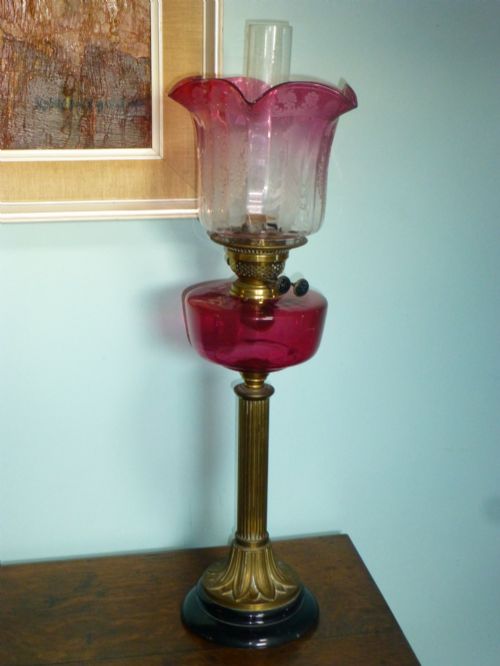
The materials span solid brass structures paired with cranberry, vaseline, opaline, or cut crystal glass shades. Many retain their original burners or columns, though numerous examples now function via modern wiring whilst keeping their period character intact.
How They Were Made
Maker techniques rely heavily on cast and spun brass components, often forming Corinthian or Ionic columns alongside plain cylindrical standards. These metal bases are combined with hand-blown, moulded, or cased glass shades, frequently featuring etched patterns or hand-painted details.
Makers integrated ceramic or marble elements into the structural base for added weight and visual contrast. Burner mechanisms and collars were stamped by specialist manufacturers before being fitted to the glass font and brass column.
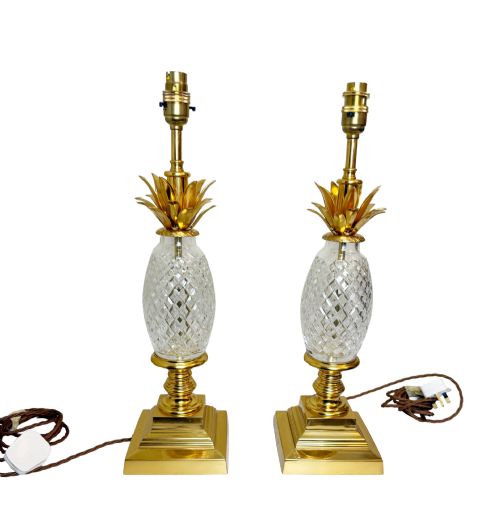
Listings feature brass and glass lamps spanning the Victorian era through the 1930s, incorporating marble, ceramic, and fabric elements.
What Varies in Quality
Quality rests in the weight of the cast brass and the depth of hand-finishing on both metal and glass elements. Superior examples display crisp moulding on Corinthian capitals, heavy gauge brass shafts, and thick glass shades with clean etching or rich uranium and cranberry coloration.
Lesser pieces feature thinner stamped metals, lighter bases that lack structural heft, and plain pressed glass rather than hand-blown or deeply cut crystal components.
Fratelli Toso·Hinks·Stiffel·Gustave Serrurier Bovy
The Brass Glass Table Lamp Glossary
- Vaseline glass
- A transparent yellow-green glass containing uranium dioxide that glows under ultraviolet light. It appears frequently in Victorian and Edwardian lighting shades.
- Opaline glass
- An opaque or translucent pale glass developed during the nineteenth century. It diffuses light softly and is often found in pastel shades on period lamp bodies and shades.
- Duplex burner
- A double-wick burner system common on larger nineteenth-century oil lamps. It provided significantly brighter illumination than single-wick alternatives.
- Corinthian column
- An architectural column style featuring ornate acanthus leaves on the capital. Victorian lamp makers frequently utilised this classical motif for tall brass standards.
Brass Glass Table Lamp: Frequently Asked Questions
Are these lamps still wired for oil?
Most surviving examples have been adapted for electricity to suit modern homes, though some retain their original burner assemblies.
Buyers should inspect the wiring to ensure it meets current safety standards upon purchase.
How do I date a brass column lamp?
Dating relies on stylistic clues such as the form of the Corinthian capital, the presence of specific burner maker marks, and the type of glass shade.
Victorian pieces often feature heavier cast brass and hand-etched shades, whereas 1930s versions show cleaner geometric lines or marble bases.
Can I replace a broken glass shade?
Replacement shades can be sourced, though matching the exact period collar size, glass colour, and etching style requires patience.
Original matched pairs and complete single lamps command higher interest among collectors.
What is vaseline glass?
Vaseline glass is a distinct yellowish-green glass containing trace amounts of uranium that react under UV light.
It was widely used by Victorian and Edwardian makers for striking table lamp shades.