


Gold Metal Side Table
These gold metal side tables and related occasional pieces bring varied metallic finishes and classic forms into a room.
Gold Metal Side Table
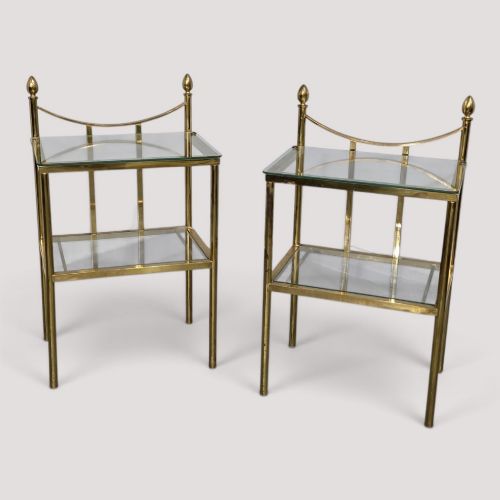
A gold metal side table search spans numerous compact occasional forms designed for functional placement beside seating or in hallways. The selections here cross multiple decades and stylistic revivals, taking shape primarily as brass, gilt metal, or ormolu lamp tables, plant stands, and occasional tables.
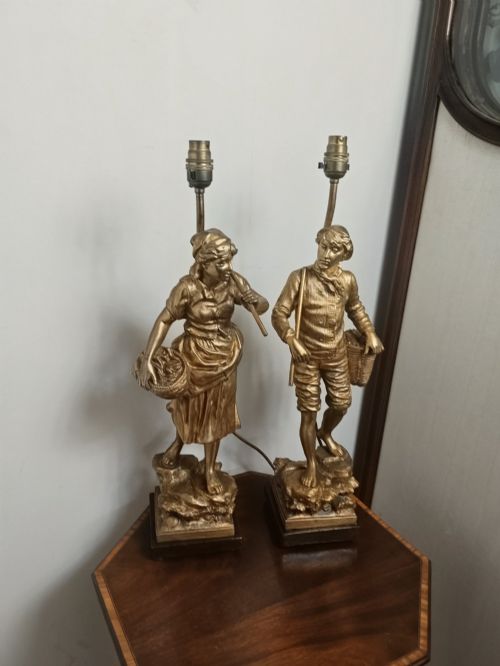
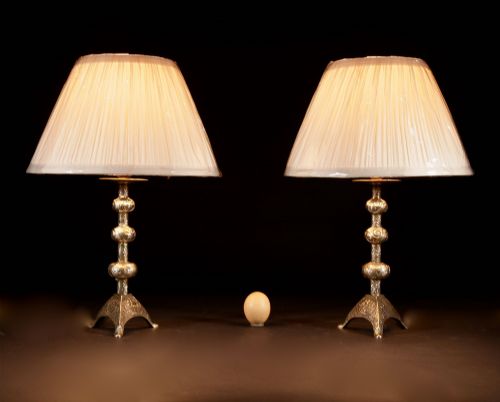
Most examples originate from the nineteenth and early twentieth centuries, drawing on periods such as the Victorian and Edwardian eras alongside Art Deco and Hollywood Regency aesthetics. Alongside standard side tables, the listings frequently incorporate sculptural lamp bases and pedestal tables that utilise similar golden metalwork.
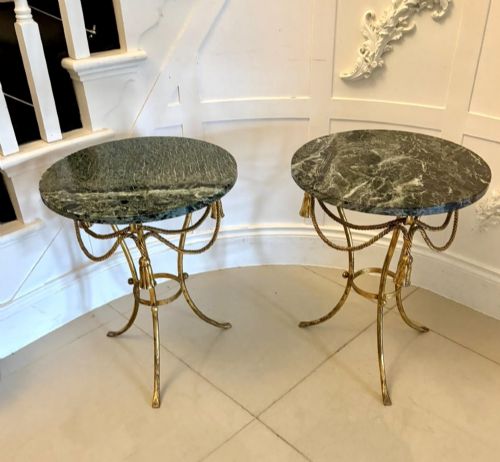
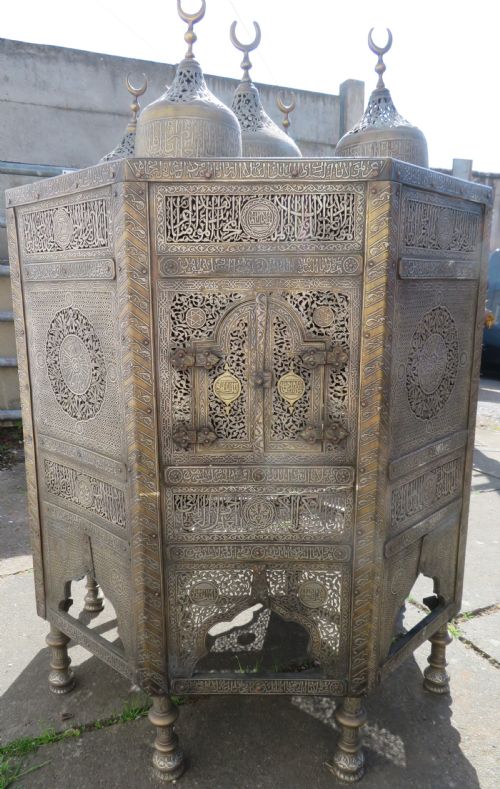
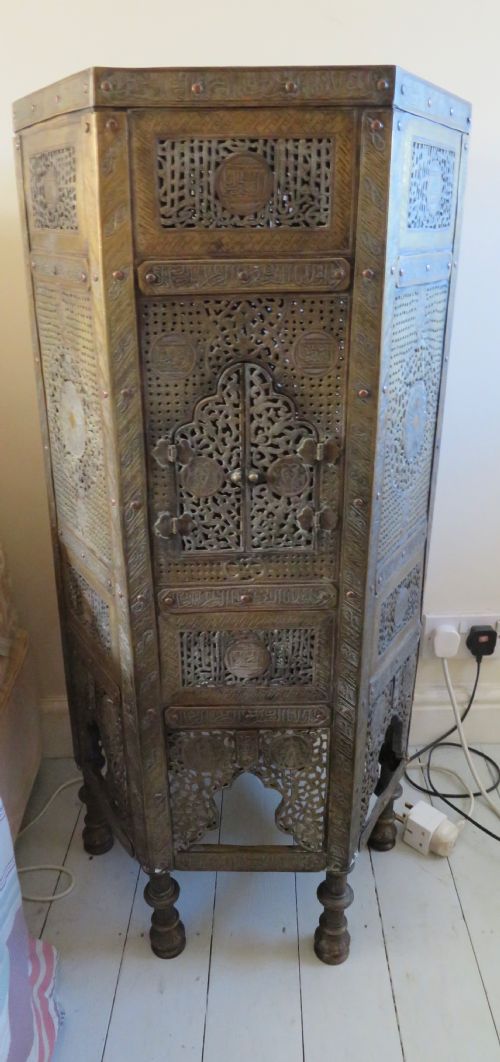
Continental European workshops, particularly French makers working in styles like Louis Seize or Art Nouveau, dominate the physical output. Buyers also encounter pieces featuring intricate inlaid brass work from Cairo alongside American spelter and Italian marble-topped designs.
How they were made
Construction relies heavily on cast or pressed brass, gilt bronze, and ormolu paired with solid structural elements of marble, onyx, glass, and wood. Metal components are frequently chased, engraved, or gilded to achieve a rich golden surface that catches the light.
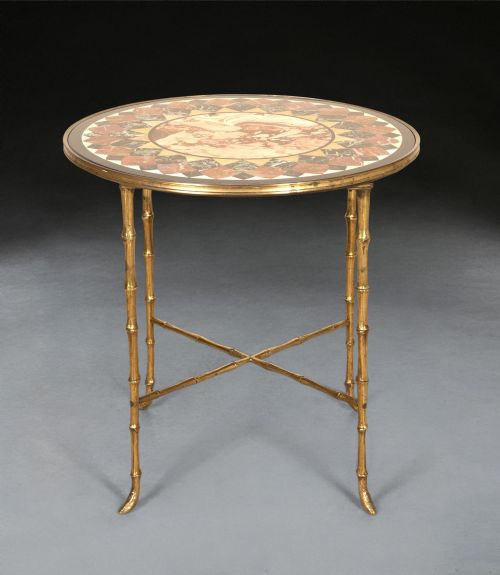
Many occasional tables and lamp stands combine metal frameworks with inset specimen marble or glass tops, securing the stone within cast brass bezels. Specialised techniques such as the silver and gold inlay seen on Cairene brasswork demonstrate complex multi-metal craftsmanship.
Rams and maiden heads peer out from baroque consoles, keeping watch over your afternoon tea.
What varies in quality
Quality reveals itself in the crispness of the metal casting and the depth of the chasing work on brass and gilt bronze surfaces. Superior tables show sharp relief in decorative motifs like tassels, figural mounts, and foliate scrolls rather than soft, rounded edges from worn moulds.
The choice of secondary materials marks another distinction, separating standard brass and pressed sheet metal from heavy cast bronze and genuine inset marbles or onyx. The integrity of the original gilding or patination, alongside the structural rigidity of joints and pedestals, determines the standing of an individual piece.
E Rousseau·Peter Ghyczy
The Gold Metal Side Table Glossary
- Ormolu
- Gilded bronze applied to furniture mounts and decorative objects, created through a mercury amalgamation process in earlier periods. This technique imparts a deep, warm golden lustre to cast metal elements.
- Guéridon
- A small French occasional table supported by one or more columns or figures. These versatile stands often feature circular marble tops and gilt metal frames.
- Cairoware
- Nineteenth and early twentieth-century metalware produced in Egypt, characterised by brass surfaces inlaid with silver and copper calligraphy or geometric patterns. These pieces include hexagonal occasional tables and Quran stands.
- Spelter
- A zinc alloy used as a less costly alternative to bronze for casting decorative figures and lamp bases. It is frequently painted or electroplated to resemble brass or gold.
- Toleware
- Lacquered or enamelled metalware, typically iron or steel, used for decorative vessels and small occasional tables. It provides colourful contrast to polished brass and gilt bronze.
Gold Metal Side Table: Frequently Asked Questions
What periods do these metal tables come from?
The pieces span the nineteenth and twentieth centuries, encompassing Victorian, Edwardian, Art Deco, and mid-century modern eras. Many items reflect specific historical revivals popular during the late 1800s and 1920s.
Craftsmanship from these decades ranges from ornate French gilt bronze designs to simpler geometric brass frameworks.
How were these occasional tables used historically?
They served multiple functional purposes in period interiors, functioning as plant stands, lamp bases, wine tables, and bedside or salon supports. Their compact size allowed them to be moved easily around sitting rooms and conservatories.
Larger variations acted as central display surfaces or pedestals for prominent decorative objects.
What materials are combined with the metal?
Makers frequently paired brass and gilt metal with inset marble, onyx, glass, and timber. Some specialised occasional pieces incorporate intricate copper and silver inlay over brass.
These contrasting textures enhanced the visual appeal of the golden metalwork.
How do I care for a gilt metal surface?
Gilt metal and ormolu require gentle dusting with a soft, dry cloth to prevent the accumulation of abrasive particles. Harsh chemical cleaners and abrasive polishes must be avoided to protect the thin layer of gold.
Maintaining a stable indoor humidity helps preserve both the metallic finishes and any inset marble components.