



Botanical Side Table
A botanical side table brings natural motifs and organic forms into a room, offering a functional surface rooted in decorative arts history.
Botanical Side Table
A botanical side table encompasses occasional furniture, nest of tables, plant stands, and display pieces created across several decades. The selection draws together pieces from the Victorian and Aesthetic periods, alongside Arts and Crafts and Art Nouveau designs.
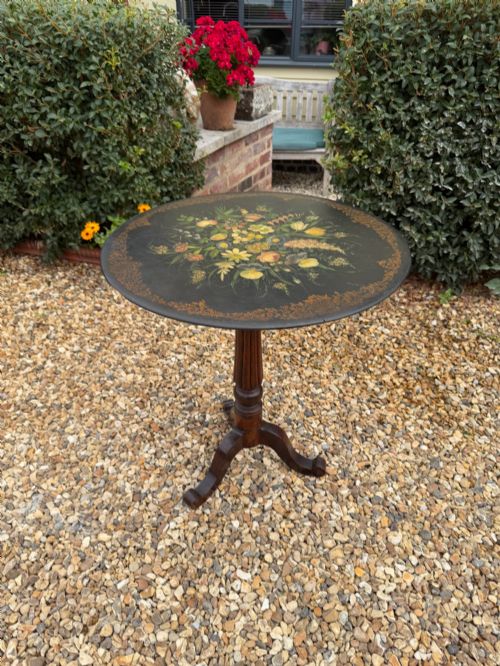
Most examples function as compact surfaces for lamps, plants, or decorative objects, utilising forms such as tilt tops, two-tier structures, and gypsy tables. Buyers encounter materials ranging from traditional timbers to brass, ceramic, and hand-painted surfaces.
How they were made
Construction relies upon timbers such as oak, mahogany, rosewood, walnut, and ebonised wood, often shaped with carved details or inlaid marquetry. Makers combined these woods with ceramic tiles, engraved copper trays, tôleware, and glass inserts.
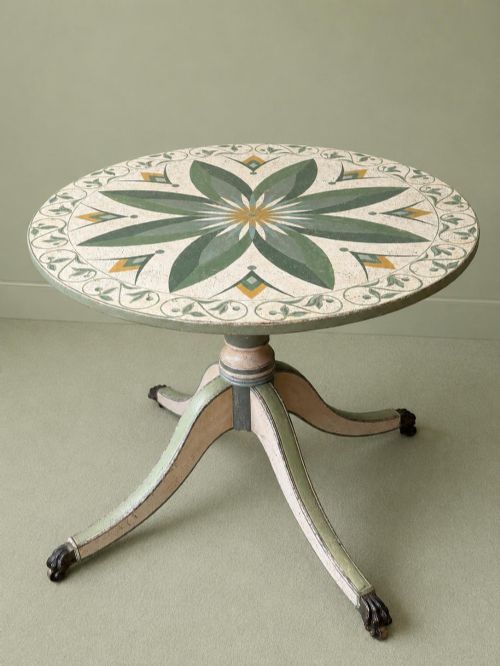
Surface decoration frequently involves hand painting and specific finishes suited to the Aesthetic and Art Nouveau movements. Brass components and structural mounts provide stability and contrast to the timber and ceramic elements.
Botanical Side Table Retail Price Guide 2026
Typical asking prices for botanical side table among the pieces listed under this phrase on Sellingantiques today, from the lower quarter to the upper quarter. They describe what is for sale here now, not the wider market.
Listings span several decades, featuring pieces from the Victorian era through the nineteen forties alongside specific Aesthetic and Art Nouveau styles.
What varies in quality
Quality rests in the precision of the carving, the integration of decorative inlays or ceramic panels, and the structural integrity of the timber framework. Maker attribution, such as work associated with Liberty and Co or Émile Gallé, elevates a piece through documented design provenance.
Materials dictate distinction, with select rosewood, finely painted botanical scenes, and engraved copper trays setting superior examples apart from standard utility furniture. The harmony between the botanical ornamentation and the underlying form determines overall success.
Émile Gallé·Liberty and Co·Liberty of London
The Botanical Side Table Glossary
- Art Nouveau
- A style characterised by flowing, organic lines and floral motifs that dominated design around nineteen hundred. This aesthetic heavily influenced the ornamentation of tables and plant stands from the period.
- Gypsy table
- A lightweight occasional table featuring three turned legs and often draped with fabric or finished with hand-painted decoration. These pieces gained popularity during the late Victorian and Edwardian eras.
- Nest of tables
- A set of graduated tables designed to fit neatly beneath one another when not in use. They provide flexible surface space in smaller rooms.
- Tilt top table
- A table featuring a mechanism that allows the top to pivot to a vertical position. This design saved floor space when the table was not actively in use.
Botanical Side Table: Frequently Asked Questions
What is a botanical side table?
A botanical side table is an occasional table, plant stand, or nest of tables featuring floral or natural ornamentation. These pieces incorporate carved woodwork, painted botanical motifs, ceramic tiles, or engraved metal trays.
Originating across the Victorian, Aesthetic, and Art Nouveau periods, they serve as decorative and functional surfaces for the home.
How were these tables used?
These tables served primarily as occasional surfaces for lamps, books, or decorative objects within Victorian and Edwardian interiors. Plant stands and display tables specifically accommodated ferns and indoor foliage, reflecting the period interest in botany.
Smaller formats like nest tables and tilt top tables offered flexibility for entertaining and saving floor space.
How do I date a botanical table?
Dating relies upon stylistic markers, construction techniques, and materials characteristic of specific eras between eighteen sixty and nineteen forty. Aesthetic and Victorian pieces often feature dark timbers and elaborate inlays, while Art Nouveau examples showcase organic lines and ceramic tiles.
Maker signatures or retailer marks, such as those from Liberty and Co, provide definitive manufacturing periods.
Are these tables suitable for daily use?
Most antique botanical tables function well for everyday placement of lightweight items such as lamps and cups. Consideration should be given to delicate painted surfaces or antique glass and tôleware tops, which require gentle care.
Placing coasters beneath liquids helps protect historic wood finishes and painted decorations.