

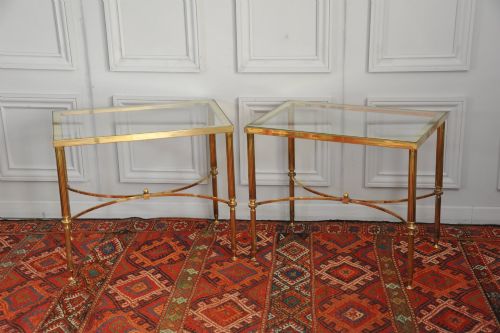
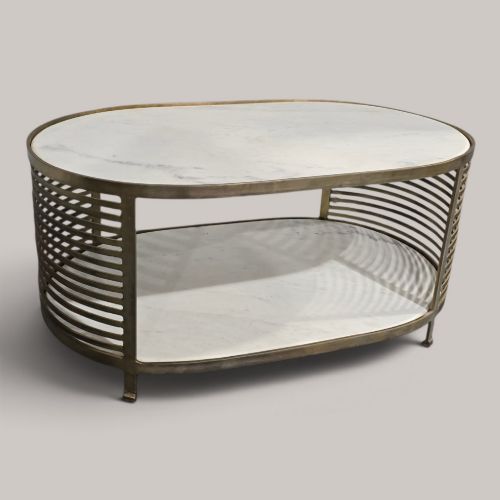
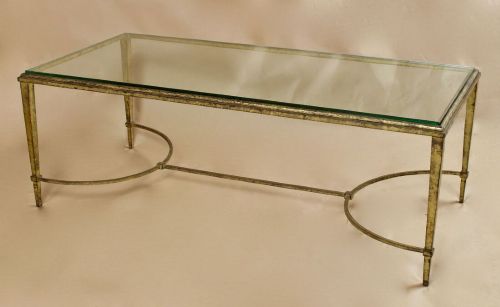
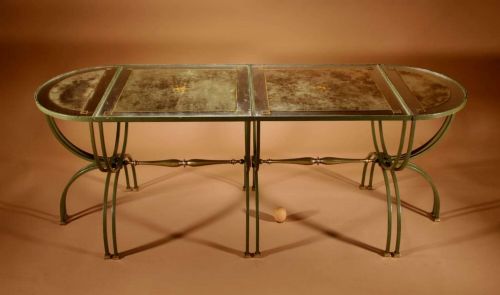


French Metal Coffee Tables
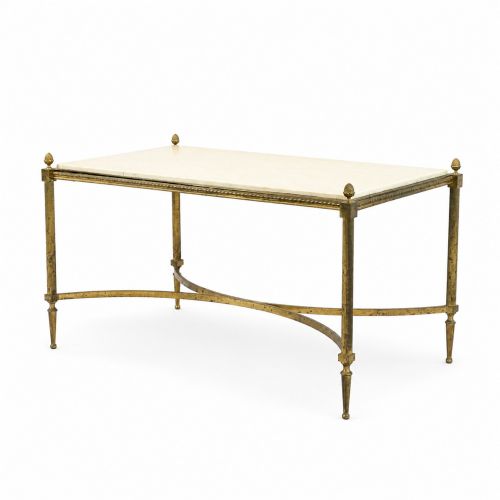
French metal coffee tables bring together sturdy iron frames and polished marble tops, offering practical surface space with distinct Continental style.
French Metal Coffee Tables
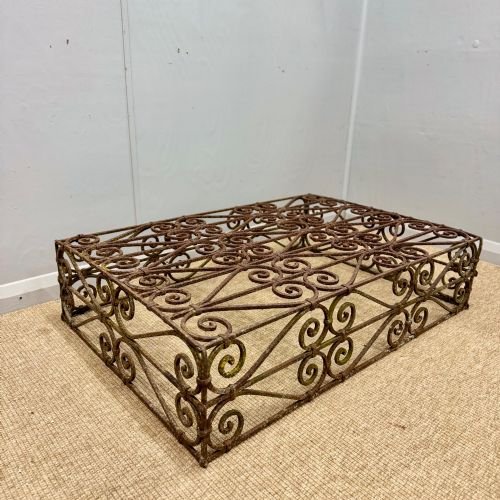
French metal coffee tables span several distinct decades, drawing on periods from the nineteenth century through the mid-twentieth century. Buyers searching for french metal coffee tables will encounter forms ranging from heavy garden tables to refined interior designs.
The selections here highlight various stylistic influences, including Art Deco, French Provincial, and Neoclassical designs. These pieces often function as central low tables or functional side tables within a room.
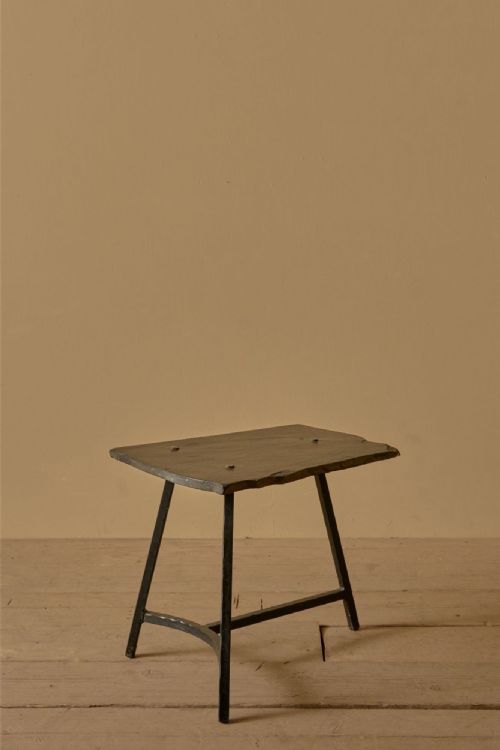
Materials vary across the inventory, frequently combining metal frames with contrasting top surfaces. Wrought iron, brass, and steel frequently support tops made of glass, marble, slate, or wood.
How they were made
Makers utilised forged metals such as wrought iron and steel to construct sturdy structural bases and legs. These frames were frequently shaped with decorative details or left with patinated finishes.
Surface materials were selected to contrast directly with the metal supports. Heavy slabs of marble, slate, and panes of glass were fitted into the metal frames to create stable table surfaces.
French Metal Coffee Tables Retail Price Guide 2026
Typical asking prices for french metal coffee tables among the pieces listed under this phrase on Sellingantiques today, from the lower quarter to the upper quarter. They describe what is for sale here now, not the wider market.
The inventory includes nesting tables and low side tables alongside traditional coffee and garden table forms.
What varies in quality
The grade of materials used for the top surface heavily influences the character of each piece. Thick marble or slate slabs sit at a different level of craftsmanship compared to standard glass inserts.
The complexity and execution of the metalwork define the finer examples in this category. Hand-forged wrought iron details or applied gold leaf show a higher degree of artisan attention than simpler structural frames.
Maison Jansen·Maison Ramsay
The French Metal Coffee Tables Glossary
- Wrought iron
- Iron that is heated and hammered into shape by hand. This material provides sturdy support for heavy stone tabletops.
- Marble
- A metamorphic rock prized for its natural veining and smooth polished finish. It serves as a durable and decorative surface on low tables.
- Art Deco
- A design style characterised by sleek geometric lines and stylised motifs. It appears frequently in pieces dating from the nineteen-twenties and nineteen-forties.
- Neoclassical
- A style inspired by classical antiquity featuring restrained ornamentation and symmetrical proportions. It often manifests in polished brass and iron frameworks.
- Slate
- A fine-grained metamorphic rock used as a dark, matte tabletop surface. It offers a robust alternative to traditional marble.
French Metal Coffee Tables: Frequently Asked Questions
What periods do these tables represent?
The listings span from the nineteenth century through the mid-twentieth century. Pieces reflect prevailing design movements of their respective decades.
Key periods include the Art Deco era and various neoclassical revivals. Each era brings distinct metalworking techniques and material combinations.
How are marble tops secured to metal bases?
Marble and slate slabs typically rest directly within fitted metal frames or upon structural supports. Their own considerable weight keeps them stable.
Buyers should examine how the stone sits within the specific iron or brass structure. This method of construction relies on gravity and precise fitting rather than adhesives.
Can these tables be used outdoors?
Certain pieces, such as garden tables made of wrought iron, were designed for external use. These items utilise weather-resistant metal construction.
Interior models featuring polished brass, gold leaf, or delicate marble require protection from moisture. Checking the specific material helps determine the appropriate placement.
How do I identify an Art Deco piece?
Art Deco metal tables usually feature geometric patterns and streamlined forms. They often combine wrought iron with contrasting brass or glass elements.
These designs emerged strongly during the nineteen-twenties and nineteen-forties. They discard excessive ornamentation in favour of structured, linear silhouettes.