

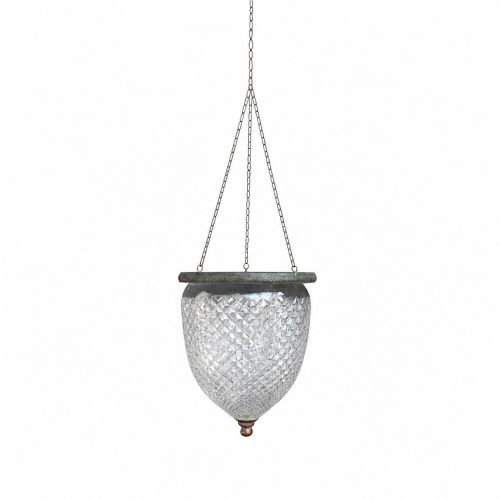
Clear Glass Ceiling Pendant
A clear glass ceiling pendant directs honest light downward while adding period presence to a hall or kitchen.
Clear Glass Ceiling Pendant
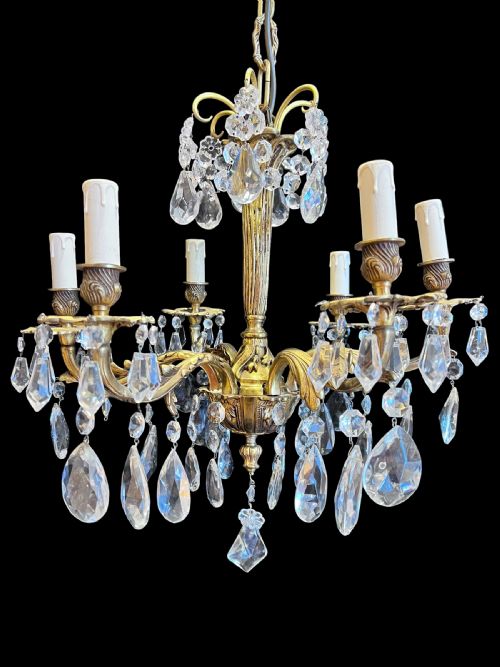
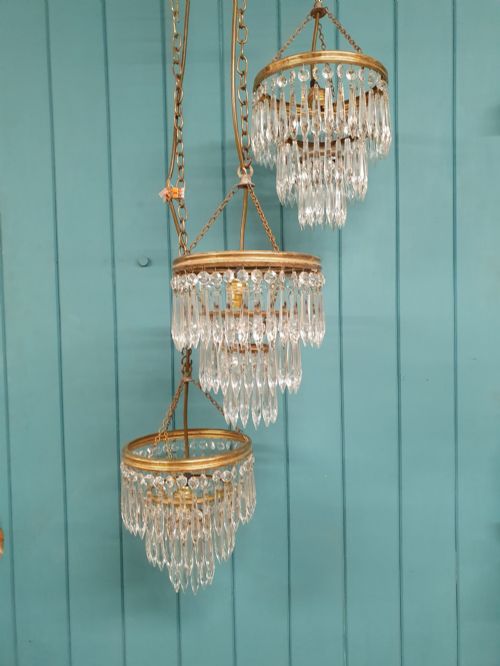
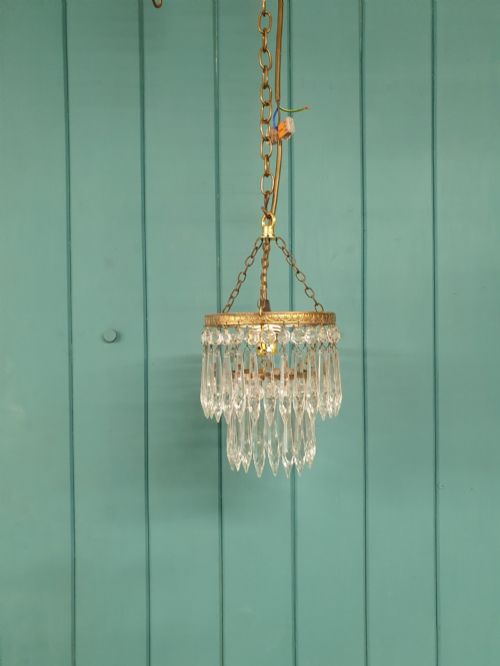
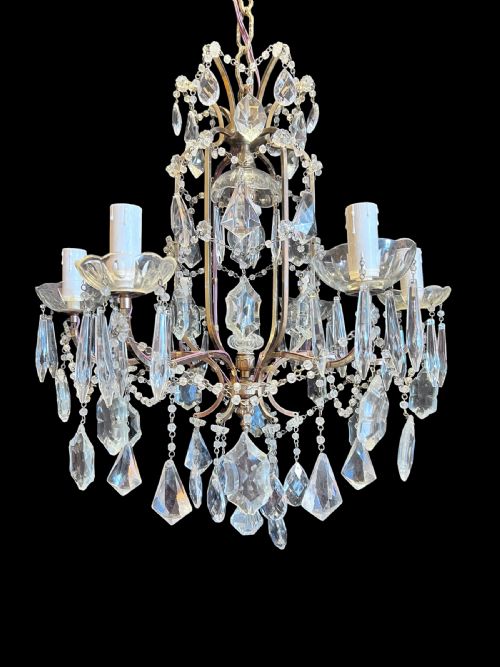
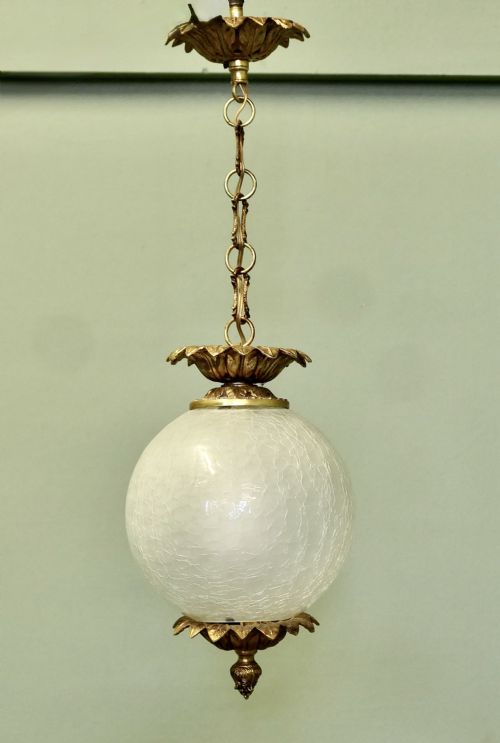
A clear glass ceiling pendant brings together functional illumination and decorative glasswork from the nineteenth and twentieth centuries. These hanging fixtures appear in forms ranging from simple globes and plafonniers to elaborate multi-tiered chandeliers spanning Edwardian, Art Deco, and mid-century aesthetics.
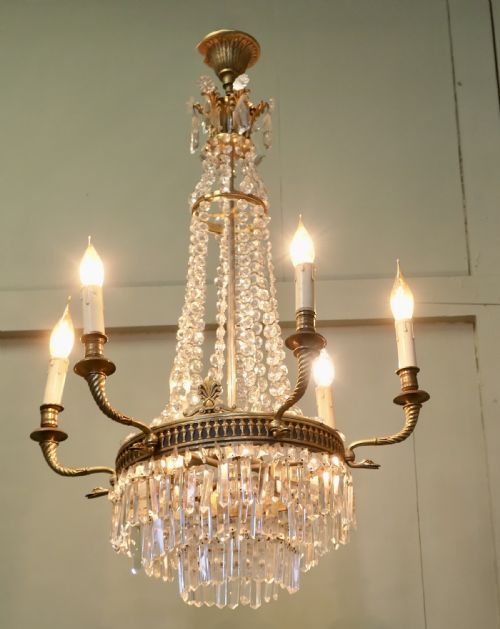
The selection on this page relies heavily on early twentieth-century production, alongside Edwardian designs and nineteenth-century antecedents. Buyers encounter English and continental European pieces shaped by French Empire, Louis Revival, and Italian workshop traditions.
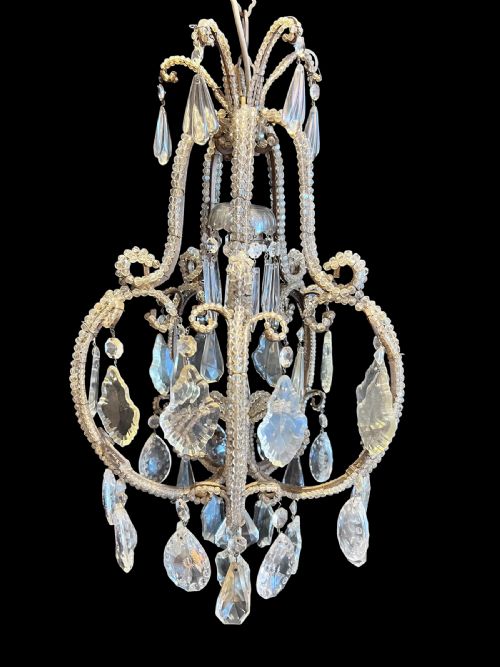
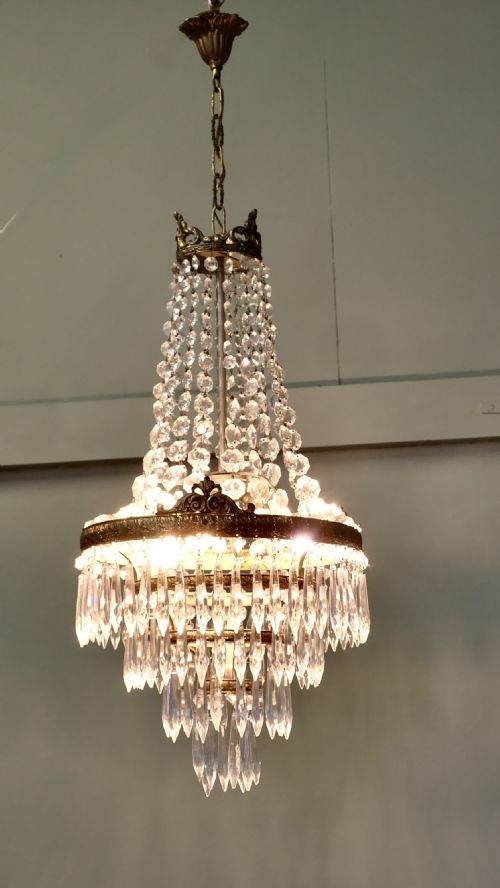
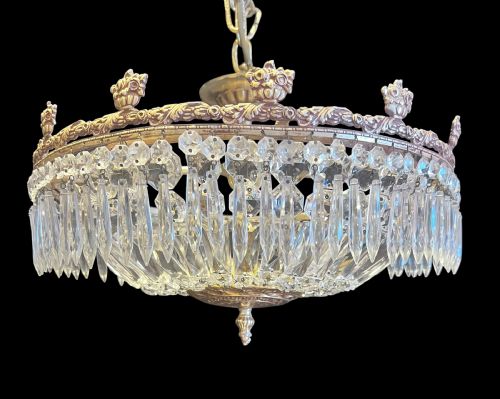
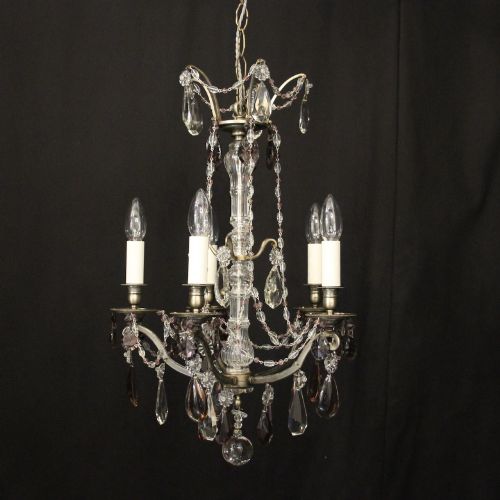
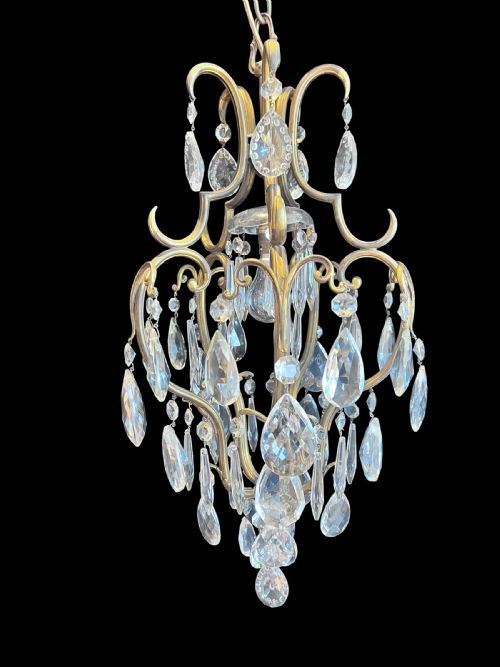
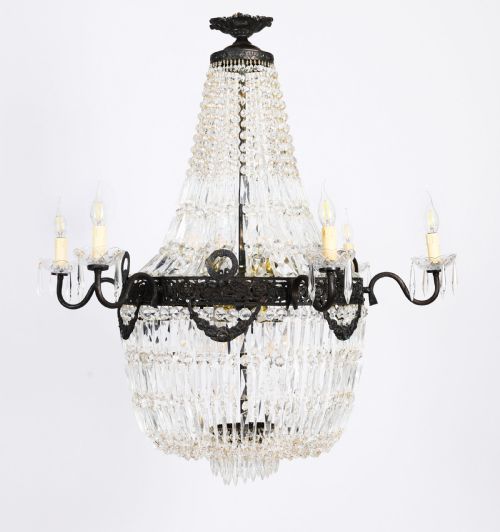
Simpler single-light pendants sit alongside substantial multi-branch chandeliers fitted with cut crystal, prisms, and beaded garlands. Each variant serves a specific architectural scale, from compact hallways to high-ceilinged reception rooms.
Materials and construction methods
Metalwork frames rely primarily on brass, bronze, and plated metals to support heavy glass components safely. Skilled founders cast and assemble arms, bands, and suspension rings before finishing them with gilding or polished metallic sheens.
Glass elements combine blown globes, pressed shades, and hand-cut crystal prisms secured by wire loops or pinned metal pins. Cut glass and crystal components refract light through precise wheel-cut facets produced by traditional lapidary techniques.
Some ball-shaped pendants hide tiny glass insects trapped inside the blowing process to amuse observant guests.
Standards of craftsmanship and preservation
Superior examples demonstrate crisp facet cutting on crystal drops and heavy gauge cast brass frames that maintain structural rigidity under load. Lesser pieces rely on pressed glass with softer edges and lighter stamped metal components.
Completeness of original drops, prisms, and matching glass shades dictates authenticity and visual balance. Surface patination on the metal framework also indicates age and careful handling over decades of domestic use.
The Clear Glass Ceiling Pendant Glossary
- Plafonnier
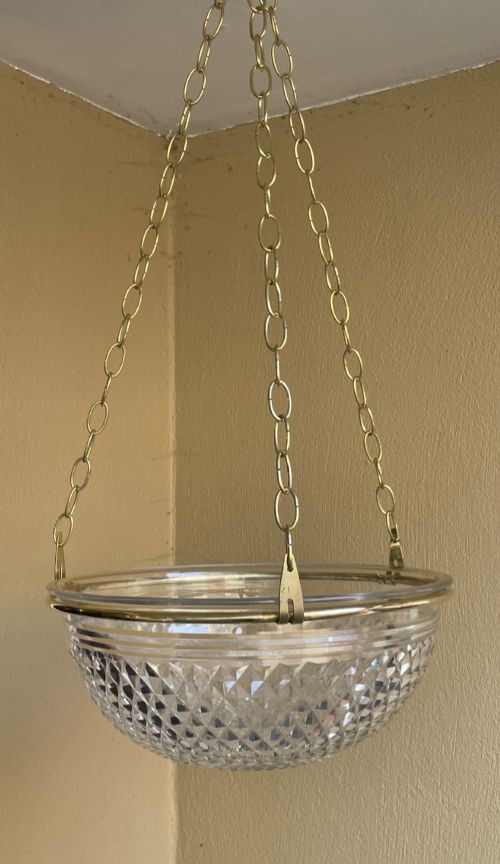
- A ceiling-mounted light fixture with a glass bowl or shade held close to the plasterwork. These pieces project illumination directly downward into compact spaces.
- Tent and waterfall
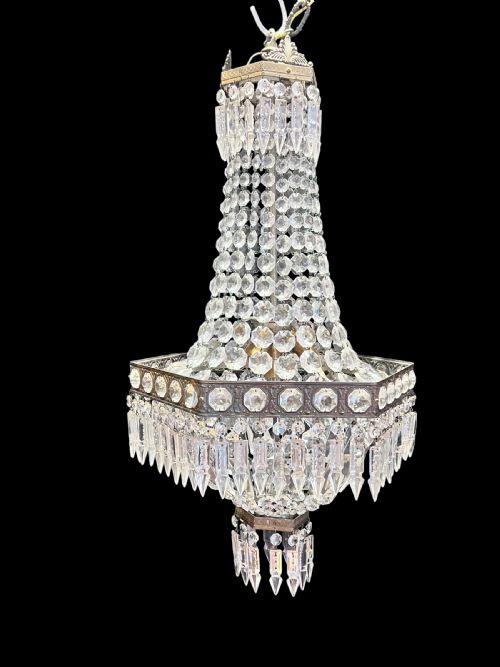
- A chandelier structure featuring an upper conical tent of strung crystals dropping into a wider cascading fringe. This arrangement maximises light refraction across formal rooms.
- Coffin prism
- A long, flat-backed pendant drop with a pointed lower termination resembling a traditional geometric shape. These heavy crystals catch ambient light from multiple angles.
- Bag chandelier
- A compact lighting form where numerous small crystals are gathered in a netted bag profile beneath the primary frame. The style concentrates sparkle within lower ceiling heights.
- Holophane
- A proprietary pressed glass shade moulded with precise prismatic ribs to direct light efficiently. These industrial and domestic shades control glare while maintaining high illumination levels.
Clear Glass Ceiling Pendant: Frequently Asked Questions
How do I clean a crystal pendant?
Wash glass components individually in lukewarm soapy water using a soft cloth, supporting each piece carefully to prevent chipping against metal frames.
Dry every drop thoroughly with a lint-free towel before reattaching it to the brass or bronze armature.
Can these pendants take modern bulbs?
Most antique fixtures accept standard modern SES or GES screw bulbs depending on the lampholder size fitted during rewiring.
Consult a qualified electrician to ensure the internal wiring meets current safety standards before installation.
Where should I hang a plafonnier?
Plafonniers suit low-ceilinged rooms, hallways, and stairwells where hanging drop chandeliers would obstruct head clearance.
Their flush profile distributes ambient illumination evenly across restricted floor spaces without visual clutter.
How do I date an Edwardian glass pendant?
Examine the mounting hardware, screw threads, and the composition of the metal frame alongside the cutting style of the glass shade.
Edwardian pieces often feature substantial brass fittings combined with dense, hand-finished cut crystal or early moulded glass.