


Vintage Glass Bowl Pendant
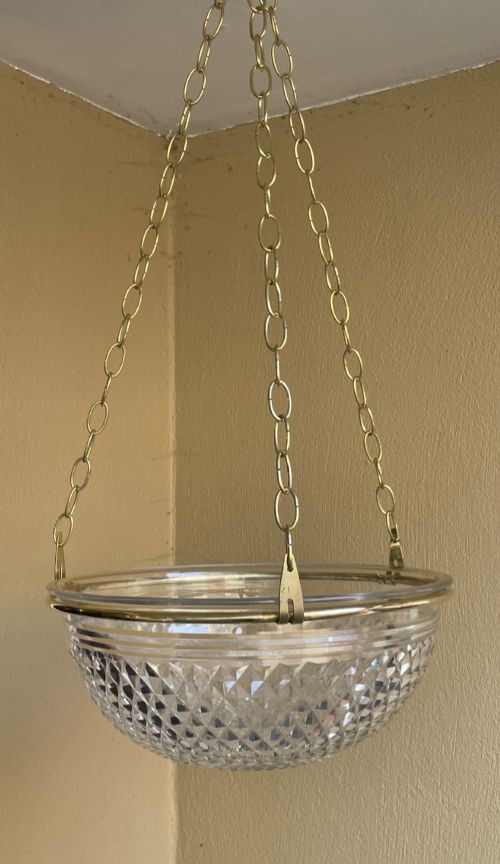
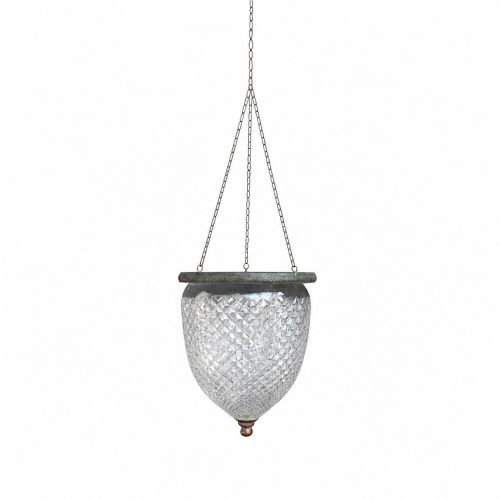
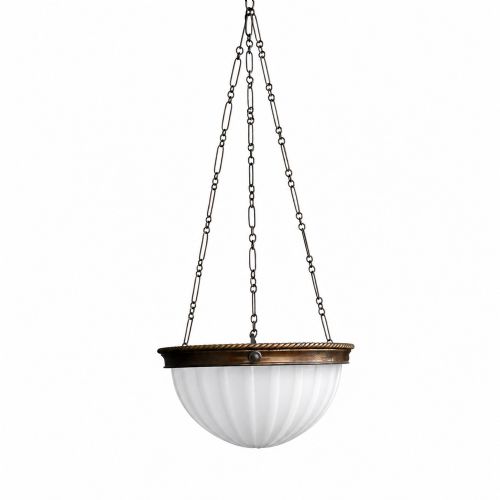
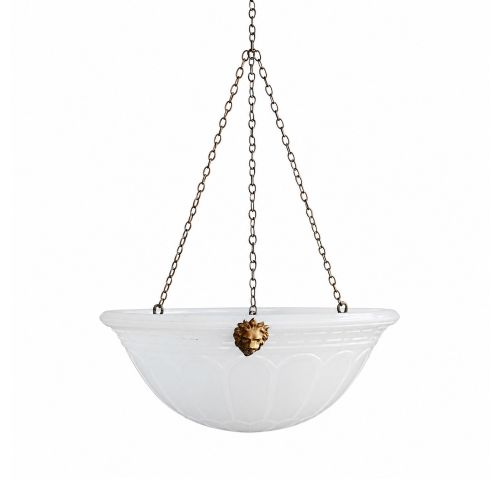
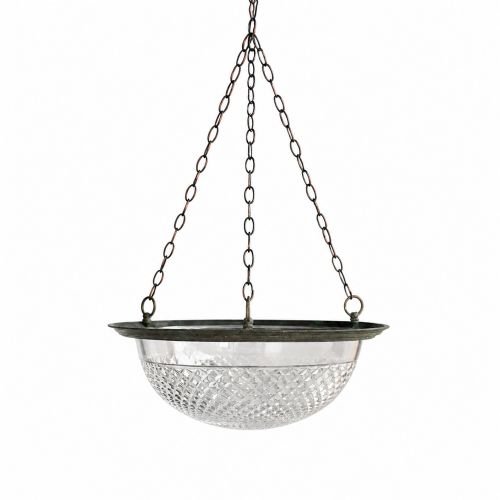
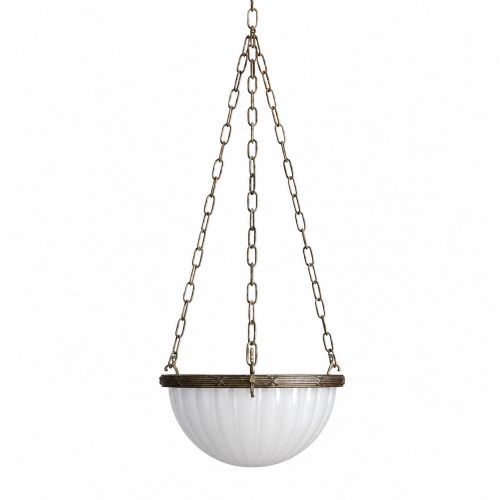
These vintage glass bowl pendant options hang with distinct period character, offering suspended illumination crafted from pressed, cut, or moulded glass.
Vintage Glass Bowl Pendant
When searching for a vintage glass bowl pendant, buyers encounter ceiling-hung lighting fixtures taking the form of plafonniers, dish lights, and suspended bowls. These pieces emerge from periods spanning the Victorian era through the 1930s Art Deco movement, carrying the design language of their respective decades.
Edwardian cut glass designs and 1920s opalescent bowls dominate the architectural profiles found across the inventory. Buyers select these fixtures to anchor period interiors with authentic suspended glassware supported by metal suspension hardware.
What varies in quality
The depth and crispness of hand-cut facets in crystal and cut glass components separate standard utility lighting from superior decorative work. Finer examples display precise geometric or organic cutting patterns that catch and refract light with exceptional clarity.
The quality of the mounting hardware, such as cast bronze frames, silver plating, and detailed brass suspension chains, dictates the overall integrity of the piece. Superior fixtures integrate robust structural metals that securely balance the substantial weight of thick glass bowls.
Listings feature brass, bronze, and silver-plated metalwork supporting glass bowls shaped across the Victorian, Edwardian, and Art Deco eras.
Jefferson Light
The Vintage Glass Bowl Pendant Glossary
- Plafonnier
- A ceiling-mounted or tightly suspended bowl light shade directing illumination downwards into a room. This French term appears frequently in Edwardian and Art Deco lighting descriptions.
- Moonstone Glass
- A milky, semi-translucent white glass variant that diffuses light with a soft, ethereal glow. It was widely utilised during the early twentieth century for atmospheric pendant lighting.
- Opalescent Glass
- Glass that exhibits a milky, milky-blue or milky-pink iridescence when lit from within. The effect adds subtle shifting colour tones to ceiling fixtures.
- Cut Glass
- Glass decorated by grinding facets or patterns into the surface using mechanical wheels. This technique enhances the brilliance and refractive properties of crystal bowls.
Vintage Glass Bowl Pendant: Frequently Asked Questions
How do I hang a heavy glass bowl pendant?
These fixtures require secure anchorage into ceiling joists using appropriate metal hooks and suspension chains capable of supporting the combined weight of glass and metal. Professional installation ensures the electrical wiring and ceiling canopy align safely.
Weight distribution matters significantly given the heavy nature of cut glass and bronze combinations. Ensuring the suspension hardware fastens directly to structural timber prevents any risk of ceiling failure.
What rooms suit a plafonnier lighting fixture?
Plafonniers work exceptionally well in hallways, dining rooms, and bedrooms with standard or high ceilings where direct downward illumination is required. Their close-to-ceiling profile makes them practical for spaces requiring substantial light without low-hanging drops.
The diffused glow from opaline or frosted glass creates an inviting atmosphere in reception rooms. Selecting the appropriate diameter ensures the scale matches the room dimensions.
How do I identify an Art Deco glass bowl?
Art Deco pieces typically feature geometric moulding, stylised motifs, and characteristic opaline, pink, or frosted glass finishes dating from the 1920s and 1930s. The metal mounts often display streamlined industrial or stepped profiles distinct from earlier Victorian designs.
Examining the glass texture and suspension hardware helps differentiate these from Edwardian or nineteenth-century equivalents. The clean lines reflect the modern design movements of the interwar period.
Can I use modern LED bulbs in these vintage fixtures?
Modern LED bulbs work well provided they match the required physical dimensions and heat output limits of the original glass shade. Choosing warm white LED options preserves the historical ambience cast by vintage moonstone and opaline glass.
Checking the existing lamp holder type ensures compatibility with contemporary bulb bases. Consulting an electrician guarantees the internal wiring accommodates modern electrical standards safely.