




Antique Glass Dish Light
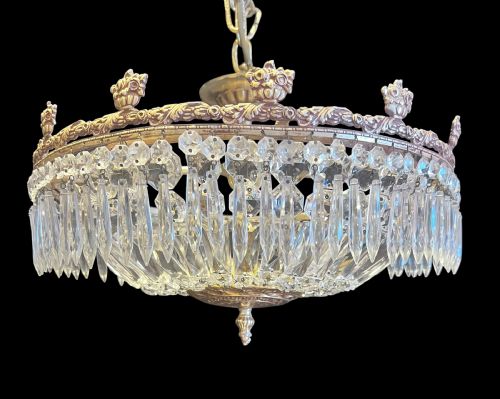
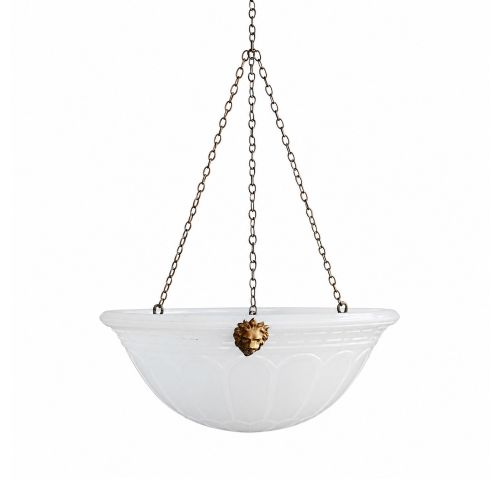
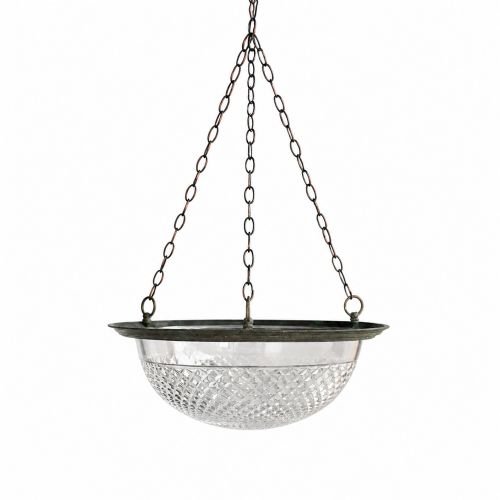
These antique glass dish light fixtures bring together cut crystal, brass, and bronze to illuminate a room with period character.
Antique Glass Dish Light
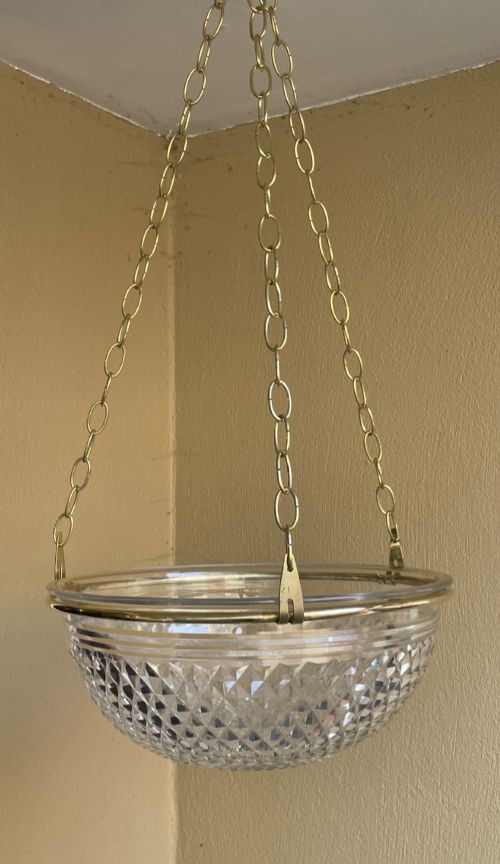
An antique glass dish light is a ceiling fixture suspended to hold a bowl, dish, or shade made from pressed, cut, or opalescent glass. These pieces take the form of plafonniers, bowl chandeliers, and pendant lampshades designed to sit close to the ceiling or hang on chains. The selection available on this page spans from the nineteenth century through the Edwardian period and into the Art Deco era of the 1930s.
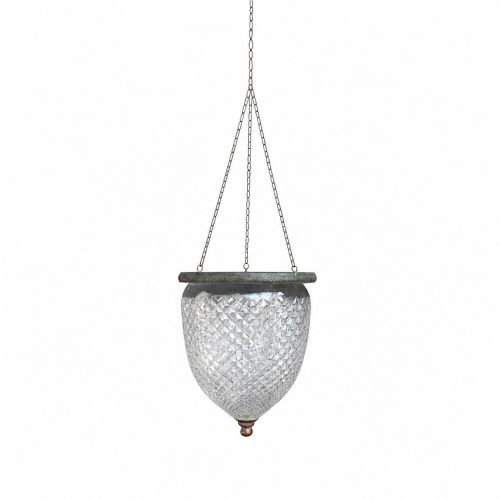
Buyers will encounter various regional styles, including English cut glass acorn designs, French ormolu mounts, and Bohemian pieces. The forms range from simple opaline bowls to large moonstone lights and elaborate crystal fixtures mounted in brass or bronze. Most examples serve as functional ceiling lighting that diffuses light through textured or frosted glass surfaces.
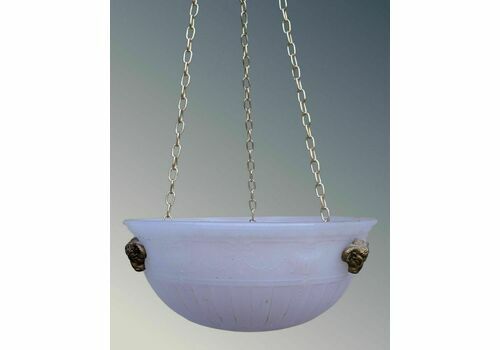
The materials paired with the glass define the aesthetic of each piece, incorporating metal frameworks that secure the heavy glass bowls. Brass and bronze dominate the mountings, often featuring decorative details such as rams' heads or neoclassical motifs. Whether searching for an Arts and Crafts bowl or an early twentieth-century plafonnier, these ceiling lights provide a central focal point for historic interiors.
How they were made
Makers formed the dish portions using heavy lead crystal, uranium glass, moonstone glass, or opalescent glass, shaped by blowing or pressing into moulds. Many dishes feature intricate hand-cut facets that catch and refract light, a technique requiring skilled glass cutting. Other pieces utilise frosted or opalescent surfaces to soften the glow.
Listings feature periods spanning from 1800 to the 1930s, including Victorian, Edwardian, and Art Deco examples.
What varies in quality
The depth and precision of the glass cutting separate standard examples from finer pieces, where facets show sharper edges and greater clarity. The weight and purity of the crystal or specialised glass, such as uranium or moonstone varieties, also influence the overall character of the dish. Thicker, heavier bowls demonstrate superior material substance.
The quality of the metalwork defines the upper tier of these fixtures, particularly where cast bronze, ormolu, or detailed brass mounts are employed. Finer pieces feature crisply cast decorative elements like rams' heads and well-finished patination rather than simple pressed sheet metal. The harmony between the metal mount and the glass dish determines the balance and proportion of the finished light.
The Antique Glass Dish Light Glossary
- Plafonnier
- A ceiling light fixture with a bowl or dish shade that sits close to the ceiling. This French term describes shallow pendant lights common in the nineteenth and early twentieth centuries.
- Cut Glass
- Glass decorated by grinding facets or patterns into the surface using a wheel. This technique enhances the sparkle and light refraction of antique dish lights.
- Opalescent Glass
- Glass that displays a milky, semi-translucent appearance with milky-blue or fire-like highlights. It diffuses light softly across the room.
- Ormolu
- Finely chopped high-karat gold ground and applied to a bronze base metal object. It provides a rich, warm metallic finish seen on French antique mounts.
- Moonstone Glass
- A type of opaque or semi-translucent white glass resembling the sheen of a moonstone. It creates a soft, luminous glow when illuminated.
Antique Glass Dish Light: Frequently Asked Questions
How do I hang a heavy dish light?
These fixtures require secure ceiling joists or proper electrical ceiling boxes capable of supporting the combined weight of the glass and metal. Professional installation by an electrician ensures the chains and wiring take the load safely.
Most antique dish lights use three or four suspension chains attached to a central canopy. Adjusting these chains allows you to set the proper height for the room.
What rooms suit an antique dish light?
Plafonniers and dish lights work well in hallways, bedrooms, and reception rooms with standard or low ceilings. Their shallow profile provides ambient illumination without hanging too low into the space.
In dining rooms or living areas, a larger crystal or opalescent bowl acts as a central statement piece. The diffused light creates a warm atmosphere suitable for historic interiors.
How do I clean the glass dish?
Remove the glass dish from its metal mount if it is held by screws or clips to clean it safely. Wash the glass gently in warm soapy water and dry it thoroughly with a soft cloth.
Avoid soaking metal mounts or ormolu parts in water to protect the historic patina. Dust the metal framework with a dry brush or soft cloth.
What is uranium glass?
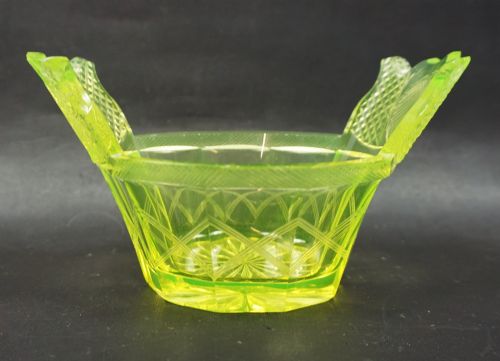
Uranium glass contains a small amount of uranium added to the glass batch as a colouring agent before the nineteenth century or during the Victorian era. It produces a distinct yellow-green tint in natural light.
Collectors prize these pieces for their unique colour and historical manufacturing methods. They appear in early nineteenth-century Bohemian lighting.