


Crystal Bowl Ceiling Fixture
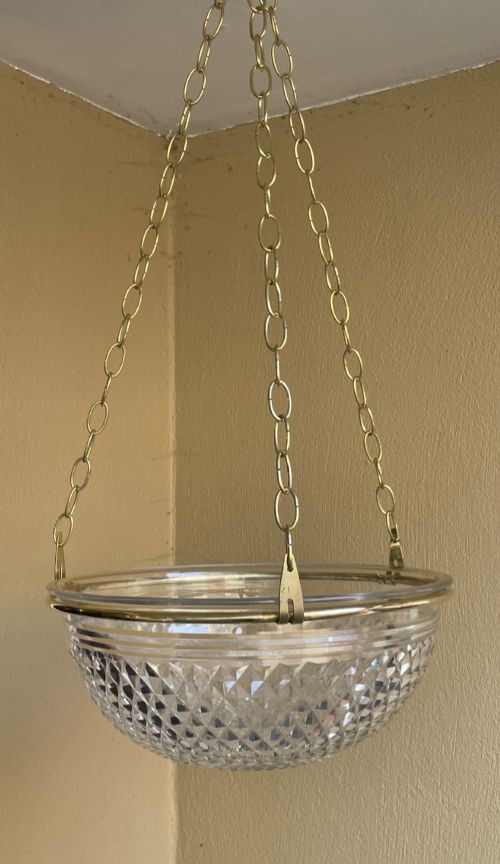
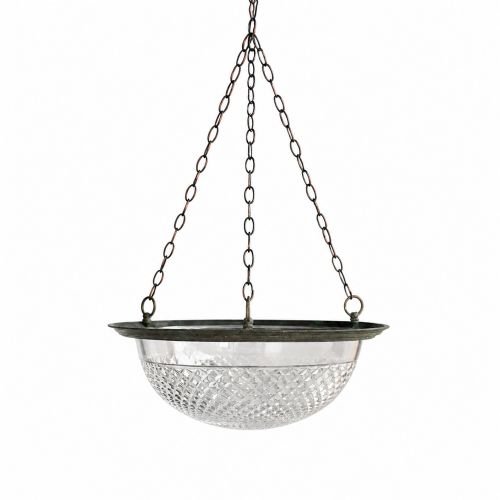
These crystal bowl ceiling fixture examples provide practical illumination through cut glass and brass or bronze mounts.
Crystal Bowl Ceiling Fixture
A crystal bowl ceiling fixture is a hanging lighting form designed to distribute light close to or suspended directly from the ceiling. When searching for a crystal bowl ceiling fixture, collectors encounter varied iterations spanning the Victorian, Edwardian, and Arts and Crafts periods, alongside 19th Century French and French Neoclassical styles.
The selections appearing in these listings predominantly take the form of plafonniers, dish lights, pendant lights, and bowl chandeliers. Originating largely from English and continental workshops, these pieces utilise bowl-shaped glass diffusers held by metal mounts.
Buyers meet specimens dating from the mid-nineteenth century through to the 1920s, demonstrating the enduring popularity of bowl-form hanging lights. The designs adapt glass working traditions to practical household illumination across several decades of domestic architecture.
Construction and materials
The primary visual and structural components combine heavy glass bodies with structural metal mounts in brass, bronze, or silver plate. Cut glass and crystal form the bowls, frequently featuring patterned surfaces designed to refract and diffuse the light source effectively.
Metalwork frames securely cradle the glass bowls, utilising suspension chains or direct ceiling mountings fashioned from cast bronze or plated metals. The integration of metal hardware with heavy glass elements requires precise engineering to support the weight securely.
Listings feature pieces spanning the Victorian and Edwardian periods alongside Arts and Crafts and French Neoclassical styles.
Judging quality in bowl fixtures
Quality separates objects by the depth and clarity of the glass cutting alongside the weight and finish of the metal mounts. Superior pieces display crisp faceting on the crystal bowls and substantial bronze or silver plated frames that hold their shape securely.
The harmony between the glass diffuser and the supporting metalwork dictates the overall success of the piece. Better examples integrate the suspension hardware seamlessly into the decorative scheme of the mounting ring.
The Crystal Bowl Ceiling Fixture Glossary
- Plafonnier
- A ceiling light featuring a bowl-shaped shade mounted close to the ceiling or suspended by short chains. This French term applies widely to bowl fixtures from the Victorian and Edwardian eras.
- Cut Glass
- Glass decorated by grinding facets or patterns into the surface using wheels. This technique enhances light refraction through the bowl.
- Silver Plate
- A thin layer of silver applied over a base metal foundation such as brass or copper. Fixtures utilise this finish to provide the appearance of solid silver.
- Arts and Crafts
- A design movement prioritising traditional craftsmanship and simple forms. Pieces from this aesthetic often emphasise the natural qualities of the metal and glass materials.
Crystal Bowl Ceiling Fixture: Frequently Asked Questions
How do I clean an antique glass bowl?
Remove the glass bowl from the metal mounts whenever possible to wash it in warm soapy water. Dry the crystal thoroughly with a lint-free cloth to restore its clarity.
Avoid submerging metal mounts that feature delicate silver plating or patinated bronze. Wipe the hardware gently with a dry or slightly damp cloth instead.
What rooms suit a bowl ceiling fixture?
Plafonniers and dish lights provide ambient downward illumination suited to hallways, bedrooms, and dining spaces with moderate ceiling heights. Their enclosed profile keeps them tidy in compact areas.
Larger bowl chandeliers function effectively as central focal points in principal reception rooms. The diffused light output creates an even glow across the space.
How do I date an Edwardian glass fixture?
Edwardian pieces often combine cut glass bowls with silver-plated or brass mounts showing distinct early twentieth-century proportions. Stylistic cues align with furnishings from the decade leading up to the First World War.
Compare the mounting hardware and wiring channels with documented examples from the period. Catalogues from the era illustrate similar bowl forms hung with standard brass chain links.