


Cut Glass Bowl Light
These cut glass bowl lights combine heavy pressed or wheel-cut crystal with brass, bronze, and silver-plated mounts to hang close to the ceiling as functional period illumination.
Cut Glass Bowl Light
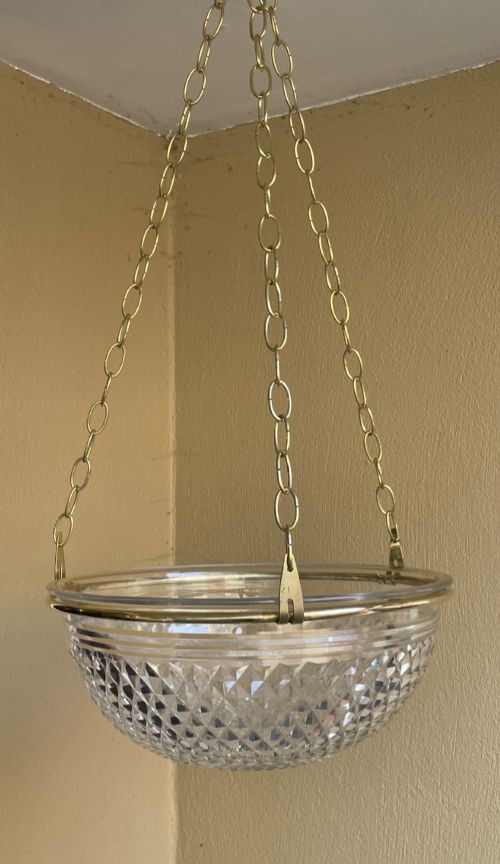
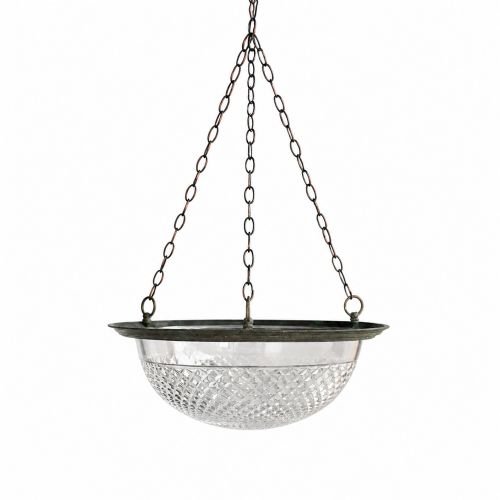
When you search for a cut glass bowl light, you are looking at ceiling-mounted fixtures that use a deep glass vessel as the primary shade. These pieces distribute soft illumination while showcasing decorative facets and hobnail patterns across the lower bowl.
The versions you are most likely to meet on this page span the Victorian and Edwardian eras, with English and continental workshops producing plafonniers and pendant lights. Many examples take the form of shallow dishes or acorn-shaped bowls suspended from metal chains or fixed directly to brass collars.
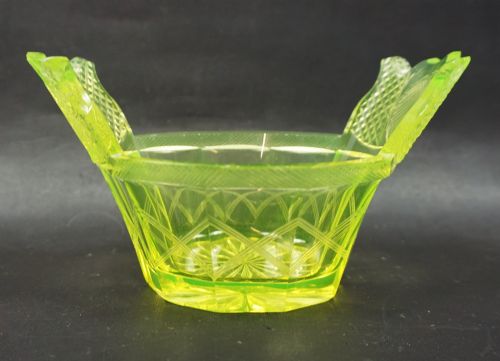
Beyond standard clear crystal, the selection incorporates specialised materials like Bohemian uranium glass and frosted finishes. Forms range from simple Arts and Crafts bowl chandeliers to ornate French Neoclassical ceiling lights framed in bronze.
How they were made
Glassmakers created these bowls using heavy-walled crystal and pressed glass, employing wheel-cutting techniques to carve deep geometric facets and star motifs into the exterior surface. This thick material required careful annealing to withstand both the weight of the hanging hardware and the heat of early interior lamps.
Mounts and suspensions relied on cast brass, bronze, and silver plate, which were shaped to grip the rim of the glass bowl securely. Metal components often featured chased or patinated details that matched the prevailing aesthetic of the period, from Victorian industrial brackets to refined Edwardian chains.
Listings feature periods spanning from 1800 through the Edwardian era, incorporating materials like uranium glass, bronze, and silver plate.
What varies in quality
The distinction between standard production and finer pieces rests on the depth and crispness of the glass cutting, where sharp, clean facets catch the light more effectively than shallow or smoothed pressing. Heavier crystal weight and greater clarity in the glass body indicate superior material selection.
Metalwork execution defines the upper tier of these fixtures, distinguishing solid cast bronze and substantial silver-plated mounts from lighter, pressed metal fittings. Well-integrated suspension hardware that fits the contours of the bowl without putting undue stress on the glass demonstrates thoughtful craftsmanship.
The Cut Glass Bowl Light Glossary
- Plafonnier
- A ceiling light fixture designed to sit flush or hang very close to the ceiling, typically featuring a bowl-shaped shade. This form directs light downward while enclosing the bulb.
- Cut Glass
- Glassware decorated by holding the vessel against a rotating abrasive wheel to grind away patterns. This technique produces sharp-edged facets and deep linear designs.
- Uranium Glass
- Glass containing trace amounts of uranium oxide added as a colorant, producing a distinct yellow-green appearance. These objects glow under ultraviolet light.
- Silver Plate
- A thin layer of silver applied to a base metal core such as copper or brass. This finish provided the appearance of solid silver for structural mounts.
- Arts and Crafts
- A design movement prioritising traditional craftsmanship and simple forms over mass-produced ornamentation. Fixtures from this style often emphasise honest construction and visible materials.
Cut Glass Bowl Light: Frequently Asked Questions
What is a plafonnier?
A plafonnier is a ceiling-mounted light fixture where a bowl-shaped shade sits close to or directly against the ceiling. It functions primarily to diffuse illumination downward across a room.
These pieces typically suspend from a short chain or secure directly via a metal collar. They suit hallways, bedrooms, and rooms with lower ceiling heights.
How do I hang a vintage bowl light?
Hanging these fixtures requires securing the primary ceiling rose to an appropriate joist or bracket capable of supporting the combined weight of glass and metal. The electrical wiring must then feed down through the suspension chains or rods.
Because original wiring seldom meets modern safety standards, rewiring by a qualified electrician is standard practice before installation. The fitter must ensure the metal claw mounts support the bowl securely without pinching the glass rim.
How do I date a cut glass light?
Dating relies on examining the style of the metal mounts, the mounting hardware, and the depth of the glass cutting. Victorian and Edwardian examples often feature heavy cast brass or silver-plated collars with distinct period ornamentation.
Subtle indicators include the type of glass composition, such as uranium content or frosted treatments typical of the nineteenth century. Comparing the suspension mechanism to documented lighting catalogues helps narrow the decade of manufacture.
Are these lights compatible with modern bulbs?
Most antique bowl lights accommodate modern LED bulbs once the internal lamp holder is updated during rewiring. The primary consideration is ensuring the bulb wattage and physical dimensions fit within the enclosed glass bowl.
Using low-heat LED alternatives prevents excessive thermal buildup inside enclosed crystal shades. This protects both the historical glass and the vintage metal mounts from heat damage.