

Clear Crystal Wine Goblet
A clear crystal wine goblet brings tactile weight and bright refraction to the table, uniting centuries of refined drinking vessel design.
Clear Crystal Wine Goblet
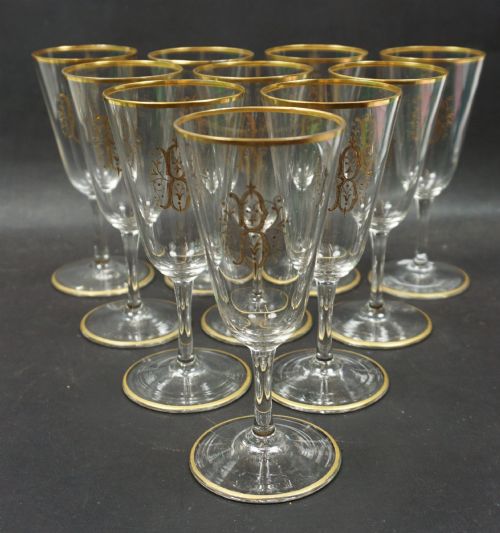
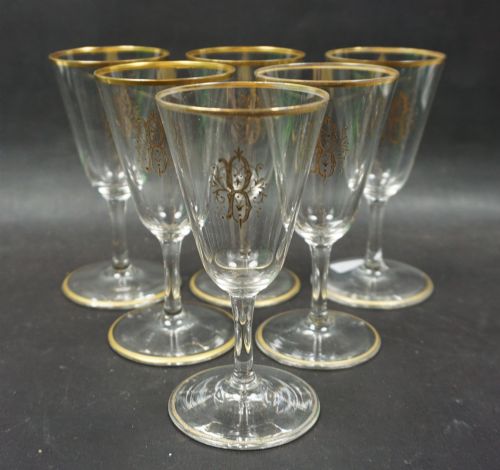
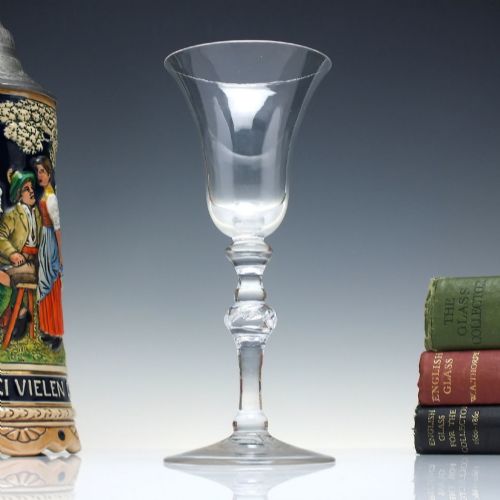
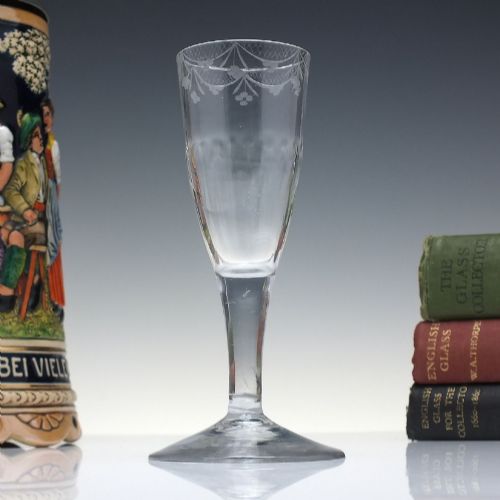
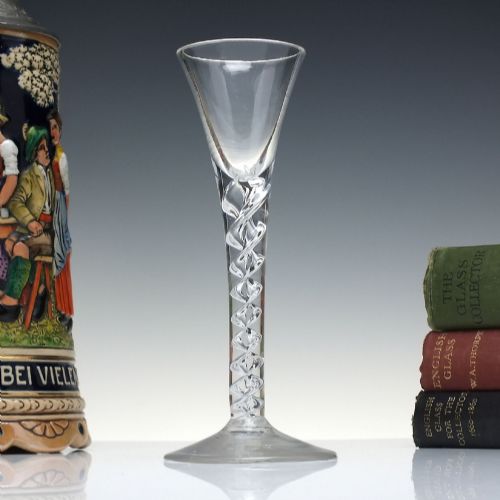
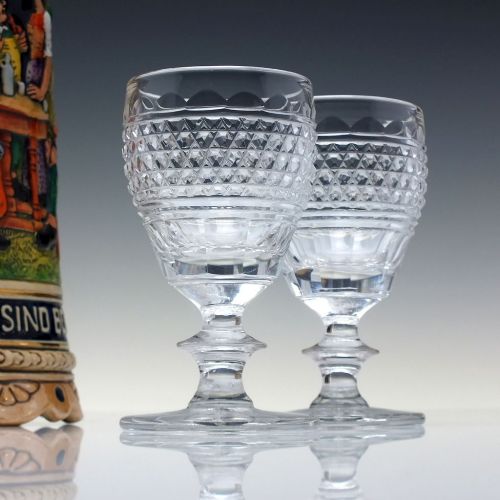
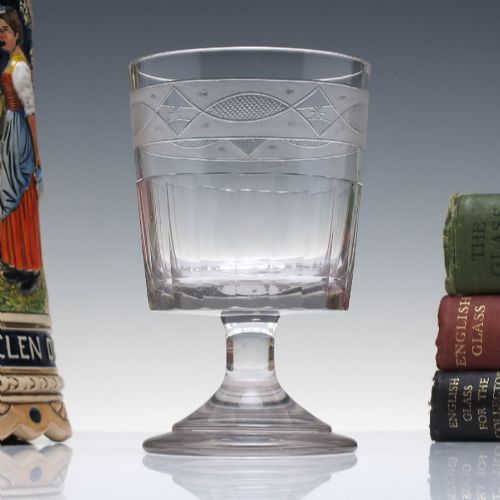
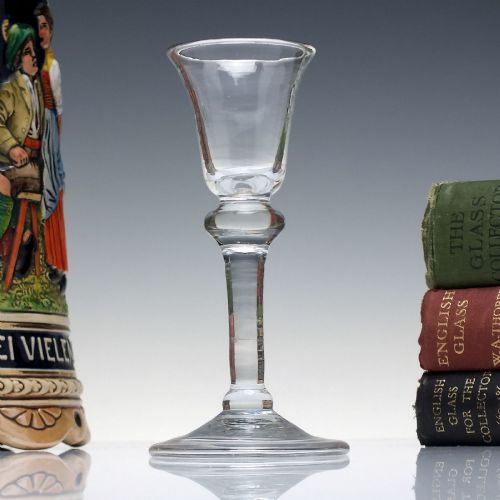
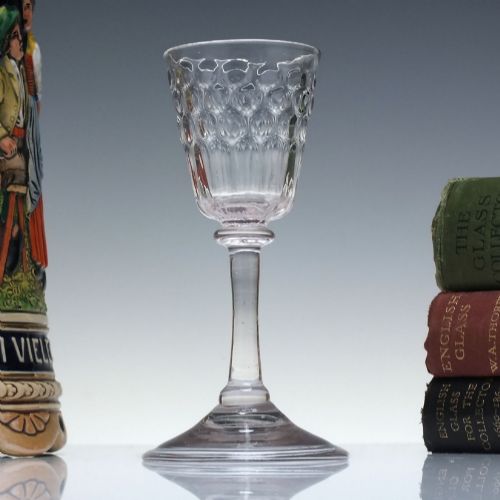
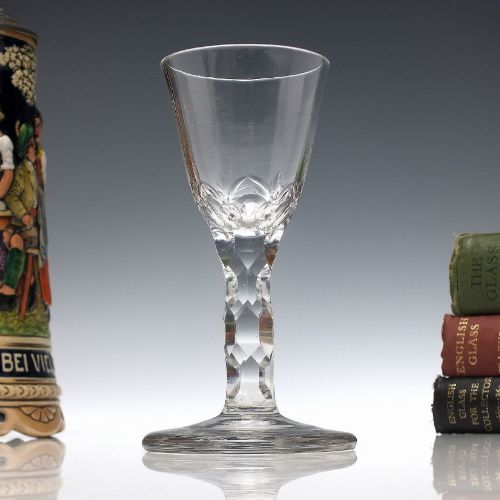
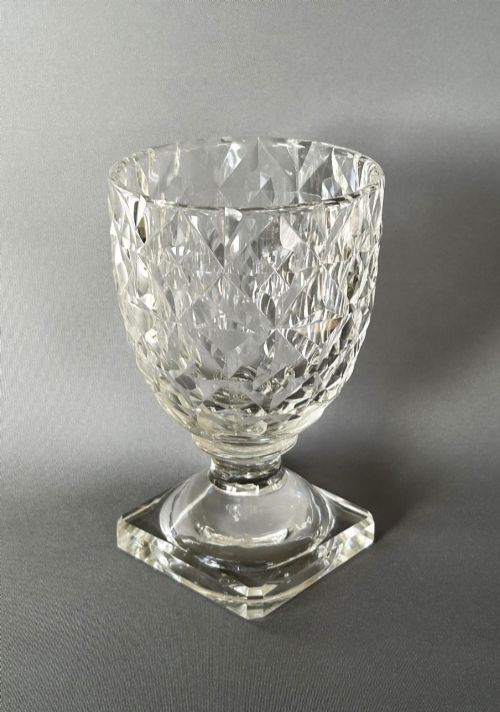
A clear crystal wine goblet encompasses drinking vessels spanning from the Georgian era through the Victorian period, Edwardian years, and into Art Nouveau and Art Deco designs. Buyers searching for a clear crystal wine goblet encounter varied silhouettes, including heavy rummers, slender balustroid stems, and facet-cut bowls.
The majority of pieces originate from British and European workshops, featuring forms such as bell bowls, ogee profiles, and pan tops supported by folded, domed, or thick flat feet. These stemware items served wine, ale, drams, and cordials in domestic settings across multiple centuries.
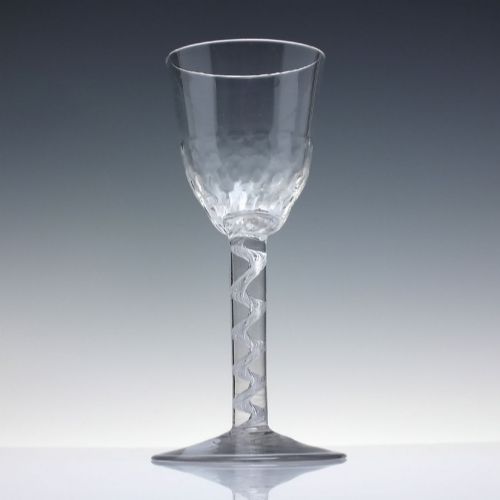
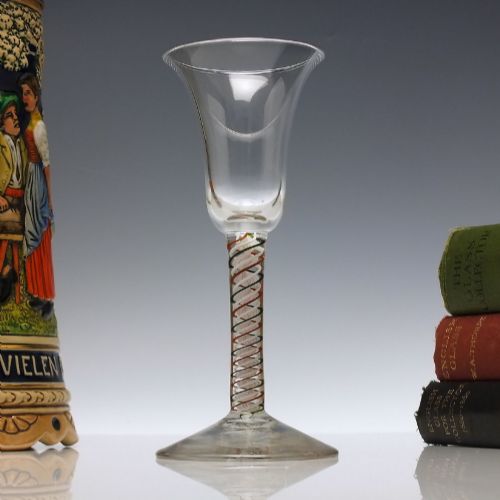
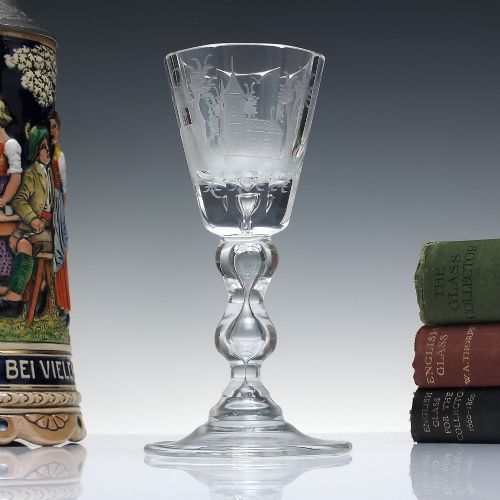
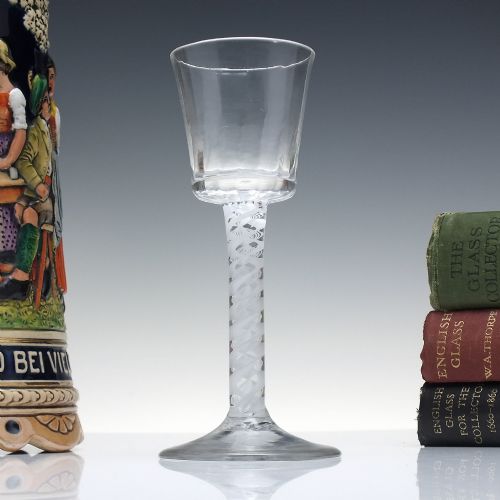
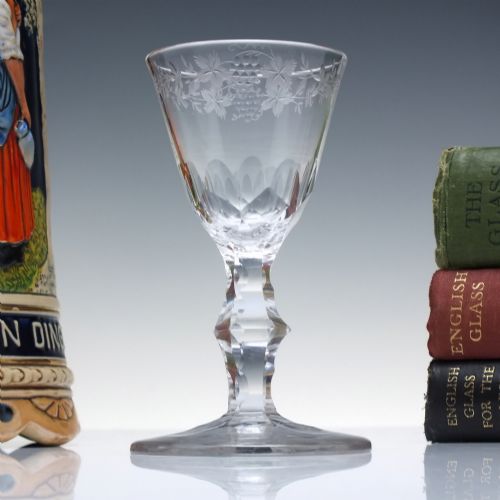
Earlier examples display intricate air twists or opaque white enamel threads within the stems, whereas later 19th and early 20th-century items rely on deep wheel-cutting and frosted decoration to catch the light.
Materials and glassmaking techniques
Glassmakers utilised lead glass, lead crystal, flint glass, and clear glass to achieve high refractive index and clarity. Heavy metal oxide content allowed craftsmen to cut deep facets and engrave detailed floral or geometric motifs without fracturing the vessel.
Stems were formed using specialised manipulation techniques such as drawing, applying air bubbles to create multi-spiral twists, or enclosing opaque enamel threads within double series canes. Bowls and feet were frequently blown into moulds, then hand-finished, ribbed, or facet-cut on a wheel.
Clear Crystal Wine Goblet Retail Price Guide 2026
Typical asking prices for clear crystal wine goblet among the pieces listed under this phrase on Sellingantiques today, from the lower quarter to the upper quarter. They describe what is for sale here now, not the wider market.
Early glass blowers incorporated tiny trapped air bubbles into stems, turning an accidental flaw into an art form.
Quality factors in historic glassware
Quality rests in the optical purity of the metal and the crispness of the wheel-cut or engraved decoration. Superior pieces display clean, distortion-free crystal with sharp, precise facet edges and well-balanced proportions between bowl, stem, and foot.
The complexity of internal stem construction separates standard production from finer work, particularly in air and opaque twist stems where the regularity of the spiral threads demonstrates the blower's skill. Surface finish, foot thickness, and the resonance of the metal when struck further distinguish the grade.
John Walsh Walsh·Baccarat·Moser Bohemian·Theresienthal
The Clear Crystal Wine Goblet Glossary
- Baluster
- A heavy, thick stem form reminiscent of architectural balusters, typical of mid-18th-century drinking vessels. This stout profile gives the glass considerable hand weight.
- Air twist
- A stem containing elongated internal spiral air bubbles created by drawing twisted canes of glass. It produces a shimmering optical effect inside the clear stem.
- Opaque twist
- A stem enclosing one or more white or coloured enamel glass threads within a clear column. These threads are often arranged in complex single or double series patterns.
- Rummer
- A large, capacious drinking glass or goblet with a thick bowl and sturdy foot, designed for ale, wine, or punch during the Georgian and Victorian eras.
- Facet cut
- Geometric planes ground and polished onto the surface of the bowl, stem, or foot to reflect light. This technique became widespread during the late 18th century.
Clear Crystal Wine Goblet: Frequently Asked Questions
How do I date a crystal goblet?
Dating relies on combining the form of the bowl, the construction of the stem, and the manufacturing marks or wear patterns on the foot. Georgian pieces often feature pontil scars and baluster or twist stems, while Victorian and Edwardian examples show heavier machine polishing and distinct facet arrangements.
Material composition also guides dating, as lead content and glass colour shifted from the darker flint glass of the 18th century to the brilliant clear crystal favoured by Victorian and Edwardian manufacturers.
Are these goblets safe for daily use?
Historic crystal and lead glass can be used carefully, though hand washing in lukewarm water is essential to preserve the fragile rims and polished surfaces. Thermal shock from sudden temperature changes must be avoided to prevent cracking.
Due to the delicate nature of 18th-century balustroid stems and 19th-century enamel decoration, many collectors prefer to reserve these pieces for special occasions rather than everyday dining.
What is the difference between flint glass and crystal?
Flint glass originally referred to high-clarity glass produced with calcined flints, which evolved into heavy lead glass prized for its refractive properties. Crystal is a broader term encompassing high-purity glass with significant metal oxide content that increases weight and brilliance.
In marketplace listings, both terms describe high-quality clear glass capable of holding sharp facet cuts and sustained ring when tapped.