


Clear Crystal Scent Bottle
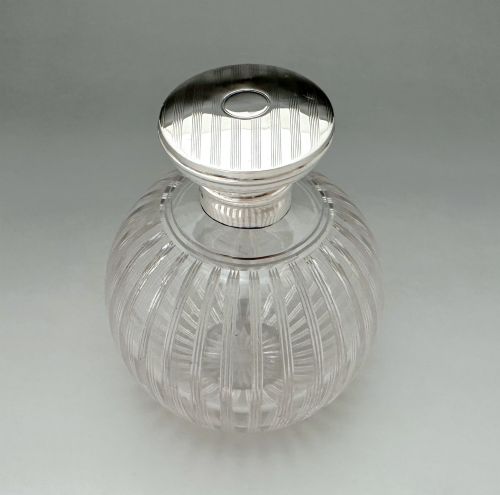
A clear crystal scent bottle brings tactile elegance to a dressing table, combining brilliant glass or crystal with precious metal mounts.
Clear Crystal Scent Bottle
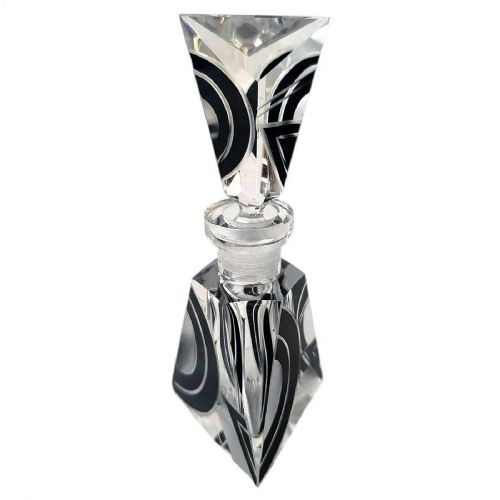
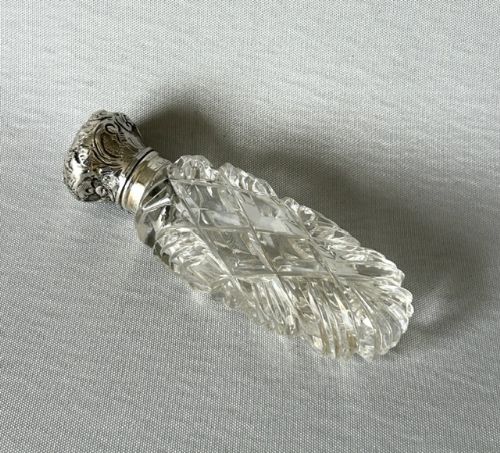
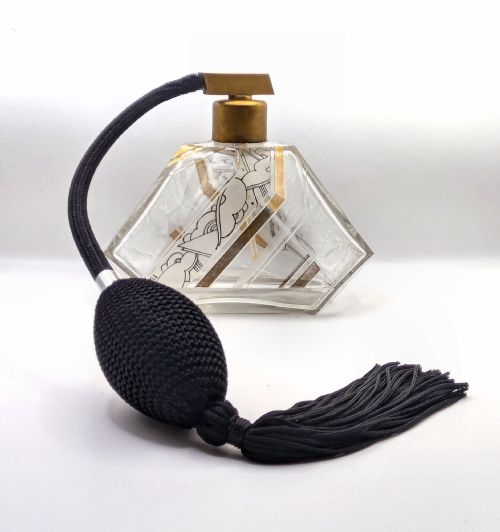
When you search for a clear crystal scent bottle, you encounter a refined class of vanity items spanning the Victorian, Edwardian, and Art Deco periods. These vessels range from heavy cut glass cylinders and globes to geometric Czech atomisers and moulded French pieces.
Makers utilised various functional forms, including scent bottles, perfume bottles, cologne flasks, and atomisers. Many feature metal collars, hinged lids, or stoppers designed for daily use on dressing tables or during travel.
Materials and Construction
The body of each piece consists of clear glass or cut crystal, frequently shaped through heavy cutting, moulding, or master-carving. Artisans formed the vessels to refract light through geometric patterns, panels, or naturalistic motifs.
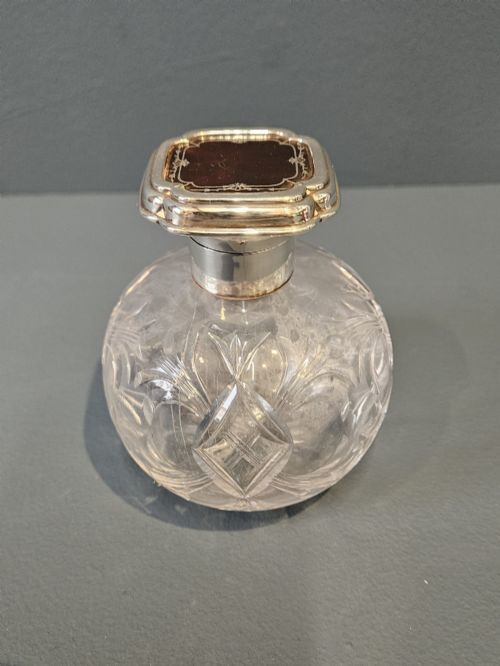
Mounts and collars employ sterling silver, silver-plate, gilt bronze, brass, chrome, enamel, or tortoise shell. Silversmiths and manufacturers attached these metal elements to the glass necks, often incorporating hallmarks or intricate openwork.
Distinctions in Quality
Quality rests in the crispness of the glass cutting and the weight of the crystal body. Superior pieces display deep, sharp facets and clear resonance, whereas simpler examples feature light surface pressing.
The refinement of the mounts distinguishes the standard of manufacture. Finely chased silver, intact enamel work, and signed maker marks or original stoppers elevate the integrity of the object.
Karl Palda·Rene Lalique·Barnsley and Co·George Unite·S Morden and Co
The Clear Crystal Scent Bottle Glossary
- Cut crystal
- High-clarity glass containing lead oxide, shaped by grinding and polishing facets that catch the light. This material provides the heavy, brilliant body seen in many Victorian and Edwardian examples.
- Atomiser
- A perfume spray mechanism fitted to a bottle, often associated with Art Deco pieces from the Czech Republic or France. It allows the contents to be misted rather than dabbed.
- Hallmark
- A stamped official mark on silver or gold mounts indicating the assay office, standard of purity, and date letter. These marks help verify the origin and period of the metalwork.
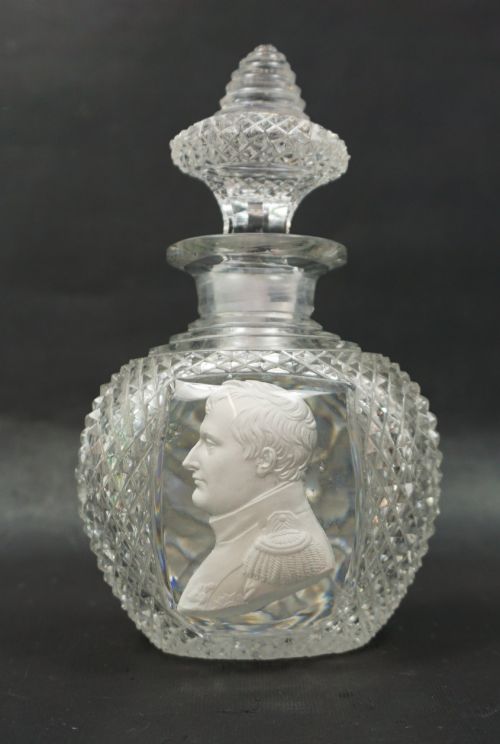
- Sulphide
- A small white ceramic cameo embedded within the glass body during manufacture, frequently depicting a portrait. This technique gained popularity in nineteenth-century French glassmaking.
- Collar
- The metal ring fitted securely around the neck of the bottle to hold a stopper or hinged lid. It is commonly fashioned from sterling silver or brass.
Clear Crystal Scent Bottle: Frequently Asked Questions
How do I date a scent bottle?
Dating relies heavily on hallmarks stamped onto the silver collars and mounts, which indicate the exact year and assay office of manufacture. Stylistic indicators, such as Victorian floral chasing or Art Deco geometric cutting, also provide clear chronological placement.
Changes in glass technology and stopper design help confirm the era. Examining the manufacturing techniques used on the crystal body narrows the period of production further.
Are original stoppers important?
Original stoppers maintain the completeness and historical integrity of the piece. Finding a bottle with its matching, numbered, or ground-glass stopper is preferred by collectors.
Replacement stoppers can sometimes be identified by an improper fit or differing glass clarity. Even without a stopper, mounted bottles remain decorative vanity objects.
What is the difference between glass and crystal?
Crystal contains lead oxide, which increases the weight, refractive index, and clarity of the material compared to standard glass. This high lead content allows for deeper and sharper facet cutting.
Both materials appear frequently across different periods. Crystal pieces generally offer a brighter sparkle and a heavier feel in the hand.
How should I clean these bottles?
Gentle cleaning with warm water and a soft cloth preserves the glass and metal surfaces. Harsh chemical cleaners must be avoided, as they can damage antique silver mounts and enamel.
If residue remains inside the bottle, specialist bottle brushes or mild detergents work safely. Polishing silver mounts requires care to avoid touching adjacent glass or enamel.