



Vintage Scent Spray
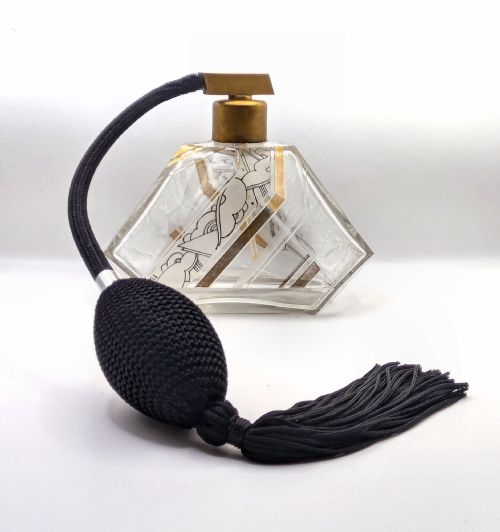
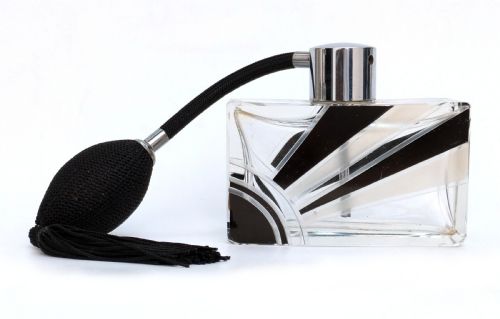
These vintage scent spray pieces bring dressing tables alive with Art Deco elegance from the nineteen twenties and thirties.
Vintage Scent Spray
When you search for vintage scent spray, you find perfume atomisers and scent bottles designed for the dressing table. These functional objects disperse fragrance in a fine mist through a pump mechanism.
How they were made
Makers utilised glass, cut crystal, and Bohemian Czech glass moulded into striking forms. Enamel, chrome, brass, and Bakelite provide contrasting mounts and collars.
What varies in quality
Quality rests in the weight and clarity of the glass, alongside the precision of the cut crystal. Substantial Czech glass and named designs demonstrate superior manufacture.
The integration of enamel and metal fittings marks the difference between standard production and exceptional examples.
Karl Palda·Rudolf Hlousek·René Lalique·Hermanova
The Vintage Scent Spray Glossary
- Atomiser
- A device used to emit liquid in a fine spray. It relies on a bulb and tube mechanism attached to the bottle neck.
- Bohemian glass
- Glass produced in the regions of Bohemia and Silesia, known for rich colours and deep cutting. It frequently appears in Czech productions.
- Bakelite
- An early form of synthetic plastic used for caps and mounts. It offers a durable and tactile finish.
- Cut crystal
- Glass with high lead content that is incised with geometric patterns. This catches the light on dressing tables.
Vintage Scent Spray: Frequently Asked Questions
What is a vintage scent spray?
A vintage scent spray is a functional vessel designed to hold and disperse perfume. These items utilise a pump mechanism to release fragrance.
Most examples date from the Art Deco era and combine glass or crystal with metal mounts.
How do I date these pieces?
Dating relies on stylistic markers from the nineteen twenties and thirties. Art Deco geometry and specific glass types indicate this period.
Signatures or attribution to known glassworks help confirm the exact era of production.
What materials were used?
Makers employed glass, cut crystal, and enamelling for the bodies of the bottles. Mounts and pump hardware incorporate chrome, brass, and Bakelite.
Fabric often forms part of the vintage bulb apparatus attached to the top.
How do I display them?
These pieces suit placement on dressing tables, mirrored trays, or glass display shelves. Their reflective surfaces catch daylight and artificial illumination effectively.
Grouping several atomisers together highlights the variety of glass colours and geometric forms.