
Clear Crystal Drops
Clear crystal drops catch the ambient light and scatter it across the room, transforming functional ceiling fixtures and wall lights into brilliant focal points.
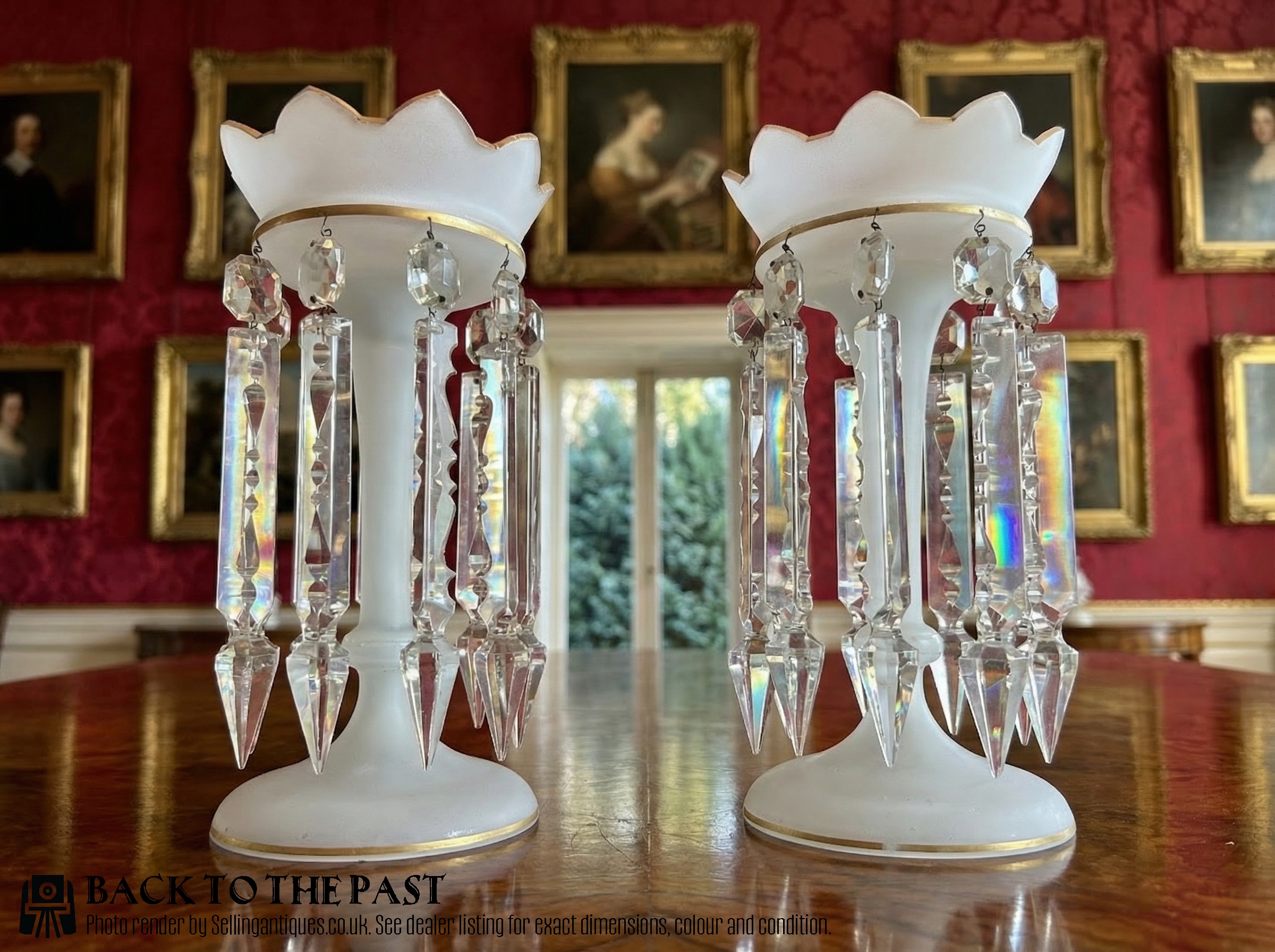
Clear Crystal Drops
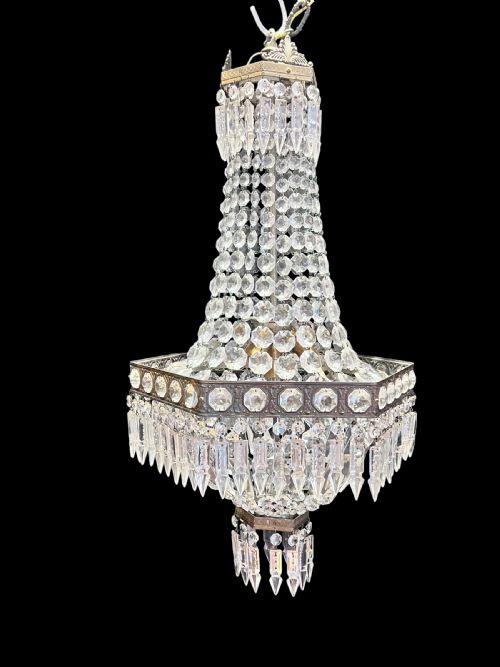
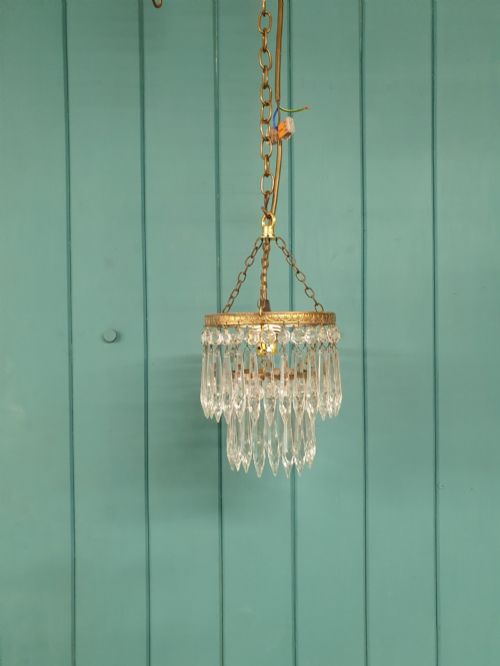
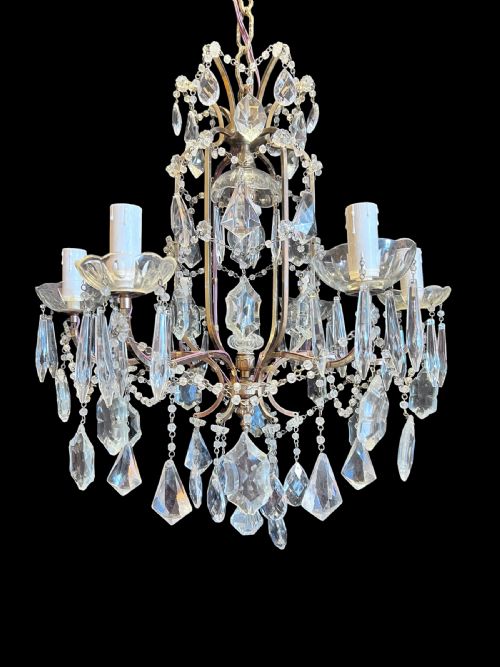
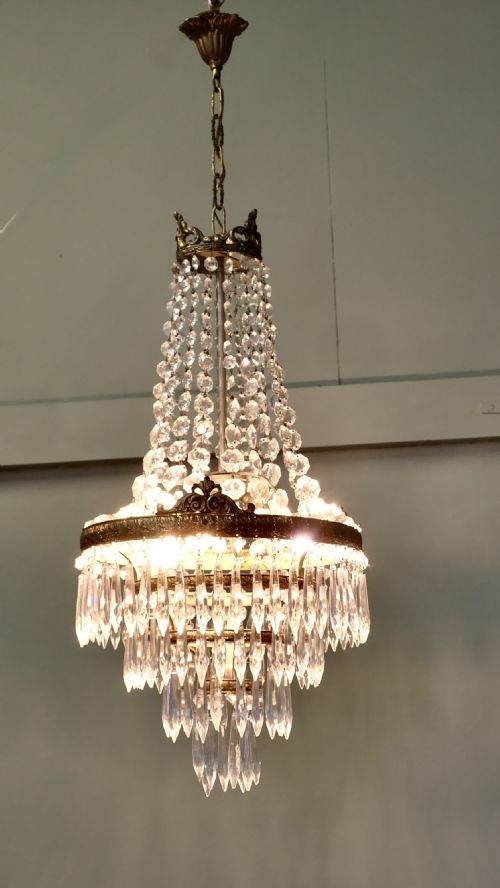
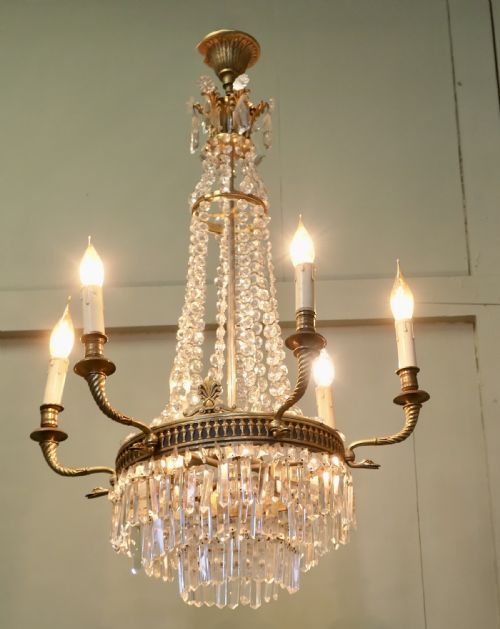
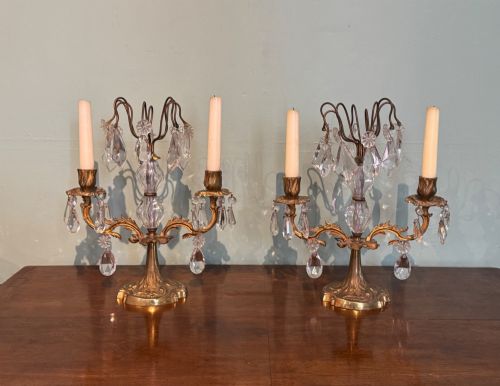
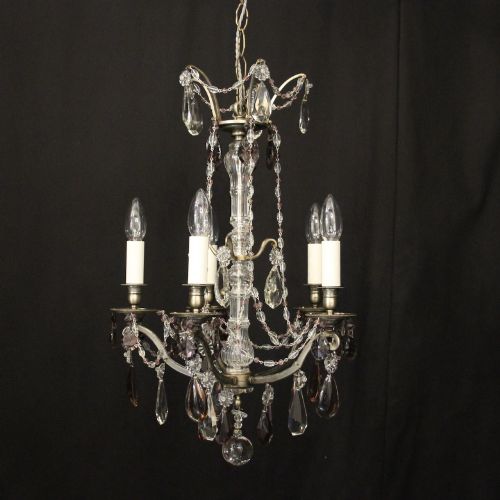
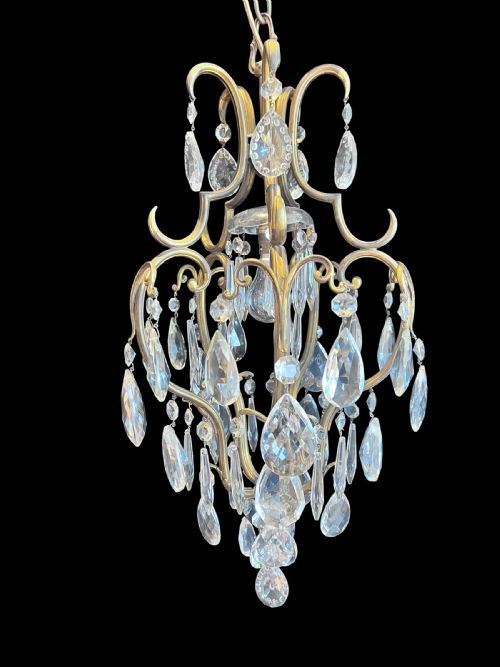
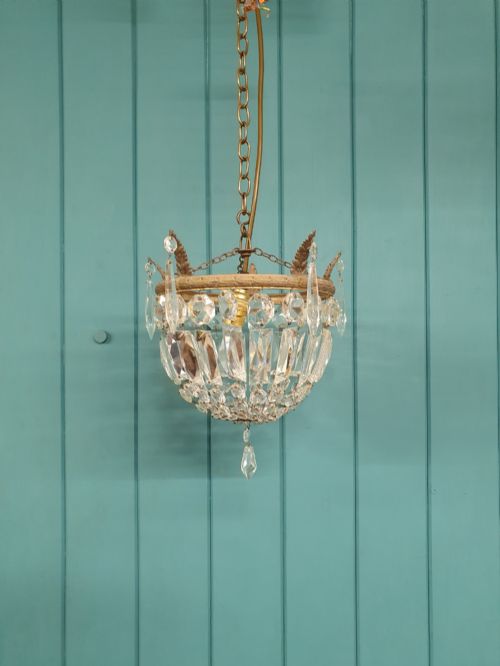
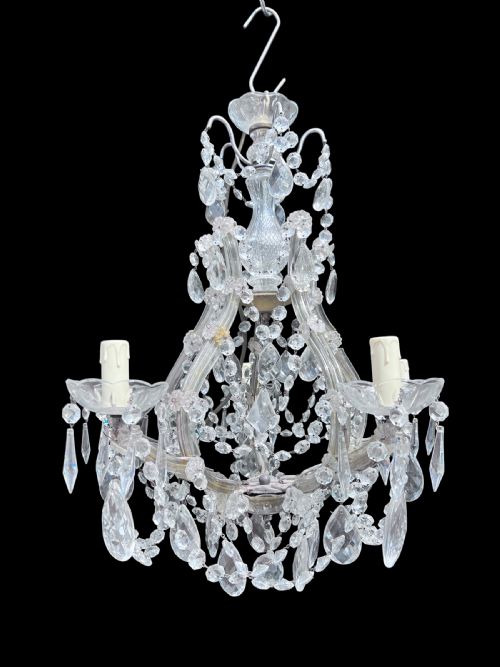
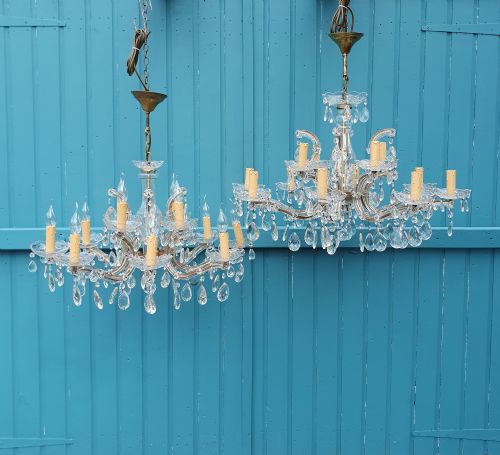
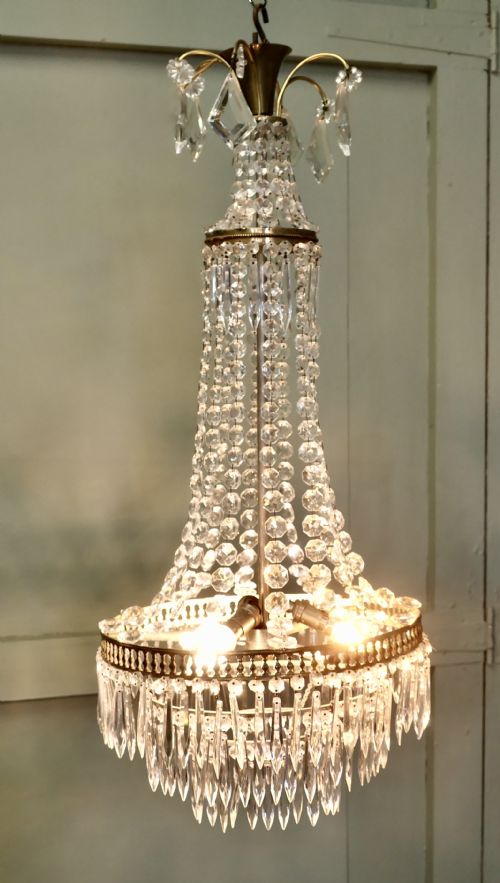
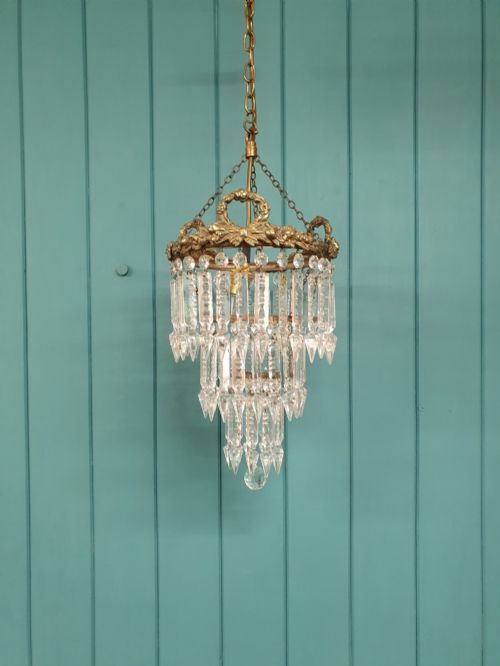
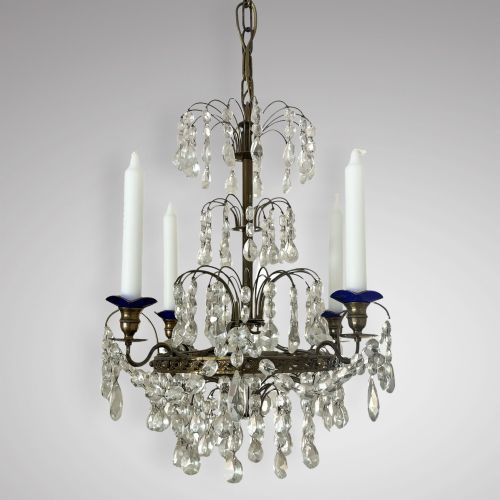
When you search for clear crystal drops, you encounter a selection of hanging lighting and decorative glass elements originating primarily from the Victorian, Edwardian, and early twentieth-century periods. These pieces include elaborate chandeliers, wall lights, and table candelabras constructed in various European styles such as French Empire, Maria Theresa, and Art Deco. The most common manifestations on this page are small spike chandeliers and multi-tiered pendant lights featuring suspended glass prisms.
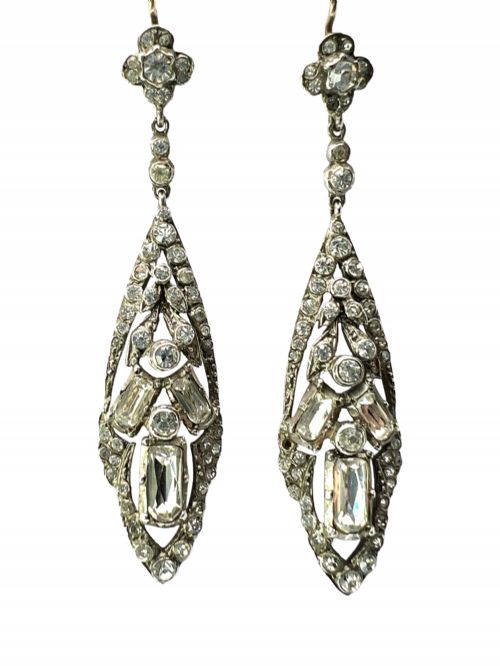
The objects span multiple forms, from single-light fixtures to large multi-branched chandeliers with tent and waterfall arrangements. Many incorporate brass, gilt brass, or bronze metalwork supporting cut glass and crystal components. Alongside lighting, the selection includes smaller decorative items like glass lustres and earrings set with crystal or rock crystal.
Makers and origins trace across France, Italy, and Sweden, reflecting regional lighting traditions of the nineteenth and early twentieth centuries. Buyers seeking these items select between restrained Edwardian spike fittings and more ornate French Empire basket designs. Each piece demonstrates the period craftsmanship of assembling glass drops onto metal frames.
How they were made
Makers constructed the structural frames of these pieces using cast and fabricated brass, gilt brass, bronze, and metal wire. These metal armatures provided the necessary rigidity to support numerous hanging glass elements arranged in tiers, tents, or waterfalls. Metal mounts and beaded arms held the electrical or candle-holding components securely in place.
Workers shaped the glass and crystal components through cutting and moulding techniques to maximise light refraction. Pieces feature distinct prism forms including coffin prisms, spear-like spikes, and flat-cut drops attached by wire loops. These glass elements hang from the metal frameworks in precise patterns to create the characteristic sparkle of the fixtures.
Materials recorded across these listings include brass, gilt brass, bronze, cut glass, rock crystal, and standard metal wire.
What varies in quality
The distinction between standard and superior pieces rests upon the precision of the glass cutting and the weight of the metal frame. Finer examples display sharp facets on the crystal drops that refract light cleanly, whereas simpler versions use moulded glass with softer edges. The integration between the brass or gilt metal mounts and the glass components dictates the overall structural harmony.
Proportion and complexity also separate the tiers of craftsmanship within these historical lighting fixtures. Elaborate multi-tiered structures with intricate beaded arms and diverse prism shapes require greater labour than basic single-tier spike chandeliers. The quality of the underlying metalwork, whether heavy bronze or lighter wire framing, influences the longevity and physical presence of the object.
The Clear Crystal Drops Glossary
- Coffin prism
- A long, flat-topped glass drop with bevelled edges resembling the shape of a historical coffin. These prisms hang from chandeliers to catch and disperse light.
- Lustre
- A decorative tabletop ornament featuring a central glass vase or stem hung with cut glass pendants. Victorian examples often sat on mantelpieces alongside matching domes.
- Tent and waterfall
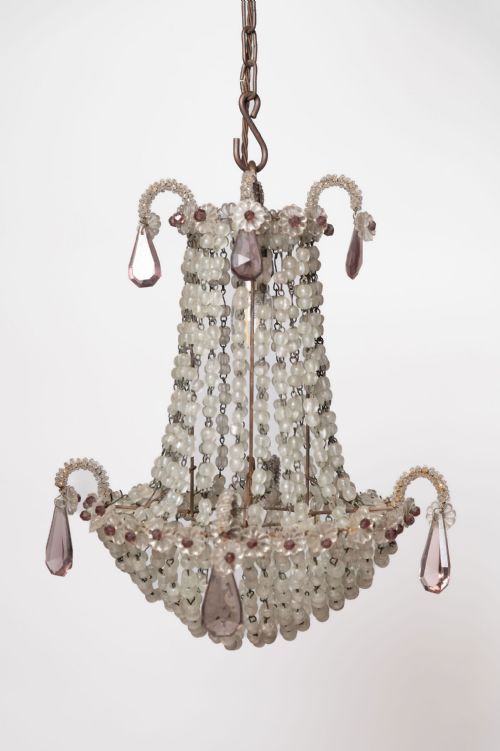
- A lighting configuration where strings of beads form an upper tent shape above a wider cascading tier of glass drops. This style defines many French Empire fixtures.
- Maria Theresa
- A classical chandelier style characterised by flat metal arms covered in glass strips and numerous crystal drops. Named in honour of the Austrian Empress.
- Spike chandelier
- A compact lighting fixture featuring outward-projecting glass spikes or prisms arranged in tiers. These pieces became particularly popular during the Edwardian era.
Clear Crystal Drops: Frequently Asked Questions
What periods do these chandeliers come from?
The lighting fixtures and glass elements on this page date primarily from the late nineteenth century through to the 1930s. This span includes Victorian, Edwardian, and Art Deco eras of design and manufacturing.
Production methods during these decades relied heavily on traditional metal casting and hand-cut glass techniques. The resulting pieces reflect the changing aesthetic preferences from ornate French Empire styles to streamlined early twentieth-century forms.
How were crystal drops attached to the frames?
Makers typically secured the glass drops and prisms to the metal armatures using small wire loops or brass pins. This flexible method allowed each pendant to move slightly and catch light from multiple angles.
In more complex multi-tiered structures, the wires also connected glass bead chains to form tents and waterfalls. This traditional assembly technique permits easy removal of individual pieces for cleaning.
Where were these lighting fixtures made?
The pieces originate from various European centres of decorative metalwork and glass production, with a strong representation from France and Italy. Workshops in these regions produced distinct regional styles such as French Chateau, Maria Theresa, and Empire.
Swedish makers also contributed distinct crystal lighting designs during the early twentieth century. Each region utilised local traditions in brass founding and glass cutting.
What materials are used besides glass?
The primary structural material supporting the crystal drops is metal, most commonly brass, gilt brass, bronze, and plated metal wire. These metals provided sturdy armatures capable of bearing the considerable weight of numerous glass pendants.
Some fixtures incorporate silver-gilded finishes or specialised metal mounts to enhance the visual appeal of the frame. In smaller decorative items, precious metals like gold appear in associated jewellery pieces.