
Georgian Silver Jewellery
Georgian silver jewellery brings together hand-cut paste, foiled stones and deep-set silver work from an age of meticulous metalcraft.
Georgian Silver Jewellery
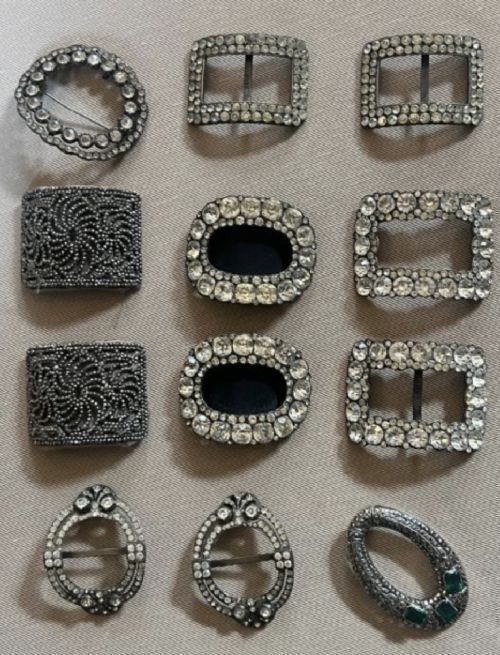
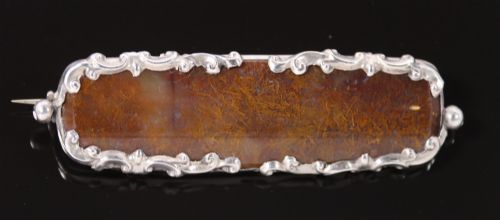
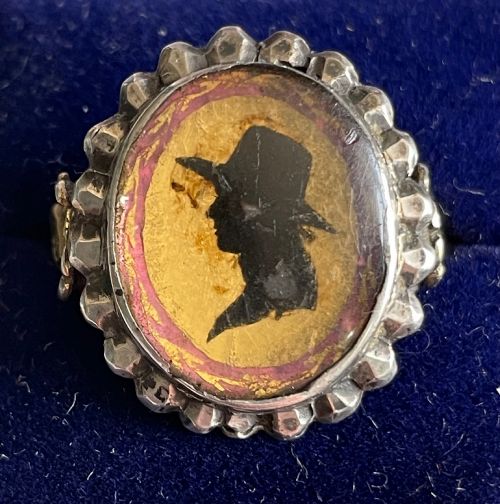
Georgian silver jewellery encompasses wearable ornaments produced during the Georgian era, alongside related pieces spanning the 18th and 19th centuries. Buyers examining this category encounter rings, brooches, earrings and shoe buckles executed in silver, often backed or combined with gold.
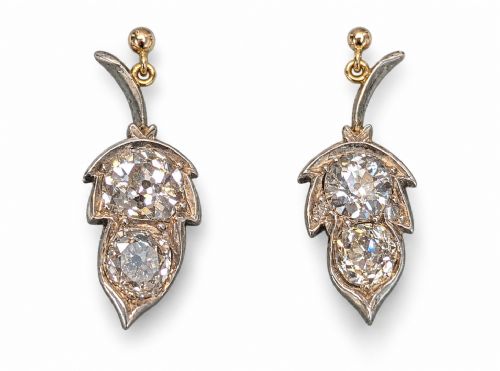
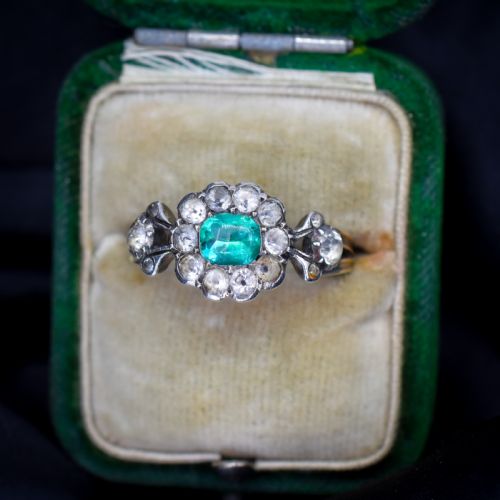
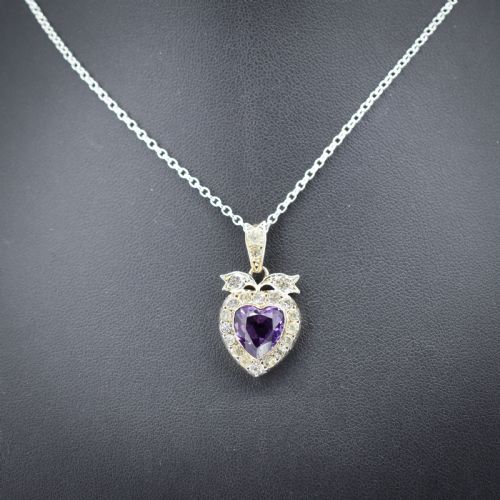
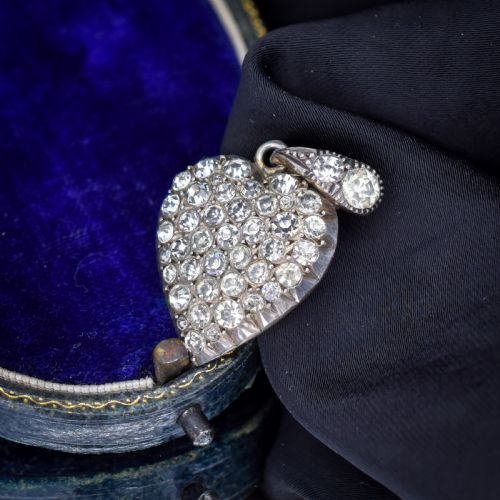
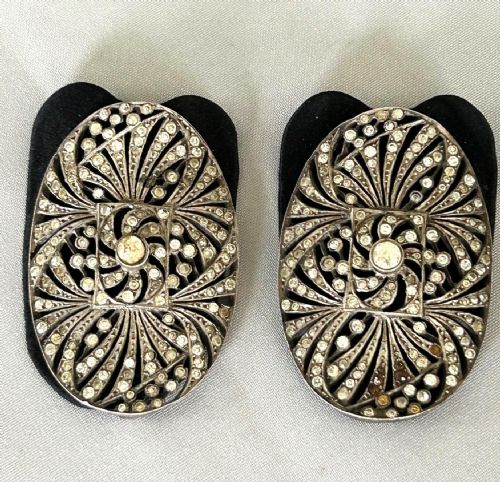
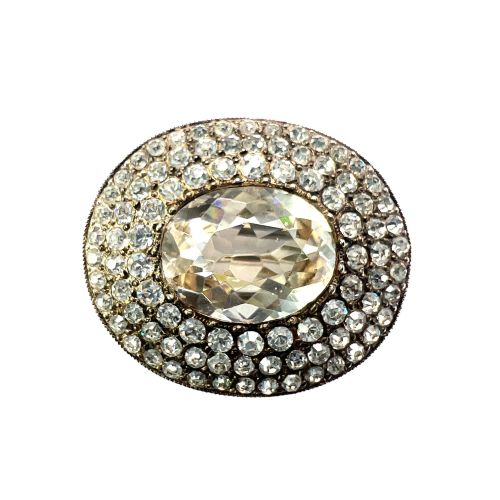
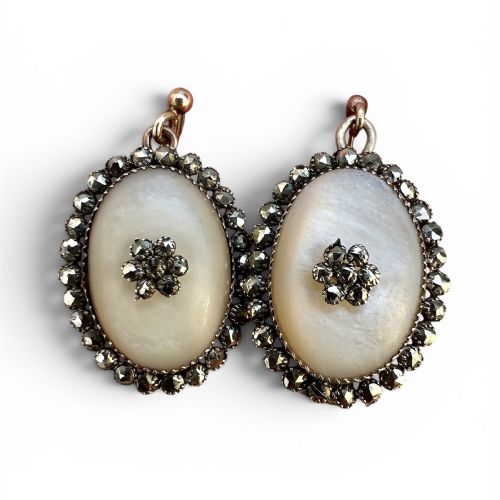
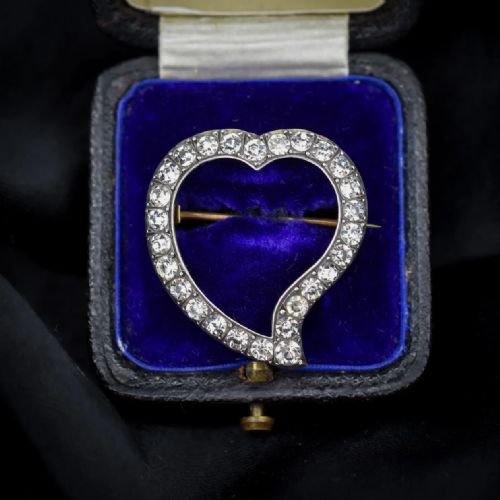
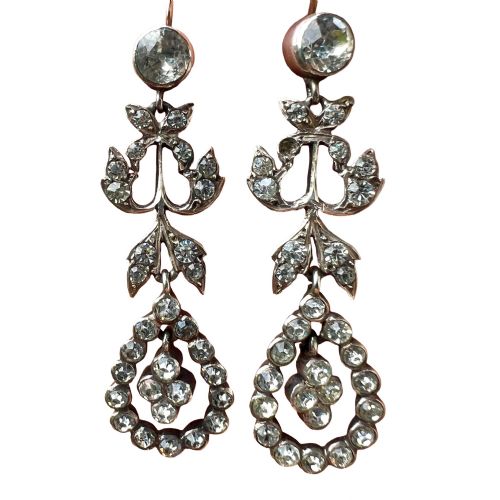
The assortment on this page relies heavily on paste stones, diamonds and foiled glass to achieve brilliance under candlelight. Cluster rings, drop earrings and heart pendants dominate the forms available here, showing the domestic and social ornamentation of the period.
How they were made
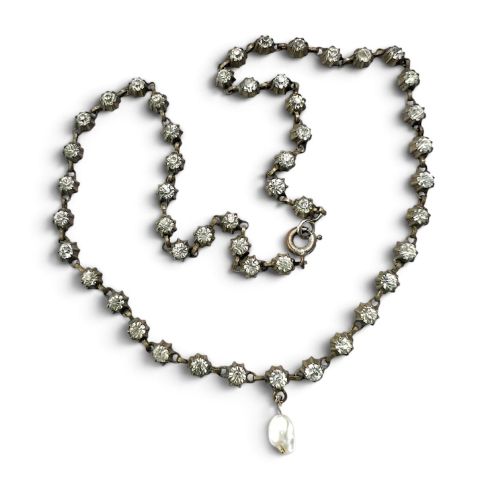
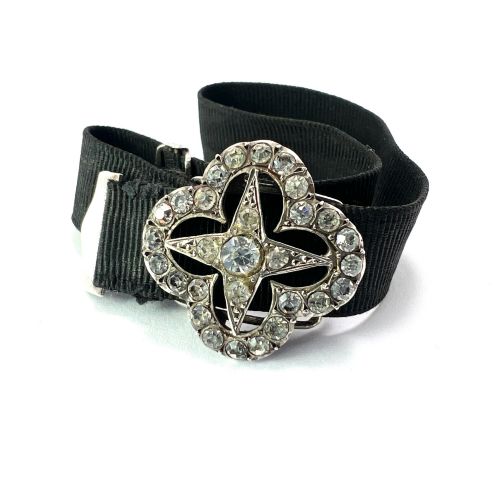
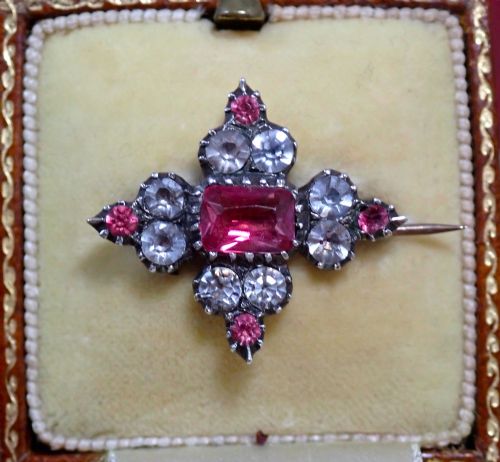
Metalworkers combined silver sheets with gold components, mounting stones into closed-back settings that concentrated light through coloured foils. Cut steel, marcasite and glass paste were shaped by hand to imitate genuine gemstones for daily and ceremonial wear.
Earrings, pendants and rings utilise intricate wirework, filigree and hand-cut facets rather than mass production methods. Setting techniques involved rubbing soft silver rims over the edges of stones to secure them within custom bezels.
Materials in this selection combine silver, gold, paste glass, foil and diamonds across Georgian and Victorian periods.
What varies in quality
Excellence in these pieces rests upon the crispness of the hand-cut stones and the integrity of the original foil backing. Higher grade work displays precise metal shaping and balanced proportions without clumsy solder repairs.
The refinement of the collet settings and the depth of the hand-engraving distinguish superior examples from simpler production. Preservation of the original paste stones and unaltered metal surfaces governs the standing of each piece.
The Georgian Silver Jewellery Glossary
- Foil
- A thin metallic sheet placed behind a stone inside a closed-back setting to enhance its colour and reflection. This technique is typical of 18th and early 19th-century work.
- Black dot paste
- A specific style of paste stone featuring a dark painted spot on the culet to imitate the natural culet decay of genuine old-mine diamonds. It is a reliable indicator of period authenticity.
- Giardinetti
- A jewellery design depicting a small flower garden, typically rendered using colourful paste stones or gems in a basket or floral arrangement. These rings and brooches date frequently to the Georgian era.
- Closed-back setting
- A mounting style where the reverse of the stone is completely enclosed by metal, protecting the delicate foil lining underneath. This construction method defines much of the surviving silver work from this era.
Georgian Silver Jewellery: Frequently Asked Questions
What is georgian silver jewellery?
Georgian silver jewellery comprises wearable personal ornaments produced during the 18th and early 19th centuries. These items utilise silver combined with gold, featuring hand-cut paste stones, diamonds and foiled glass.
The category includes rings, earrings, shoe buckles and pendants designed for evening wear and formal display. Each piece reflects the hand-tooling methods typical of workshops before industrial manufacturing took hold.
How should I care for antique silver pieces?
Antique silver and paste jewellery requires gentle handling due to the delicate nature of closed-back settings and foiled stones. Moisture must be kept away from the metal to prevent damage to the underlying foils.
Storage should involve individual soft pouches to avoid friction against other items. Polishing pastes should be avoided entirely to preserve the original surface patination and fragile stone mounts.
Why do many stones have closed backs?
Closed-back settings were utilised by period jewellers to trap coloured foils and reflective materials behind transparent glass paste or diamonds. This technique maximised the brilliance of the stones under dim indoor lighting.
Leaving the back solid also protected the fragile metallic linings from dust and body oils during regular wear. It remains a defining structural characteristic of authentic 18th-century metalwork.