
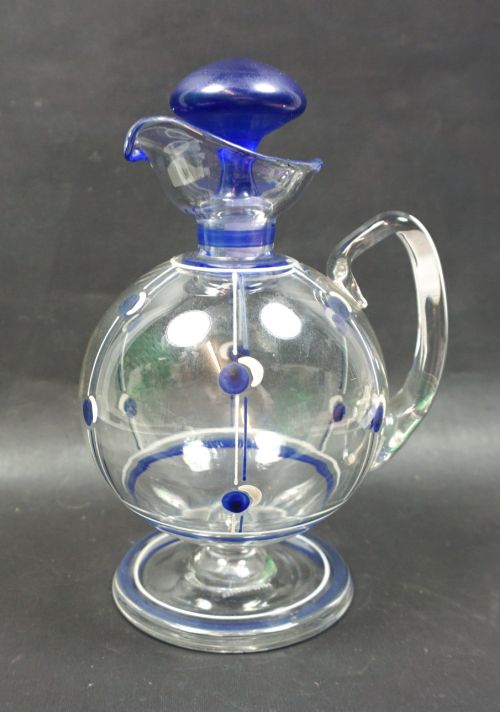
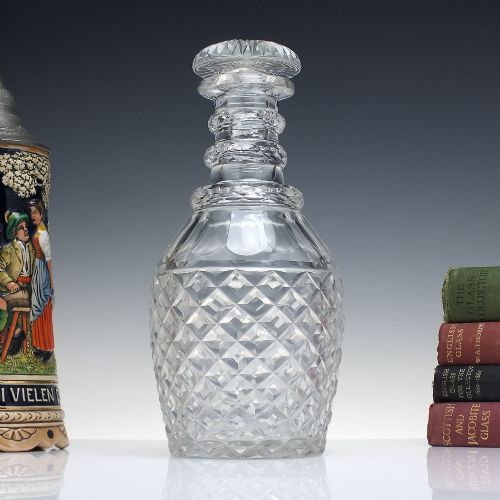
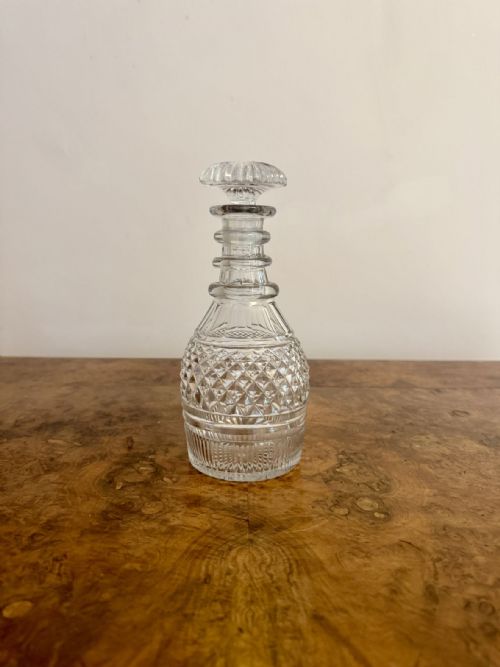
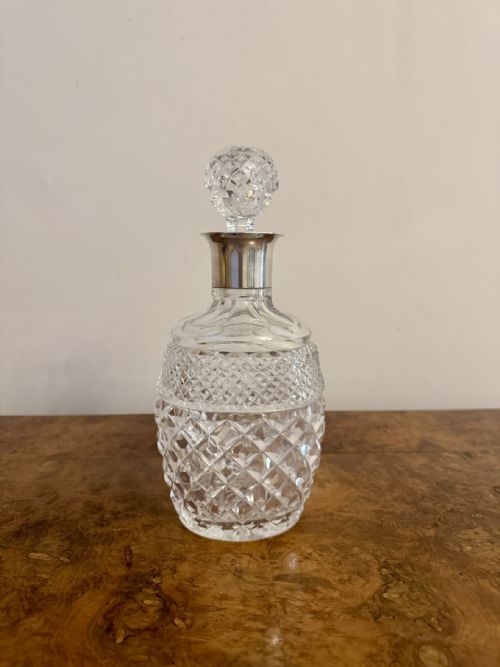
Clear Crystal Carafe
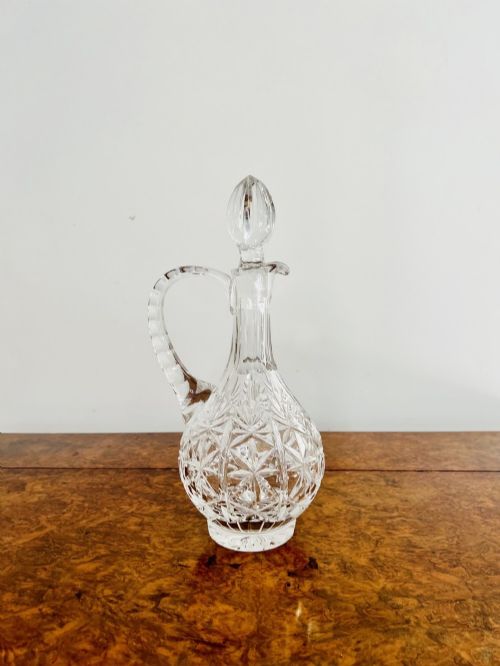
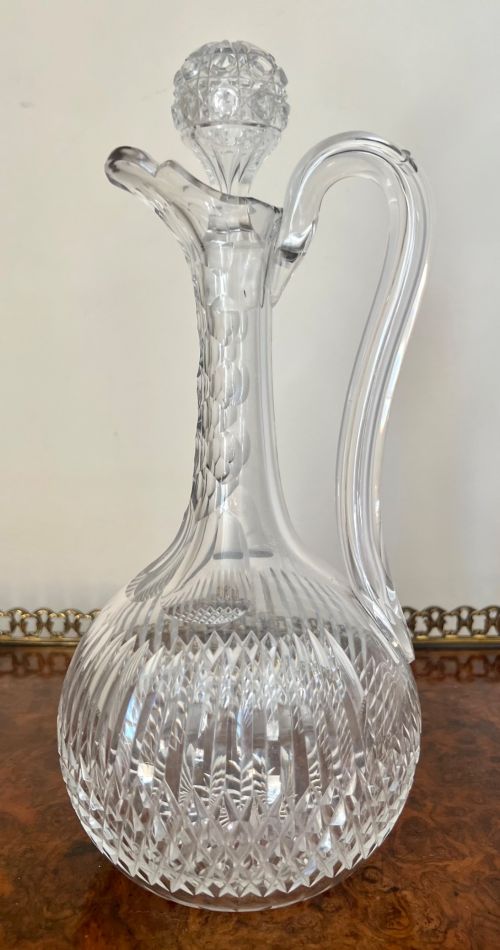
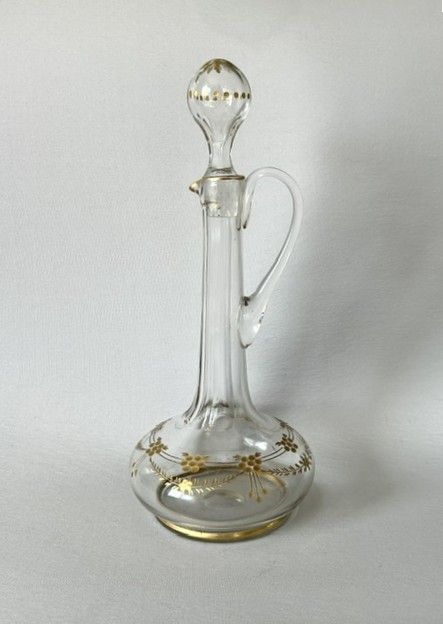
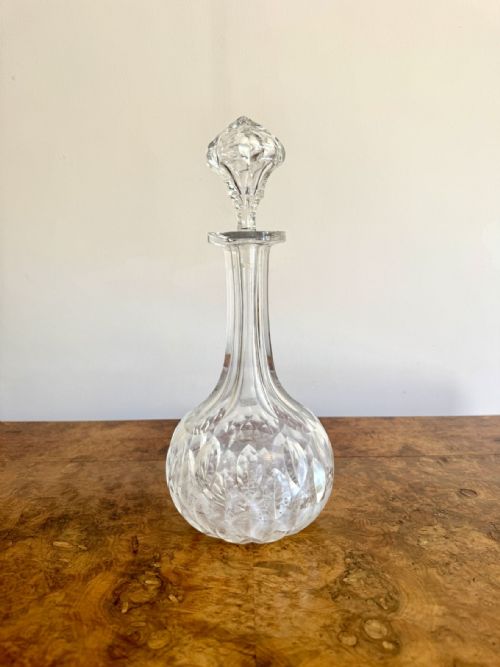
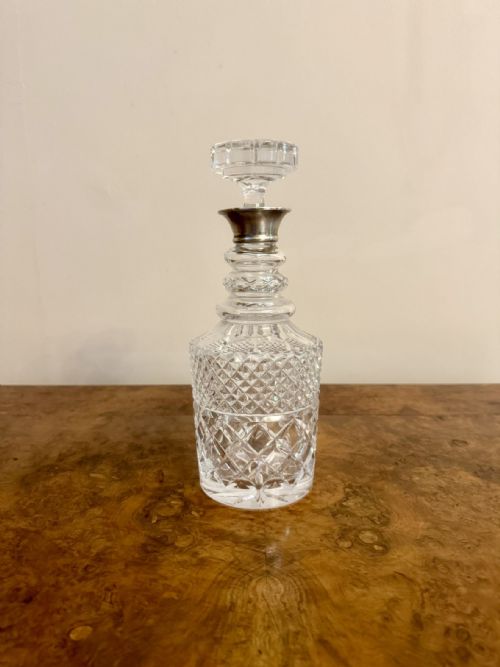
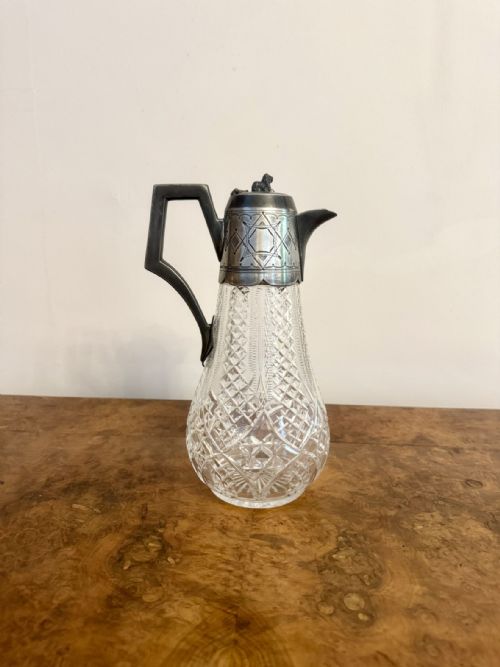
A clear crystal carafe brings weight and sparkle to the table, and Edwardian and Victorian cut glass examples dominate this selection.
Clear Crystal Carafe
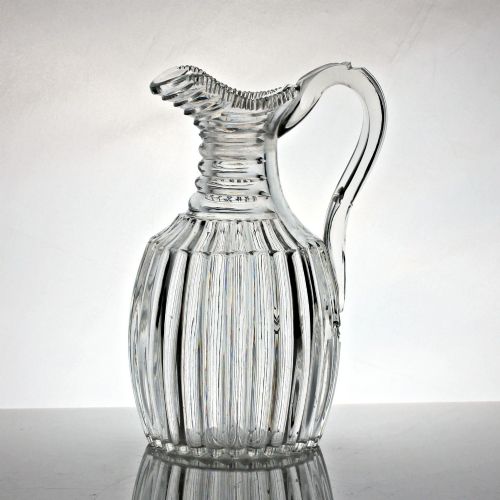
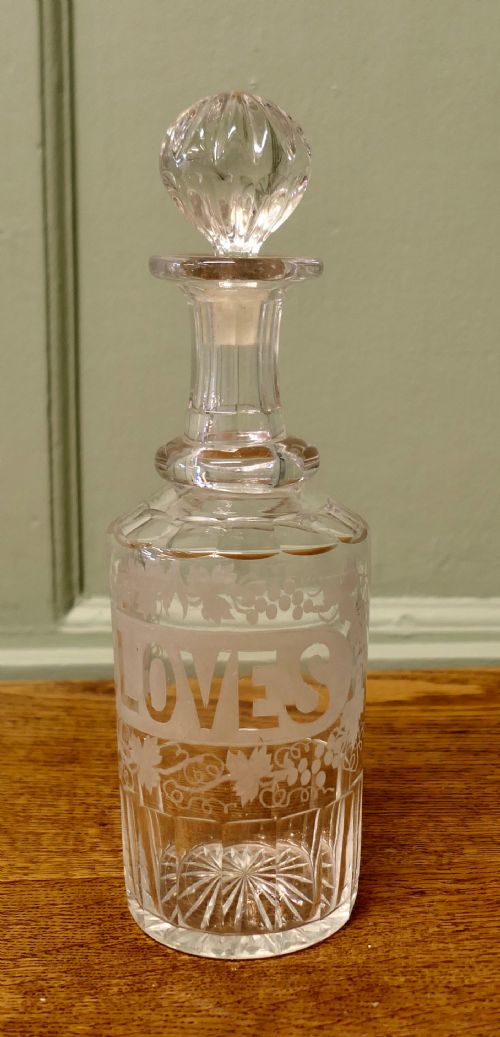
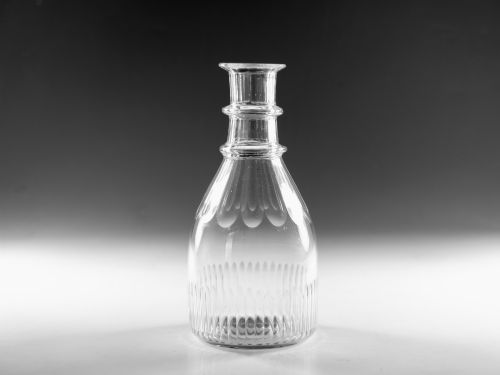
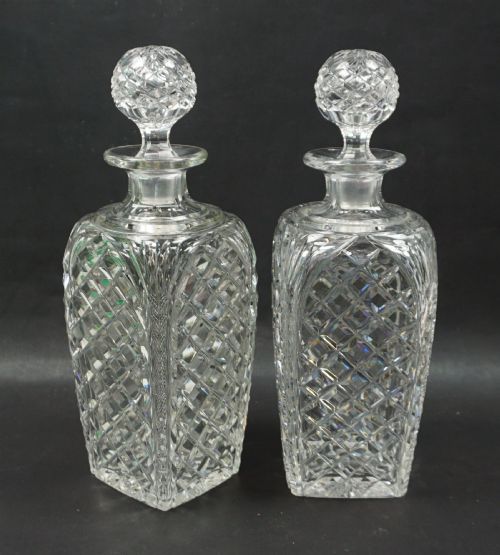
When you search for a clear crystal carafe, you encounter vessels designed for serving water, wine, and spirits across several centuries. The selection spans Georgian shaft and globe forms to heavy Edwardian cut glass ewers and claret jugs.
Edwardian and Victorian pieces appear most frequently on this page, often featuring bell shapes, square sections, or silver collars. Alongside these, earlier Georgian examples show pillar and prism cutting or engraved labels.
How they were made
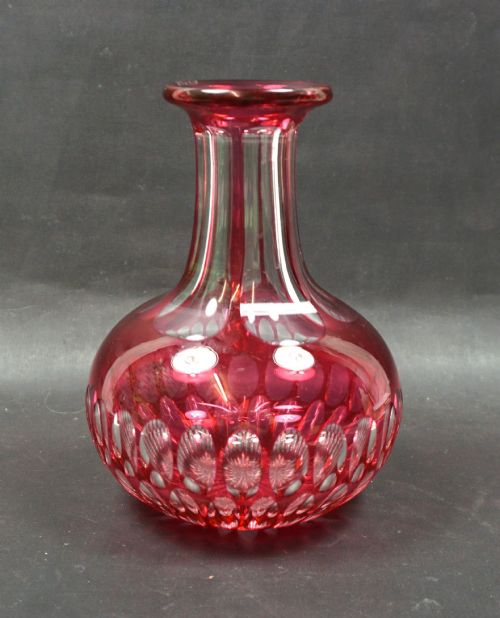
Maker's hands shaped these vessels from lead crystal, clear glass, and coloured overlays such as cranberry and amethyst. Artisans then employed deep wheel cutting, pillar and prism cutting, and delicate etching to decorate the surfaces.
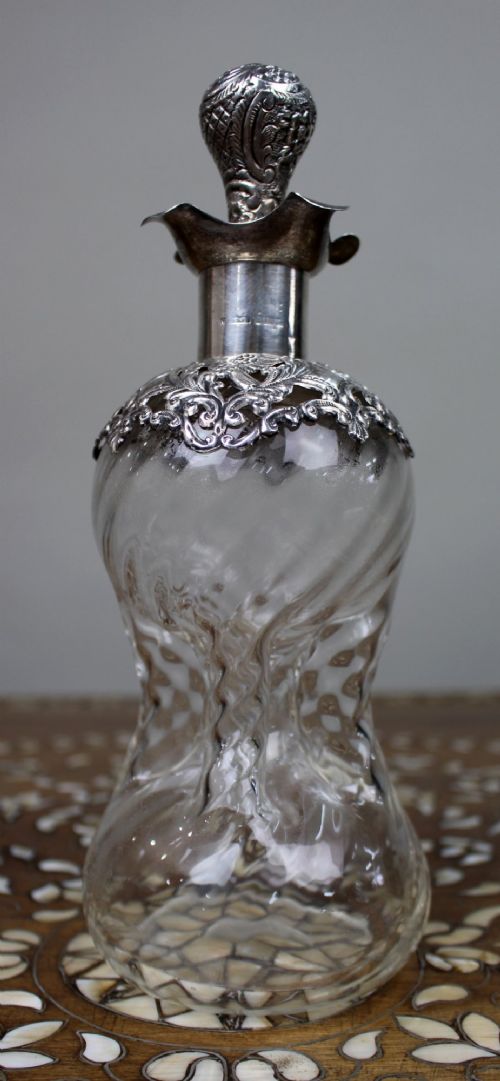
Many vessels integrate functional mounts of silver or silver plate around the neck or handle. Bohemian pieces often incorporate blue enamel decoration and gilding alongside traditional glass cutting.
Clear Crystal Carafe Retail Price Guide 2026
Typical asking prices for clear crystal carafe among the pieces listed under this phrase on Sellingantiques today, from the lower quarter to the upper quarter. They describe what is for sale here now, not the wider market.
A few antique carafes come equipped with matching tumblers that double as stoppers, ready for a midnight sip.
What varies in quality
The crispness of the wheel cutting and the depth of the facets determine the optical brilliance of the crystal. Superior examples display sharp, well-defined prismatic cuts that catch the light cleanly.
The weight of the lead crystal and the balance of applied silver collars or mounts distinguish finer items from simpler production pieces. Elaborate engraving and coloured glass overlays also indicate more ambitious workshops.
The Clear Crystal Carafe Glossary
- Carafe
- An untled glass bottle used for serving water or wine at the table. Unlike decanters, they traditionally lack stoppers.
- Claret Jug
- A specialised pouring vessel fitted with a handle and frequently a silver-plated or silver mount, designed specifically for red wine.
- Lead Crystal
- Glass containing metallic oxide that increases weight, refractive index, and clarity. This material allows for deeper and sharper facet cutting.
- Pillar and Prism Cut
- A decorative heavy cutting style featuring vertical flutes and geometric prismatic facets. It creates intense light refraction across the body of the vessel.
Clear Crystal Carafe: Frequently Asked Questions
How do I clean an antique carafe?
Resist harsh chemical detergents when washing antique glass, as they can damage delicate silver collars or etch the surface.
Warm water with mild soap and specialised bottle brushes safely removes residue from historical vessels.
Can I use these for daily dining?
Sturdy Edwardian and Victorian vessels withstand careful everyday use on the dining table.
Handle heavier lead crystal pieces with care to protect rims and applied handles from accidental impacts.
What is the difference between a decanter and a carafe?
Decanters traditionally include a fitted glass stopper designed to seal the contents for storage and aeration.
Carafes typically feature an open neck intended for immediate pouring and serving during a meal.
How do I date a cut glass vessel?
Examine the weight of the crystal, the style of the cutting facets, and any accompanying metal mounts.
Georgian pieces often show hand-polished pontil marks and simpler shafts, while Edwardian items lean toward heavier, standardised cut patterns.