


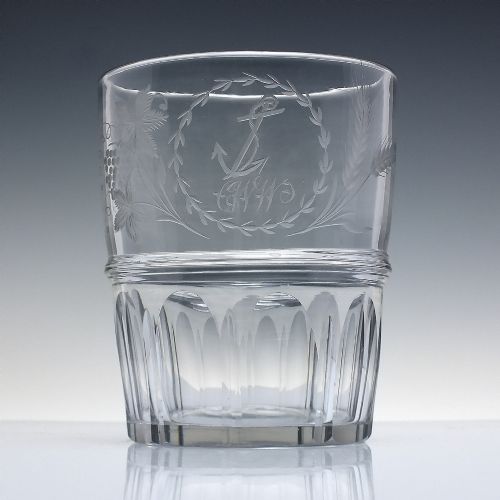


Clear Crystal Ale Glass
A clear crystal ale glass is a historic drinking vessel prized for its clarity and traditional engraving, sought after for period collections.
Clear Crystal Ale Glass
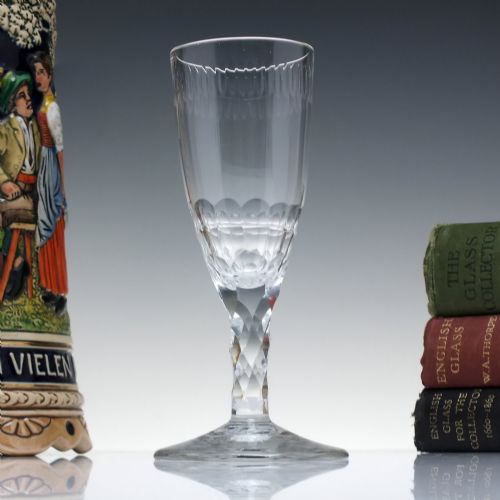
A clear crystal ale glass is a form of stemware or drinking glass designed specifically for historic beverages, appearing predominantly from the Georgian era and the eighteenth century. These pieces include tall flutes, rummers, and flip glass tumblers created to showcase the clarity of lead glass and flint glass.
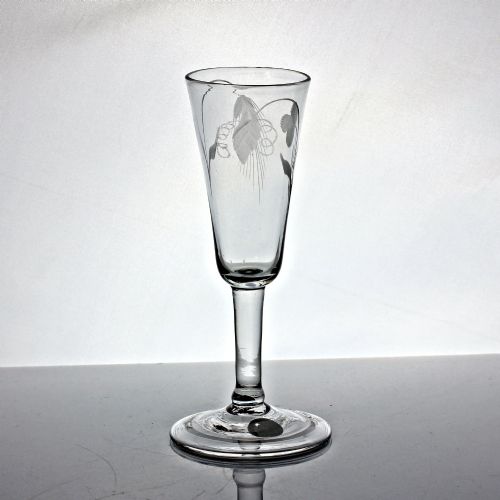
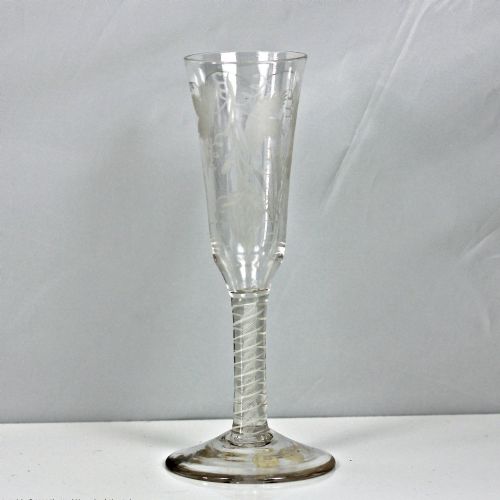
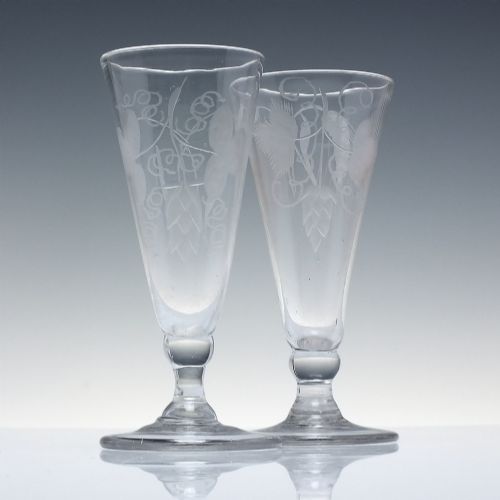
Buyers on this page will most frequently encounter eighteenth century examples featuring distinct air twist stems and traditional English traditional styling. Many of these drinking vessels bear engraved hops and barley motifs that reflect their original purpose.
The selection ranges from mid eighteenth century specimens to later nineteenth century Regency interpretations, alongside occasional twentieth century reproductions. Each object serves as a tangible link to historic dining and drinking customs.
How they were made
Makers utilised hand-blown glass and heavy lead crystal to form the basic silhouette of each vessel before finishing the surface by hand. The inclusion of lead in the metal gave the material a greater refractive index and weight than standard soda glass.
Intricate optical effects within the stems were achieved through air twist techniques, trapping elongated bubbles inside the molten metal before drawing and twisting the glass. Surface decoration was subsequently applied using wheel engraving to depict botanical motifs like hops and barley.
Clear Crystal Ale Glass Retail Price Guide 2026
Typical asking prices for clear crystal ale glass among the pieces listed under this phrase on Sellingantiques today, from the lower quarter to the upper quarter. They describe what is for sale here now, not the wider market.
The listings on this site span the eighteenth century, Georgian era, Regency period, and the twentieth century, utilising lead crystal and hand-blown glass.
What varies in quality
Quality in a clear crystal ale glass rests upon the purity of the metal and the crispness of the optical twist within the stem. Superior examples display minimal internal imperfections and a sharp, well-defined air spiral rather than a blurred or irregular channel.
The finesse of the wheel engraving determines the artistic merit of the piece, with deeper and more detailed incisions commanding greater appreciation. Proportions between the bowl, stem, and foot also dictate the visual balance and overall elegance of the drinkware.
The Clear Crystal Ale Glass Glossary
- Air twist
- A decorative stem formation containing internal spiralling air threads created during the hot manipulation of the glass. This technique was highly popular among eighteenth century English glassmakers.
- Lead crystal
- A heavy, brilliant variety of glass containing lead oxide that increases density and light dispersion. It forms the primary material for high quality Georgian stemware.
- Rummer
- A large, sturdy drinking glass typically featuring a short stem and a capacious bowl suitable for ale or rum. These vessels often carry elaborate agricultural engravings.
- Facet cut
- A decorative surface treatment consisting of multiple flat, polished planes ground into the stem or bowl. This method enhances the sparkle of the crystal under candlelight.
- Flip glass
- A cylindrical tumbler without a stem, used historically for serving beer and mixed drinks. They frequently exhibit thick walls and robust proportions.
Clear Crystal Ale Glass: Frequently Asked Questions
What is an air twist stem?
An air twist stem is a decorative feature formed by drawing out tiny air bubbles trapped within the molten metal during manufacture. The glassmaker then twists the metal to create a spiral effect inside the stem.
This technique requires considerable skill to maintain a uniform pattern throughout the length of the stem. It remains one of the primary indicators of eighteenth century British glassmaking expertise.
How were ale glasses used?
Historic ale glasses were designed specifically for consuming malt beverages during social gatherings and formal dinners. Their tall bowls and narrow forms concentrated the aromas of the drink.
Many examples feature engravings of hops and barley to signify their contents. They served as both functional tableware and status symbols for affluent households.
Can I use antique glassware today?
While these pieces were originally made for daily dining, collectors generally treat historic stemware with great care due to its age and fragility. Hand washing in lukewarm water is essential to preserve the delicate lead crystal.
Sudden temperature changes should be avoided to prevent thermal shock. Many owners prefer to display them in cabinets rather than subject them to modern use.