




Clear and Black Vase
A clear and black vase offers striking contrast, bringing graphic elegance and modernist restraint to a room.
Clear and Black Vase
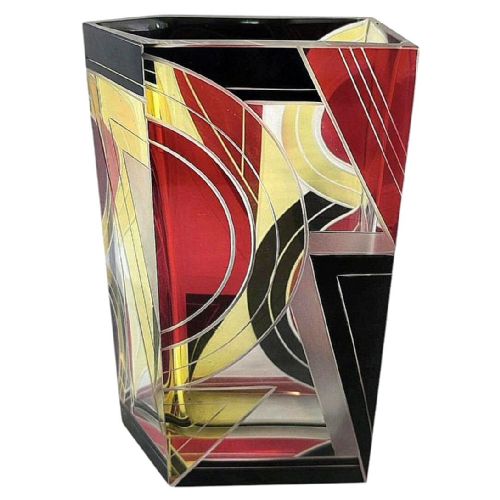
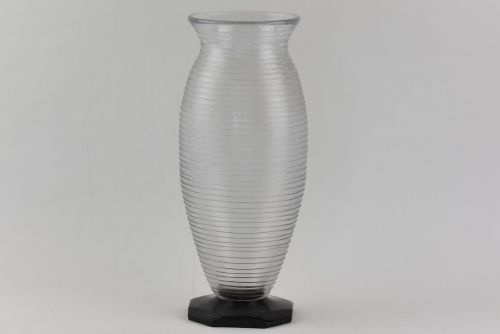
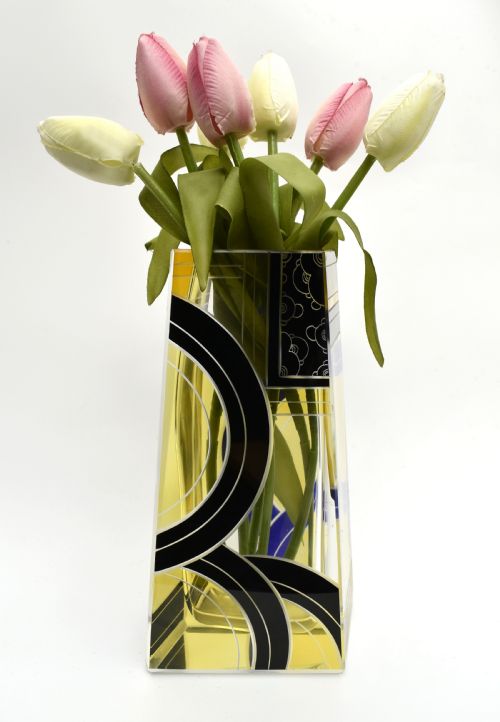
When you search for a clear and black vase, you are looking at striking decorative vessels that rely on the interplay of transparent glass and dark contrast. The examples you are most likely to meet on this page hail from the Art Deco period, dating around nineteen thirty.
Many of these geometric and tall vessels originate from the Czech Republic, showcasing the distinct aesthetic of makers such as Karl Palda and Jean Luce. Alongside these modernist glass forms, the listings also include nineteenth-century Black Forest carved wood and Baccarat crystal table centrepieces.
The selection ranges from square and tall blown glass vessels decorated with enamel to deeply etched glass and elaborate crystal epergnes. Each piece captures a specific historical moment, whether through modernist acid-etched motifs or nineteenth-century craftsmanship.
How they were made
The glass vessels rely on techniques such as blowing, cutting, and deep acid-etching to create texture and depth within the transparent and dark surfaces. Makers applied black enamel and geometric decoration directly onto the glass body to achieve the sharp contrast characteristic of the period.
Earlier nineteenth-century pieces combine carved wood from the Black Forest with clear Baccarat crystal to form complex epergne centrepieces. The combination of tactile wood carving and polished crystal required distinct artisan skills across different materials.
Listings feature Art Deco glass, frosted glass, and acid-etched glass alongside nineteenth-century carved wood and crystal.
What varies in quality
The distinction at the top of the range lies in the precision of the geometric cutting and the execution of the enamel decoration. Pieces bearing the signature of established makers like Karl Palda or Jean Luce demonstrate superior handling of acid-etching and surface depth.
Design complexity and structural ambition also set certain vessels apart, particularly in pieces that combine blown glass with intricate enamel work or mount crystal within carved wood structures.
Jean Luce·Karl Palda·Daum
The Clear and Black Vase Glossary
- Art Deco
- A design style of the nineteen thirties characterised by sleek geometric shapes, stylised motifs, and modern industrial materials. It marked a sharp departure from the ornate floral designs of earlier eras.
- Acid-Etched Glass
- Glass treated with acid to eat away the surface and create frosted or deeply carved decorative patterns. This technique allowed makers to achieve intricate matte designs against clear or dark glass.
- Baccarat Crystal
- Fine crystal produced by the historic French manufacturer renowned for its clarity and weight. Pieces featuring this material often form the central bowls or trumpets of elaborate nineteenth-century epergnes.
- Epergne Centre Piece
- A large ornamental stand featuring multiple detachable branches or dishes used for table decoration. They frequently combine carved wooden mounts with crystal glass components.
- Enamel Decorated Glass
- Glass painted with vitreous enamel colours and fired to fuse the pigment permanently to the surface. It allows for bold geometric patterns and opaque black accents on transparent bodies.
Clear and Black Vase: Frequently Asked Questions
What periods do these pieces represent?
The selection spans two distinct eras, primarily focusing on the nineteen thirties with Art Deco modernist glass. You will also find nineteenth-century examples representing earlier decorative traditions.
These periods show a clear shift from ornate carved wooden structures combined with crystal toward clean geometric lines and acid-etched glass.
Where were the glass vases made?
Many of the Art Deco vessels originate from the Czech Republic, a region celebrated for its glass manufacturing heritage during the interwar period. Prominent designers and workshops in this area produced distinctive etched and enamelled glassware.
Other notable glassworks, such as those associated with Daum, represent the French contribution to modernist design.
How do I style a clear and black vase?
The strong graphic contrast of these vessels allows them to stand alone as sculptural objects on a mantelpiece or table. They work well in minimalist or monochrome interiors where their geometric lines can take visual precedence.
When using them for display, consider placing them near light sources to highlight the interplay between transparent glass and dark enamel.
What is a Black Forest epergne?
A Black Forest epergne is a nineteenth-century table centrepiece featuring elaborately carved wood depicting naturalistic motifs. These wooden stands support bowls or trumpets made of clear Baccarat crystal.
They served as decorative centrepieces for large dining tables, combining organic wood sculpture with refined crystal glass.