




Claw Foot Standard Lamp
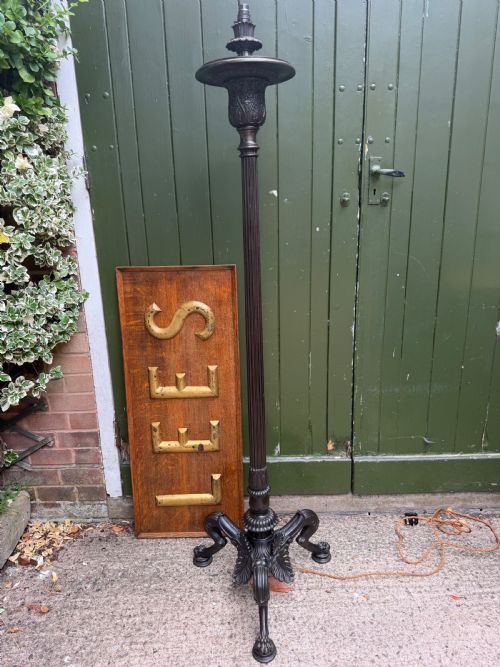
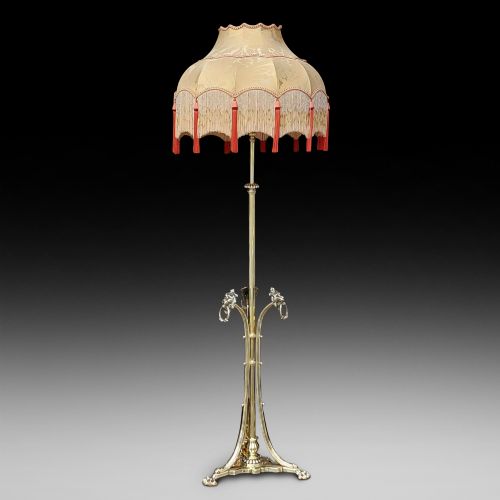
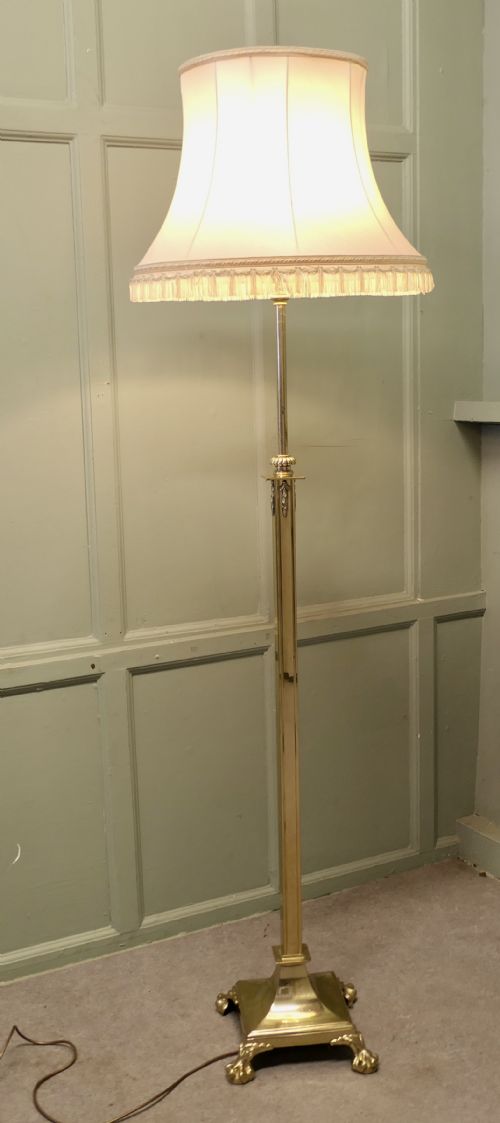
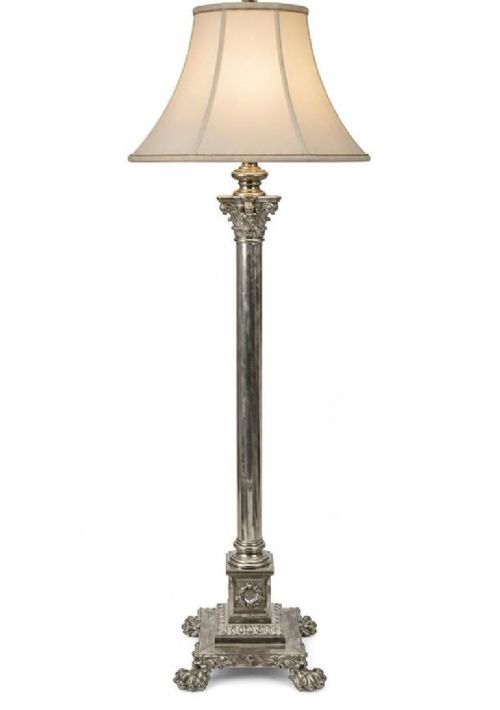
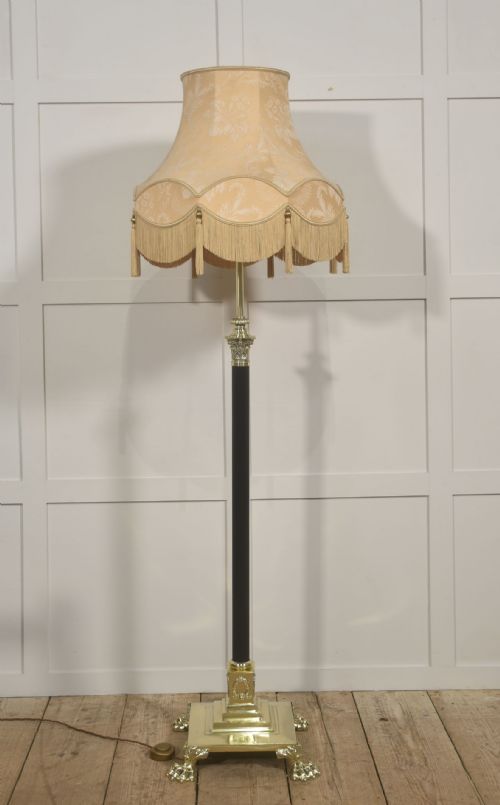
A claw foot standard lamp is a substantial floor-standing lighting piece featuring distinctive paw supports, prized for bringing height and classical presence to a room.
Claw Foot Standard Lamp
When you search for a claw foot standard lamp, you encounter tall floor lighting designed to illuminate larger spaces from a standing position. These pieces primarily date from the nineteenth century through the Edwardian era, with occasional twentieth-century examples appearing.
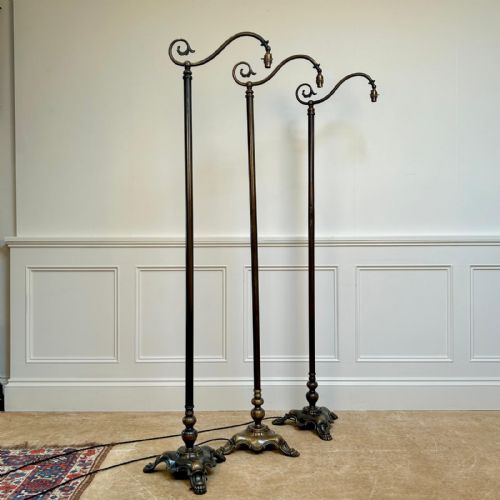
The inventory on this page consists predominantly of standard lamps and floor lamps in materials like brass, copper, and cast iron. Many incorporate adjustable stems or telescopic mechanisms for altering height.
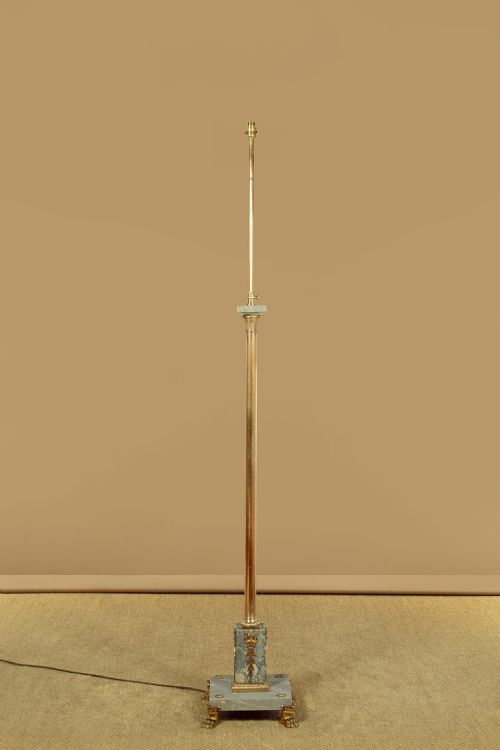
Stylistic influences lean heavily toward Victorian, Edwardian, and Neoclassical designs, including Corinthian column forms and French Empire revivals. You also find oil lamp conversions alongside electrical standards.
How they were made
Makers utilised heavy metals such as cast iron and bronze patinated bases to anchor the considerable height of each standard lamp safely. Brass and copper components were cast, turned, and polished to create structural columns and decorative oil reservoirs.
Telescopic mechanisms were engineered with precision to allow smooth vertical adjustment of the brass stems without compromising stability. Bases were frequently cast with detailed paw feet or classical motifs to provide a secure foundation.
Some Victorian oil lamps retain the exact brass snuffer cap once used to extinguish the evening flame before electricity arrived.
What varies in quality
The distinction between standard and superior pieces rests on the weight and integrity of the metalwork, particularly in the casting of the feet and columns. Finer examples display crisp Neoclassical detailing and robust telescopic actions that hold position securely.
Proportion and material combination also dictate the grade of a lamp, with multi-metal compositions of brass and copper or fine bronze patination indicating higher manufacturing ambition.
The Claw Foot Standard Lamp Glossary
- Standard Lamp
- A tall floor-standing lamp designed to illuminate a room from a vertical shaft. These objects provide ambient or reading light independently of table surfaces.
- Telescopic
- A shaft construction allowing the height of the lamp to be adjusted up and down. This mechanism uses inner and outer sliding metal tubes secured by a key or screw.
- Corinthian Column
- A classical architectural column style featuring ornate, leaf-carved capitals at the top of the shaft. Lamp makers frequently adopted this form for formal reception rooms.
- Neoclassical
- A revival style drawing inspiration from classical Greek and Roman architecture and ornament. It manifests in these lamps through clean columns, patinated bronze, and classical paw feet.
Claw Foot Standard Lamp: Frequently Asked Questions
How do I adjust a telescopic standard lamp?
Telescopic lamps use an internal sliding mechanism secured by a thumbscrew or collar near the upper section of the shaft. Loosening this control allows you to raise or lower the height before tightening it again.
Older mechanisms require careful handling to avoid damaging the inner brass tubing. Support the weight of the upper section with one hand while adjusting the fixture.
Can old oil lamps be used for electricity?
Many period standard lamps originally burned oil and have subsequently been converted to electricity for modern domestic use. This conversion usually involves running wiring through the central column to a standard bulb holder.
When buying a converted piece, check that the internal wiring meets current safety standards. A qualified electrician can easily update old cords and fittings while preserving the antique metalwork.
What rooms suit a tall standard lamp?
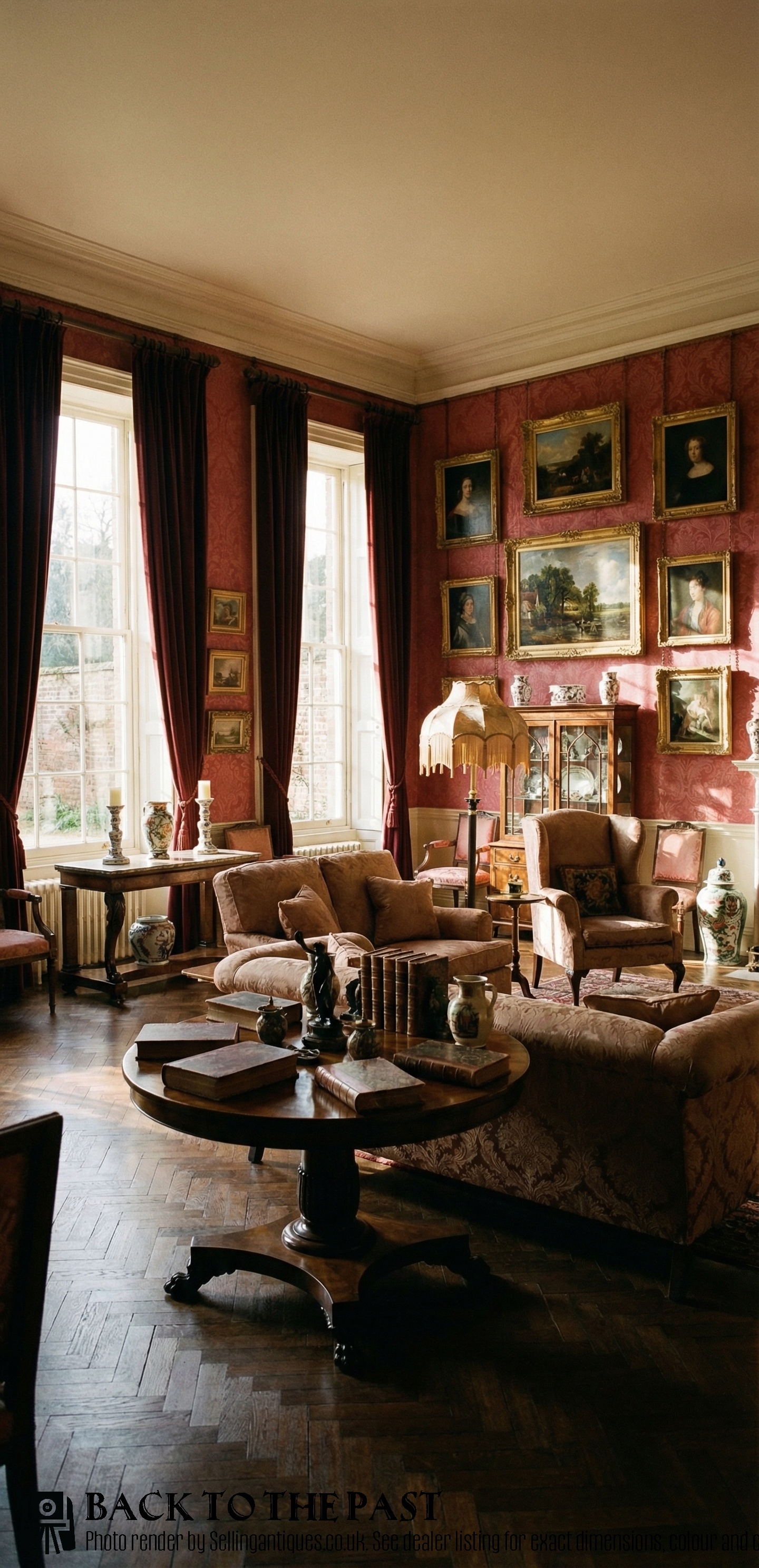
Standard lamps excel in reception rooms, libraries, and corners where overhead lighting is too harsh or insufficient. Their height allows them to cast light down over seating areas without needing a table.
Placement should take into account the footprint of the base and the reach of the flex. Ensure the heavy metal base sits firmly on level flooring to prevent accidental tipping.
How do I identify a Victorian brass lamp?
Victorian brass standard lamps often feature heavier metal castings and distinct period ornamentation such as Corinthian capitals or stepped pedestal bases. Makers like Messenger produced substantial designs marked by quality construction.
Examine the patina on the brass and the method of joining the components. Older pieces show natural ageing and tool marks consistent with nineteenth-century workshop practices.