
Antique Standing Lamp Base
An antique standing lamp base brings sculptural height and warm illumination to a room, drawing the eye upwards with period character.
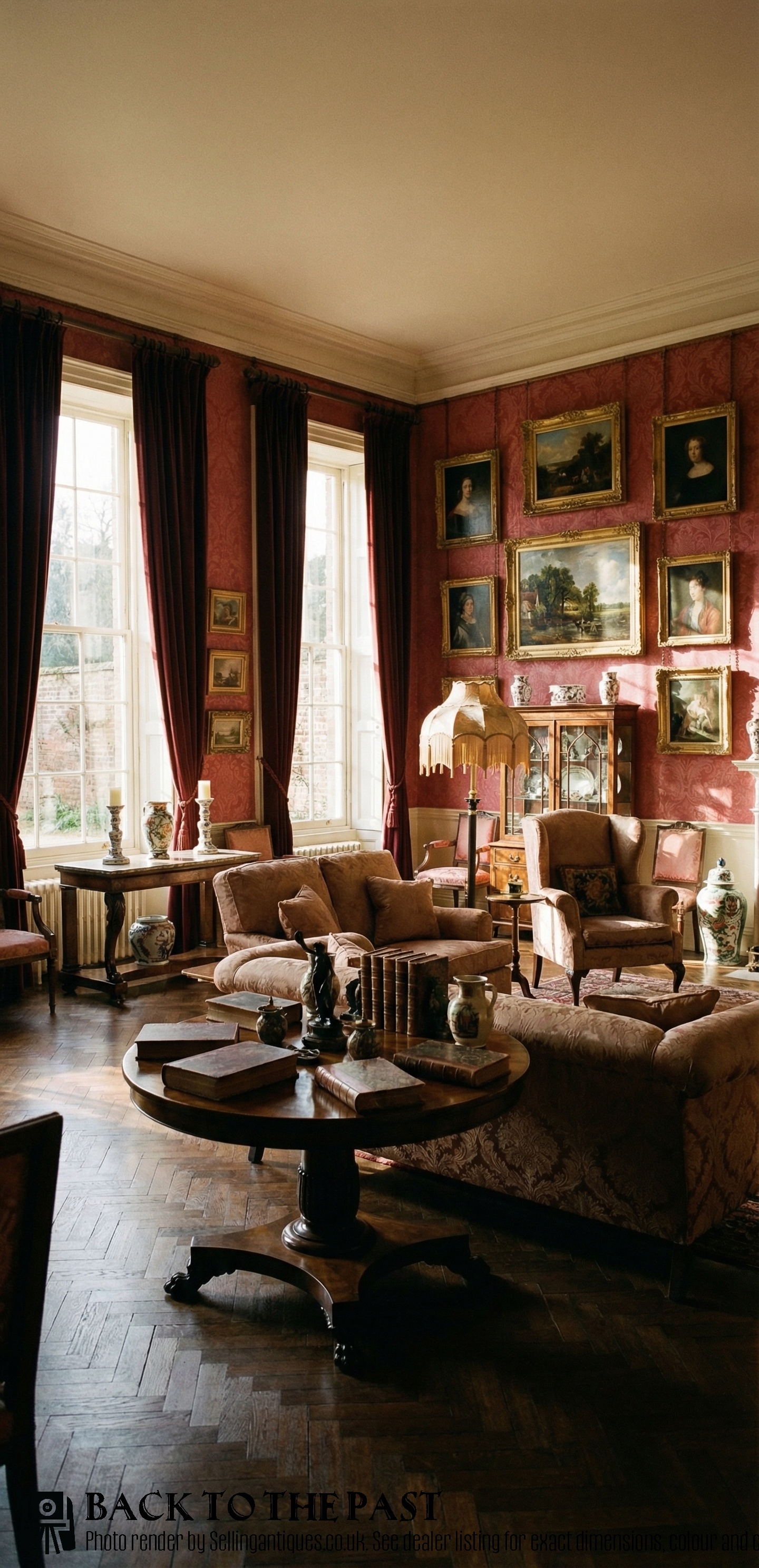
Antique Standing Lamp Base
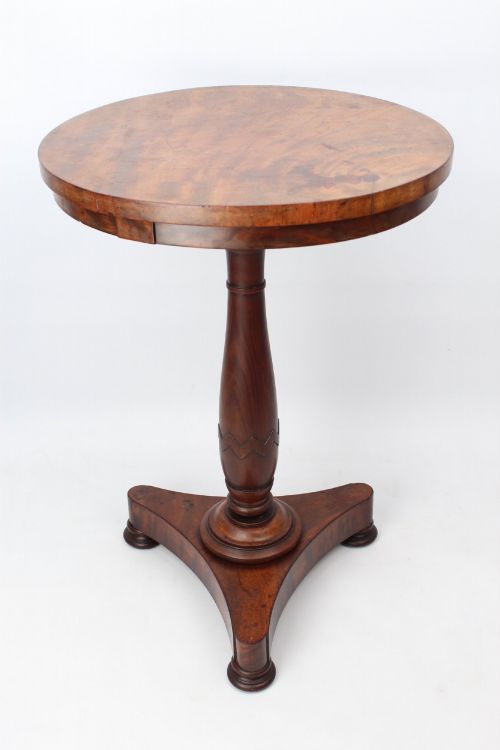
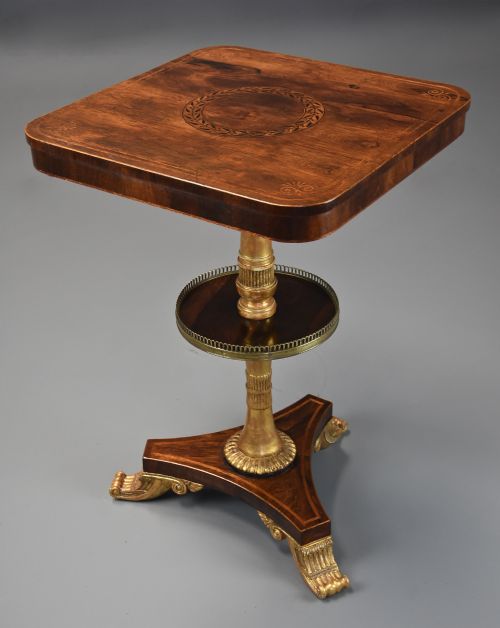
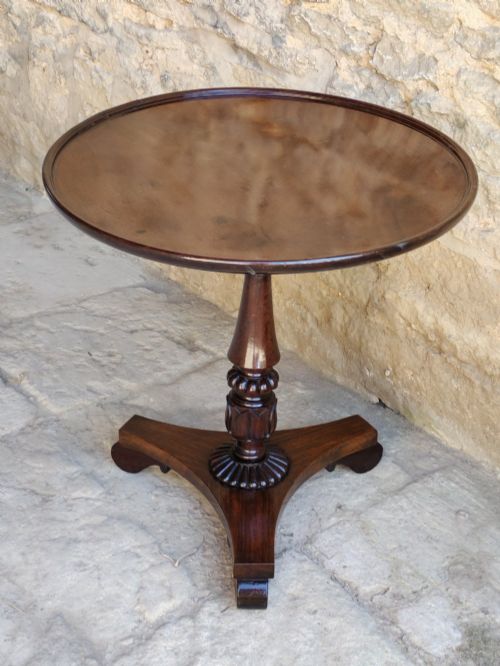
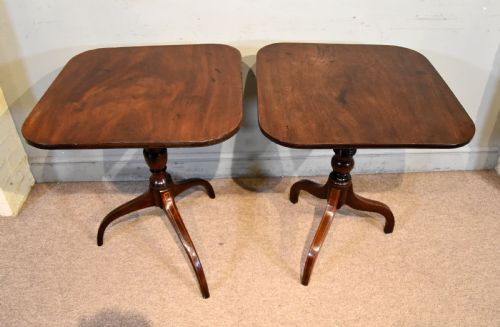
An antique standing lamp base provides the vertical support and weighted foundation for floor-standing lighting, designed to sit directly upon the floor rather than upon furniture. When you search for an antique standing lamp base, you encounter upright standards made for electrical conversion or original oil and gas conversion, alongside tall candelabras and occasional tables that share the same floor-standing footprint.
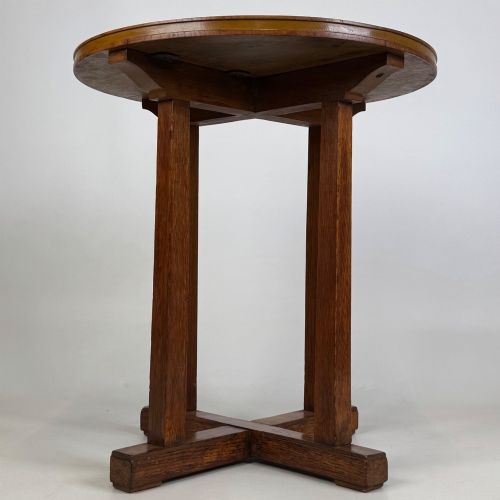
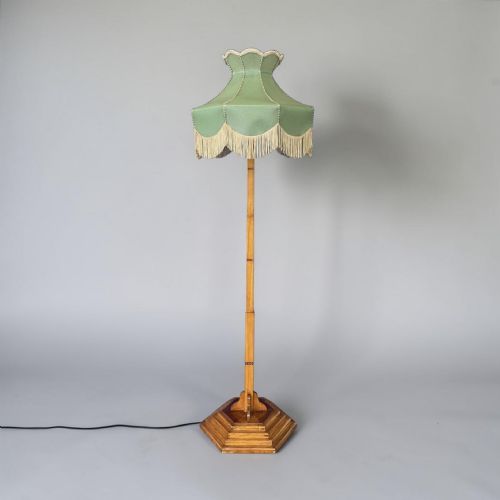
The selections span the nineteenth century through the interwar decades of the twentieth century, taking in Regency, Victorian, Edwardian, and Art Deco periods. Mahogany, rosewood, oak, and walnut appear alongside cast iron, giltwood, and patinated brass, reflecting the changing tastes of domestic interiors across generations.
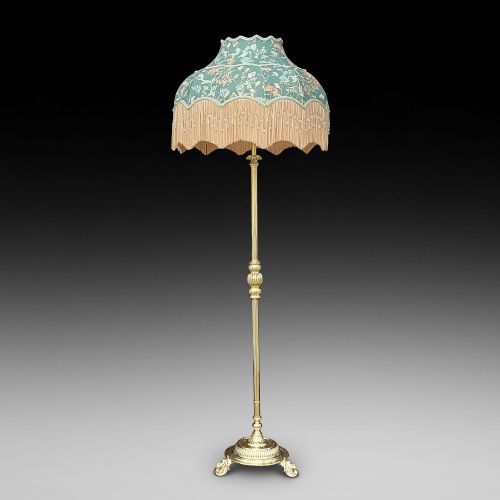
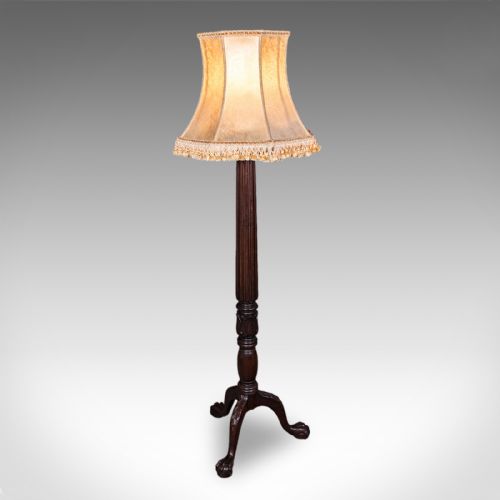
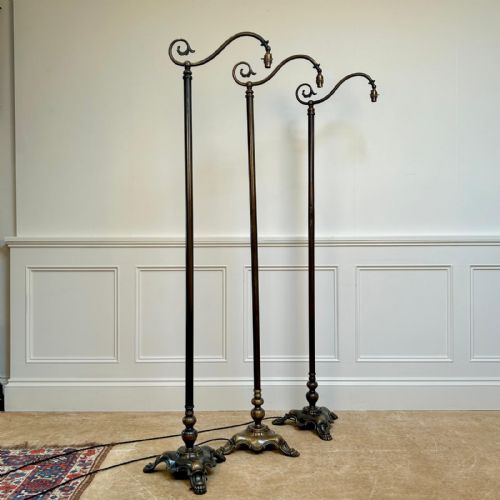
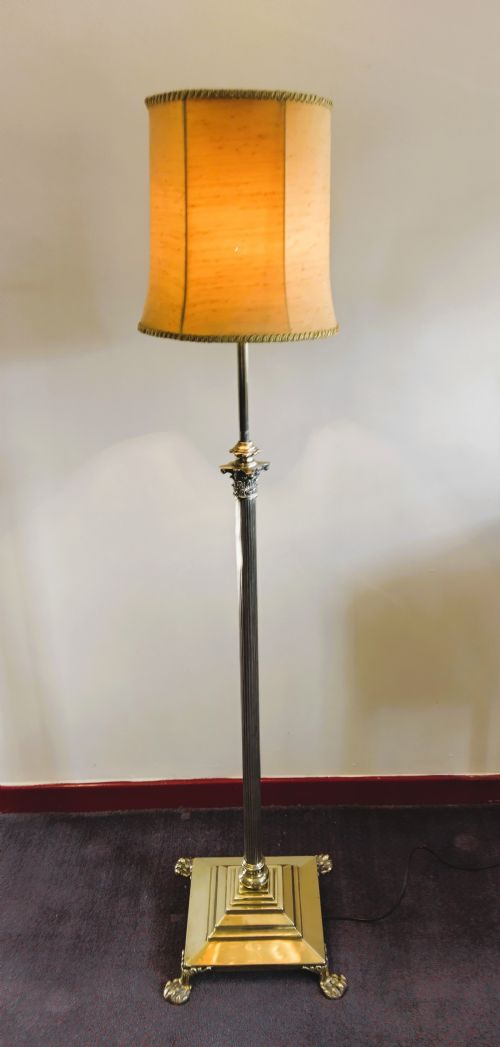
Standard lamps and floor lamps dominate the offerings, occasionally accompanied by adjustable reading lights, tripod base designs, and Corinthian columns. These vertical supports anchor a room's lighting scheme while displaying the turned woodwork, carved details, and metalworking signatures of their respective eras.
How they were made
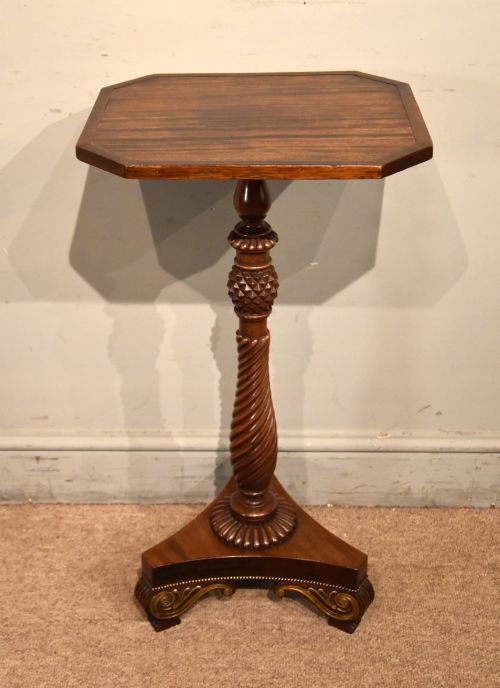
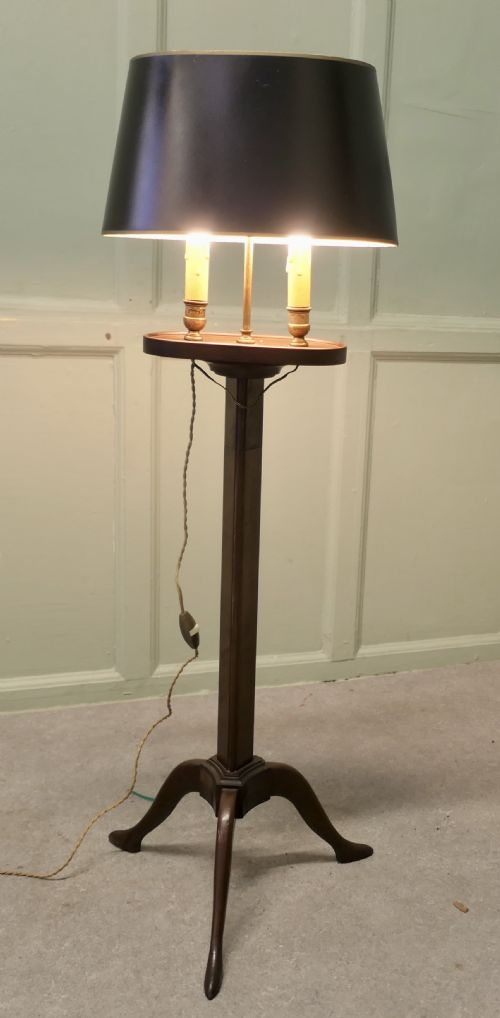
Makers shaped these vertical forms using traditional carpentry and metalworking techniques suited to the material. Timber standards in mahogany, rosewood, and oak rely on lathe-turning for columns and pedestals, often supported by three-legged tripod bases for stability.
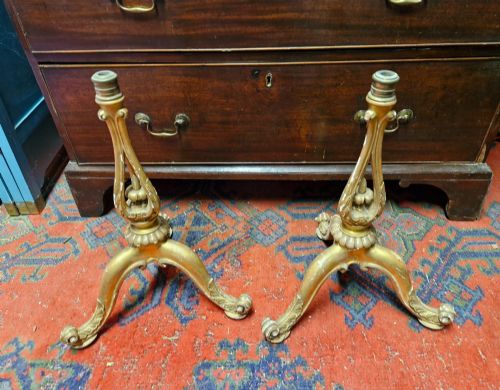
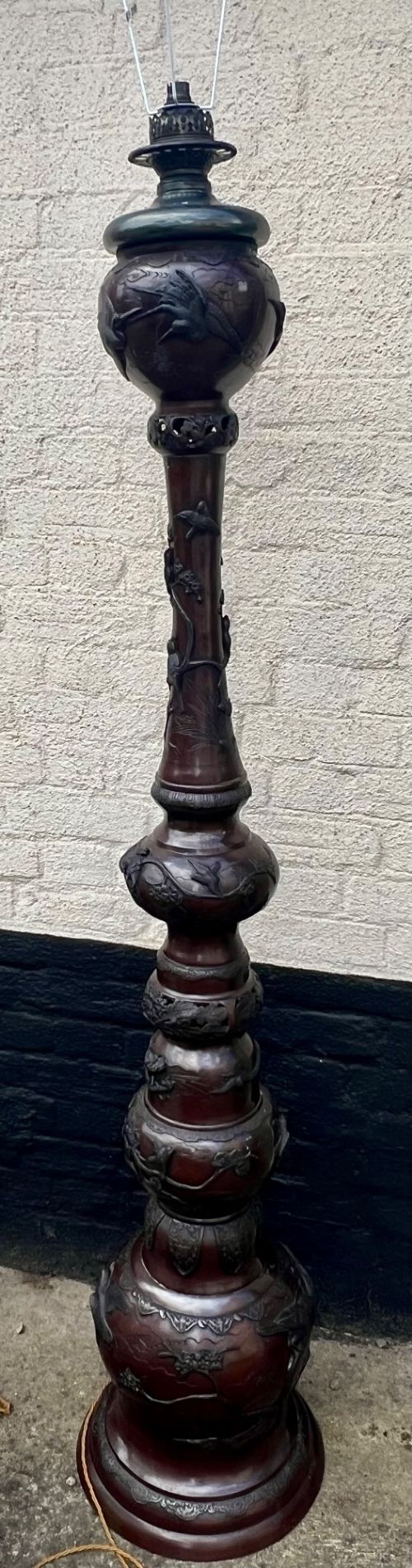
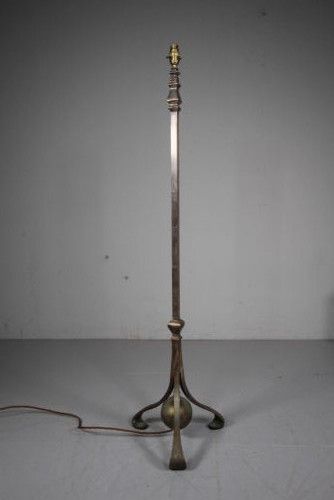
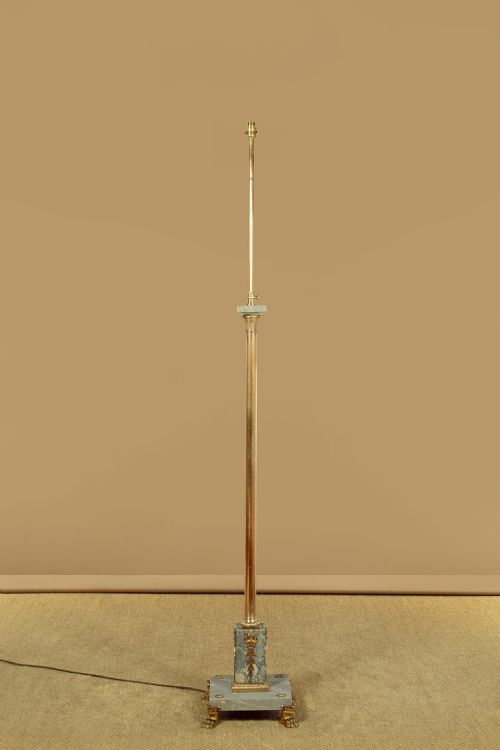
Metal standards utilise cast, spun, or patinated brass, iron, and silver plate, sometimes incorporating adjustable mechanisms for height alteration. Giltwood and bronze examples demonstrate decorative surface treatments, including floral openwork, classical columns, and elaborate tripod feet.
Listings feature timber varieties including mahogany, rosewood, oak, and walnut alongside brass, cast iron, and giltwood.
What varies in quality
The distinction between ordinary and superior examples rests in the substance of the materials and the crispness of the workmanship. Solid hardwoods like rosewood and mahogany, heavy cast brass, and carved giltwood exhibit a density and tactile depth that lighter or composite alternatives lack.
The Antique Standing Lamp Base Glossary
- Standard lamp
- A tall floor-standing lamp designed to support a shade and bulb at eye level or above. These vertical fittings provide ambient illumination in a room.
- Tripod base
- A three-legged support structure commonly found beneath lamp bases and occasional tables. This arrangement ensures stability on uneven floorboards.
- Corinthian column
- An architectural column style featuring an ornate capital decorated with acanthus leaves. It appears frequently on formal brass and bronze lamp standards.
- Bouillotte lamp
- A traditional adjustable lamp featuring multiple candle arms or a central light source beneath a shade. These designs originate from card-playing tables of the eighteenth and nineteenth centuries.
- Occasional table
- A small, portable side table for general use, frequently sharing the timber and period characteristics of concurrent lamp stands.
Antique Standing Lamp Base: Frequently Asked Questions
What is an antique standing lamp base?
An antique standing lamp base is a floor-standing vertical support designed to hold a light fitting, candle, or oil reservoir. These pieces elevate illumination above table height and serve as decorative furniture elements.
They appear in various styles ranging from Regency mahogany columns to Edwardian brass standards and Art Deco designs. Each base provides the structural foundation and aesthetic character for interior lighting.
How do I date an antique lamp base?
Dating relies on identifying the prevailing design style, materials, and construction techniques used in the piece. Regency and William IV pieces often display heavy mahogany or rosewood turnings, whereas Edwardian and Art Nouveau versions frequently utilise brass with floral or organic motifs.
Examining the base for assembly methods, screw types, and wiring channels helps distinguish original nineteenth-century oil or gas standards from later twentieth-century electric adaptations.
Were these always electric lamps?
Many older standing lamp bases originated as oil lamps, gas light standards, or candle-bearing floor candelabras before later conversion to electricity. Brass oil lamp standards and floor candelabras from the nineteenth century were routinely adapted as wiring became standard in homes.
This history of conversion is entirely normal for standard lamps dating from the Victorian and Edwardian eras and earlier.
How do I place a floor lamp in a room?
A standing lamp base works well beside armchairs, sofas, or in dark corners that require vertical illumination. The height of the standard allows light to cast downwards over seating areas without taking up tabletop space.
Matching the period of the lamp to surrounding furniture, such as placing an oak Arts and Crafts standard near quarter-sawn cabinetry, unifies the interior scheme.