




Claw and Ball Lamp
These claw and ball lamp stands and tables combine practical illumination surfaces with carved organic supports.
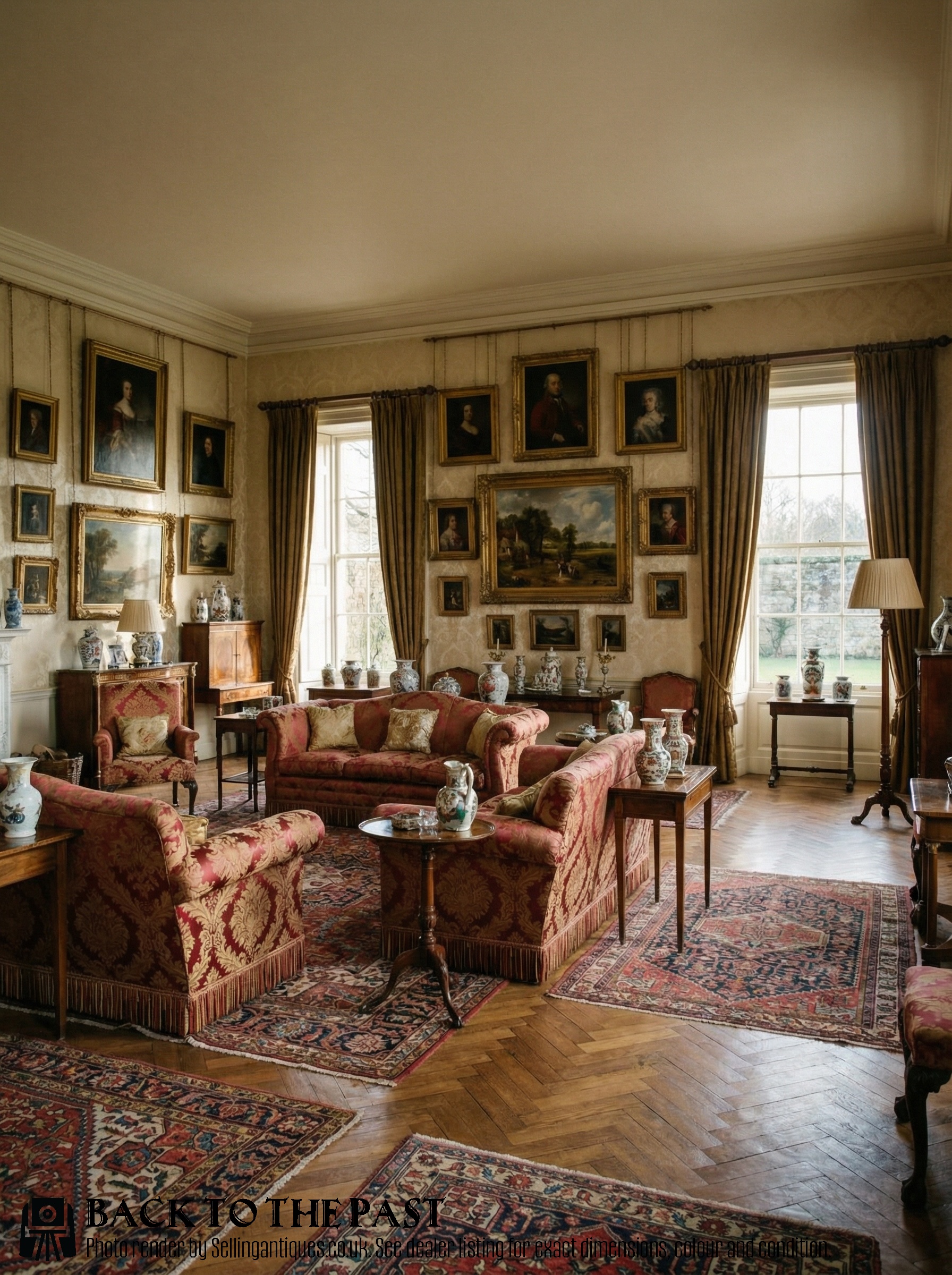
Claw and Ball Lamp
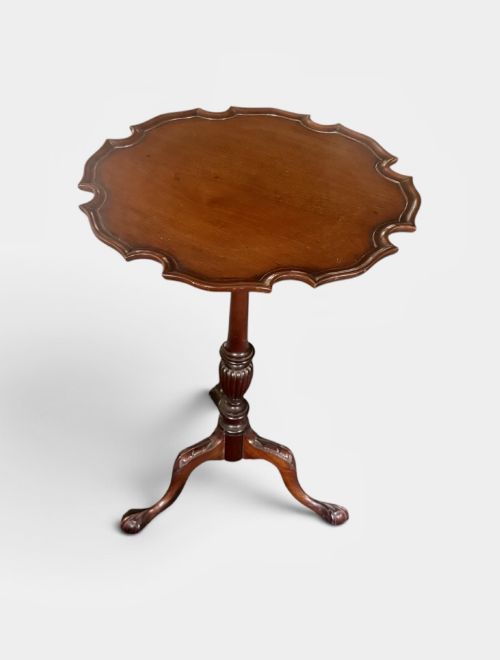
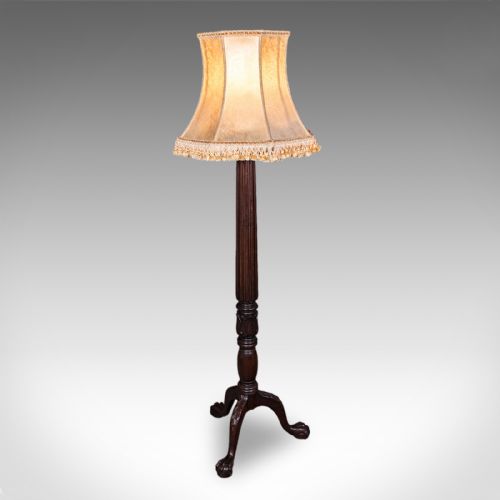
A claw and ball lamp typically takes the form of a side table, occasional table, wine table, plant stand, or floor lamp designed to hold a light fitting. These pieces span periods from the Georgian era through Victorian, Edwardian, and early twentieth-century revivals.
The most common formats on this page are compact timber tables and stands built for domestic placement beside seating. They draw on Chippendale, Queen Anne, and Georgian styles to shape their distinctive legs and feet.
Materials and construction
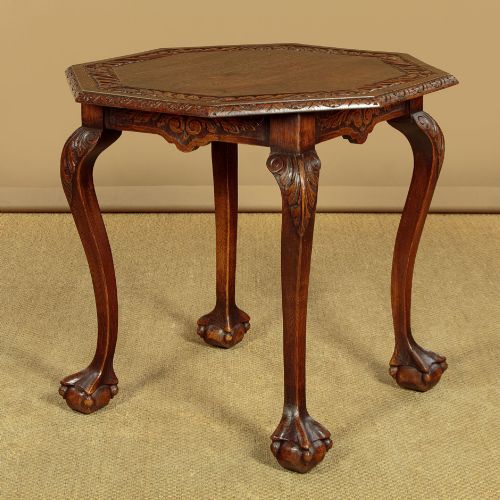
Cabinet makers utilised dense hardwoods such as mahogany, walnut, burr walnut, and oak to carve the intricate details of the feet and legs. Timber surfaces were often polished or finished to highlight the natural grain of the wood.
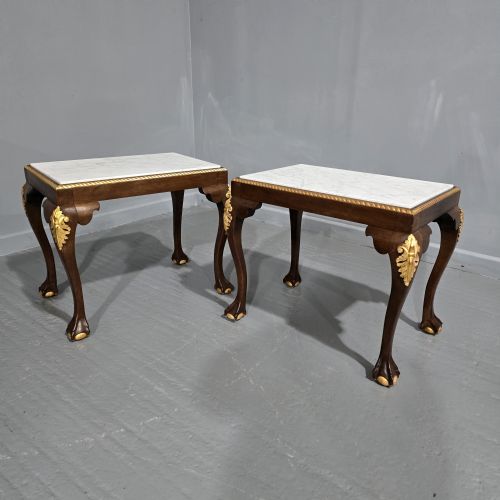
Certain pieces incorporate supplementary materials like brass fittings, marble tops, onyx inserts, and fabric lamp elements. Joinery methods relied on traditional turning and carving techniques suited to support weighted forms.
Listings feature mahogany, walnut, and oak across Victorian, Edwardian, and twentieth-century revival periods.
Judging the standard of execution
The crispness of the hand carving on the wooden claws and the grasping talons defines the artistic success of the support. Softer or shallower moulding indicates a more commercial production.
The choice of timber veneers, such as figured burr walnut or rich mahogany, dictates the visual depth of the top surface. Well-balanced proportions between the central column, the legs, and the upper surface distinguish finer examples.
S & H Jewell London
The Claw and Ball Lamp Glossary
- Claw and ball
- A furniture foot motif depicting a bird talon grasping a spherical ball. This design grew popular during the eighteenth century and saw frequent revivals.
- Tripod table
- A small freestanding table supported by three legs radiating from a central pillar. These formats provide stable placement on uneven historic flooring.
- Wine table
- A diminutive occasional table intended for holding drinking vessels or small lighting. They typically feature a circular top on a turned pedestal.
- Torchiere
- A tall stand or floor lamp designed to elevate a light source high above the floor. They often feature slender columns and decorative bases.
- Pie crust rim
- A raised, scalloped edge carved directly into the perimeter of a wooden table top. This detail prevents items from sliding off the surface.
Claw and Ball Lamp: Frequently Asked Questions
What is a claw and ball lamp?
A claw and ball lamp refers to lighting stands and small tables featuring carved feet shaped like talons grasping a sphere. These pieces unite structural support with decorative historic styling.
They serve as functional surface areas for illumination while bringing period character into a room.
How do I date a lamp table?
Dating relies on examining the timber species, construction joints, and stylistic revival influences present in the piece. Pieces range from nineteenth-century originals to early twentieth-century revival interpretations.
Comparing the turning methods and secondary woods helps narrow down the decade of manufacture.
Where should I place a wine table?
Wine tables and small occasional stands fit well beside armchairs, sofas, or empty corners requiring a compact surface. Their diminutive footprints make them adaptable for holding lamps or afternoon tea.
Avoid placing them in direct sunlight or beside intense heat sources to protect the polished timber.
How do I maintain mahogany furniture?
Maintain timber surfaces by dusting regularly with a soft, dry cloth to prevent grit accumulation. Occasional treatment with appropriate wax preserves the sheen of the wood.
Keep humidity levels stable to prevent the solid timber or veneers from cracking over time.