
Georgian Style Lamp
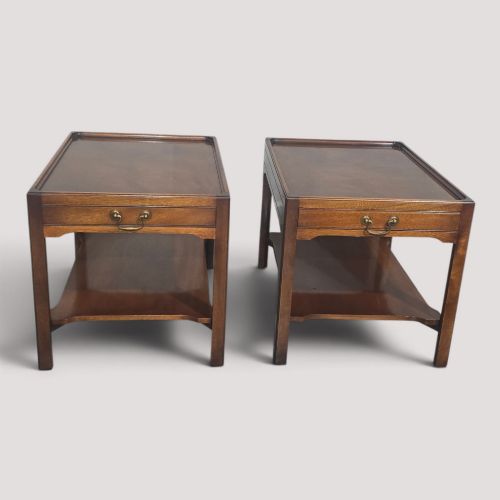
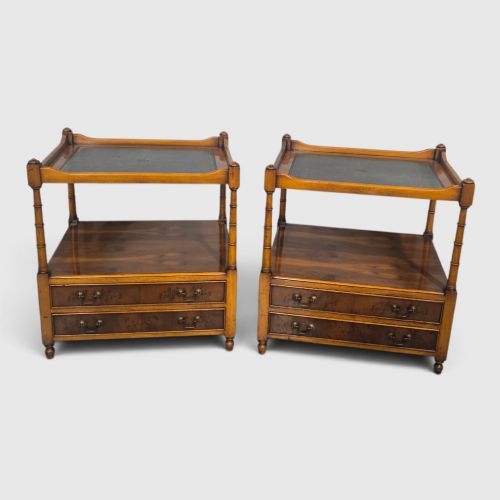
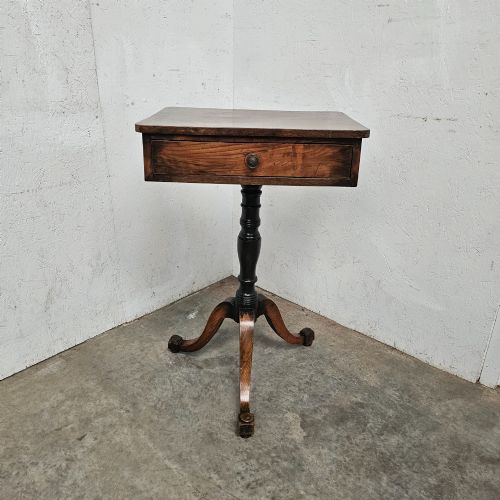
These pieces take the classic proportions of the eighteenth century and translate them into domestic lighting and matching tables.
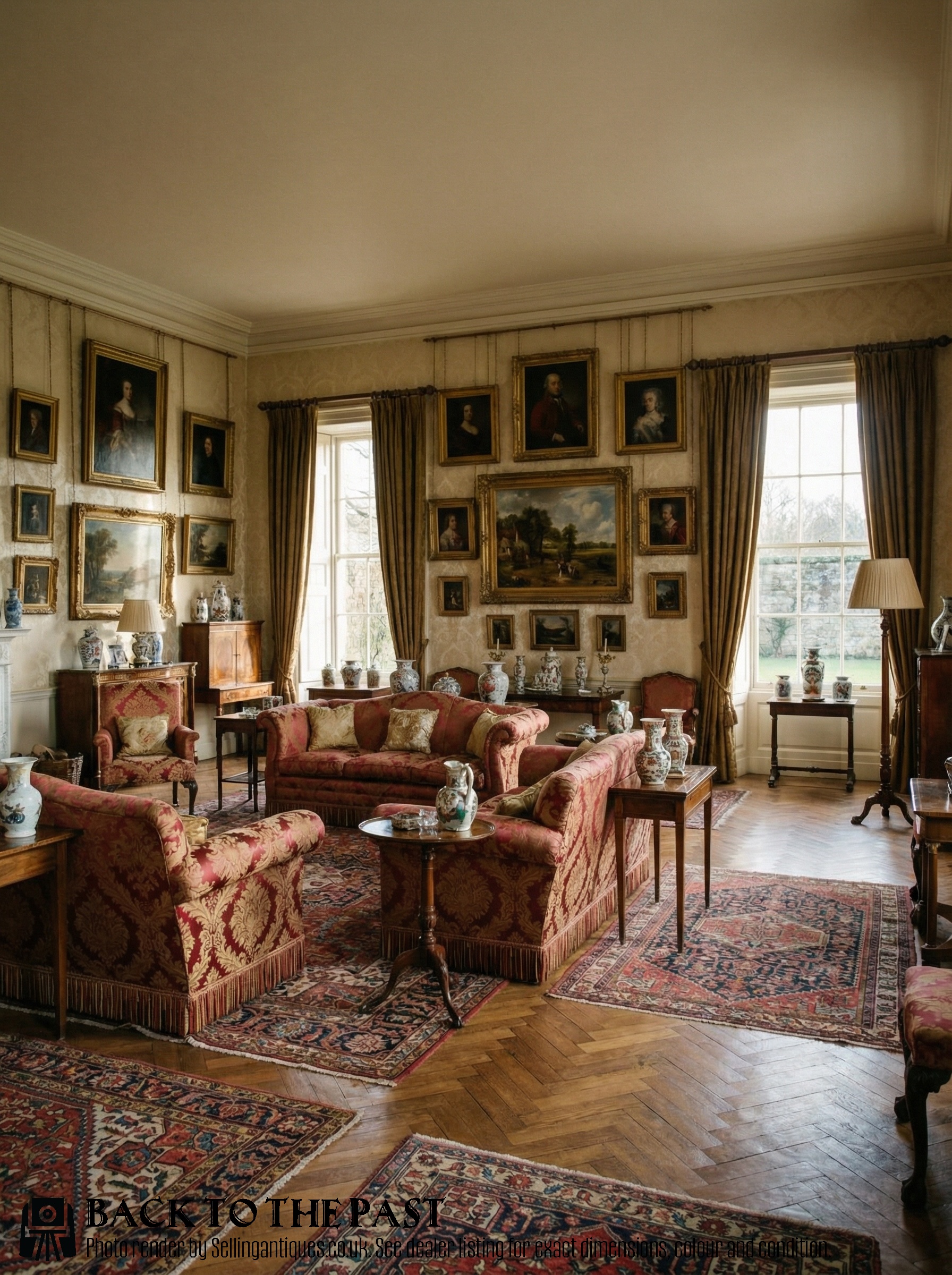
Georgian Style Lamp
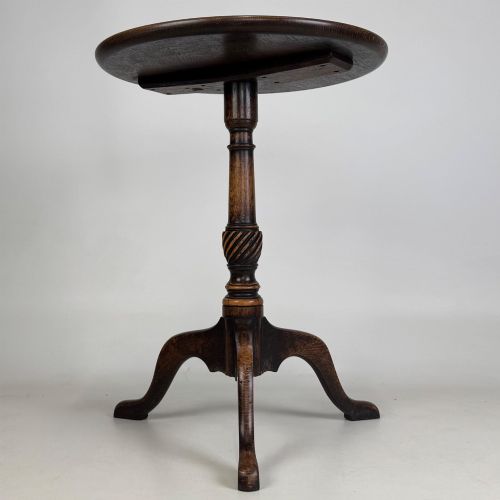
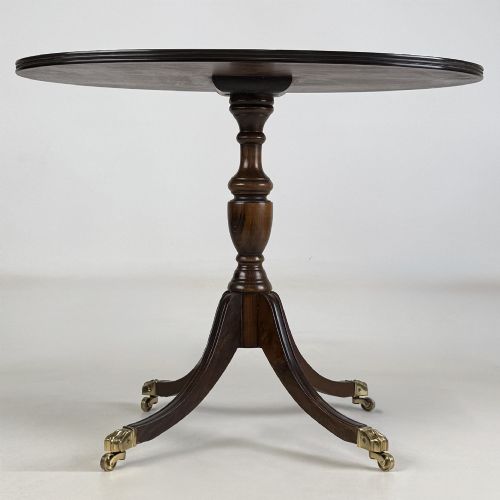
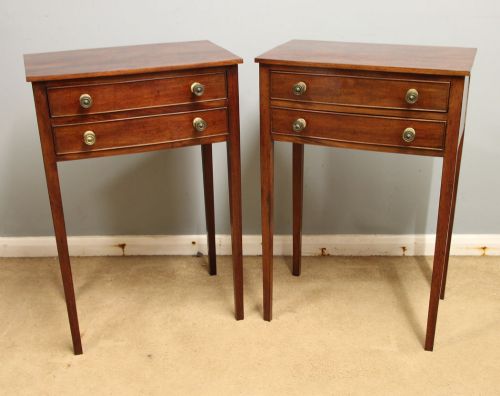
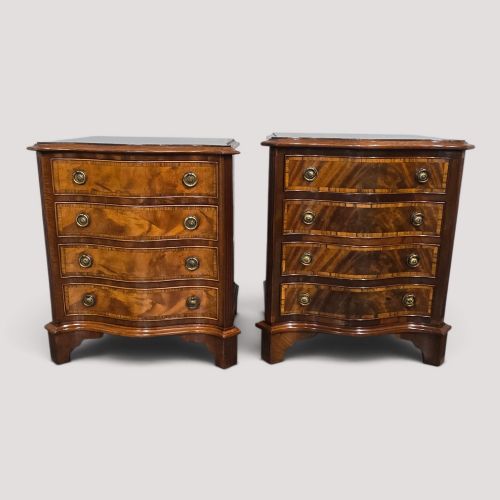
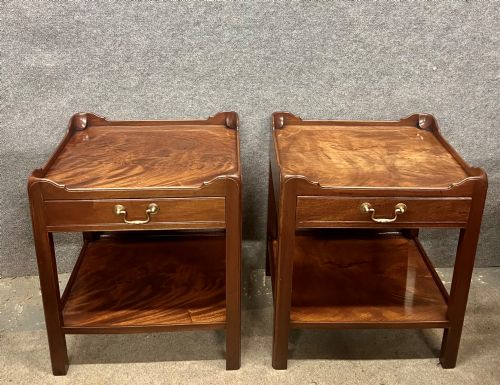
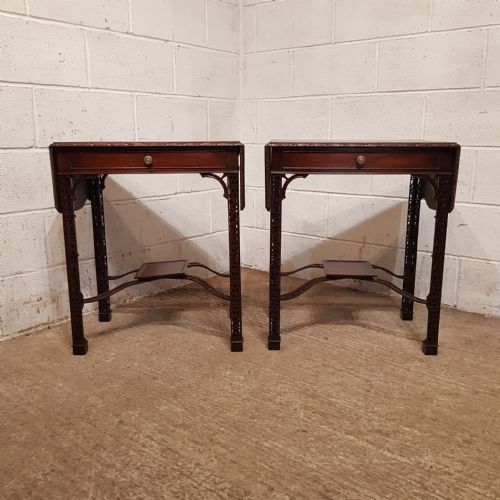
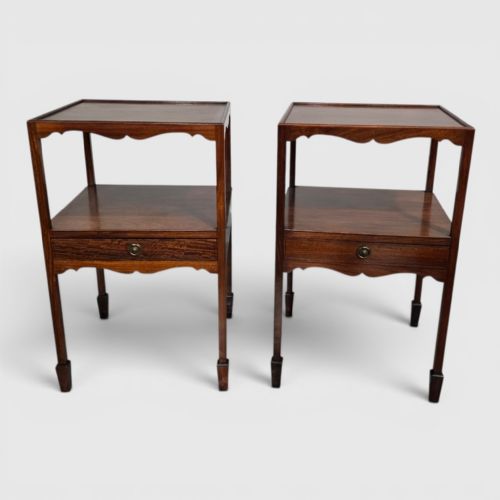
A georgian style lamp or accompanying table draws upon the architectural clarity and balanced forms of the eighteenth century, adapted by later makers to suit changing domestic interiors. Buyers searching this phrase most frequently encounter standard floor lamps in brass or turned timber alongside compact occasional, wine, and bedside tables.
The selection ranges from genuine nineteenth-century pieces to later revival iterations produced across the Edwardian decades and the interwar years. Makers of these periods drew directly upon earlier pattern books, producing standard lamps and small lamp tables designed to sit harmoniously beside traditional seating arrangements.
How they were made
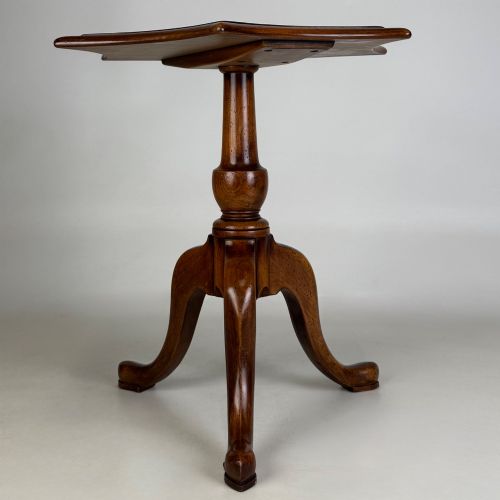
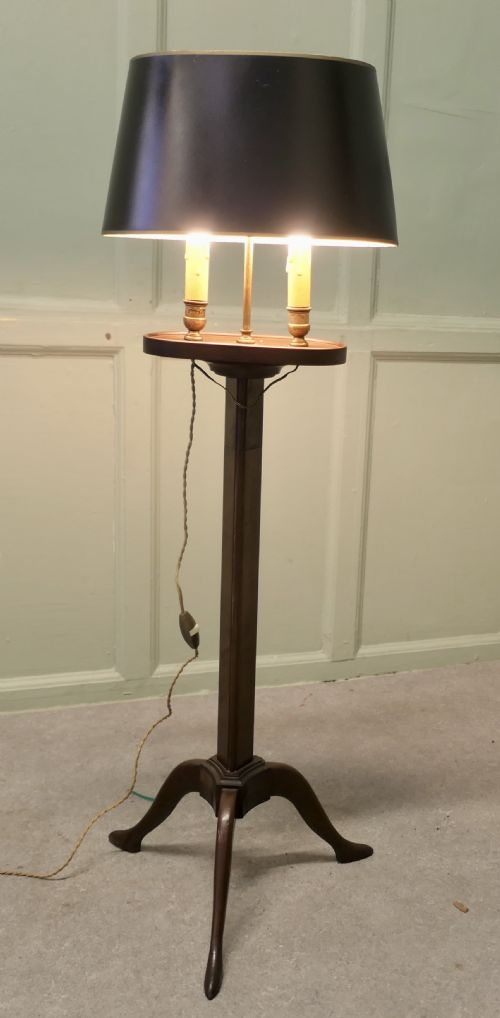
Construction relies heavily on dense hardwoods such as mahogany, walnut, and oak, frequently turned on lathes to create slender columns, pedestals, and tripod bases. Brass components appear extensively in standard floor lamps, providing telescoping mechanisms and weighted bases for stability.
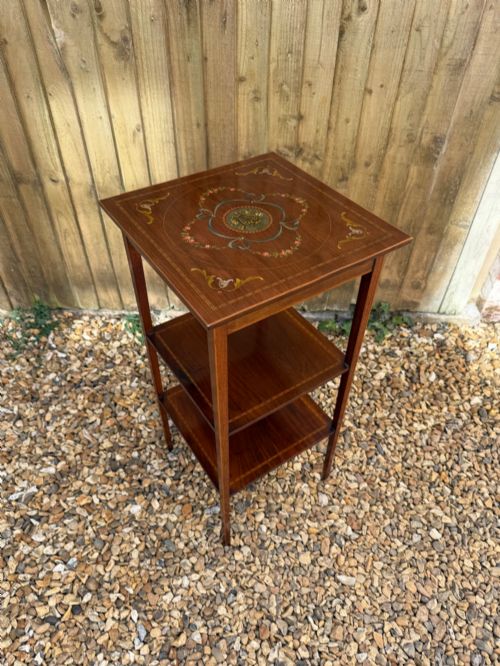
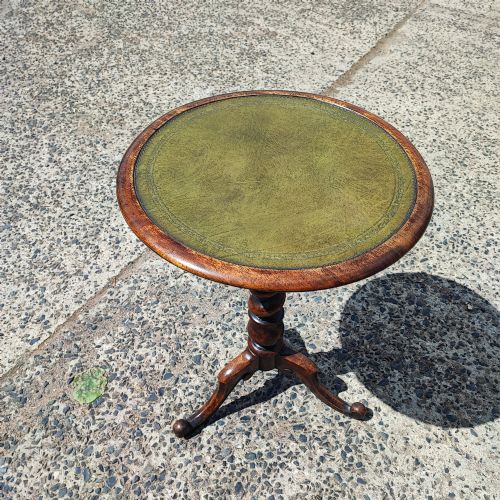
Surface detailing involves traditional techniques including fine marquetry inlay, leather inserts, and hand-applied polishing that accentuates the natural grain of the timber. Joinery methods prioritise stability in smaller footprint furniture, utilising turned tenons and sturdy tripod configurations to support upright lighting fixtures.
The listings span the nineteenth century through to the 1930s, featuring mahogany, walnut, oak, and brass.
What varies in quality
Quality rests primarily on the choice of timber and the precision of the joinery, distinguishing finely figured mahogany or burr walnut veneers from plain secondary woods. Heavier brass castings and solid, well-proportioned tripod legs separate robust standard floor lamps from lighter, purely decorative alternatives.
The crispness of carved details, such as fluted columns or subtle edge mouldings, reveals the maker's hand and adherence to classical proportions. Superior examples maintain structural integrity in their slender uprights and pivoting mechanisms without sacrificing the delicate aesthetic of the period.
The Georgian Style Lamp Glossary
- Tripod base
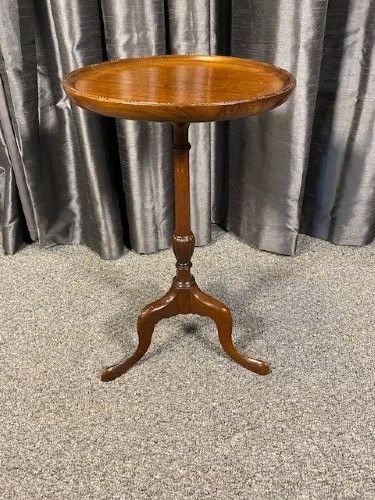
- A three-legged support structure commonly found on wine tables and standard floor lamps. This configuration ensures steady placement on uneven floors.
- Standard lamp
- A tall freestanding floor lamp designed to illuminate a room from a fixed vertical position. These often feature adjustable brass or turned wooden columns.
- Wine table
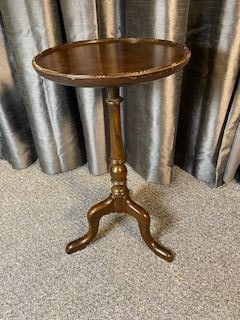
- A small circular or oval occasional table intended for holding glasses or small items beside a chair. They typically stand on a single central pedestal with three feet.
- Marquetry
- Decorative veneer work arranged in geometric or pictorial patterns on table tops. It utilises contrasting woods to create visual depth.
- Telescopic
- An adjustable mechanism allowing vertical lighting fixtures to extend in height. This feature became common in brass standard lamps of the Edwardian period.
Georgian Style Lamp: Frequently Asked Questions
What defines a georgian style lamp?
These pieces borrow classical architectural motifs, balanced proportions, and column forms from the eighteenth century. They are typically executed in turned mahogany, walnut, or polished brass.
Makers working during the Edwardian and early twentieth-century revival periods produced these standard lamps and companion tables to complement traditional domestic settings.
How were standard floor lamps used?
Standard lamps provided ambient or task lighting in reception rooms and libraries before the widespread adoption of fixed overhead electric fixtures. Their tall, weighted columns allowed them to stand safely beside armchairs or sofas.
Often paired with matching lamp or wine tables, they created dedicated reading corners within larger living spaces.
How do I distinguish revival pieces from earlier items?
Revival items frequently date from the late nineteenth century through to the 1930s, reflecting historical interest rather than original eighteenth-century manufacture. Examining the interior construction, secondary woods, and wiring components helps clarify the actual period of production.
Style descriptions in the evidence explicitly reference these later revivals alongside nineteenth-century pieces.
Where should I place these tables in my home?
Lamp tables and small wine tables suit domestic spaces requiring compact surfaces next to seating, such as beside beds or alongside reading chairs. Their modest footprints and stable tripod bases allow them to fit easily into corners or tight spaces.
Pairing them with matching standard lamps creates a cohesive lighting arrangement that mirrors historical room layouts.