
Claw and Ball Foot
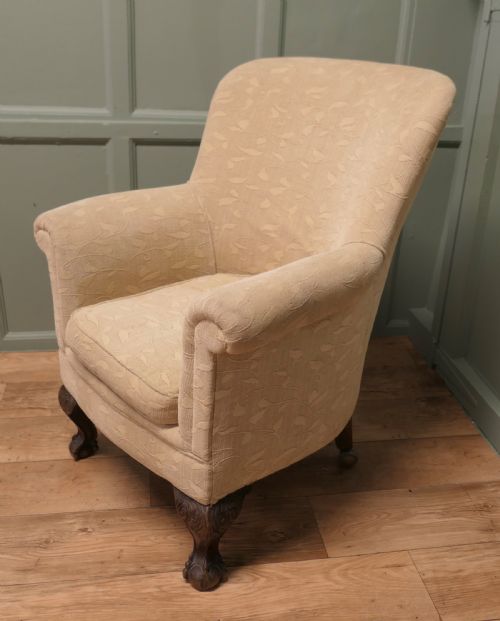
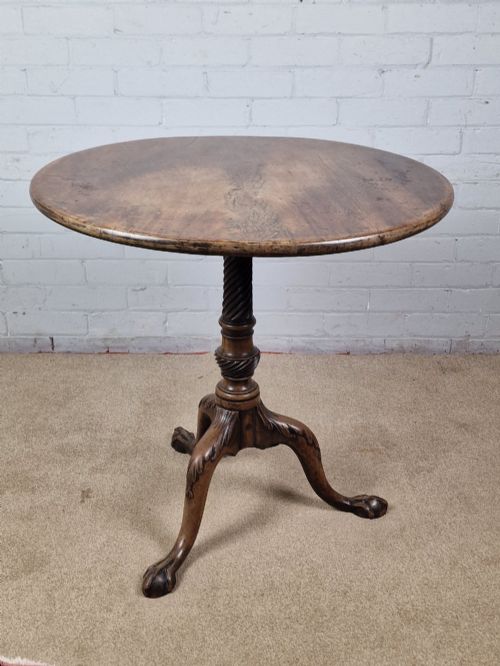
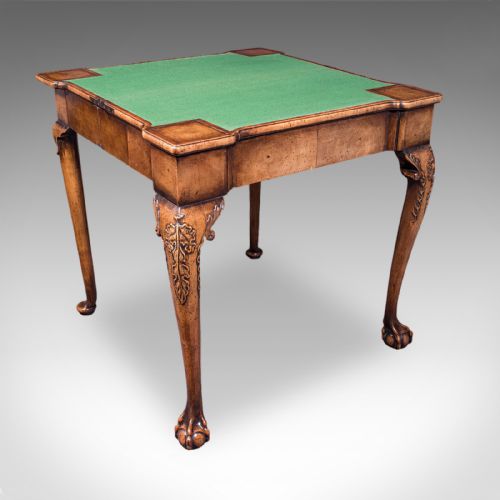
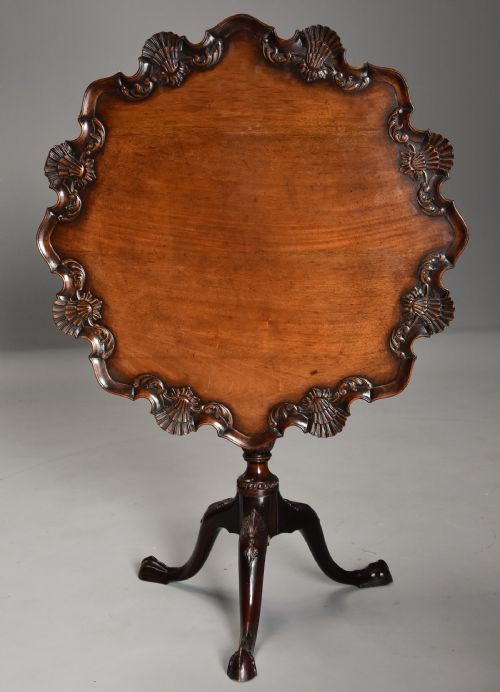
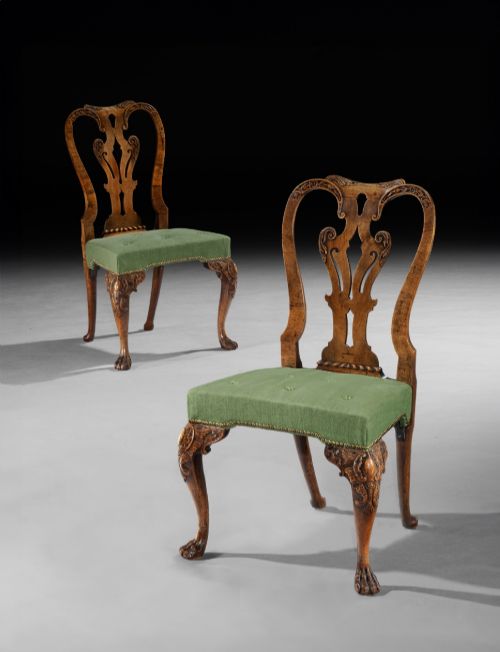
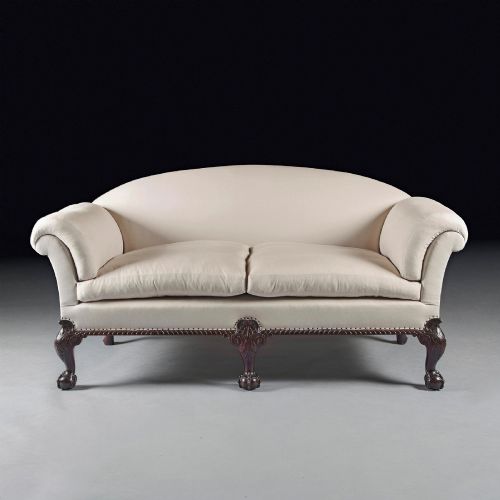
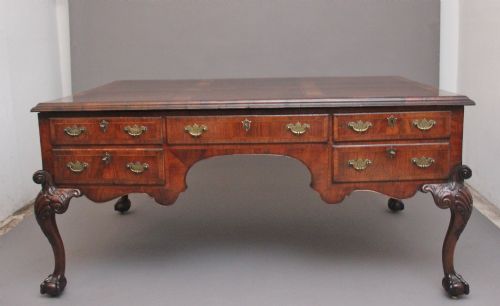
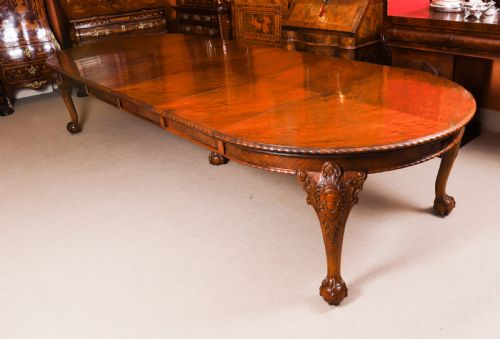
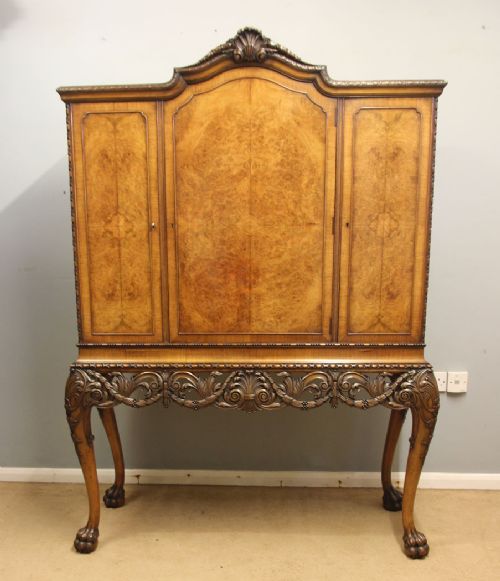
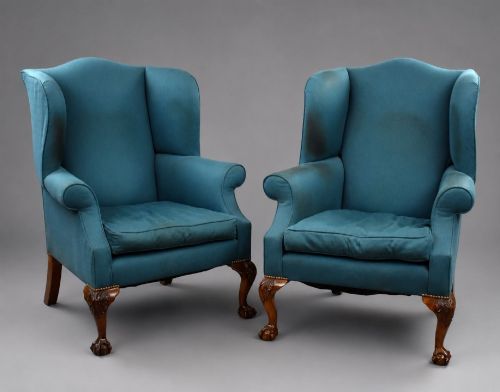
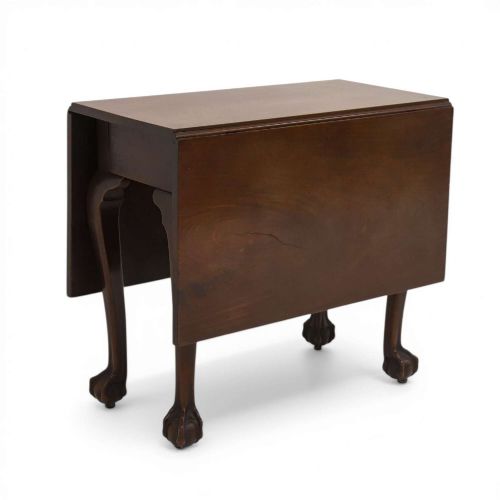
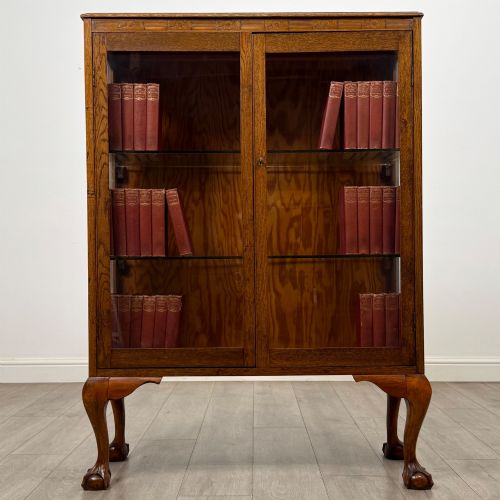
Claw and ball foot pieces are classic seating, tables, and cabinets resting on distinct sculpted supports, offering solid historical presence for period interiors.
Claw and Ball Foot
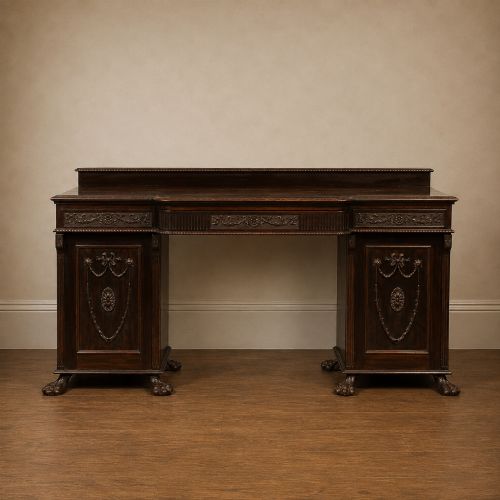
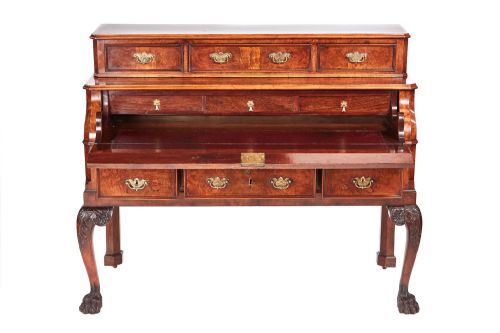
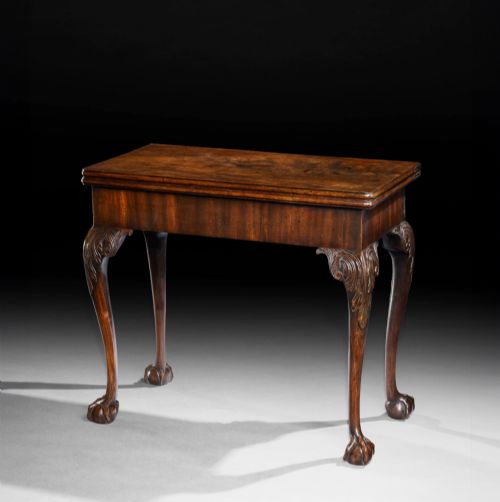
A claw and ball foot grounds formal furniture such as dining tables, card tables, and armchairs with a bird's talon clutching a spherical orb. When searching for claw and ball foot, you encounter everything from authentic 18th-century George II walnut tables to later revival pieces.
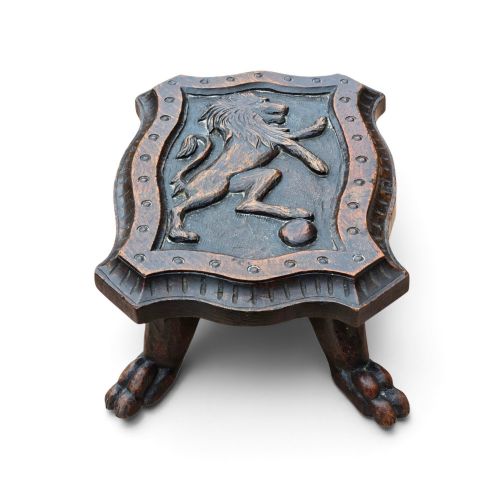
The selection here spans 18th-century originals through to Edwardian and later revivals, with mahogany and walnut forming the backbone of the available forms. Tables and chairs predominate, alongside occasional desks and footstools supported by these carved terminals.
How they were made
Cabinetmakers shaped solid timbers like mahogany, walnut, and oak directly, carving the intricate talons and spheres out of the leg stock rather than applying separate elements. Grain direction mattered greatly to ensure the slender carved digits retained structural strength under heavy seating or large tables.
Surfaces received traditional finishing techniques, including hand-polishing and waxing to bring out the natural figures of flame mahogany or burr walnut. Secondary timbers and joinery methods align strictly with the period of manufacture, from early dovetails to later revival construction.
Mahogany and walnut dominate the listed furniture, supported by occasional brass, leather, and glass elements across multiple centuries.
What varies in quality
The definition and depth of the carving dictate the visual success of the foot, where sharp knuckle definition and realistic talon spacing separate fine work from blunt, hurried carving. Proportions between the ball, the gripping claws, and the cabriole leg above determine the overall balance of the piece.
Timber selection governs the integrity of the object, with dense, well-figured mahogany or rich walnut elevating standard furniture into high-status examples. Original surface patination accumulated over centuries adds another layer of distinction that distinguishes untouched examples from heavily restored ones.
Giles Grendey·Howard and Sons·Gillows·Maple and Co
The Claw and Ball Foot Glossary
- Cabriole leg
- A furniture leg that bends outward in a convex curve and tapers inward in a concave curve, mimicking an animal's limb. It typically terminates in a claw and ball foot.
- Tilt top table
- A small table featuring a mechanism that allows the tabletop to pivot vertically when not in use. These often stand on a tripod base with carved feet.
- Concertina action
- An expanding frame mechanism utilised on dining and card tables to support folding leaves. It allows the table to extend evenly while maintaining structural stability.
- Marquetry
- Decorative veneer work arranged in intricate patterns or pictorial designs using various coloured woods. It frequently decorates the tops of 18th-century tables.
- Patina
- The surface sheen and colour acquired by wood and metal through age, handling, and regular waxing. It serves as an indicator of a piece's age and history.
Claw and Ball Foot: Frequently Asked Questions
How do I date a claw and ball foot?
Dating relies on timber species, joinery methods, and the specific carving style of the foot itself. Earlier 18th-century examples display crisp, deeply undercut talons on dense native mahogany or walnut.
Later revival pieces from the Victorian and Edwardian eras often use softer carving techniques and different secondary woods hidden beneath the structure.
Are these pieces suitable for daily use?
Most tables, desks, and chairs from these periods remain sturdy enough for regular domestic life if treated with reasonable care. Solid mahogany and walnut frames withstand standard weight distribution very well.
Protection from direct sunlight and extreme humidity changes preserves both the polished surface and the structural integrity of the joints.
How do I maintain the wood surface?
Routine maintenance requires nothing more than dusting with a dry, soft cloth and applying traditional beeswax periodically. Avoid modern silicone-based sprays, which can penetrate open grain and ruin the historic finish.
Keeping wooden furniture away from heat sources prevents timber shrinkage and subsequent splitting.