
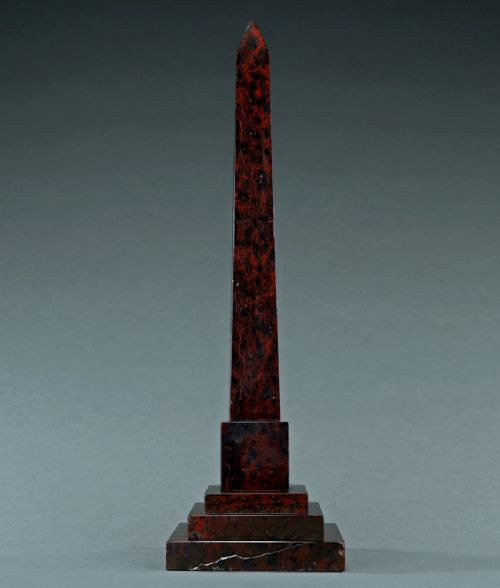
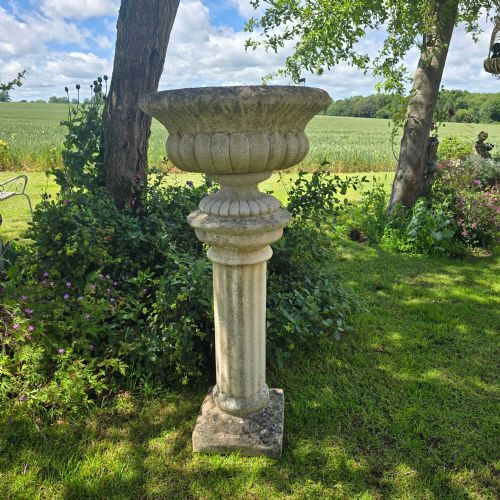
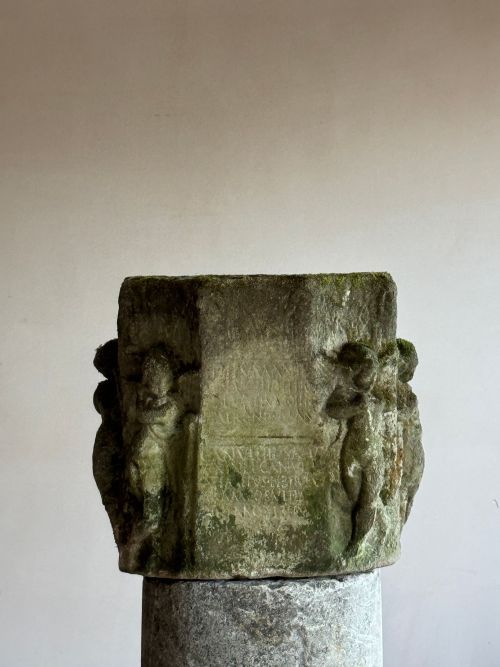
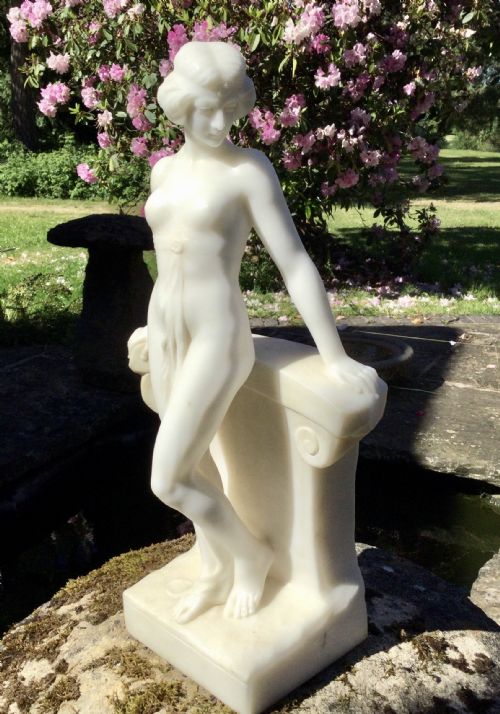


Classical Stone Pedestal
A classical stone pedestal elevates sculpture and garden ornaments with architectural gravity, bringing enduring symmetry and proportion to interior and exterior spaces.
Classical Stone Pedestal
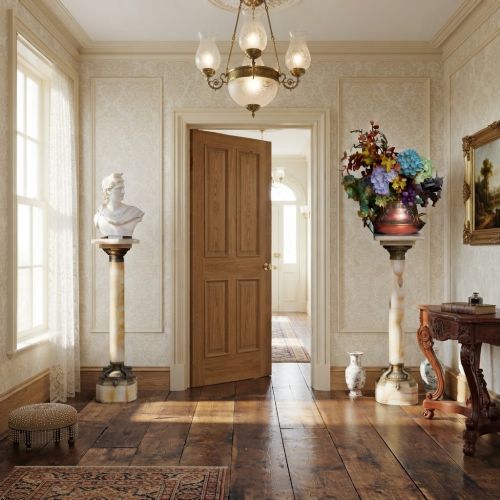
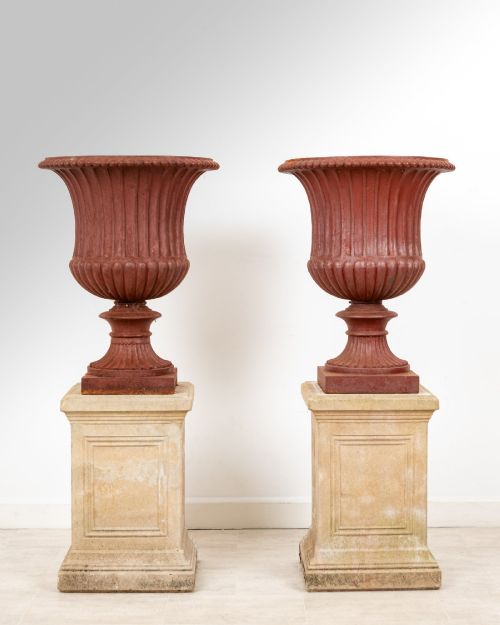
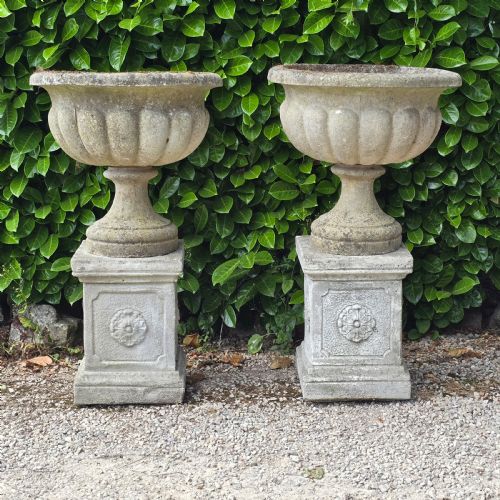
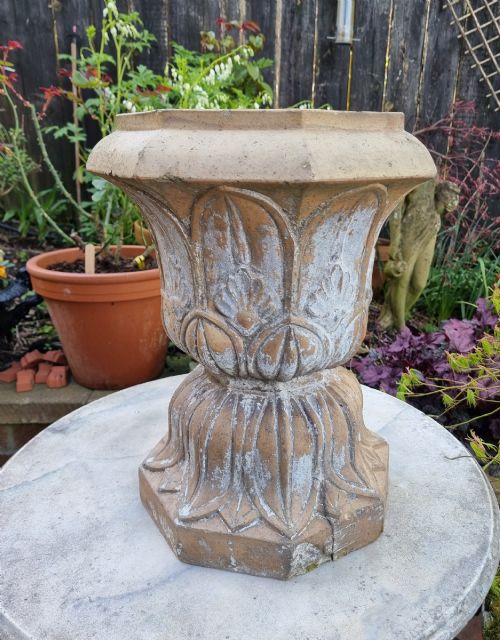
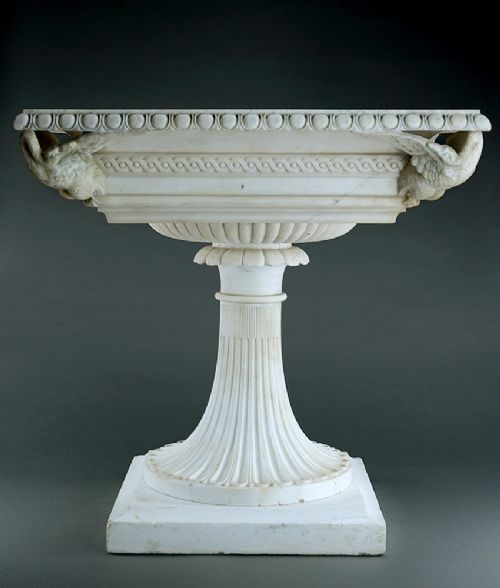
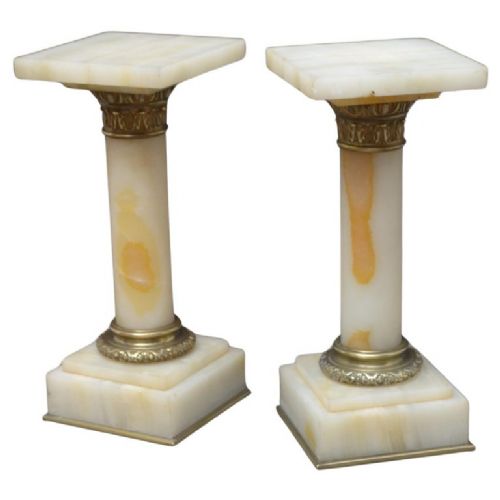
When searching for a classical stone pedestal, buyers encounter architectural supports designed to elevate busts, urns, and garden statuary. These pieces draw from neoclassical and classical revival traditions, functioning as independent sculptural forms or supporting bases.
The selections span multiple centuries, including nineteenth-century examples and twentieth-century interpretations. Materials range from reconstituted stone and cast stone to various types of marble.
Forms vary from simple columnar shafts to elaborately detailed plinths and altars. Many pieces integrate naturally into gardens, courtyards, or domestic interiors as display surfaces.
Assessing Quality and Execution
Superior examples demonstrate crisp carving depth in acanthus leaves, fluting, and moulded cornices, reflecting the skill of the artisan who shaped the stone. Softer definition in cast pieces often indicates worn moulds or mass production.
The choice of material dictates longevity and visual resonance, with dense marbles and well-cured cast stone holding sharper details through decades of exposure. Surface weathering adds character when it enhances the mineral grain rather than obscuring structural ornament.
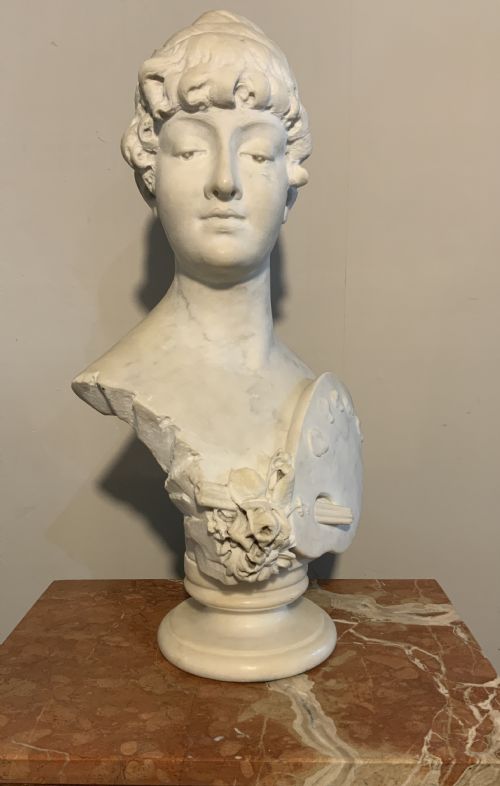
Several pedestals double as silent stage managers for miniature emperors, holding marble busts of Napoleon and youthful Roman deities aloft.
Andrew Handyside·John Wenlock Rollins
The Classical Stone Pedestal Glossary
- Plinth
- A heavy flat base supporting a statue, column, or pedestal. It provides stability and visual weight to the upright structure above.
- Neoclassical
- A style reviving the architectural and artistic forms of ancient Greece and Rome. It prioritises symmetry, proportion, and restrained ornamentation.
- Tazza
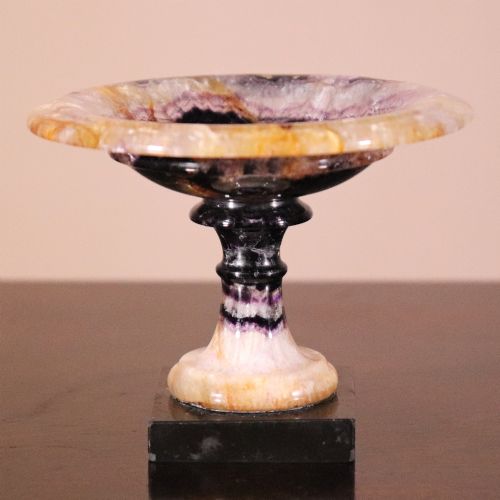
- A shallow cup or basin mounted on a stem and foot. Collectors prize these objects for displaying minerals or carved details.
- Reconstituted Stone
- A manufactured material made from crushed stone aggregate bound with cement. It is cast in moulds to replicate the appearance of natural quarried stone.
Classical Stone Pedestal: Frequently Asked Questions
Where should I place a classical stone pedestal?
These supports suit both interior rooms and sheltered garden locations. Indoors, they elevate busts, lamps, and tazzas to eye level.
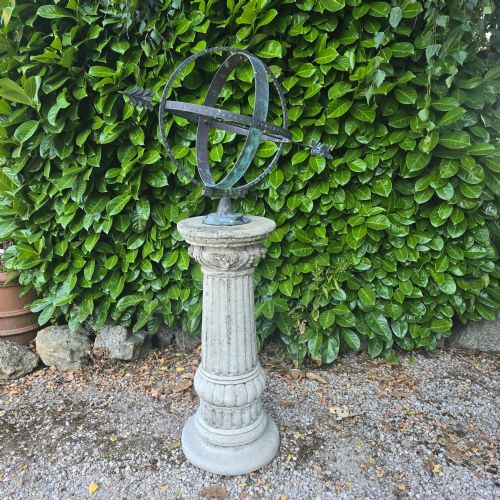
Outdoors, they anchor garden urns, sundials, and statues, creating focal points along paths and in courtyards.
How do I clean a stone pedestal?
Gentle washing with warm water and a soft brush removes surface dirt without harming the stone. Avoid harsh chemical cleaners that strip natural patinas.
Allow the stone to dry completely to preserve the weathered surface character.
Can these pedestals stay outside in winter?
Natural stone and robust cast stone endure outdoor conditions well, though freezing water in trapped crevices can cause cracking. Elevating the base slightly prevents moisture absorption from damp ground.
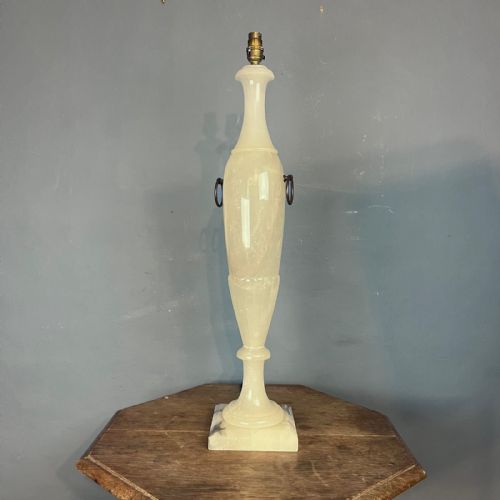
Moving vulnerable alabaster or softer marble pieces indoors protects them from frost damage.
How do I distinguish antique stone from cast stone?
Natural quarried stone displays directional tool marks and unique mineral inclusions unique to the block. Close inspection reveals the natural grain and crystalline structure of the mineral.
Cast stone often shows a uniform texture and subtle surface porosity from the moulding process.