
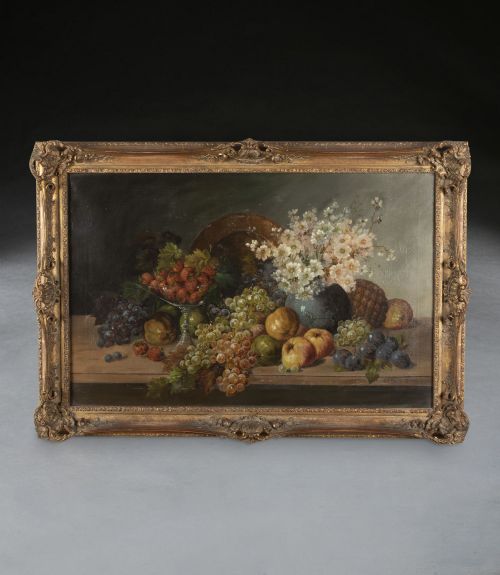


Classical Still Life Canvas
A classical still life canvas brings centuries of arranged fruit, flowers, and objects into an interior space with rich painted detail.
Classical Still Life Canvas
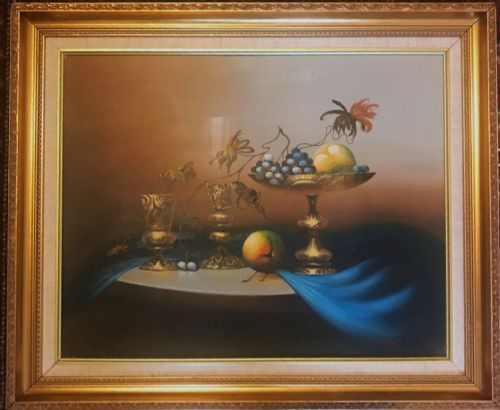
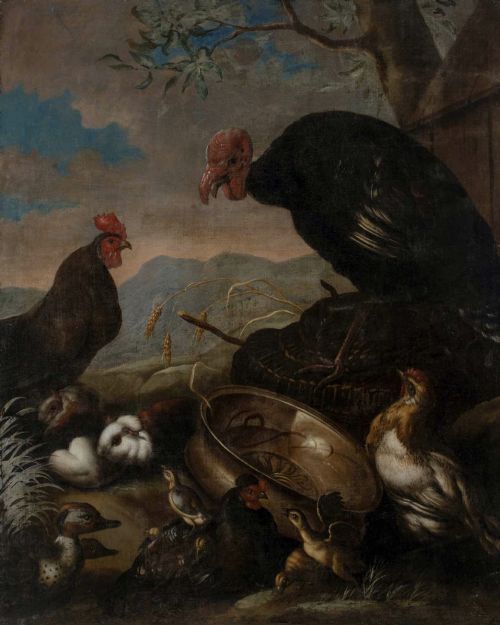
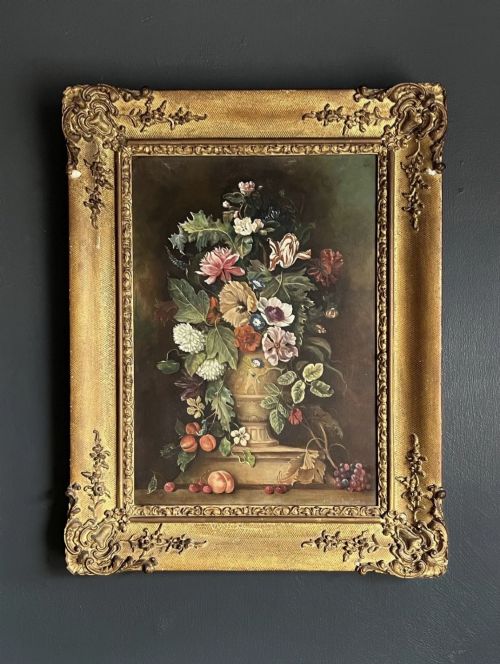
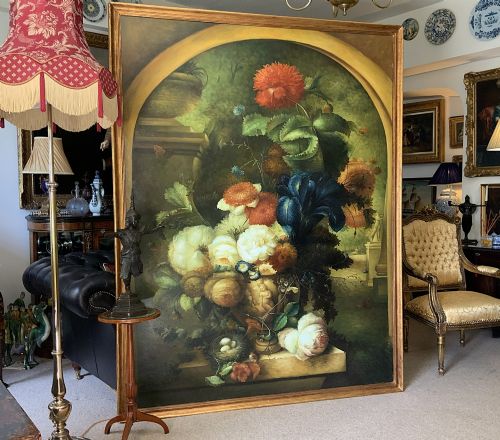
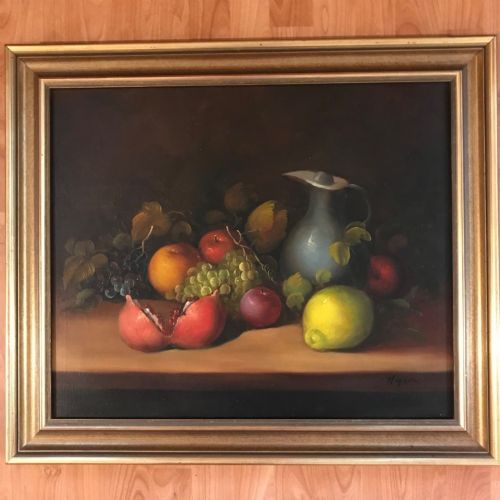
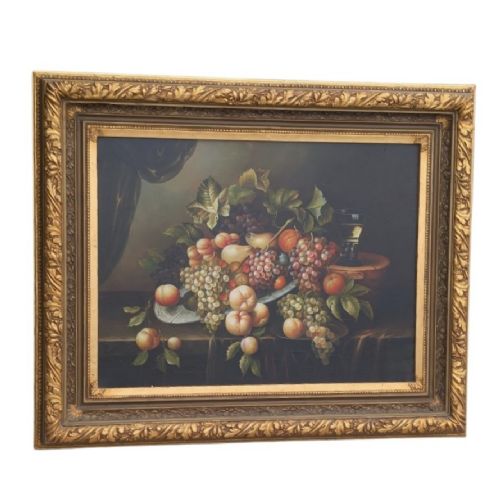
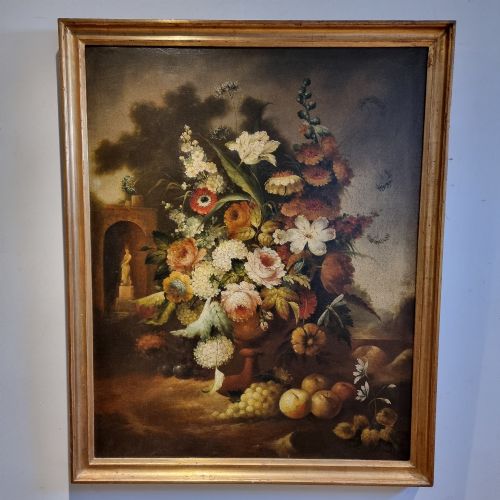
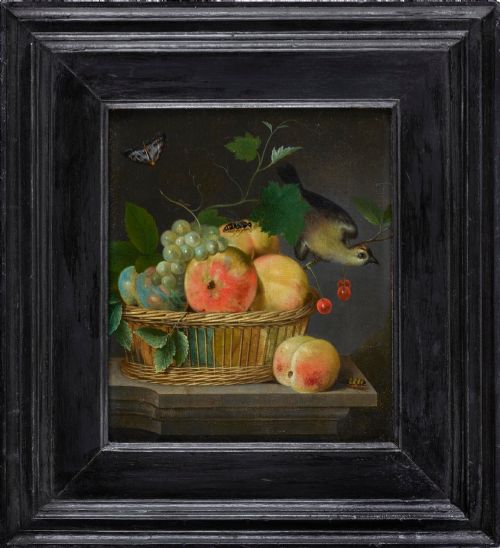
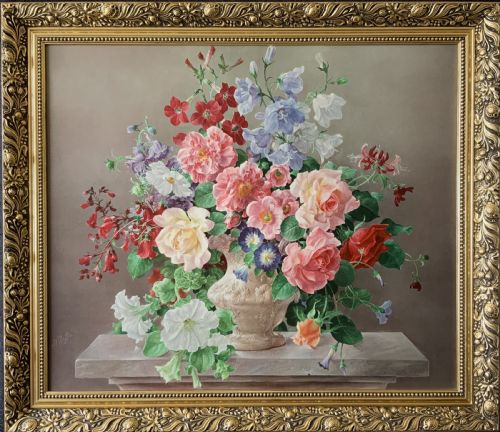
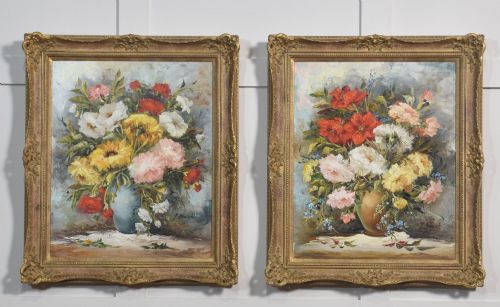
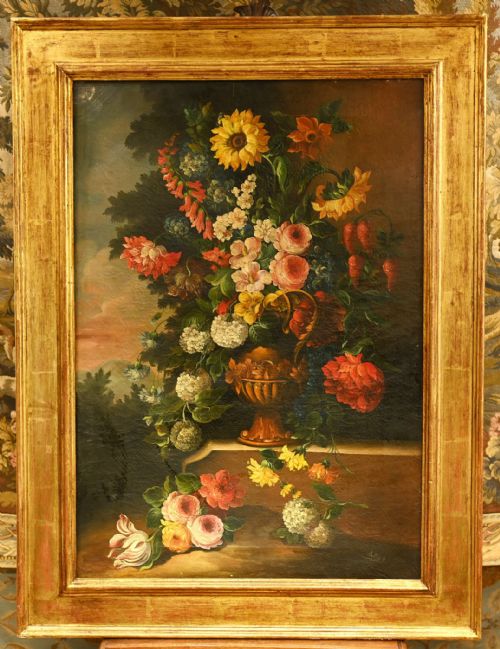
A classical still life canvas displays carefully arranged compositions of fruit, flowers, game, and inanimate objects rendered in oil paint. These works draw heavily on historical traditions including the Dutch Golden Age style, Baroque sensibilities, and Victorian naturalism.
Buyers encounter pieces spanning from the seventeenth century through to mid twentieth century revivals. The subjects range from monumental floral arrangements and baskets of grapes to simpler studies of bottles, shells, and feathers.
Originating across various European schools such as Flemish, Dutch, French, Hungarian, and English, these paintings vary from intimate panels to large scale gallery pieces. Many pieces incorporate gilt gesso frames that complement the depth of the oil on canvas medium.
Materials and Construction
These works rely fundamentally on oil paint applied to stretched canvas or wooden panels, allowing artists to build rich layers of pigment and glaze. The physical support typically consists of wood frames holding canvas secured with gesso preparations.
Gilded wood and gilt gesso frames frequently accompany the paintings, utilising gold leaf and moulded plaster to create ornate borders. Pigments handled by artists from the seventeenth to twentieth centuries capture subtle shifts in light across surfaces like porcelain, feathers, and fruit.
Listings span centuries from the seventeenth to the twentieth, utilising oil paint, canvas, gesso, and gilt wood across various realist and revival styles.
Assessing Quality and Execution
Quality rests in the precision of brushwork and the natural rendering of light, shadow, and texture across diverse surfaces. Master painters achieve convincing depth in translucent fruit skins, delicate petals, and reflective glass.
The sophistication of the composition and the integrity of the original canvas and frame structure dictate the standing of a piece. Stronger works demonstrate confident handling by recorded hands, whereas lesser examples lack anatomical accuracy in floral and animal subjects.
Jozsef Molnar·Angelo Maria Crivelli·Gaspar Peeter Verbruggen·Manuela Bonati·William Duffield·Jean Baptiste Isabey·Bela Balogh·Henry Schouten·George Lance
The Classical Still Life Canvas Glossary
- Oil on Canvas
- A painting medium where pigments suspended in drying oils are applied to a woven fabric support. This technique allows for gradual blending and rich tonal depth.
- Gilt Gesso
- A plaster mixture applied to wood frames and covered with thin gold leaf or metallic gilt. It provides an ornate, reflective border typical of period framing.
- Trompe l'oeil
- An art technique involving extremely realistic imagery that creates the optical illusion that the depicted objects exist in three dimensions. It translates as to deceive the eye.
- Baroque
- A European artistic style originating in the seventeenth century characterised by dramatic lighting, deep shadows, and exuberant detail. Works in this style emphasise theatrical compositions.
- Oleograph
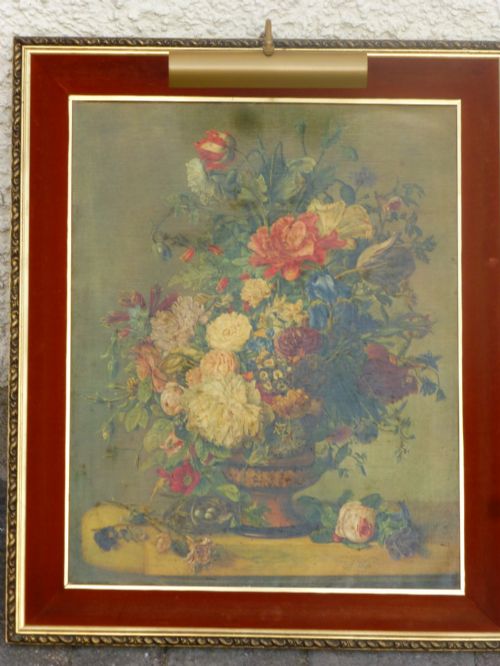
- A mechanical colour lithograph produced to imitate an oil painting, often reproducing the texture of a canvas. These emerged as popular prints in the nineteenth and twentieth centuries.
Classical Still Life Canvas: Frequently Asked Questions
What subjects appear in these paintings?
The compositions typically feature arrangements of cut flowers, baskets of fruit, game fowl, and household objects like glassware and musical instruments. Artists arranged these elements to study light, texture, and symbolic meaning.
Many works draw inspiration from seventeenth century Dutch masters, focusing on natural abundance, perishability, and detailed realism.
How should I hang a large canvas?
Heavy oil paintings on canvas require secure wall fixings tied directly into structural studs or masonry rather than standard plaster hooks. The weight of the stretched wooden stretcher and gilt frame demands robust support.
Position the painting away from direct sunlight and strong heat sources to protect the oil pigments and canvas from environmental stress.
Are these paintings original works?
The inventory includes original hand painted oil works alongside nineteenth and twentieth century oleograph prints reproducing famous compositions. Listings specify whether a piece is an original oil on canvas or a print reproduction.
Examination of the surface under magnification reveals whether the pigment sits directly on the canvas threads or rests upon a printed dot matrix.
How do I identify the period?
Stylistic clues such as the framing technique, canvas preparation, and painterly conventions help determine the era of execution. Seventeenth and eighteenth century works often display darker grounds and distinct handling of light compared to brighter twentieth century interpretations.
Recorded signatures, biographical dates of the artists, and framing materials offer additional confirmation for dating a piece.