
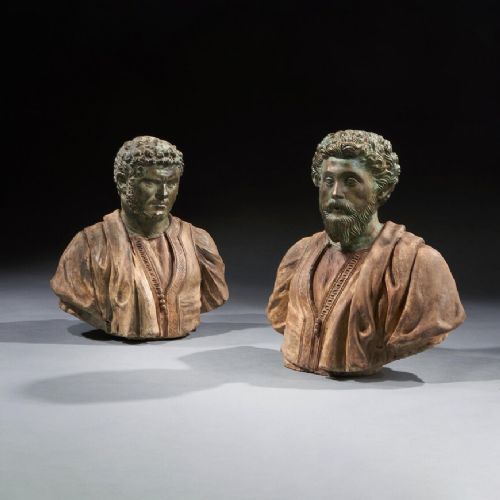
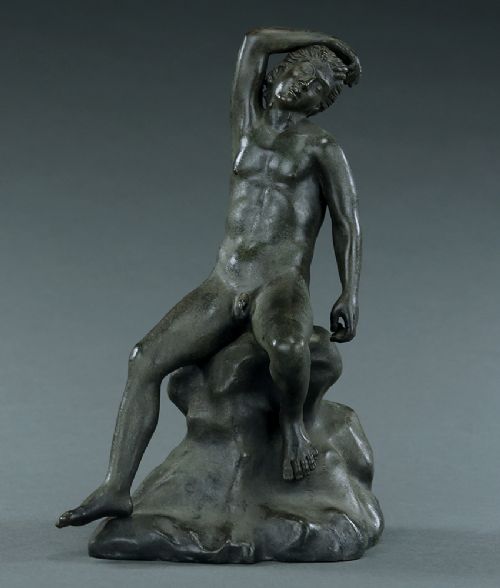
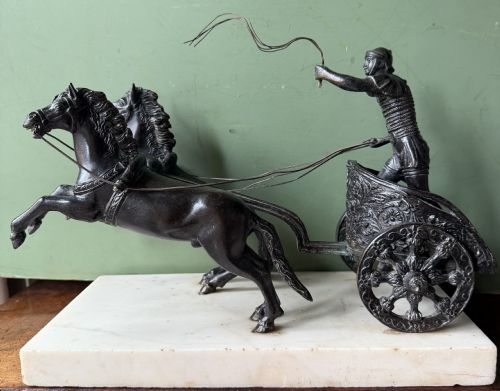


Classical Roman Bronze Statue
A classical roman bronze statue brings the grandeur of antiquity into a room, offering finely cast figures of deities, emperors and mythological subjects.
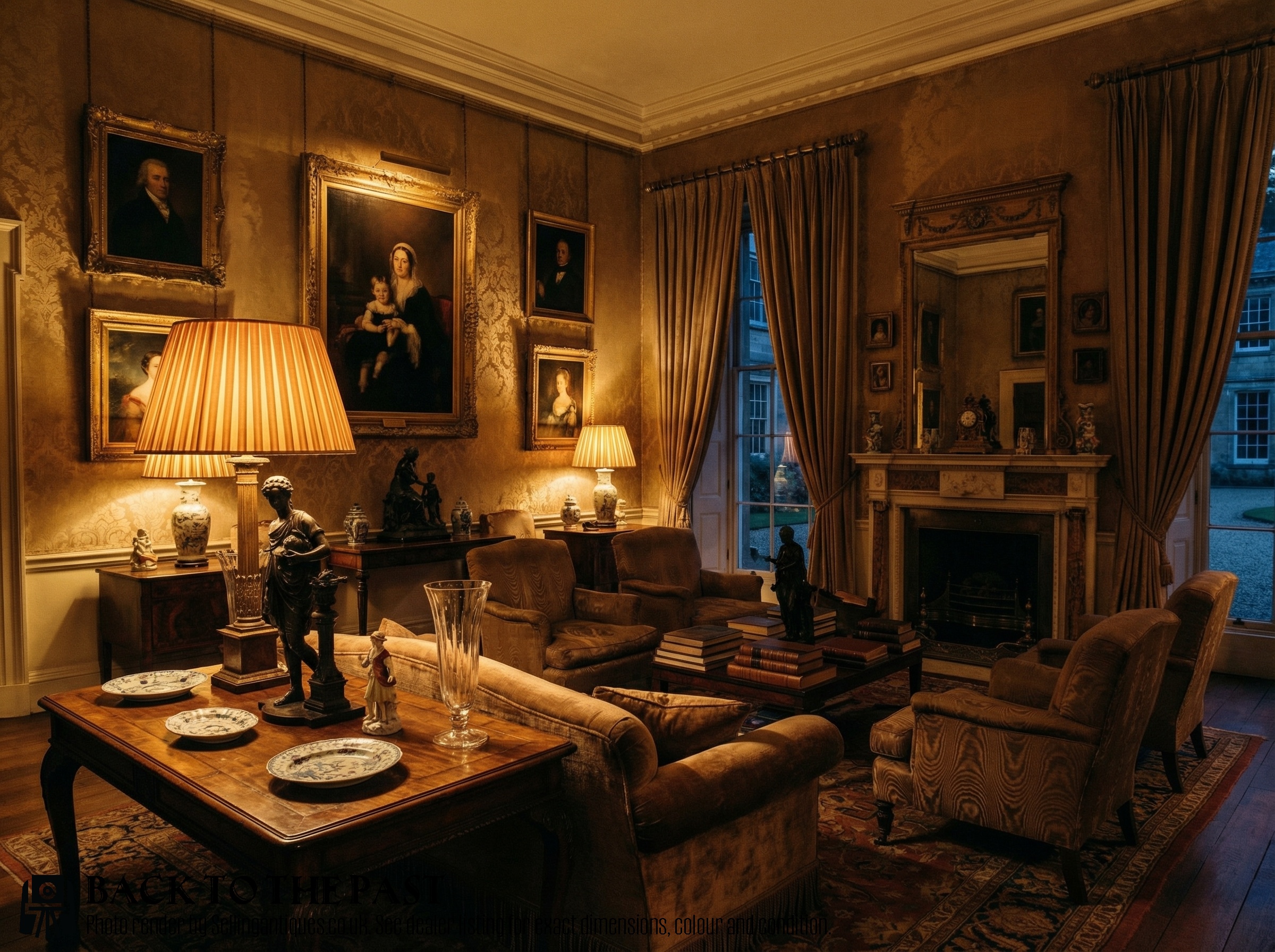
Classical Roman Bronze Statue
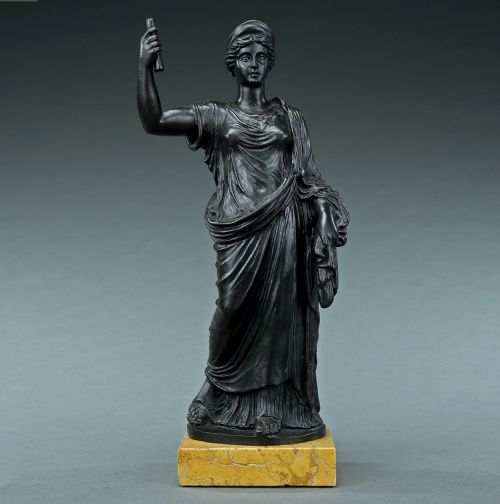
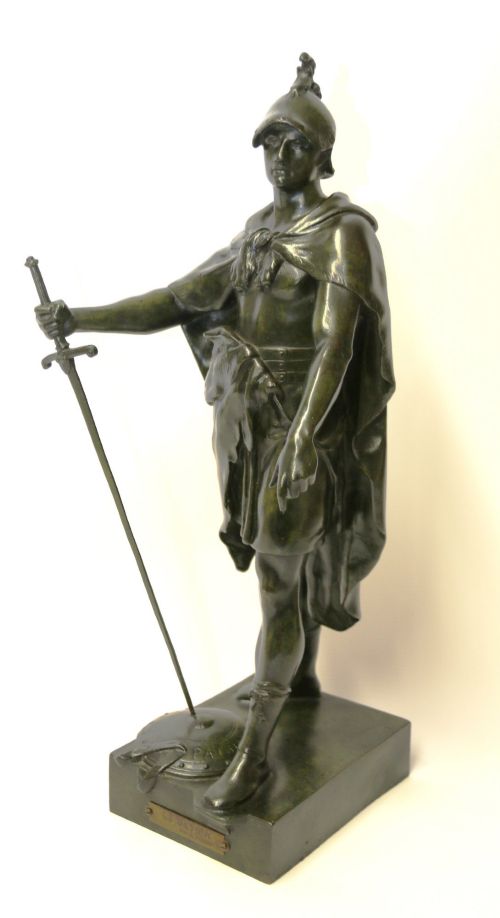
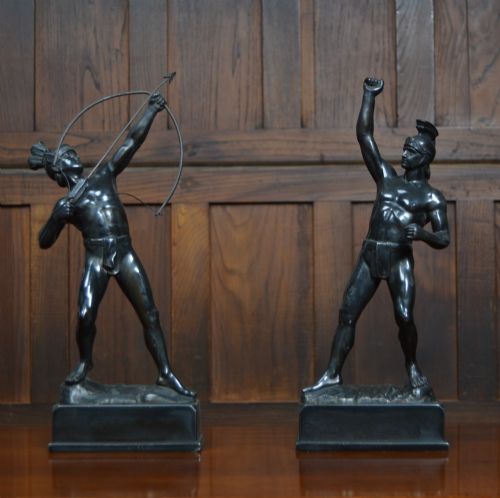
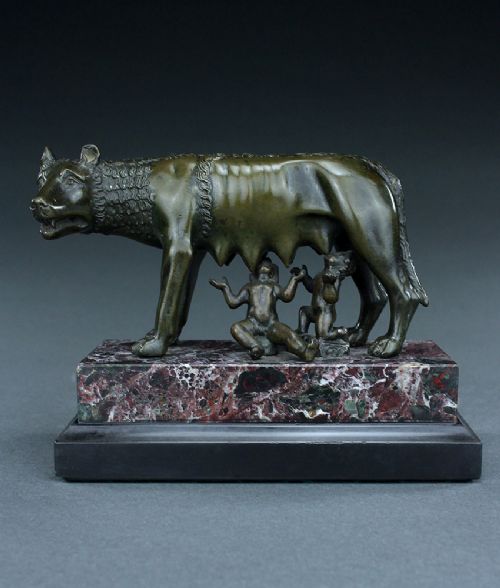
A classical roman bronze statue draws upon ancient sculptural masterworks, taking the form of standing figures, seated deities, historical emperors and mythological subjects such as fauns and wolves. These pieces range from cabinet-sized souvenirs to substantial portrait busts mounted upon marble or stone plinth bases.
The versions most commonly met on this page originate from nineteenth-century European workshops, often produced as Grand Tour souvenirs or academic studies after renowned antiquities. Makers cast these works in editions or individual pieces, capturing subjects like the Dancing Faun, the Capitoline Wolf and various Roman Caesars.
Materials and casting techniques
Foundry workers utilised traditional metal casting methods to produce these sculptures, predominantly employing bronze alongside brass, spelter, zinc alloy and terracotta. Many pieces received deliberate surface treatments, ranging from dark patination to verdigris finishes that simulate the appearance of buried antiquity.
Makers frequently mounted completed bronze figures and portrait busts onto heavy bases composed of white marble, rosso levanto or other decorative stone. This combination of cast metal and polished mineral plinths provides both visual contrast and physical stability for the display of the sculpture.
Listings feature nineteenth-century materials including bronze, brass, spelter, terracotta, marble and stone.
Distinctions in craftsmanship
The quality of a cast depends upon the crispness of the chasing and the fidelity of the reduction relative to the original antique source. Skilled metalworkers spent hours hand-finishing the surface detail of hair, musculature and drapery after the piece left the sand mould or lost-wax process.
The quality of the supporting base and the depth of the patina further differentiate the pieces. Heavier, finely veined marble plinths and nuanced chemical patination indicate a higher standard of nineteenth-century foundry production compared to lighter alloy castings with uniform factory finishes.
Émile Louis Picault·Zoffoli·Mathurin Moreau·Barbedienne·Eden Antony Paul Noel·Richard Aurili
The Classical Roman Bronze Statue Glossary
- Grand Tour
- A traditional travel itinerary undertaken by European nobility and intellectuals to study continental art and classical antiquities. Souvenirs purchased during these journeys heavily inspired nineteenth-century bronze casting.
- Patination
- The chemical colouring applied to the surface of a metal sculpture to produce desired shades of brown, black or green. Artisans used acids and heat to achieve aged effects on bronze.
- Verdigris
- A green patina resulting from the artificial oxidation of copper alloys. Nineteenth-century founders applied this treatment to mimic the appearance of ancient bronzes recovered from archaeological sites.
- Spelter
- An alloy of zinc and other metals used as an economical alternative to bronze. It accepts metallic paints and patinas well, though it is softer and lighter than genuine bronze.
- Lost-wax casting
- A metalworking process where a molten metal is poured into a mould that has been created by means of a wax model. This technique allows for the reproduction of intricate sculptural details.
Classical Roman Bronze Statue: Frequently Asked Questions
What is a Grand Tour bronze?
A Grand Tour bronze is a nineteenth-century miniature or reduction of a famous classical sculpture, purchased by travellers visiting Italy and other cultural centres.
These pieces served as educated souvenirs and decorative table objects for elite Victorian homes.
How can I tell bronze from spelter?
Bronze is heavier, harder and colder to the touch than spelter, with a resonant ring when tapped gently.
Spelter is a softer zinc alloy that often shows a greyish metal beneath chips in the surface finish.
Why do some statues have green patinas?
Foundries applied chemical treatments to replicate the verdigris encrustation found on genuine ancient artefacts excavated from the earth.
This green coloration was a deliberate stylistic choice popular among nineteenth-century collectors of classical revivals.
Where were these nineteenth century sculptures made?
Many were cast in specialised workshops and foundries across France and Italy, particularly in Paris and Rome.
These urban centres employed skilled artisans who specialised in reducing and casting antique marbles and bronzes for the tourist market.