
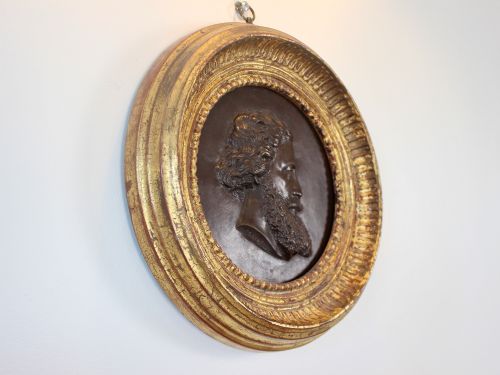


Classical Relief Sculpture
Classical relief sculpture brings the figures and narratives of antiquity onto interior walls through carved wood, cast bronze and shaped marble.
Classical Relief Sculpture
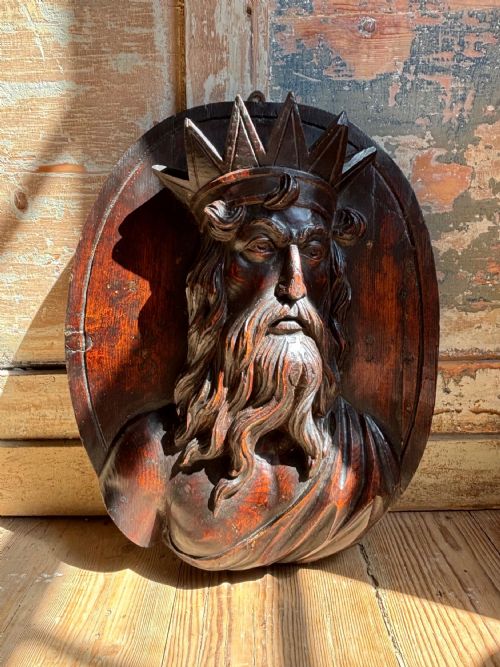
Classical relief sculpture takes the form of wall plaques, framed panels, profiles and overmantels that portray mythological scenes, imperial portraits and classical motifs. These pieces span the eighteenth and nineteenth centuries, reflecting revivals from neoclassical to baroque tastes across British, French, Italian and German workshops.
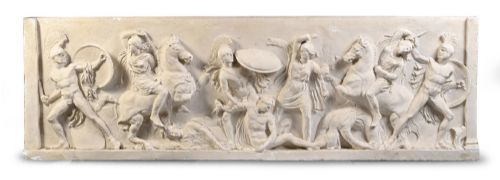
Buyers meet white marble rounds of poets, bronze castings of deities, carved wooden plaques of battle scenes and plaster copies after Renaissance masters. The selection relies heavily on nineteenth-century interpretations of classical subjects, alongside eighteenth-century engravings and carved plaques.
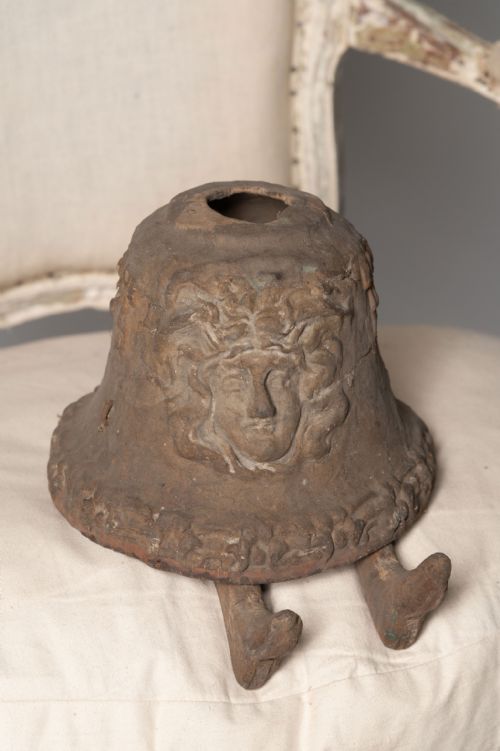
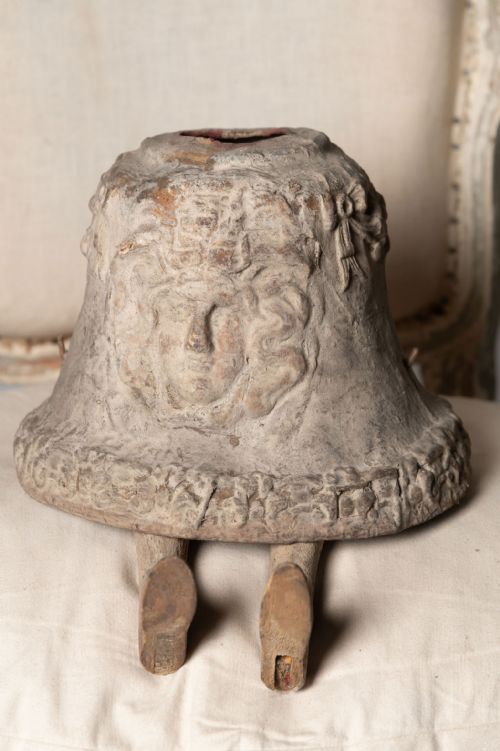
Wall plaques and hanging panels dominate the selection, offering framed or mounted compositions designed for domestic display. Smaller bronzes and marble reliefs sit alongside theatrical props and architectural fragments, giving varied expressions to classical subjects.
Materials and technique
Carvers shaped white marble, walnut and giltwood by hand, cutting deep planes to create shadows and three-dimensional depth in portraits and narrative scenes. Bronze, bronzed copper and cast metal compositions emerged from foundries utilising traditional lost-wax or sand-casting methods.
Plaster, marble dust and paper also feature, serving as materials for casts, maquettes and engravings that recorded classical architecture and sculpture. Makers applied ebonised finishes, gilding and patination to enhance the contrast of the carved or cast details.
Quality and execution
Signatures, foundry marks and documented workshop attributions elevate pieces, distinguishing signed works by known makers or foundries from unsigned school pieces. The quality of the material itself, whether fine-grained statuary marble or substantial chased bronze, dictates the finish and enduring presence of the work.
MAINFROY·Carlhian and Corbiere London·Thorvalsen Workshop·Gian Federigo Bonzagna·Kasper Hendrik Roskam·Coalbrookdale·Donatello·Barbedienne Paris·James Basire
The Classical Relief Sculpture Glossary
- Neoclassical
- An artistic style drawing inspiration from the art and culture of classical antiquity. It values symmetry, proportion and heroic subject matter.
- Maquette
- A small-scale preliminary model or sketch made by a sculptor before executing the final work. These pieces reveal the initial creative process.
- Putto
- A figure of a small chubby infant, frequently winged, appearing in classical and renaissance art. They often accompany deities or allegorical scenes.
- Baroque
- A flamboyant artistic style marked by theatricality, dynamic movement and rich surface detail. It contrasts with the restrained balance of earlier classical revivals.
Classical Relief Sculpture: Frequently Asked Questions
How do I hang a heavy marble relief?
Heavy marble and bronze reliefs require secure wall fixings suited to the weight of the specific piece, often utilising internal metal brackets or heavy-duty french cleats. Professional installation ensures the plaque fastens firmly to solid masonry or reinforced studwork.
Positioning the sculpture at eye level allows the carved details and undercut shadows to catch ambient light effectively. Avoid hanging pieces in areas subject to excessive moisture or direct sunlight that might affect patinated or gilded surfaces.
What is the difference between marble and plaster reliefs?
Marble reliefs are carved directly from natural stone, offering a cool, dense material with crystalline depth and weight. Plaster casts and marble dust compositions are poured or pressed into moulds, capturing fine surface detail with a lighter overall mass.
Carved marble represents a unique original work by a sculptor, whereas plaster copies often served as study pieces or affordable reproductions of famous classical antiquities. Each material carries its own distinct texture, patina and historical context within nineteenth-century interior display.
How do I clean an antique bronze plaque?
Dust bronze plaques gently with a soft, dry bristle brush to remove surface particles settled within the recessed carved details. Avoid using commercial metal polishes, water or chemical cleaners that can strip the historic patination and protective wax layers.
Applying a microcrystalline wax sparingly helps preserve the metal surface from atmospheric oxidation and handling marks. Consult a professional conservator if the bronze shows signs of active corrosion or unstable surface coatings.
How do I identify a neoclassical subject?
Neoclassical subjects draw directly from Greek and Roman mythology, history and literature, depicting figures such as deities, emperors, muses and allegorical scenes. Profiles of classical poets, philosophers and dramatic battle narratives frequently appear in these compositions.
The clothing, armour and architectural elements mirror archaeological discoveries made during the eighteenth and nineteenth centuries. Figures wear chitons or Roman togas, posed in balanced arrangements that echo ancient sculpture.