

Classical Portrait Art
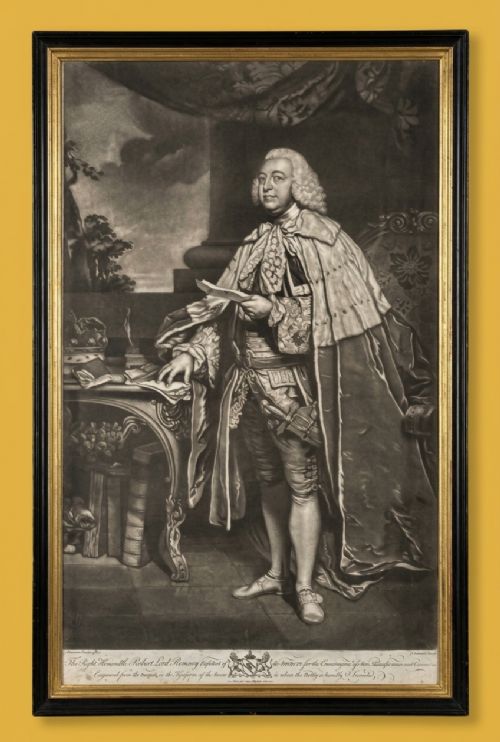
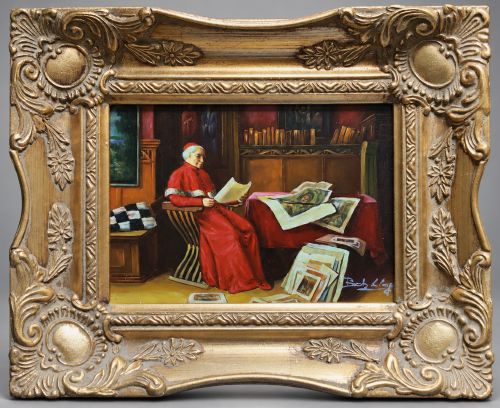
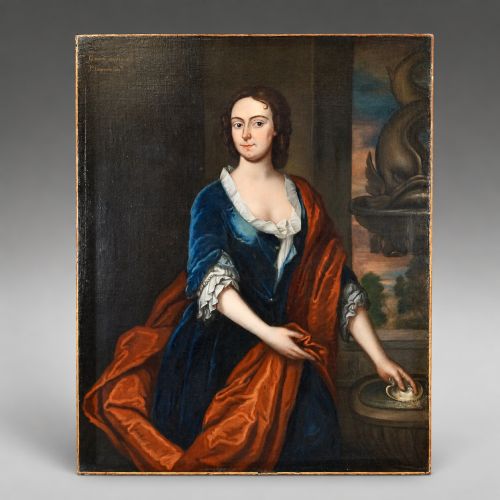
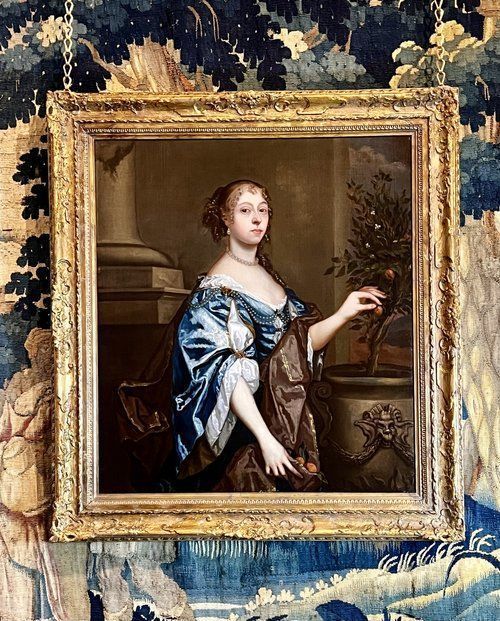
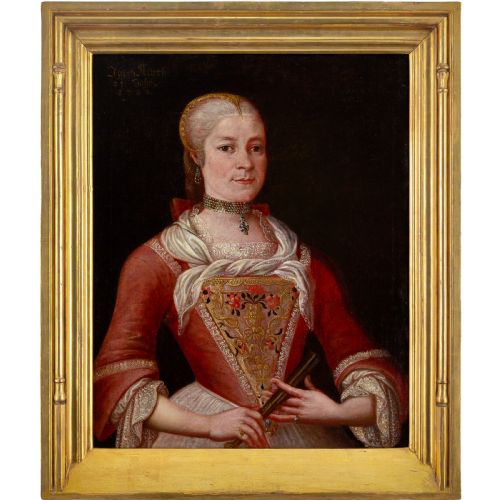
Classical portrait art comprises framed oil paintings, drawings and canvas works capturing historical subjects and aristocratic sitters across past centuries.
Classical Portrait Art
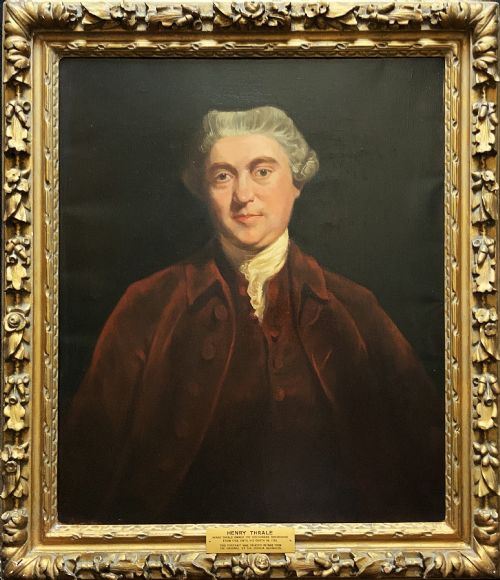
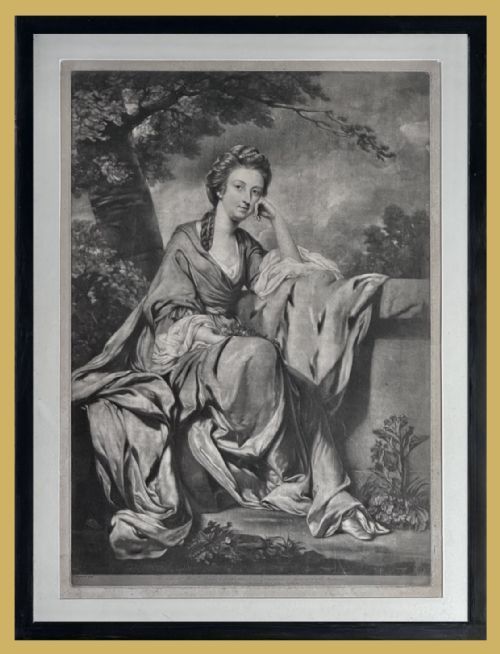
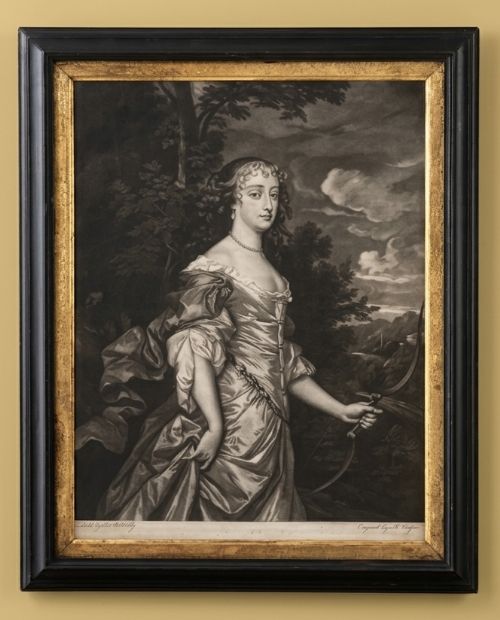
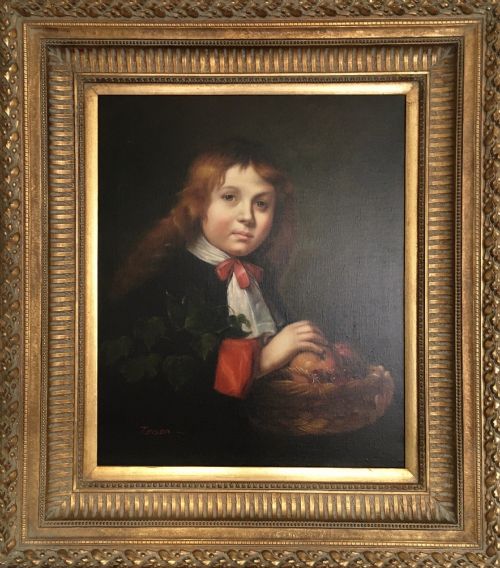
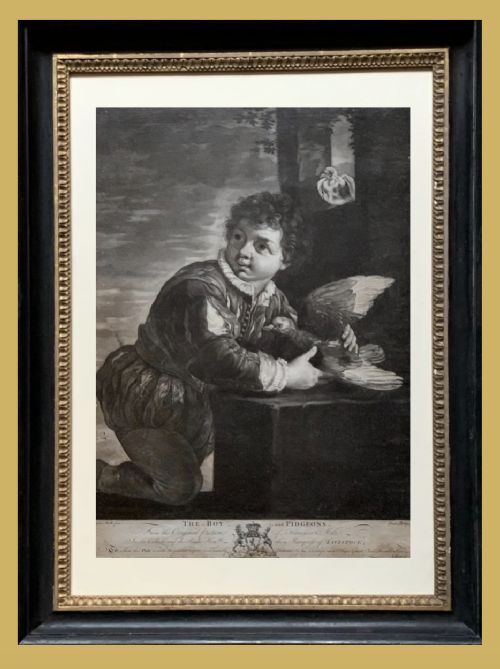
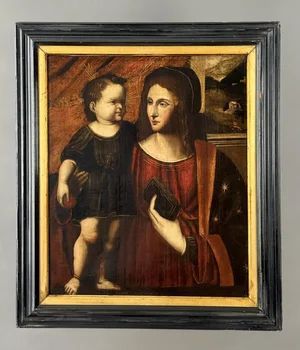
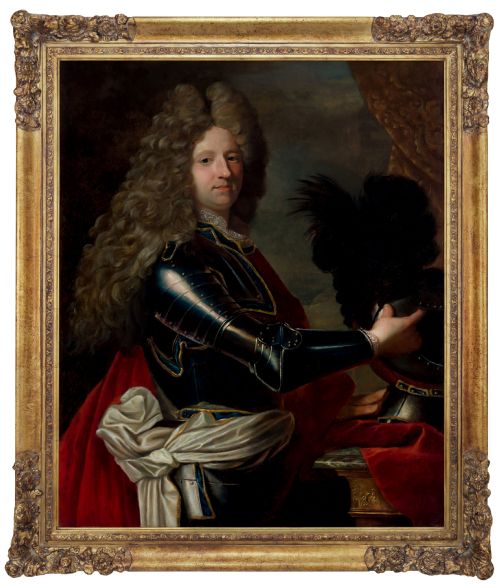
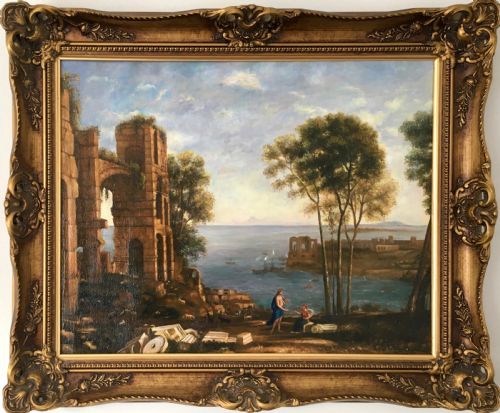
Classical portrait art brings historical sitters and academic figures into domestic spaces through framed works executed in oil, ink and pigment. Buyers hunting for classical portrait art encounter pieces ranging from eighteenth-century canvases depicting named ladies to nineteenth-century drawings after master painters.
The selections span the eighteenth century, the Victorian era and nineteen hundred, capturing subjects like John VIII Count of Nassau and Lady Jane Stanhope. These works appear in gilded wooden frames, preserving the likeness and status of historical figures through traditional artistic mediums.
Materials and construction
These works utilise traditional supports including stretched canvas and paper housed beneath glass within wooden frames. Pigments and ink form the drawn and painted surfaces, while gilt wood provides the ornamental framing characteristic of these historical periods.
Makers applied oil paints and inks by hand to capture fine facial details and rich drapery. The physical construction relies on period framing techniques that often incorporate gold leaf or gilt finishes over carved wooden mouldings.
Classical Portrait Art Retail Price Guide 2026
Typical asking prices for classical portrait art among the pieces listed under this phrase on Sellingantiques today, from the lower quarter to the upper quarter. They describe what is for sale here now, not the wider market.
Materials recorded across these listings include paper, gilt wood, ink, wood, glass, pigment, oil and canvas.
Judging quality
Quality rests in the precision of the brushwork and the psychological depth captured in the sitter's expression. Superior examples demonstrate confident draughtsmanship and careful handling of light across fabric and flesh, whereas lesser works show stiffer, less convincing anatomy.
The integration between the artwork and its period frame also dictates overall standard. Original gilt wood frames that complement the age and style of the painting elevate the piece far above those housed in mismatched or modern replacements.
Sir Samuel Luke Fildes RA·Van Dyck
The Classical Portrait Art Glossary
- Oil painting
- A work created using pigments bound with a medium of drying oil, typically applied to canvas or panel. This medium allows for subtle blending of tones and rich colour depth.
- Gilt wood
- Wood that has been treated with a thin layer of gold leaf or gilt powder. It is commonly found on traditional picture frames.
- Pigment
- The finely ground coloured powder that forms the basis of paint and ink when mixed with a liquid binder. Historic pieces rely on natural and mineral pigments.
- Victorian
- The period spanning the reign of Queen Victoria, noted in these works for specific stylistic approaches to portraiture. Pieces from this era often display detailed academic execution.
Classical Portrait Art: Frequently Asked Questions
What periods do these portraits cover?
The available works span the eighteenth century through to the Victorian era and nineteen hundred. This includes pieces created in Georgian and Baroque styles.
Each period brings distinct framing choices and painting techniques, reflecting the changing aesthetic preferences of elite sitters over time.
How should I hang these framed works?
These pieces require sturdy wall fixings due to the weight of the timber and gilt frames. Ensure they hang away from direct sunlight to protect the canvas and paper.
Maintaining stable room humidity prevents the wooden frames from warping and protects the underlying pigment from degradation.
Are the frames original to the art?
Many pieces retain period gilt wood frames that match the era of the painting. These frames provide structural support and historical context.
Examining the corner joints and the wear on the gilding helps determine whether the frame has accompanied the artwork for centuries.
What materials make up these paintings?
Artists utilised oil paint, ink and pigment applied to canvas or paper supports. These materials were chosen for their longevity and ability to hold fine detail.
Protective glass often covers works on paper, while oil paintings on canvas remain exposed to the air within their wooden surrounds.