

Classical Marble Sculpture
Classical marble sculpture brings the enduring forms of antiquity into your home through carved stone and bronze figures, portrait busts, and grand tour souvenirs.
Classical Marble Sculpture
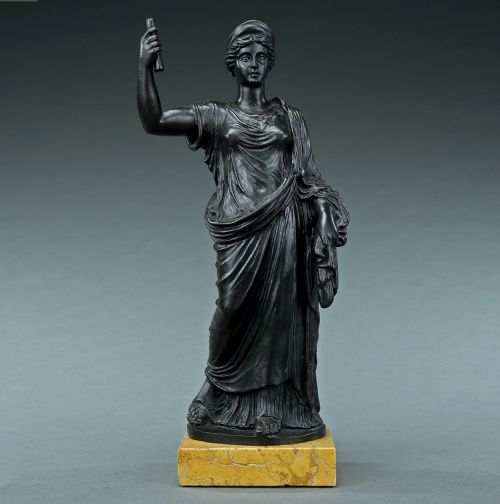
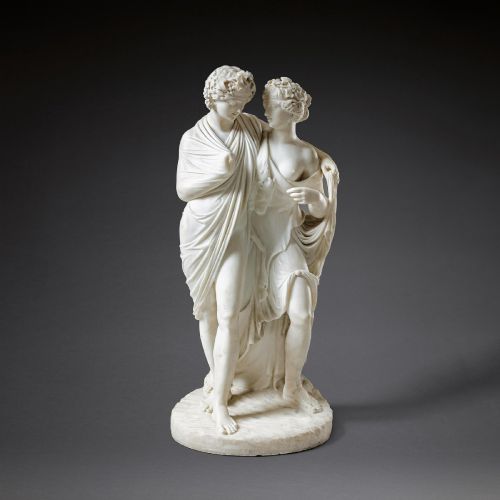
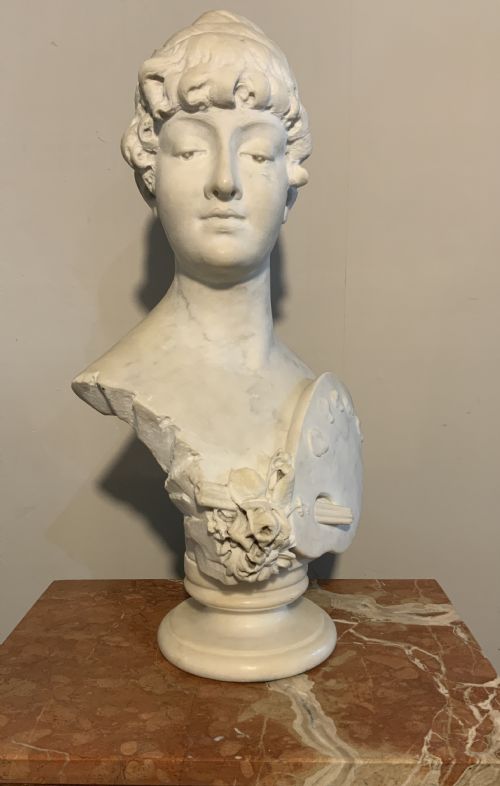
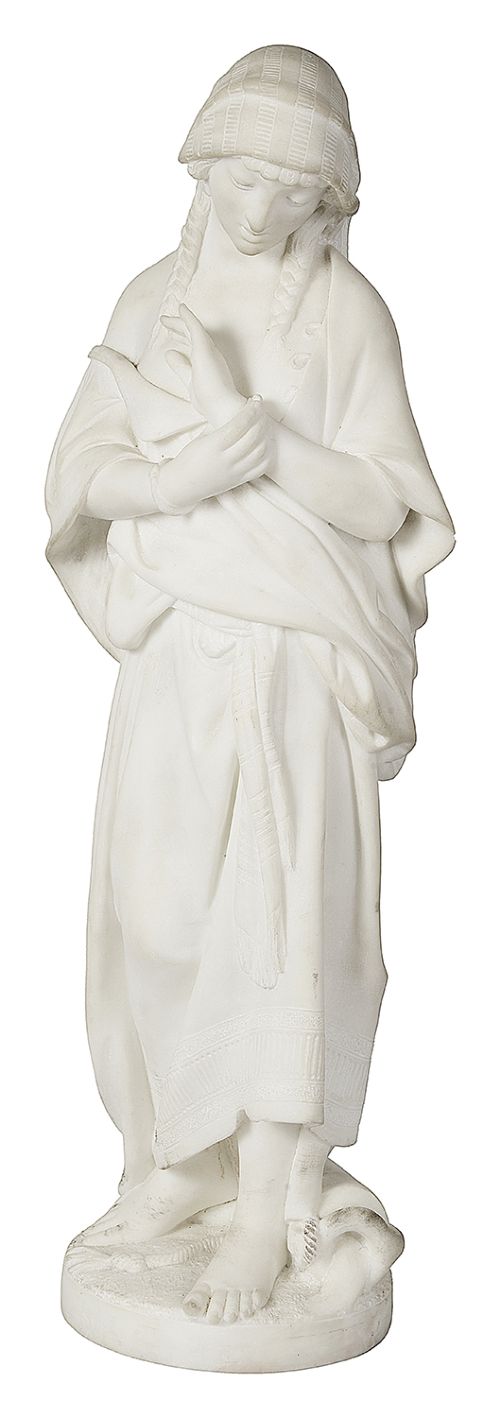
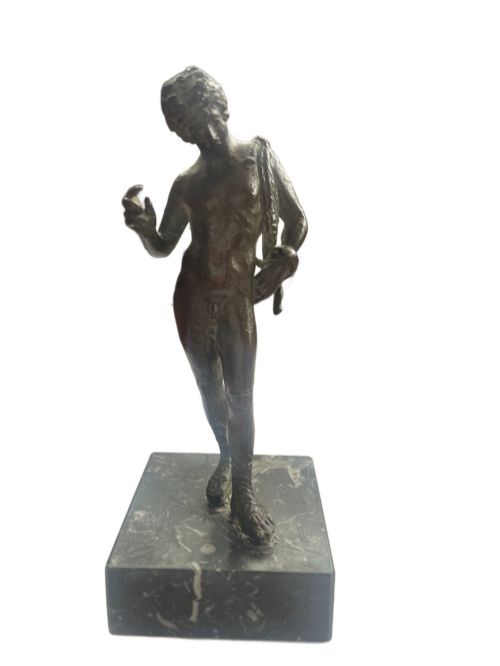
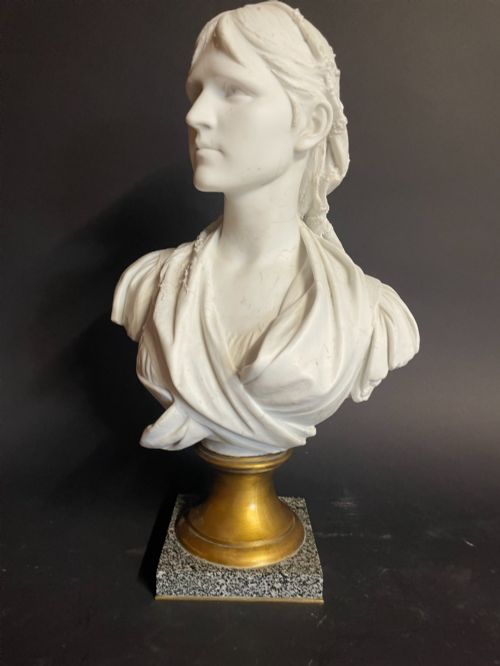
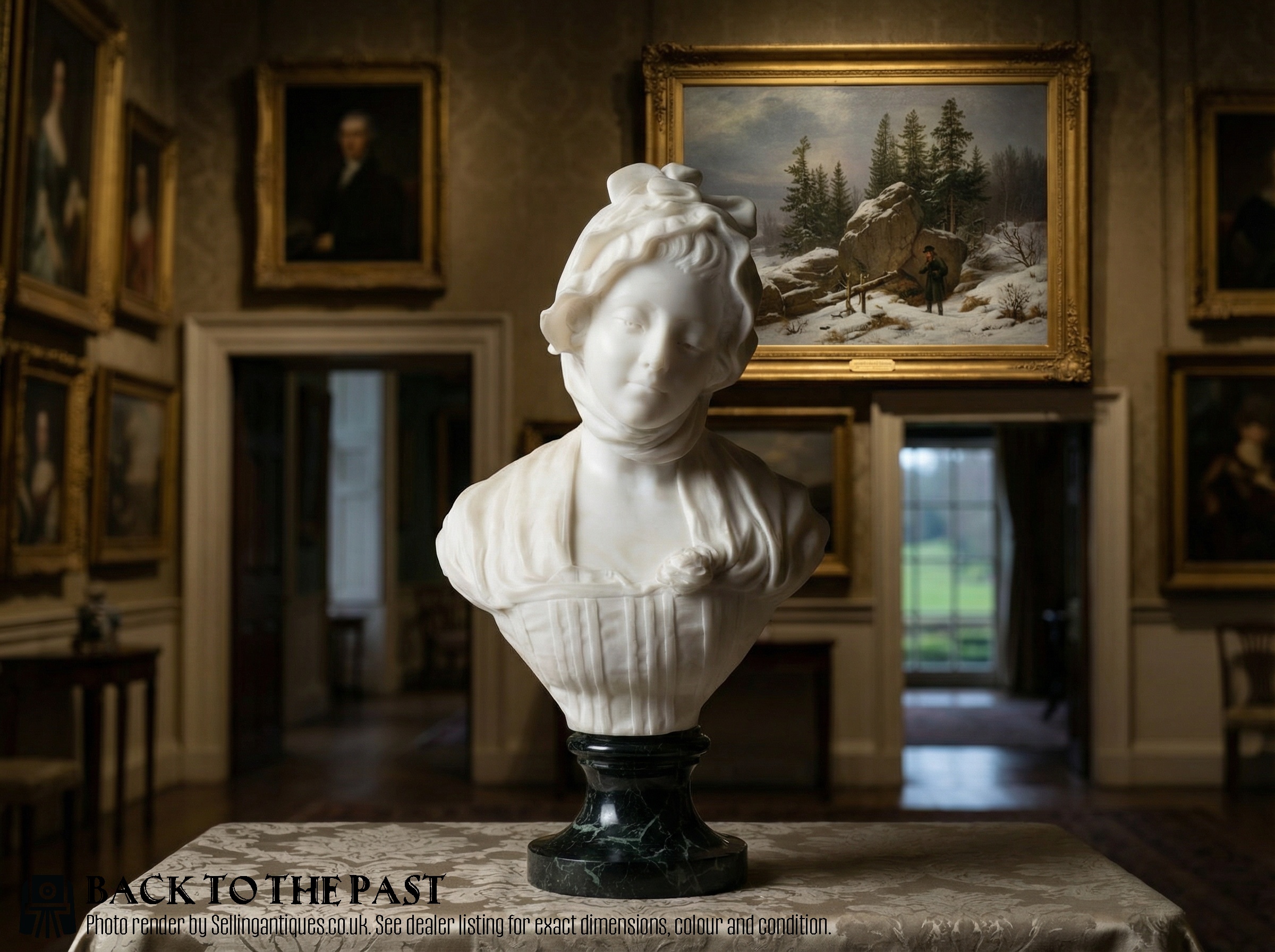
When you search for classical marble sculpture, you encounter carved stone and mixed media works spanning the nineteenth and early twentieth centuries. These objects range from life-sized Carrara marble portrait busts and mythological figures to small Grand Tour souvenirs mounted on coloured marble bases.
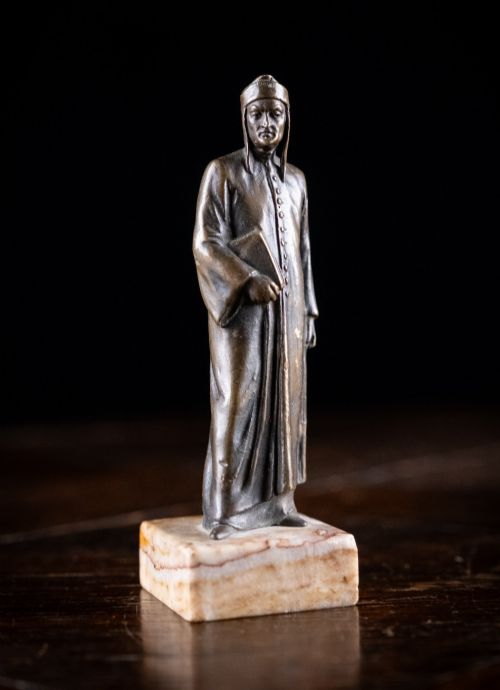
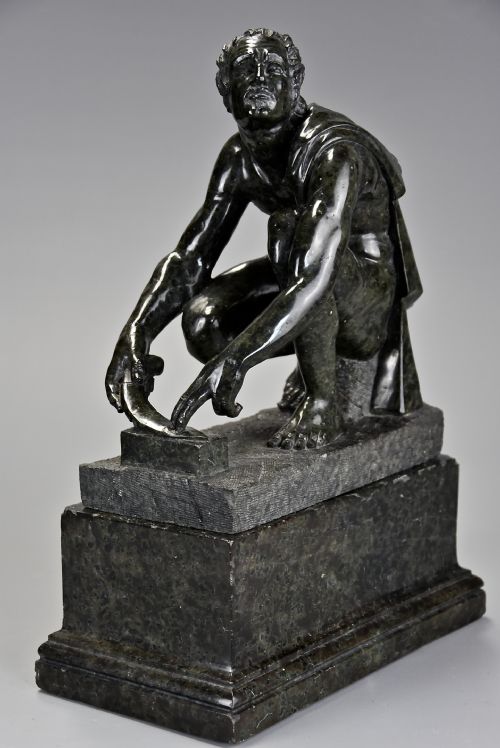
The pieces on this page heavily reflect the Neoclassical and Classical Revival movements, drawing directly on ancient Greek and Roman models. You will frequently find subjects such as mythological deities, historical poets, and reductions of famous antique statues like the Medici Lion or Venus Italica.
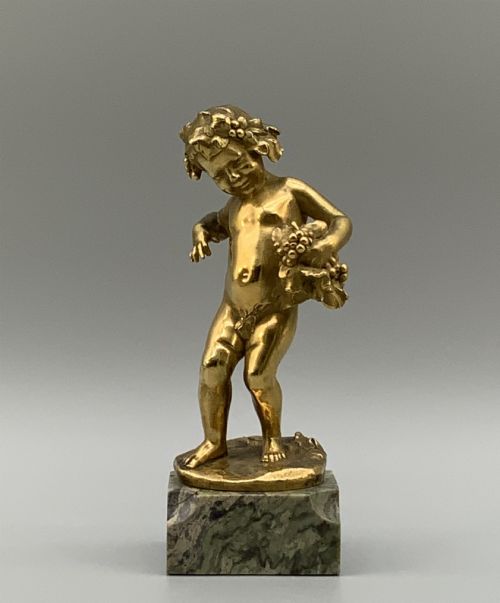
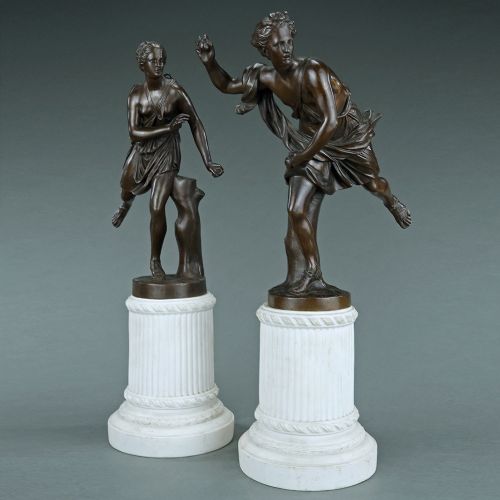
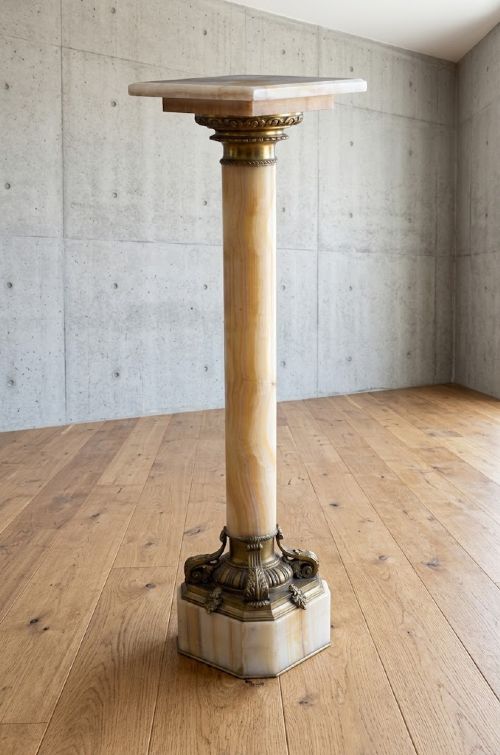
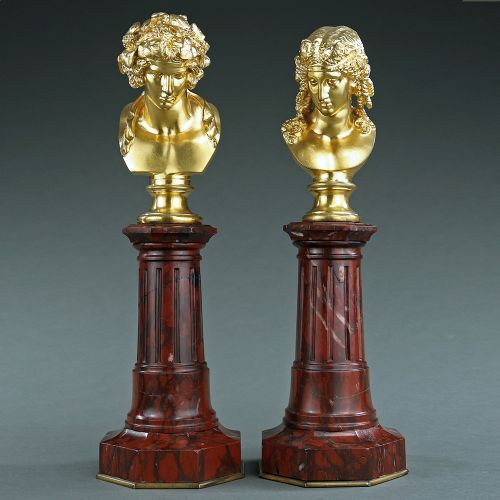
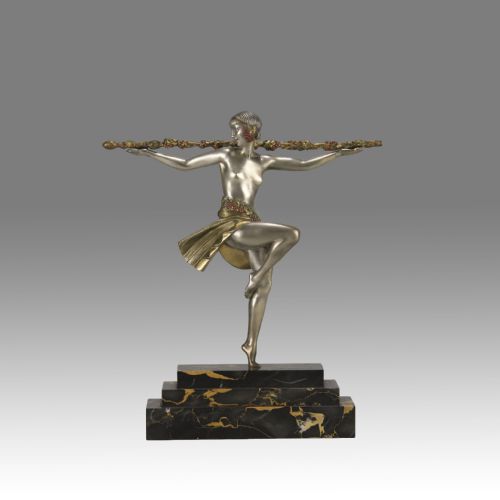
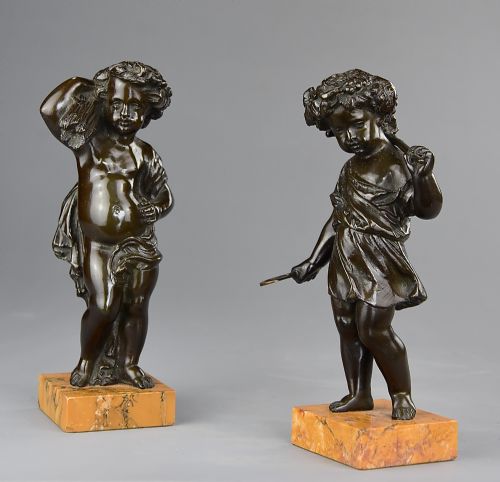
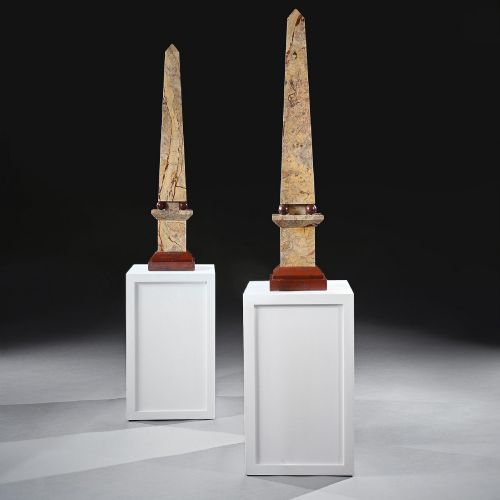
Alongside carved white and Carrara marble, many works incorporate contrasting stones such as Siena marble, alabaster, or onyx. Bronze is also common, often paired with marble plinths or columns to create balanced figural and architectural displays.
How they were made
Sculptors shaped these pieces from solid blocks of stone using chisels, rasps, and drills, then finished the surfaces with abrasives to achieve smooth, tactile textures. White and Carrara marble predominated for figurative carvings, while denser decorative stones provided colourful bases and columns.
Classical Marble Sculpture Retail Price Guide 2026
Typical asking prices for classical marble sculpture among the pieces listed under this phrase on Sellingantiques today, from the lower quarter to the upper quarter. They describe what is for sale here now, not the wider market.
Materials span Carrara marble, Siena marble, alabaster, ormolu, and cast bronze.
What varies in quality
Charles Louis Malric for Susse Frères·Barbedienne·Pierre le Faguays·Claude Michael Clodion·Barranti·Pierre-Augustin Caron de Beaumarchais·August Moreau·Emile Carlier·Antonio Canova·Eugene Aizelin·Aurore Onu
The Classical Marble Sculpture Glossary
- Grand Tour
- A traditional trip through Europe undertaken by upper-class young men in the eighteenth and nineteenth centuries to study classical art. Souvenirs bought on these travels included small bronzes and marble architectural models.
- Carrara marble
- A type of white or blue-grey marble quarried in the city of Carrara in Tuscany, widely used for centuries in classical sculpture. It is prized for its uniform grain and subtle translucency.
- Ormolu
- Gilt bronze created by applying a finely ground high-carat gold-mercury amalgam to a bronze object, then heating it to drive off the mercury. This technique produces a rich golden finish on decorative mounts and bases.
- Parian ware
- A type of fine-grained, unglazed porcelain developed in the nineteenth century that resembles carved white marble. It was frequently used for Victorian portrait busts and literary figure groups.
- Neoclassical
- A Western cultural movement spanning the eighteenth and nineteenth centuries that drew inspiration from the art and culture of classical antiquity. It prioritised clean lines, heroic subjects, and balanced composition.
Classical Marble Sculpture: Frequently Asked Questions
What is a Grand Tour sculpture?
A Grand Tour sculpture is a portable antiquity-inspired piece acquired by travellers visiting European cultural sites during the nineteenth century. These reductions allowed collectors to bring classical aesthetics into their private studies.
They often combine cast bronze figures with distinctive marble bases, such as Siena or fossil stone, serving as both scholarly decoration and personal travel records.
How do I identify Carrara marble?
Carrara marble is recognised by its bright white or soft grey body marked with gentle, feathery grey veining. It offers a slight translucency when exposed to strong light.
Sculptors favoured this stone because its fine crystalline structure allowed for smooth surface polishing and delicate carving details.
Where should I display a marble bust?
Marble busts suit sturdy surfaces like heavy sideboards, dedicated pedestals, or architectural columns where their weight is securely supported. Placing them away from direct heat sources protects the stone from thermal stress.
Ensure the room has stable humidity levels to prevent any gradual degradation of the polished surface.
What is Parian ware?
Parian ware is a ceramic material introduced in Victorian times to mimic the appearance of carved white marble at a smaller scale. It takes its name from the high-quality marble quarried on the Greek island of Paros.
This material allowed manufacturers to produce affordable, highly detailed portrait busts and literary figures for middle-class homes.