



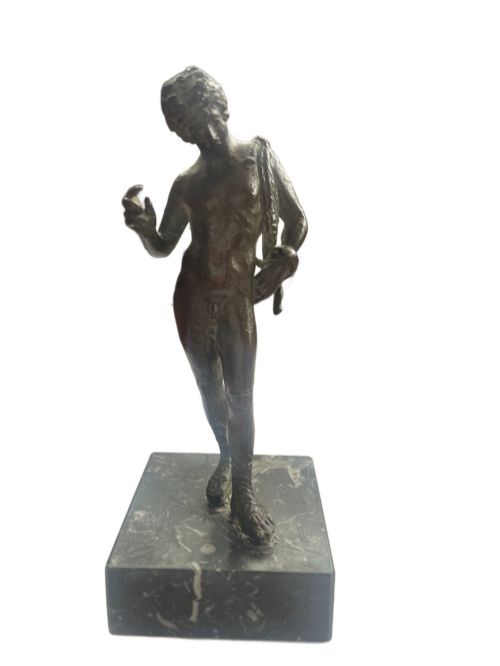
Classical Grand Tour Souvenir
A classical grand tour souvenir captures the enduring allure of ancient art through portable sculptures, intaglios, and architectural models collected by travellers across Europe.
Classical Grand Tour Souvenir
A classical grand tour souvenir represents the material legacy of educational journeys undertaken by travellers through Italy and Greece during the nineteenth century. These objects include reductions of famous ancient sculptures, framed plaster intaglios, and decorative urns modelled on classical architecture.
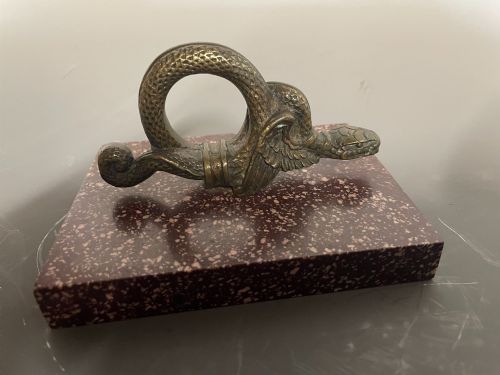
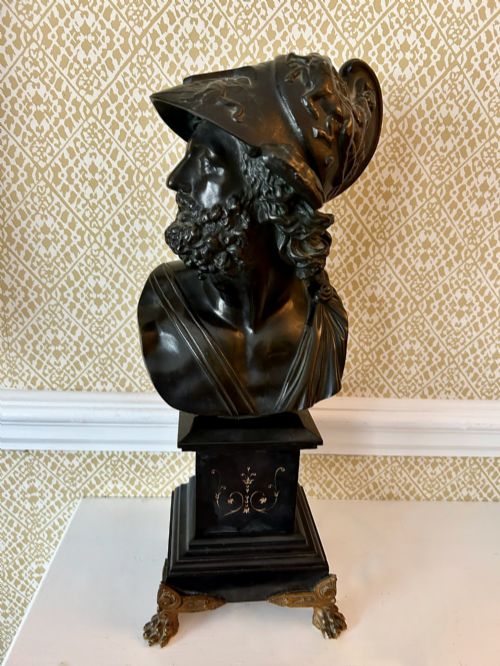
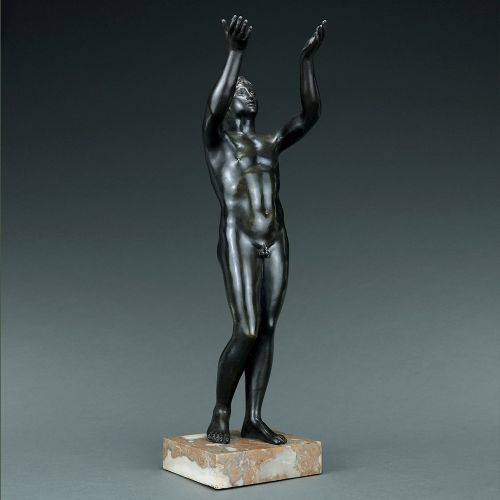
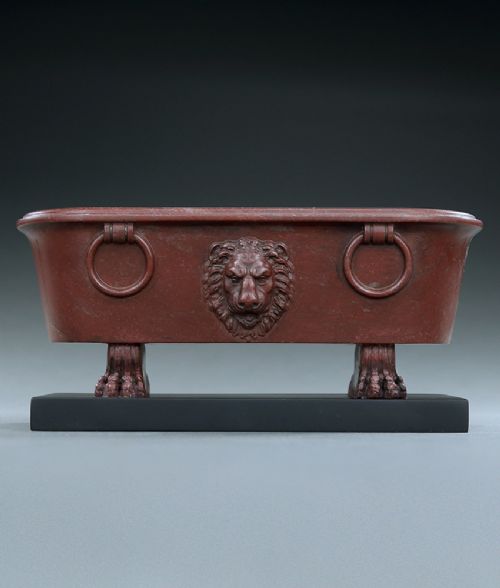
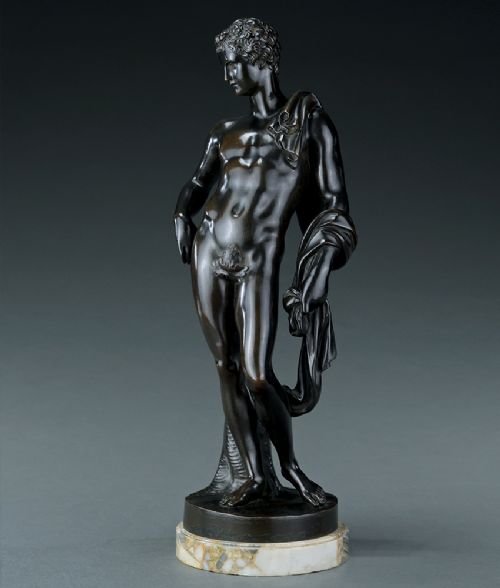
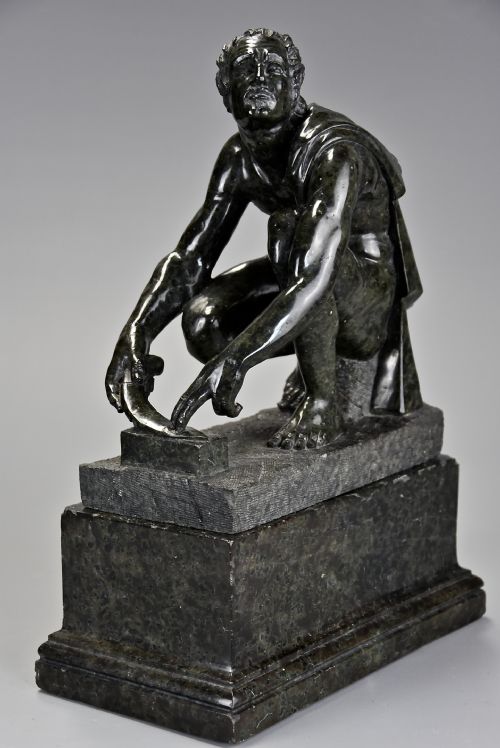
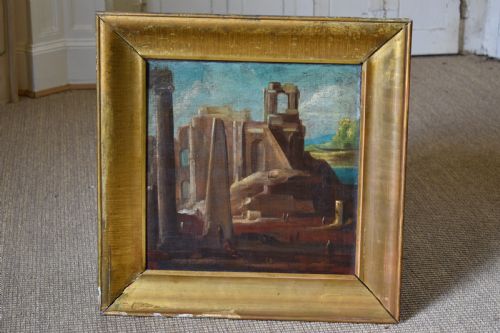
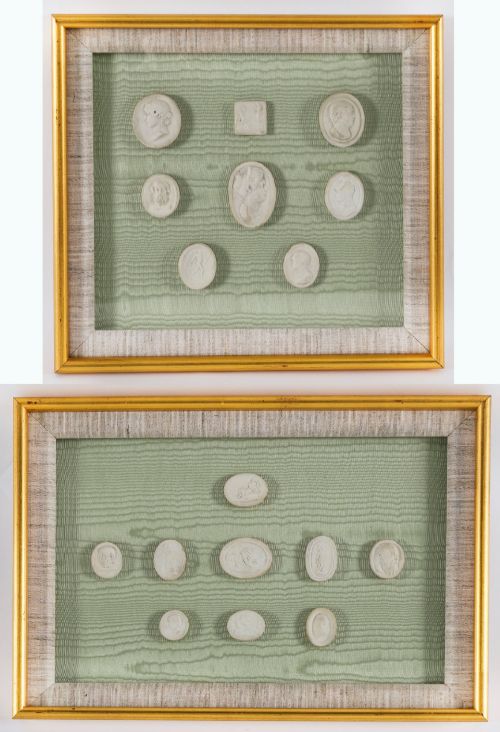
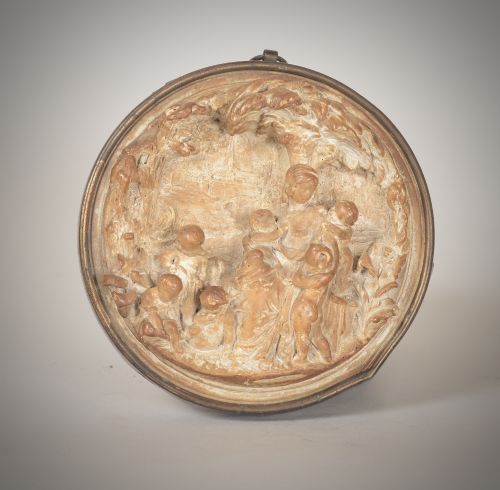
On this page, buyers most frequently encounter bronze figures mounted on marble bases, framed collections of plaster cameos, and carved stone models of ancient ruins. These pieces originate primarily from the nineteenth century, reflecting the neoclassical tastes of the period.
The selection ranges from small desk accessories, such as lamps and oil lamps, to substantial sculptural reductions after Michelangelo and Canova. Each category serves as a tangible link to the antiquities studied by historical travellers.
How They Were Made
Bronze sculptures and decorative vessels were produced using traditional casting methods, often followed by hand-chasing to define facial expressions and drapery details. Workshops utilised patination techniques to impart an aged, excavated appearance to the metal surfaces.
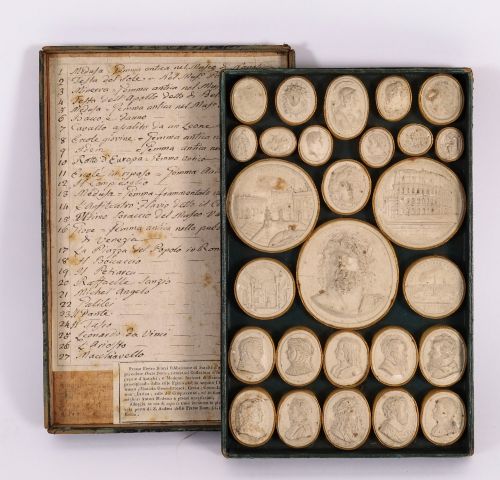
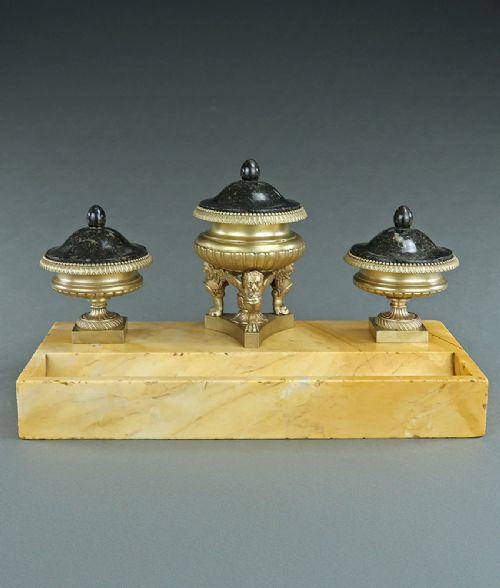
Carved stone objects relied on the selection of specific geological materials such as Siena marble, verdo prato, and serpentine, shaped by hand to replicate architectural fragments and classical vases. Plaster intaglios and cameo panels were cast from moulds taken directly from ancient gems and carved stones.
Travellers frequently returned home with miniature bronze fauns and dancing satyrs to populate their Victorian mantelpieces.
What Varies In Quality
The refinement of the cast separates standard sculptural reductions from exceptional pieces, with superior examples exhibiting crisp muscular definition and clean separation between the figure and the base. Workshop attribution also influences standing, as works bearing signatures from known establishments or makers command greater attention.
Material selection plays a primary role, particularly in the quality and figuring of the marble bases or the neatness of mounting within framed intaglio collections. The depth of the patina and the precision of the hand-finishing determine the visual fidelity to the original antiquities.
Giovanni Liberotti·G Amodio Naples
The Classical Grand Tour Souvenir Glossary
- Intaglio
- A gemstone, glass, or plaster cast carved with a sunken design so that an impression in wax can be raised. These were often assembled into framed sets as portable study collections.
- Patination
- The surface coloration of a bronze object, achieved through chemical treatment or natural ageing. A controlled patina mimics the appearance of buried antiquities.
- Reduction
- A small-scale copy of a large monumental sculpture or building. These were produced to allow travellers to transport representations of famous antiquities home.
- Labrum
- An ancient basin or bowl form used in classical architecture and replicated in stone for decorative display during the nineteenth century.
Classical Grand Tour Souvenir: Frequently Asked Questions
What is a classical grand tour souvenir?
These items are nineteenth-century replicas of ancient statues, architectural models, and carved cameos bought by travellers visiting historical sites in Italy and Greece.
They served as portable education and proof of travel, encapsulating neoclassical taste within domestic interiors.
How were intaglio collections displayed?
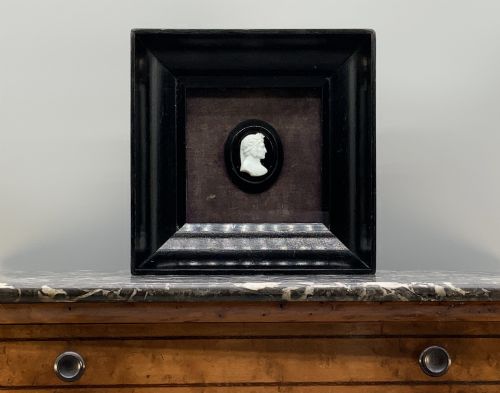
Plaster and glass intaglios were typically mounted in velvet-lined frames or specialised wooden boxes for easy study and protection.
Collectors could view dozens of classical mythological scenes arranged systematically behind glass.
What materials are common in these bronzes?
The metal components are predominantly cast bronze, often featuring applied chemical patinas in brown, green, or verdigris shades.
These bronzes are frequently mounted on distinct plinths made of Siena marble, fossil marble, or grey marble.
How do I identify a nineteenth-century piece?
Dating relies on the casting technique, the type of marble used for the base, and the specific framing methods employed for intaglios.
Nineteenth-century items often reflect the revival styles popular during the Victorian era and the reigns of European monarchs.