

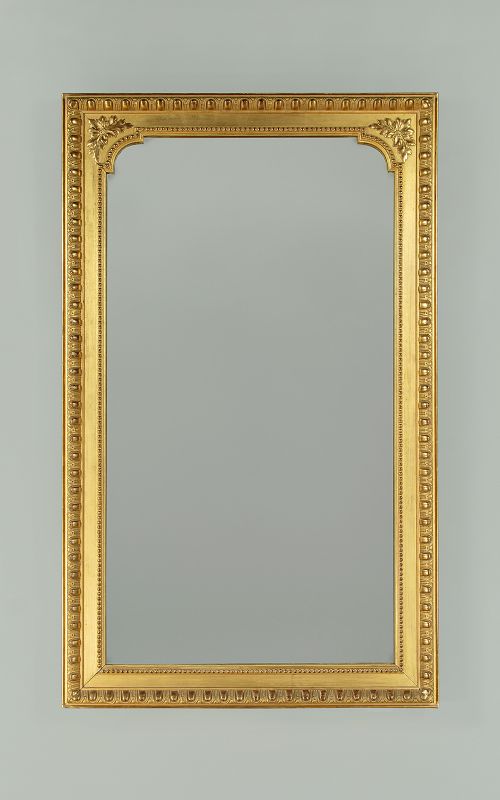


Classical Gilded Mirror Frame
A classical gilded mirror frame brings a distinct architectural presence to a room, holding centuries of polished reflection within ornate gold leaf borders.
Classical Gilded Mirror Frame
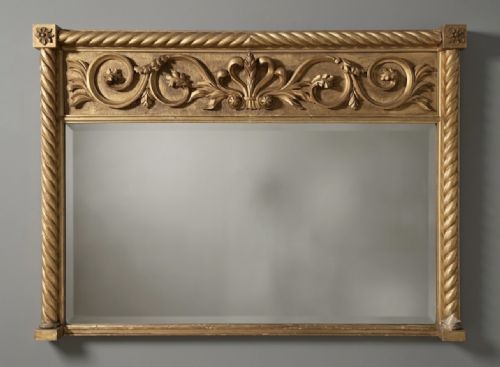
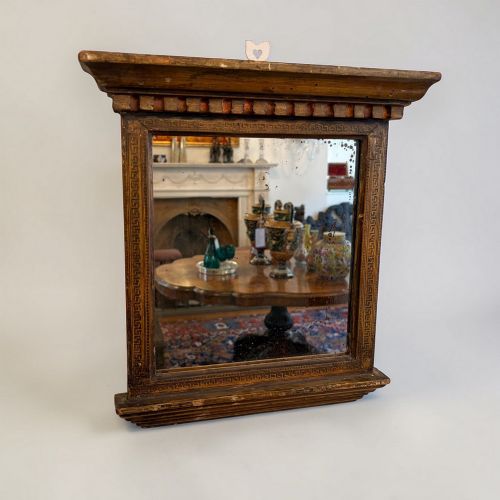
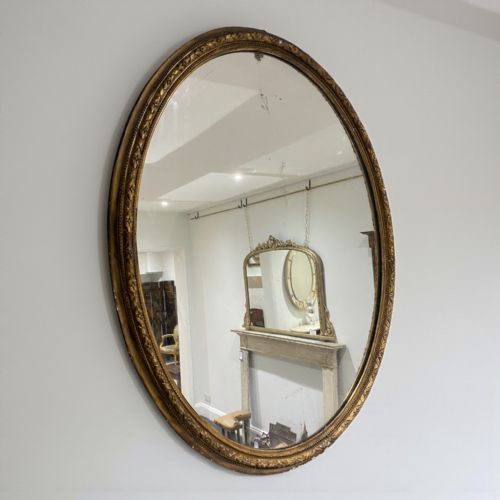
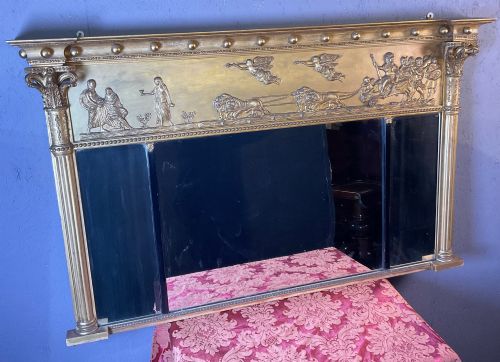
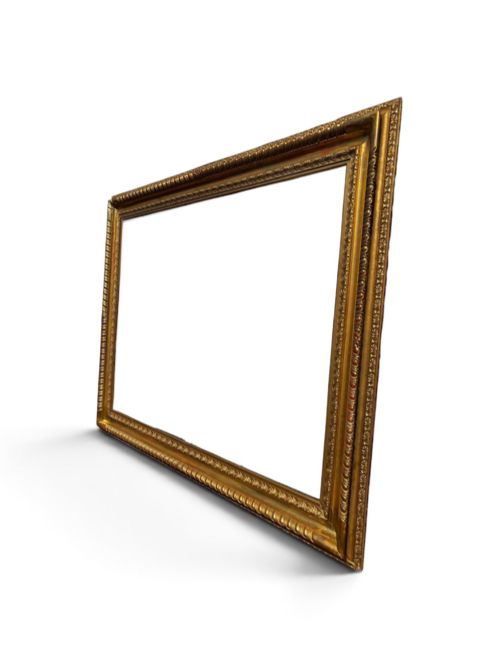
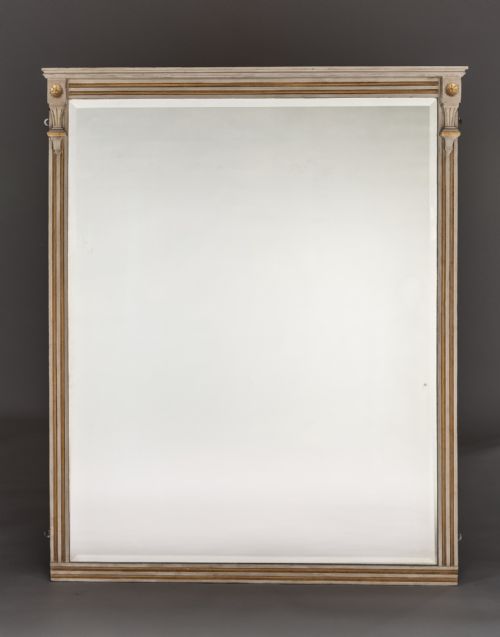
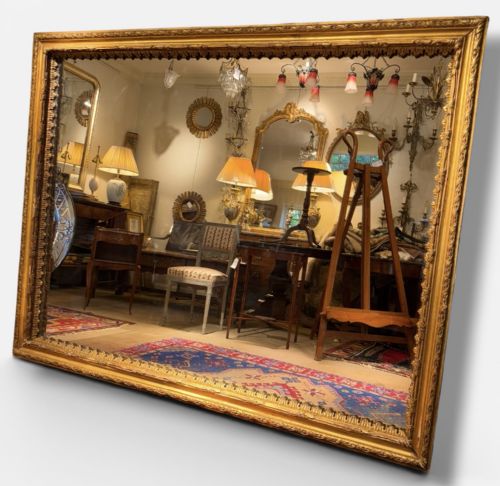
A classical gilded mirror frame serves as a focal point in traditional interiors, combining functional glass with sculptural woodwork. When exploring a classical gilded mirror frame, buyers encounter pieces originating from Georgian, Regency, and Victorian periods.
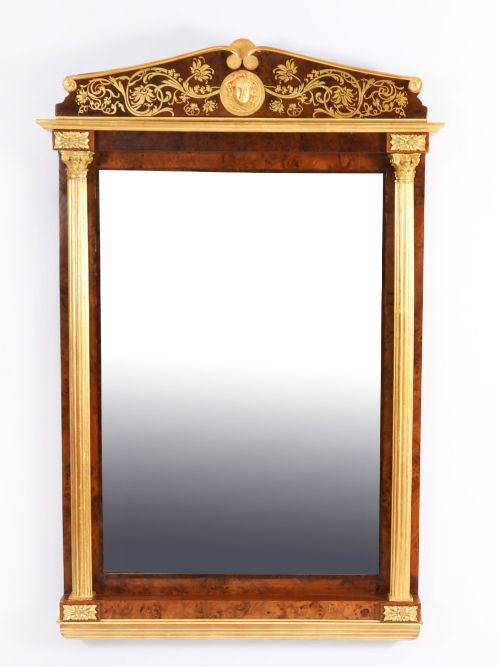
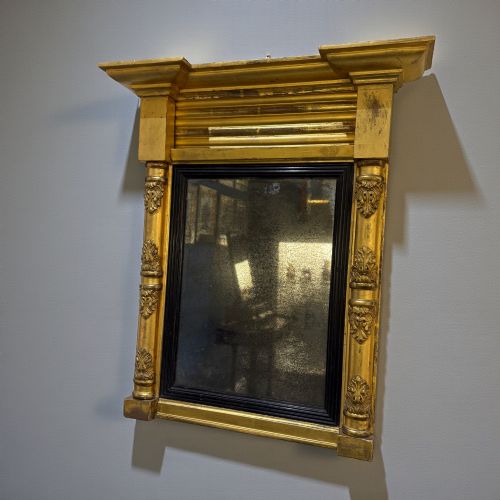
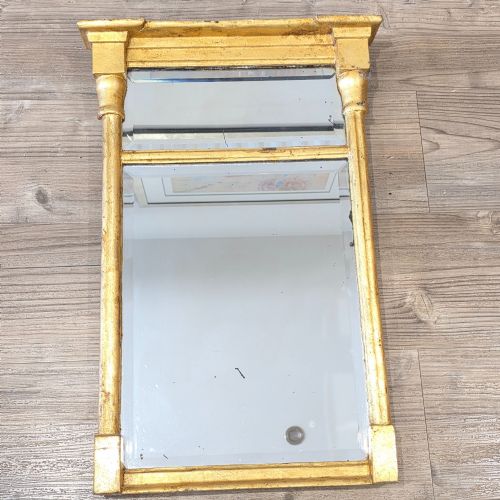
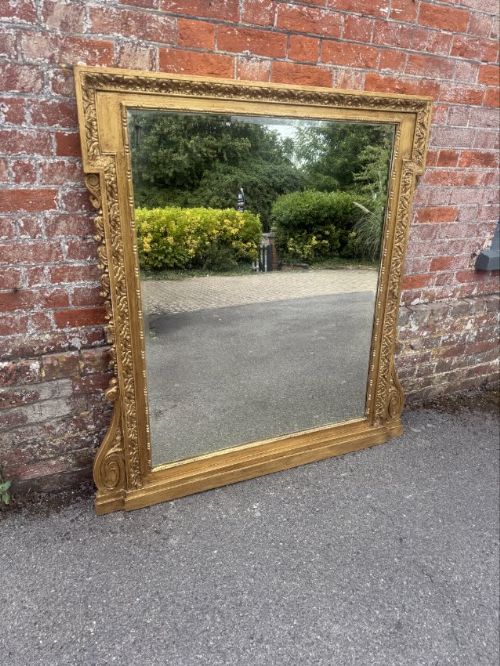
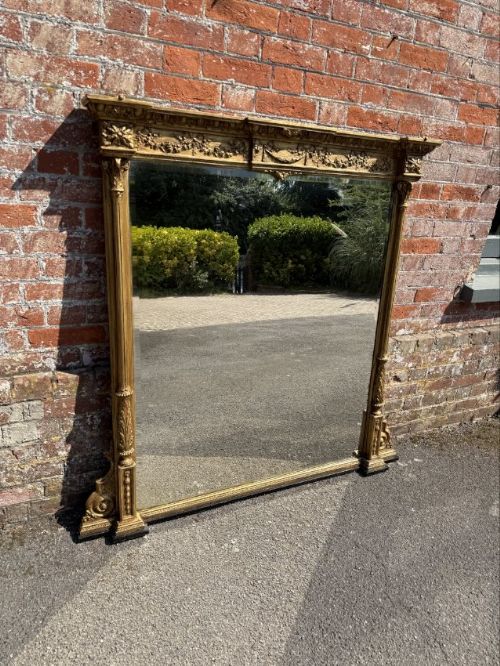
The selections span grand overmantel mirrors designed for chimney breasts, tall pier mirrors suited for narrow wall spaces, and architectural trumeau mirrors incorporating upper panels. Most examples found here date from the nineteenth century, drawing upon Regency and Neoclassical design vocabularies.
Makers and workshops across England and France produced these pieces to project status and reflect candlelight or natural daylight around formal reception rooms. The forms range from compact oval frames to massive architectural compositions with column supports and carved motifs.
Materials and construction methods
Makers constructed the foundational bodies of these frames using timber such as pine or hardwood, which provided a stable base for decorative detailing. Over this timber core, artisans applied layers of gesso - a fine plaster mixture - to build up crisp relief ornament before gilding.
Guilders applied thin sheets of gold leaf over the prepared gesso surfaces, sometimes burnishing specific areas to create contrast between matte and lustrous finishes. Original mirror glass, including silvered plates and specialised eglomisé glass panels with reverse painting, completes the authentic construction of the period.
Some nineteenth-century French mirrors incorporate hidden mythological creatures amongst their floral gesso carvings.
Distinctions in craftsmanship and preservation
The depth and crispness of the carved wood and gesso ornamentation separate exceptional examples from standard production. Superior pieces retain their original gilded surfaces with minimal restoration, whereas heavily retouched items show loss of definition in the modelled details.
Structural integrity of the wooden joints and the preservation of original mirror plates or eglomisé panels heavily influence the overall character of the piece. Subtle details, such as well-executed column framing and refined floral or mythological carvings, indicate higher workshops of origin.
The Classical Gilded Mirror Frame Glossary
- Giltwood
- Wood that has been coated with gold leaf or gold powder. This surface treatment gives the frame its characteristic metallic brilliance.
- Gesso
- A mixture of plaster of Paris and glue binder applied to the wooden frame base. Artisans carved and moulded this material to form relief decorations before gilding.
- Pier Mirror
- A tall mirror designed to hang on the pier, the solid wall section between two windows. These pieces often sat above low console tables.
- Overmantel Mirror
- A wide mirror made specifically to hang above a fireplace mantelpiece. Their horizontal proportions complemented the scale of the hearth below.
- Trumeau
- A decorative wall mirror combined with a painted or carved panel above the glass. French interiors frequently utilised these architectural elements.
Classical Gilded Mirror Frame: Frequently Asked Questions
How do I hang a heavy overmantel mirror?
Heavy nineteenth-century overmantel mirrors require secure anchoring directly into wall studs or solid masonry using appropriate steel fixings. Due to the substantial weight of the timber and gesso construction, professional installation is strongly advised.
Ensure the hanging wire or integrated mirror brackets distribute the load evenly across multiple suspension points. This prevents undue stress on the antique frame joints.
How should I clean a antique gilt frame?
Dust the gilded surfaces gently using a very soft, dry brush or a clean feather duster. Avoid applying water, modern chemical cleaners, or abrasive cloths, as these will damage the delicate gold leaf layer.
Professional conservators should handle any stubborn grime or flaking gesso to prevent irreversible loss of the historic surface finish.
Are original mirror plates common?
Many surviving pieces retain their original mirror glass, which often exhibits characteristic foxing, minor silvering loss, and subtle distortions. These age-related marks confirm the authenticity of the piece rather than detracting from its historical integrity.
Replacements do occur over long centuries of use, so inspecting the backing boards and edge bevelling helps determine whether the glass dates to the original manufacture.
What distinguishes Regency style from Victorian pieces?
Regency frames, produced in the early nineteenth century, favour clean architectural lines, classical motifs like rope twists, and convex or pier mirror formats. They often reflect a restrained Neoclassical influence.
Victorian pieces tend toward heavier ornamentation, elaborate floral carvings, and massive proportions, particularly visible in the large overmantel mirrors popular during the latter half of the century.