





Turned Frame Wall Mirror
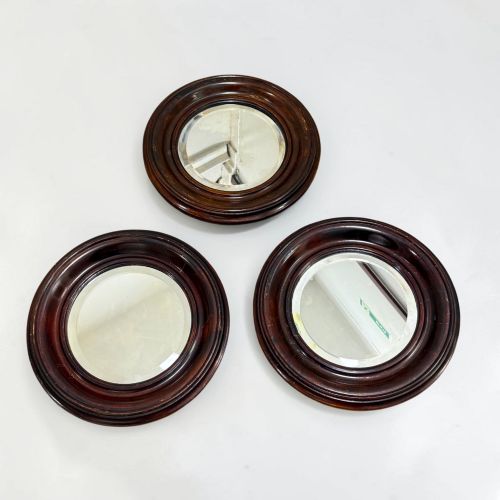
These turned frame wall mirror pieces bring warmth and functional depth to a room through traditional woodworking and glass.
Turned Frame Wall Mirror
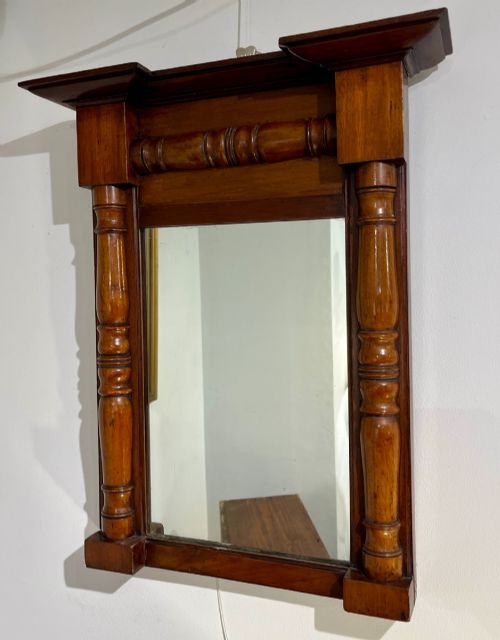
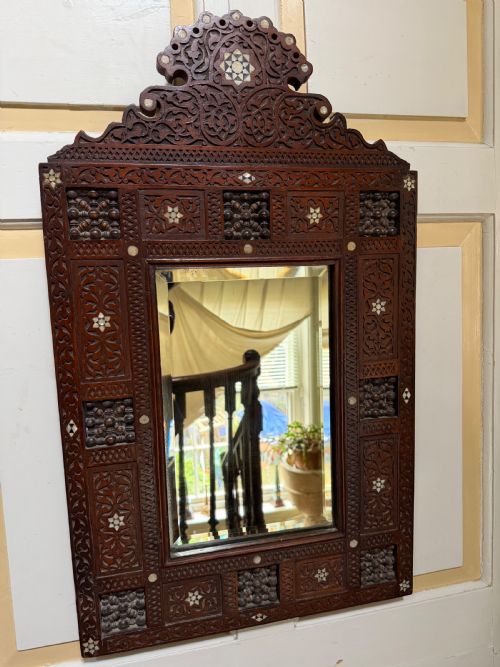
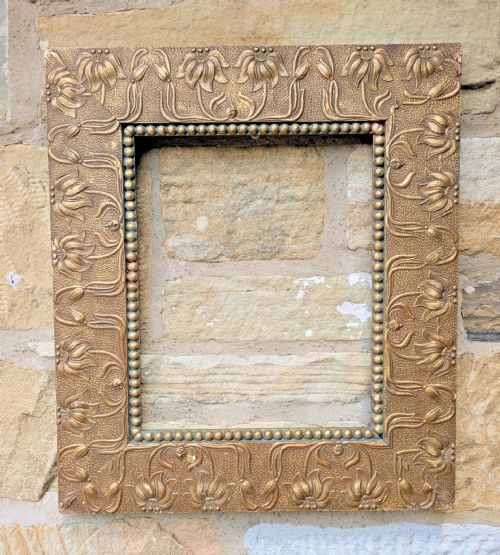
A turned frame wall mirror is a reflective glass panel enclosed in a wooden framework shaped by a lathe. The pieces listed under this search phrase span the nineteenth century, the Victorian era, and into the early twentieth century, including styles such as French Provincial, Art Nouveau, and Regency Revival.
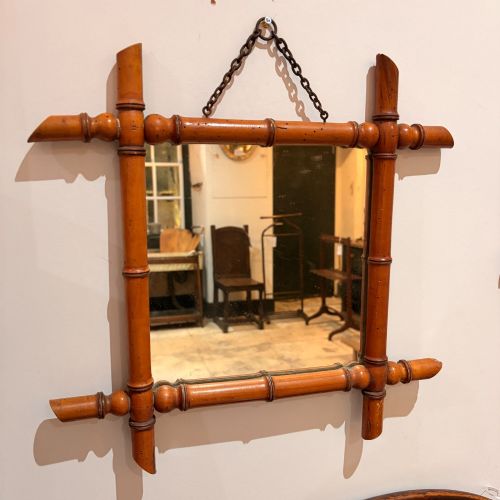
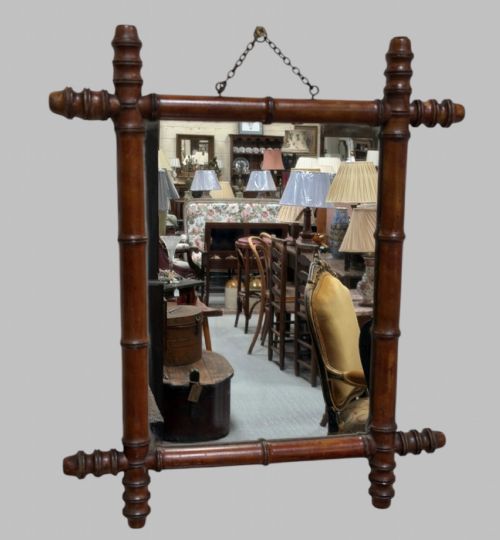
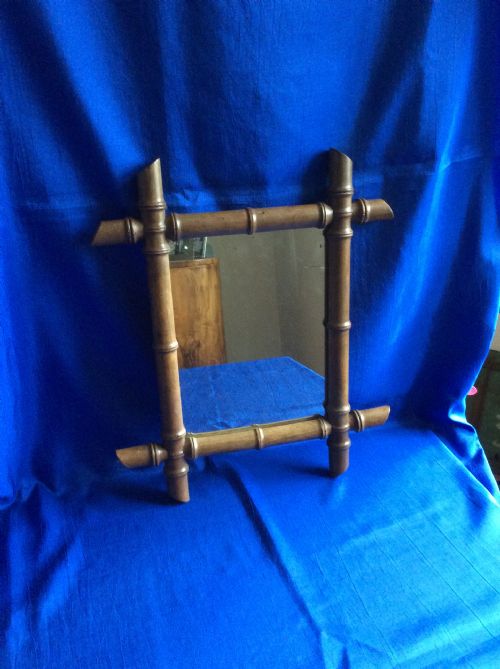
The forms found in these listings include wall mirrors, pier mirrors, and overmantle pieces. Among these, wooden frames incorporating turned elements or faux bamboo detailing appear frequently, alongside carved fruitwood and gilded gesso variations.
Originating from British, French, and Italian workshops, these mirrors served practical daily functions in halls, lounges, and parlours while reflecting light into domestic spaces. The selection ranges from compact wall-hung items to substantial pier and overmantle formats.
How they were made
Makers utilised timber such as mahogany, beech, dark oak, and fruitwood to construct the structural supports. Lathe-turned sections and carved details define the surface profiling of these frames, occasionally augmented by gesso and gilding.
Glass panels were set into rebated wooden housings, sometimes accompanied by secondary materials like bone or metal fixtures for hanging and structural reinforcement. Faux bamboo examples required careful moulding of wood to mimic natural segmented cane.
Listings for this phrase include items spanning the nineteenth century, the Victorian era, and nineteen-twenty, utilising mahogany, beech, fruitwood, and oak.
What varies in quality
The finesse of the lathe work and the depth of the wood carving distinguish finer examples from standard production. Crisp detailing on turned spindles and well-executed joinery indicate superior craftsmanship.
The quality of the mirror glass and the preservation of original gilding or timber patination play a central role. Uniformity in the wood grain and the integrity of the structural frame determine the standing of each piece.
The Turned Frame Wall Mirror Glossary
- Pier mirror
- A tall vertical glass designed to be hung on the narrow wall space between windows. These pieces often feature substantial frames suited to nineteenth-century drawing rooms.
- Gesso
- A plaster-like mixture applied to wood surfaces as a base for gilding or painting. It allows intricate decorative relief work to be modelled before the application of metal leaf.
- Faux bamboo
- A decorative treatment where wood is carved and painted to imitate natural bamboo stalks. This style gained popularity during the nineteenth century under French and Victorian influence.
- Overmantle mirror
- A wide mirror designed to sit directly above a fireplace mantelpiece. They frequently share proportions with the architectural width of period chimney breasts.
Turned Frame Wall Mirror: Frequently Asked Questions
Where should I hang a turned frame wall mirror?
These mirrors suit entrance halls, lounges, and over mantelpieces where they can reflect natural light and create a sense of extended space. Their traditional proportions pair well with period furniture and plain walls alike.
Ensure the wall fixings match the weight of the timber frame and glass panel. Secure hanging wire or brackets directly into wall studs for heavier Victorian and overmantle examples.
How do I identify the period of a mirror frame?
Examine the timber species, joinery methods, and decorative styles visible in the woodwork. Nineteenth-century pieces often display hand-turned profiles and older plate glass characteristics.
Styles such as Art Nouveau or Regency Revival provide stylistic clues, though many vernacular pieces blend traditional turning techniques across overlapping decades.
What is faux bamboo woodwork?
Faux bamboo is a decorative woodworking technique where timber is shaped on a lathe and painted to replicate the jointed nodes of natural bamboo canes. This aesthetic reflects nineteenth-century interest in exotic design.
French and Victorian makers utilised this method extensively for wall and pier mirrors, creating textured frames that contrasted with flat glass surfaces.
Are these mirrors suitable for modern interiors?
The organic warmth of turned wooden frames allows these mirrors to complement contemporary decorative schemes. They introduce historic texture and craftsmanship into minimalist or neutral rooms.
Choosing between a dark oak Jacobean style or a gilded gesso frame depends on the surrounding tones of the room and the desired focal point.