





Gilt Hanging Accent Mirror
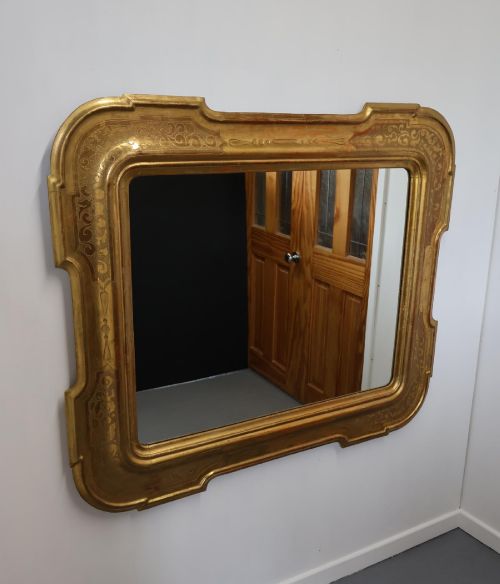
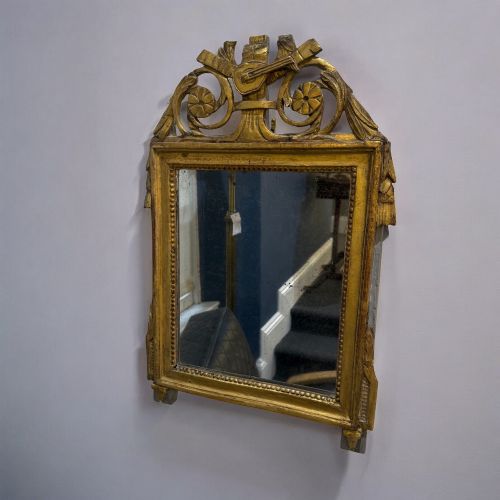
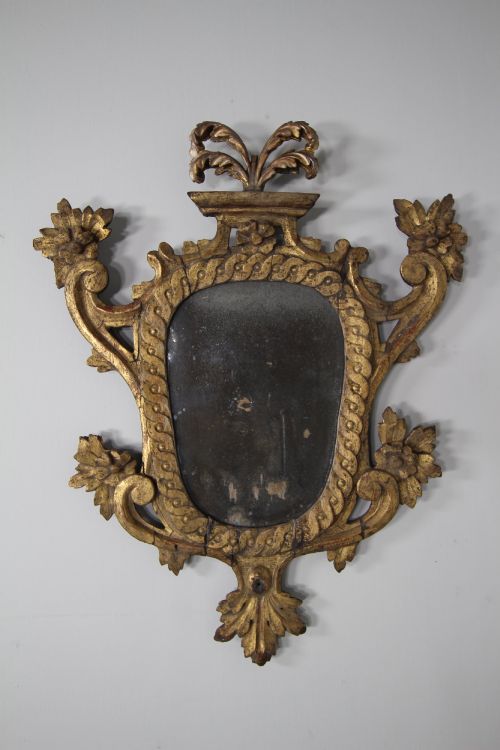
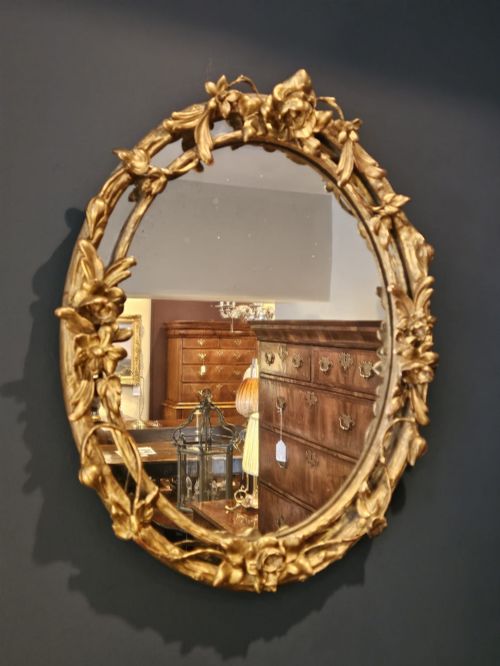
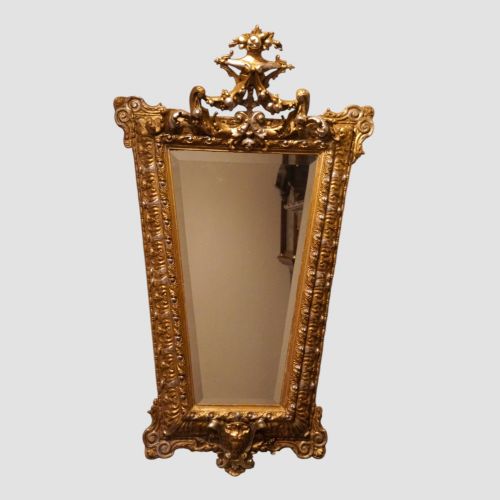
A gilt hanging accent mirror brings bright reflection and gilded warmth to a room, drawing the eye instantly to its carved frame.
Gilt Hanging Accent Mirror
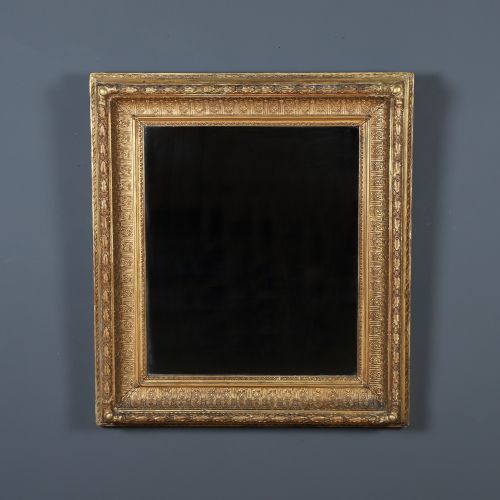
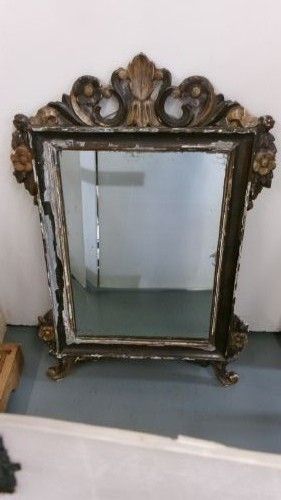
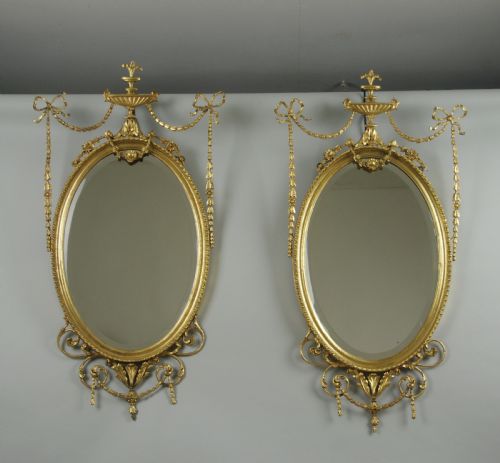
A gilt hanging accent mirror serves as a decorative focal point on a wall, combining reflective glass with an ornate metallic finish. When searching for a gilt hanging accent mirror, collectors encounter pieces spanning several centuries from Georgian and Regency eras through the Victorian period and into the twentieth century.
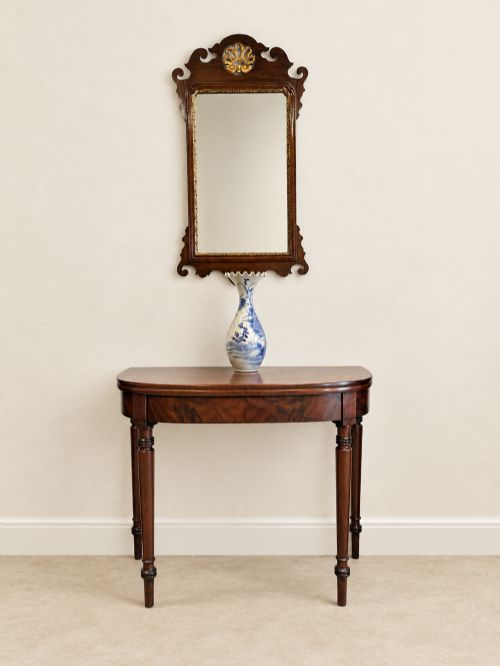
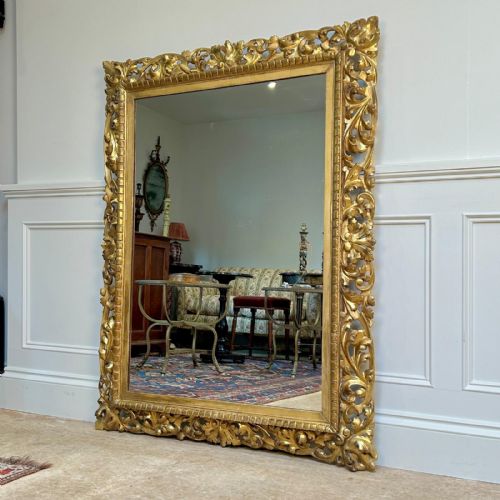
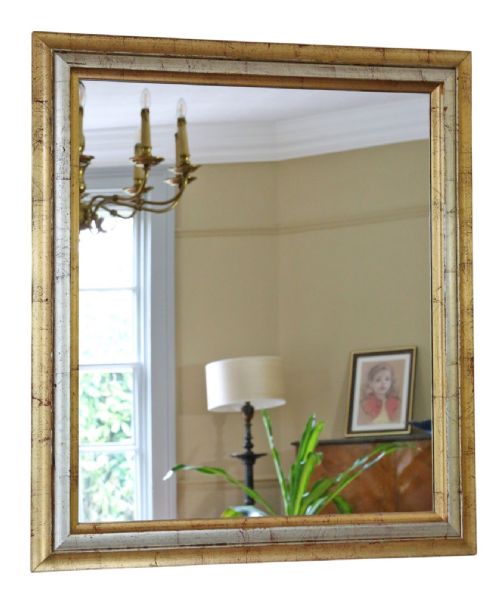
The selection ranges from Italian Florentine carvings and French Rococo Revival designs to English walnut and parcel gilt examples. Most pieces function primarily as wall mirrors or overmantles designed to catch and multiply the light in a hallway, parlour, or reception room.
How they were made
Makers shaped frames from timber such as oak, walnut, or carved wood before applying layers of gesso to create crisp relief details. Artisans then applied gold leaf or silver-gilt directly onto the prepared surface, often burnishing the metal to achieve varying degrees of lustre.
Mirrored glass plates, sometimes engraved or bevelled, were fitted into the rebates and secured from the back. Structural integrity relied upon traditional joinery combined with applied composition ornament on later revival pieces.
Some antique mirrors carry centuries-old foxing on the glass, offering a soft, dreamy reflection that modern manufacturing cannot replicate.
What varies in quality
Depth and crispness of hand-carved relief separate superior frames from simpler moulded composition versions. The finesse of the gilding and the clarity of the original glass plate heavily influence the overall character and visual weight of the mirror.
Proportion and balance within revival styles indicate the skill of the original workshop. Pieces retaining their original untouched surfaces hold greater interest for traditional interiors.
The Gilt Hanging Accent Mirror Glossary
- Giltwood
- Wood that has been coated with gold leaf or powder over a prepared ground. This technique creates a rich metallic sheen that ages with a warm patina.
- Gesso
- A plaster-like mixture applied to wooden frames as a smooth base for gilding. It allows craftsmen to carve intricate relief ornamentation before applying gold leaf.
- Rococo Revival
- A nineteenth-century style imitating the asymmetrical scrolls, C-scrolls, and naturalistic foliage of the eighteenth-century French movement. It produces dramatic, flowing frames.
- Parcel Gilt
- A method where only specific portions of a wooden object are gilded while other areas show the natural wood grain, such as walnut. This creates a striking contrast between dark timber and gold.
- Overmantle
- A large mirror specifically designed to hang on the wall above a fireplace mantelpiece. These pieces often feature wide rectangular formats to span the width of the hearth.
Gilt Hanging Accent Mirror: Frequently Asked Questions
Where should I hang a gilt mirror?
These mirrors suit locations where they can capture and reflect natural light, such as opposite a window or above a mantlepiece in a principal room.
They also function effectively in narrow hallways or entryways to create an initial sense of space and brightness.
How do I date a gilt mirror?
Dating relies on examining the timber construction, the type of gesso used, and the style of carving, such as Regency motifs or Victorian Rococo Revival curves.
Original mirror plates with minor foxing and hand-bevelled edges also provide strong clues to the period of manufacture.
Are these mirrors heavy?
Solid wood frames combined with dense gesso layers and thick glass plates create substantial weight that requires secure wall fixing.
Proper brackets and wall anchors matching the weight of the frame are essential for safe hanging.
What is the difference between gesso and carved wood?
Carved wood involves cutting motifs directly into the timber substrate using gouges and chisels.
Gesso is a moulded or applied plaster mixture used either to build up fine details or to cover the carved wooden base before gilding.