



Classical Garden Statues Plinths
Classical garden statues plinths bring enduring architectural presence and classical form to outdoor spaces, anchoring sculptural displays with solid dignity.
Classical Garden Statues Plinths
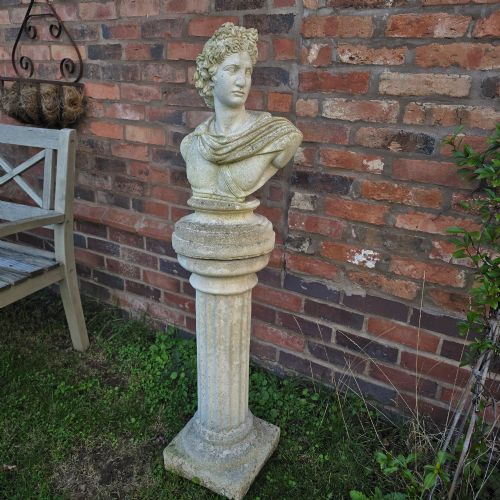
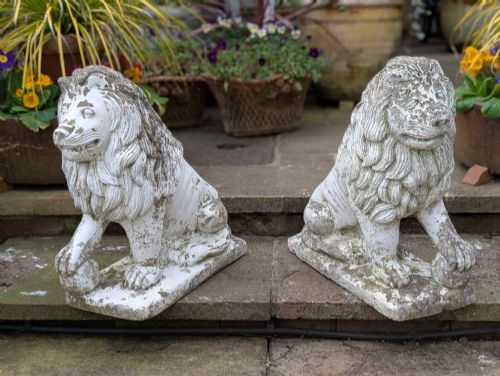
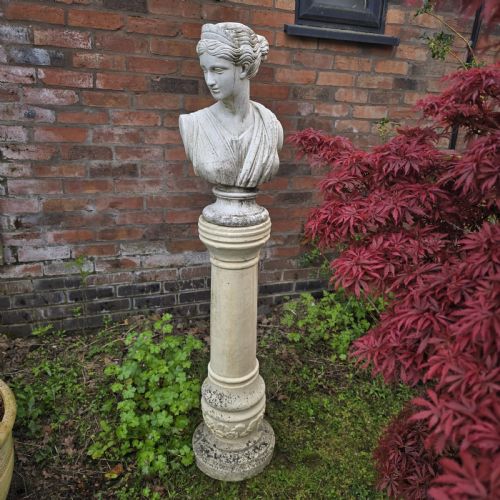
Classical garden statues plinths comprise sculptural figures and architectural pedestals rooted in neoclassical and classical revival traditions. These pieces include pairs of French Medici lions, figures representing the Four Seasons, and classical busts of Athena and David.
The selections available here range from nineteenth-century grand tour pieces to mid-twentieth-century garden statuary. Buyers frequently encounter full-length figures and busts mounted securely upon matching pedestals.
Originating from French and classical design vocabularies, these works serve to elevate focal points within formal gardens and terraces. Each combination of statue and plinth establishes a distinct sense of proportion and historical weight.
How they were made
Makers utilised durable media such as reconstituted stone, cast stone, and composite concrete to withstand outdoor conditions. Traditional terracotta and carved marble also appear, particularly in grand tour examples.
Surfaces frequently show applied paint and natural weathering accumulated over decades of exposure to the elements. These finishes highlight the crisp moulding of neoclassical drapery and architectural detailing.
Classical Garden Statues Plinths Retail Price Guide 2026
Typical asking prices for classical garden statues plinths among the pieces listed under this phrase on Sellingantiques today, from the lower quarter to the upper quarter. They describe what is for sale here now, not the wider market.
This site's listings span the nineteenth century up to 1950, featuring materials such as marble, terracotta, and reconstituted stone.
What varies in quality
The character of the weathering and the integrity of the material dictate the longevity and aesthetic appeal of each piece. Superior stones and patinas display organic ageing that enhances the classical silhouette.
The Classical Garden Statues Plinths Glossary
- Plinth
- A heavy base or pedestal supporting a statue or bust. It raises the sculpture to a commanding viewing height.
- Neoclassical
- A style reviving the design principles of ancient Greece and Rome. It emphasises symmetry, proportion, and restrained ornamentation.
- Grand Tour
- A traditional trip through Europe undertaken by upper-class scholars to collect antiquities and art. Pieces from this context often include marble busts and miniature sculptures.
- Reconstituted stone
- A composite material made from crushed stone and binders moulded into architectural forms. It offers the appearance of natural stone with robust durability.
Classical Garden Statues Plinths: Frequently Asked Questions
How do I choose the right plinth height?
Consider the scale of the surrounding garden and the height of the sculpture it supports. A taller pedestal suits open lawn settings, while lower plinths work well on intimate terraces.
Ensure the base footprint matches the weight distribution of the statue to maintain stability outdoors.
Are these statues suitable for winter weather?
Most pieces fashioned from cast stone, reconstituted stone, and terracotta endure seasonal temperature shifts well. Natural marble and plaster items benefit from sheltered placement during freezing months.
Checking the material composition helps determine whether winter covering is necessary for preservation.
How should I clean stone garden statues?
Gentle washing with water and a soft brush removes accumulated dirt without damaging the surface patina. Avoid harsh chemical cleaners that strip away weathered character and protective layers.
Allowing natural lichens to remain often enhances the antique appearance of nineteenth-century pieces.
Can I separate the statue from its plinth?
Many classical garden statues rest on their plinths using gravity and locating pins rather than permanent mortar. This allows for easier transportation and flexible arrangement in landscape designs.
Lifting requires care and adequate manpower due to the substantial weight of stone and concrete components.