



Vintage Garden Statue Plinths
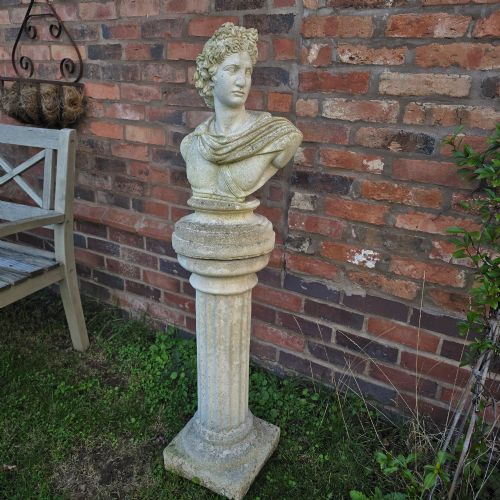
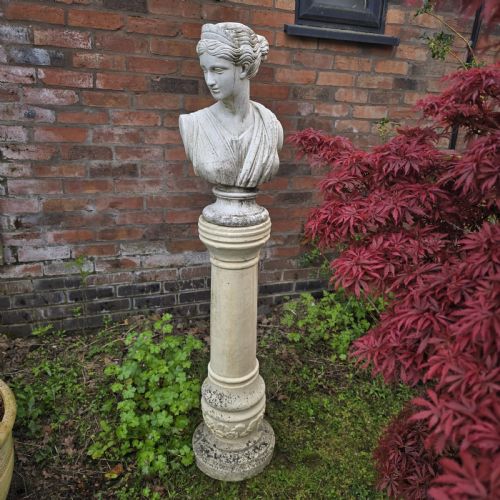
These vintage garden statue plinths elevate classical figures and architectural ornaments to give height and presence in outdoor spaces.
Vintage Garden Statue Plinths
When you search for vintage garden statue plinths, you are looking at sturdy pedestals and bases designed to support classical garden sculpture. These structural supports lift busts, figures, and architectural ornaments clear of the damp earth and foliage. They create strong vertical focal points in garden layouts and formal courtyards alike.
The pieces on this page span the nineteenth century, nineteen-thirty, and nineteen-fifty. You will encounter standalone stoneware plinths alongside complete arrangements featuring garden statues mounted directly on pedestals. The forms include architectural columns, classical revival columns, and simpler pedestals that suit both paired lions and single busts.
Neoclassical and classical revival styles dominate the selection, bringing formal symmetry to outdoor settings. These designs draw directly on ancient Greek and Roman motifs, translating architectural traditions into garden ornaments. Buyers select them to anchor figures like Athena, David, and Grecian ladies within a landscape scheme.
How they were made
Makers utilised reconstituted stone, cast stone, and composite stone to produce durable pedestals and figures capable of withstanding the elements. These aggregate materials allowed workshops to cast detailed classical mouldings and fluted columns with consistency. Stoneware forms were fired to achieve a hardwearing body suitable for prolonged outdoor exposure.
Surface finishes included applied paint over stone bases, which weathered naturally over decades in the garden. Many pieces developed distinct patinas through exposure to rain, moss, and lichen, softening the raw edge of the cast material. This weathering process integrates the pedestals visually into mature garden planting schemes.
Vintage Garden Statue Plinths Retail Price Guide 2026
Typical asking prices for vintage garden statue plinths among the pieces listed under this phrase on Sellingantiques today, from the lower quarter to the upper quarter. They describe what is for sale here now, not the wider market.
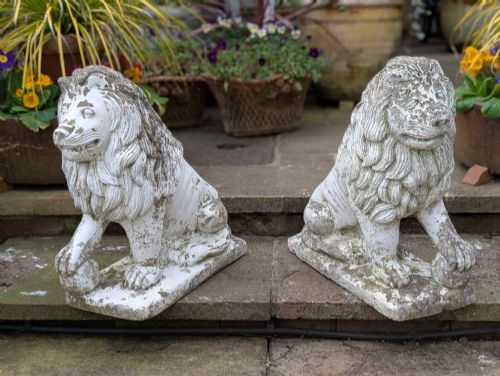
Some nineteenth-century French Medici lions keep a watchful eye over the garden from their elevated stone perches.
What varies in quality
The refinement of the classical moulding and proportion sets the finer pieces apart from standard utility pedestals. Superior examples display crisp acanthus leaves, sharp fluting, and balanced proportions that echo genuine architectural stonework. Lesser pieces tend to have softer cast details and heavier, less graceful silhouettes.
The integration between the statue and its plinth also dictates the overall quality of the composition. Well-matched sets maintain a consistent scale and stone composition where the figure and pedestal appear made for one another. Surface patination that has developed organically through weathering adds visual depth, whereas artificial ageing often looks uniform and flat.
The Vintage Garden Statue Plinths Glossary
- Plinth
- A heavy base or pedestal supporting a statue, bust, or column. It raises the sculpture above ground level for better visibility and protection.
- Reconstituted stone
- A manufactured material made from crushed stone and cement binder, cast in moulds to replicate natural stone. It provides high durability for outdoor ornaments.
- Neoclassical
- A style reviving classical Greek and Roman architectural and artistic forms. It emphasises symmetry, clean lines, and classical proportions.
- Stoneware
- A sturdy ceramic fired at high temperatures to achieve a vitrified, non-porous body. It resists frost and weathering in garden environments.
- Composite stone
- A modern aggregate material blended for strength and consistent moulding capabilities. It mimics the appearance and weight of natural carved stone.
Vintage Garden Statue Plinths: Frequently Asked Questions
What is a garden plinth used for?
A garden plinth serves as an elevated base to display statues, urns, and portrait busts outdoors. Raising the sculpture protects the material from splash-back and damp soil.
Positioning sculpture on a pedestal also creates a focal point in borders, terraces, and formal garden pathways.
How do I clean stone garden plinths?
Gentle brushing with water and a soft bristle brush removes loose dirt and organic debris without harming the surface. Avoid harsh chemical cleaners or pressure washers that strip away the protective outer layer and weathering.
Allowing natural moss and lichen to remain often enhances the antique character of stone and composite pedestals.
Are these plinths frost resistant?
Reconstituted stone, cast stone, and stoneware are generally dense enough to withstand normal winter temperatures outdoors. Ensuring the base sits on gravel or paving rather than bare soil prevents moisture from rising through the bottom.
During severe freezing weather, covering vulnerable cast stone ornaments helps prevent moisture expansion and surface flaking.
How do I date a stone plinth?
Dating relies on stylistic clues, manufacturing techniques, and the extent of natural weathering on the stone surface. Nineteenth-century examples often feature hand-finished details and heavier mineral aggregate mixes.
Mid-century pieces from nineteen-thirty and nineteen-fifty typically show standardised casting marks and distinct neoclassical revival proportions.